SEARCH RESULTS
Search this site
243 results found with an empty search
- Celebrate Their Strengths: How REEL Empowers Twice-Exceptional Learners
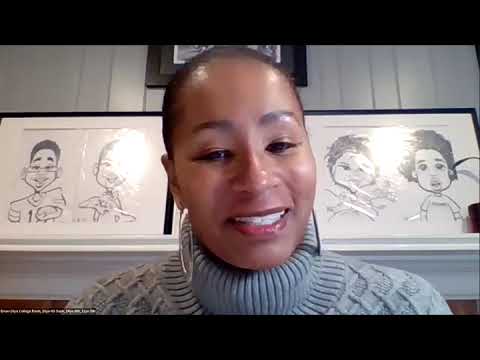
Celebrate Their Strengths: How REEL Empowers Twice-Exceptional Learners At REEL, we believe every neurodivergent and twice-exceptional (2e) learner has unique strengths waiting to shine. Too often, traditional systems focus on challenges, leaving these kids’ extraordinary talents overlooked. Our mission is to change that. We provide families and educators with the tools, guidance, and supportive community they need to help 2e learners thrive. By focusing on strengths, we help children build confidence, resilience, and a sense of belonging, academically, socially, and emotionally. REEL isn’t just about resources; it’s about connection. We bring families together, support educators with practical strategies and professional development, and celebrate every child’s brilliance. When strengths are seen and nurtured, 2e learners don’t just survive, they excel. Because at REEL, we know that when you focus on what kids can do, anything is possible. This video shares the stories of twice-exceptional students and their families, showing how REEL equips them with resources, guidance, and a supportive community that helps their unique strengths flourish. REEL is a non-profit working with parents and educators to emphasize strengths for 2e learners. Together, we can build a world where neurodivergent and twice-exceptional learners thrive.
- 2e & Executive Functioning
Executive functioning is a common challenge for twice-exceptional (2e) learners. It was the #1 topic requested in our annual community survey. 2e learners’ asynchrony can mean they perform wonders in their favorite subjects, but may get low grades because they don’t turn in their homework. They may show amazing executive functioning abilities when it comes to their favorite hobby, but can be challenged when it comes to “straight forward” school tasks. EF challenges can cause 2e students anxiety and self-esteem challenges when others perceive them or they perceive themselves as lazy or unmotivated. Executive functioning covers a broad array of areas - in this talk our panelists focused on planning and prioritizing, task initiation, and organization. Experts Sam Young, Marcie Habell, and Mason Tudor provided tips on how to support your 2e student through a strength-based lens, including what accommodations to ask for at school as well as strategies for tackling tasks such as homework, note taking, project planning, task management, and goal setting. See the transcript here: Sam Young or Mr. Sam as his community members call him. He is the founder and director of Young Scholars Academy, which is a strength-based talent-focused virtual enrichment school that supports twice exceptional differently wires and gifted students to feel seen nurtured and happy as heck through strength-based courses, camps and community. Sam is a two-time Fulbright scholar, a TEDx speaker, a former Bridges Academy educator of nearly 10 years and a Bridget graduate student of Cardiff Diversity. He's a graduate. Additionally, Sam is a nerd, a urgent person himself who has committed his life to supporting differently wired students to discover, develop, and lead their lives with their strengths, talents, and unique interests. Welcome, Sam. And finally, last but not least, Mason Tutor, who's goals director of education with over 25 years of education experience. Dr. Mason Tutor has incredible skills in tutoring a plethora of subjects, teaching English, career exploration, study strategies, and real-life literacies, financial, time management, etc. He is also an academic coach focusing on how to use strategies to succeed with students who are in difficult academic programs. He is skilled at working with students who are in crisis due to emotional trauma, learning differences and academic gaps. And we will post how to contact them in the chat. And so I will let them each take it away, please. At any time, you're welcome to ask questions in the chat. We will collect them all and ask them after each of our speakers has had a chance to speak to you. I will stop my sharing. So Marcy, you are up first. Hi everyone, welcome and thank you Yale for the introduction and so as Yale pointed out I'm a professional educational therapist and private practice. I'm in Pasadena, California. I've been doing this work as she said for about 20 years and I have a range of population with whom I work in a range of ages. But tonight we're going to be focusing on executive function, what it is, how to support it. And over the next hour or so we'll consider different ways that each of us support executive function in the clients with whom we work. So as we begin, let's first consider this idea of executive function. It's a big idea. We've all heard the term. But what exactly does it mean? Well, Cali, it's not going. It won't advance now. Did you just find the little, here you go. Okay. It didn't work in the usual way. Sorry about that. Okay. So education, executive function defined by the creators of the brief. Which is the behavior rating inventory of executive function. It's an instrument used by neuropsychologists to measure an individual's level of functioning in the domain of executive function skills. Defines executive function as a multi-dimensional construct. With distinct but interrelated domains. Of self-regulatory or management functions. Including the ability to initiate behavior. Inhibit the effect of stimuli. Select relevant task goals, plan and organized means to solve complex problems, monitor and evaluate the success of problem-solving behaviors. And shift problem solving strategies flexibly when necessary. So this rather broad scope definition. Attempts to capture the complexity of what we think of as executive function skills. They tried to capture all of it in in a very long lofty definition here. But really for practical purposes. We can think of executive function skills as goal-directed behavior. Those behaviors that help us. Complete a homework assignment. Drive to a destination. Or even get dinner ready on time. It's goal-directed behavior. And while there are many definitions and numbers of executive functions skills depending on whose work you read. There is some general agreement on the 3 primary executive function skills. The 3 primary executive function skills. Our working memory. Cognitive Flexibility. And self-regulation. So we're going to take a brief look at each one of those individually. So we're going to start with. Working memory. It's the act of holding information in mind. While performing mental operations. So for example, if we could all go back to. Fifth grade or so and think about long division. In order to solve a long division problem, You need to hold in mind the order of the steps. Well, simultaneously multiplying, subtracting. Hand abiding. For some individuals holding the rules in mind while also crunching the numbers simply too much for their working memory and a struggle ensues. Then we move on to cognitive flexibility, which is the brain's ability to make use of new information and environmental cues. To adapt to the context of the situation. So think about kids playing soccer in a park. The kids know that they need to. Chase the ball, keep it away from the other kids and try to make a goal. So they've got that in mind. If a child inadvertently kicks the ball, so that it rolls into the street where there are speeding cars. Cognitive flexibility should kick in. The child recognizes that they have to adapt to the new situation. And not follow the ball into the street. Without cognitive flexibility, child who sticks to the rule of chasing the ball. Could have a dire outcome. And then we take a look at self regulation. And that's the ability to control your own behavior and emotions. And to remain focused in spite of distractions. And so while we're all subject to occasional distractions or procrastinating and emotional dysregulation. In this case, we're really thinking about whether someone can stay regulated and focused most of the time. So if we think about a student who might. Be upset that every day at recess. They're chosen last for the team. And then later in the day. They're physically or verbally aggressive with their classmates. We can say that that student probably has poor self-regulation and they could use some support. Developing that skill. So these are the 3 primary executive function skills. But under the umbrella of those. There are many other skills. That fall into the umbrella of executive function. And some of those include attend. Within that domain we think about focusing. Sustaining and shifting our attention is needed. Inhibitory control or resisting an impulse. So a child who can't resist kind of punching a kid who makes them upset in the moment. Struggles with inhibition. Organizing and planning so that they can get their work done on time. Breaking down a large research project or a big paper and a smaller component parts so that they can get it done in pieces. Over time and turn it in by the deadline instead of panicking at the last minute or not doing it at all. Shifting between activities and mental tasks. So your child's playing a video game and it's time to eat dinner, are they able to shift fairly easily? And then goal setting. Creating both long and short term goals and then devising action plans. To attain those goals both along and the short term. And when we think about all of these big ideas about what executive function skills are, We know that anybody can be subject to struggling with these. Here and there, but as. Global idea. Those individuals who are twice exceptional tend to be more vulnerable to the adverse effects? Of underdeveloped executive function skills. So it's really important for the adults in their lives, whether they're teachers, coaches, parents, and others. To be aware of this vulnerability for this population and really keep in mind. That when they see a child lashing out. It may not be that. Their. You know upset with the person it may be that they have an underdeveloped executive function skill themselves and we're unable to regulate in the moment. So trying to shift the perception about what might be going on when we see those outward behaviors. About what might be the root of those. So now that we know a little bit more. About executive function. How can we support our students? Both the twice exceptional and otherwise to better develop those skills because we know that according to neuroscience, the brain research. Tells us that the frontal lobes where the executive function skills are rooted aren't fully developed until mid to late twenties. And we're expecting students in middle school, high school, even early college. To really utilize these skills. So it's a bit of a challenge in general, but more particularly. For our 2 E students. So let's begin first. With goal setting. So when I work with middle school age students and older, I begin first getting to know a student. The relationship is a crucial part. The educational therapy process including executive function coaching. Because it must be a safe and comfortable relationship. That is established first so that later the individual is receptive to working on the areas that they struggle in. So that always comes first. So whether it's in the very first session or the next one. The first sort of activity I do. Related to executive function is I guide students through an activity I developed. Which asks them to imagine their future. I have them right down. What they think their life might look like around the age of 40. And most of them joke about it like, oh, that's so old, it's so far away, but I want them to be forward thinking. So will they be married or have a life partner? Will they have children or pets? How many? Where will they be living? What sort of career might they have? And the task continues to work backward in time. Until we reach the present day. And at that point I asked what they need to do now. In order to reach the imagined life that they have just described. And to get there, it's going to involve setting goals. And I use that anchoring first idea of their future. As a point of reference through our time working together so I can always remind them what they're working toward. And I let them be as imaginative and lofty in their goals as they like, you know, they wanna have a 20 million dollar house and drive you know a Lamborghini that's great we're gonna work toward that. So that's how we start. And then we talk about both long and short-term goals. So if you have a student. Who wants to have a career as an engineer and she wants to drive a Ferrari and have all the pets in the world because her parents will only let her have a fish. That's what we use. That's gonna be her driving motivation. To do the more mundane short-term goals. Like making sure she passes all of her classes. Turns in all of her work on time. And has no missing work. Sometimes it's things like, well, I need to just pass this math test. Sometimes it's, oh, I want to get an A for the first time in history. Whatever it is, we go back and forth between the short and the long-term goals. And it teaches the students. To be future thinking and also to be accountable for their present day work. And by giving them shorter term goals that are attainable. And they get to check it off because they've attained it. They get that feeling of success. And so that intrinsic motivation starts to gain momentum. And we always refer back to that anchoring long-term goal so that they can see the connection between the 2. Now sometimes. Students can benefit from using an acronym like. Smart for setting their goals. So that they can be very. Precise. They will have goals that are specific. Measurable? Attainable. Relevant and time-based. And this gets them to really think about. How to write. A goal that they can achieve. And then whether it's in a long or short term goal. We set a time. To it so that they will know when am I going to get there. Okay. And as part of the goal setting process. We use metacognitive strategies. As they're guided through. Setting along in the short term goals. We discuss and evaluate the outcomes of the goals. And then revise and establish new goals. And this process occurs in an iterative cycle. So the students develop the habit. Goal setting, evaluation, revision, and then back to goal setting. And learning this process supports students to stay connected and engaged in their learning. Okay, and the process can also be used for working on life goals as well. I have worked on goals with students who want to get better at. Their volleyball game, their soccer game. They wanna work toward, being able to gain a spot on a team in a certain position. So they learned to see that it's related to their life, not just their days in school. And by working with a professional such as an educational therapist and executive function coach, a mentor. Students who struggle with executive function can develop the skills, increase their self-confidence. And achieve their potential. And so next. Sam will discuss another aspect of executive function. Awesome. Thank you so much, Marc. I appreciate that. I'm gonna go ahead and bring my slides up. I am always incredibly paranoid that I'm talking about something that I think that people can see and they can't. So please if you would just give me a thumbs up everyone once you can see my slides if you and I literally did this at a conference where everybody was far too polite. And you see, okay, it was so awkward. Someone was like, 25% of the way in and we have no clear what you're talking about man. Okay, so everyone I want to just jump right in. Thank you, Marci. I couldn't have asked for a better introduction for what executive function skills are and ways in which we can apply them. So I want to just kind of distill down a couple things that I think Marcy covered quite nicely, which is this broad bucket, right? Many experts say that there's as many as 13 different executive function skills and as Marcy did a great job delving into some of the big ones. I like to really simplify this and just say, think of this as the sort of air traffic control, right? This is the part of your brain that's saying this plane should take off in this order even though that planes buzzing don't do anything about it right now. That one needs to circle around for a little bit while it percolates, right? It's the ability to or the CEO of the brain is the ability to do certain things. Stick to certain tasks, accomplish certain goals, and avoid doing other things that might be seen as impulsive, etc. Now this is really important because This is the part where it comes to us and I want to really give Marci like major props a big part of this like most things in life has to do with us as parents as professionals are expectations. Right? And it's it's a bit bananas that we know that that we know that our kids struggle with this prefrontal cortex this development part right doesn't happen until they're almost 30 many of our neuro divergent twice exceptional kitos. Yet we want them to do this when they're like approaching 3. I don't understand why they can't go said and you know the the deep work starts here. Okay, we can eat. Okay. The deep work starts with us, right? So I just want to underscore that. Moving along, I want to kind of dive in though and give you something actionable. So as we kind of set this stage, again, Marcy's done a fantastic job with that. I break down a lot of the fundamental things. I think parents are concerned about executive functions. It's usually My kids not doing filling the blank right not doing homework not turning things in they're so bright they're engaged in conversation and then when they leave class. It's like they don't care. They're not making their bad. They're not XYZ. So how can we focus on making it fun? How can we focus on making this whole thing fun? It can be rather dry or it can be one of the coolest, most gamified experiences. And I think that starts with tapping into our strengths and our interest and building something that we own, right? So I like to introduce what I call this this kind of correction. I think the task management is often done wrong. It's often done as one size fits all. And then we hold this ruler up to kiddos and we say There's something wrong, right? Hey, everybody gets a planner and if you're not using it, you have difficulties, right? Well, we know our brains are different. We know that we exist along a continuum. And to think that everyone should try the same thing and get the same results. Ludicrous I think so why not have us go in Frankenstein the thing we have really bright quirky kids. Why not have them reflect? Think about their thinking and then start to build something that makes sense for them, right? So not all work brains work the same and we shouldn't expect them to try to function the same. What I like to do is share this. I have a resource. I'm gonna screen share it for a moment and then I'm insecurely again gonna ask you if you can give me a thumbs up and let me know it's still working. What I like to do is have our students go through 3 basic domains. I introduced this very basic framework, which is that most task management can be broken into 3 buckets. Right? You have to capture ideas. You have to prioritize those ideas and then we have to take action on them. Now they could be tasks, chores, content that we're dreaming of for a Minecraft build, you know, a YouTube channel or blog that we want to start. And I find that when we get our kids to explore, can you all see this? Hopefully, yes. We can get them as Marcy said earlier to buy in, right? If we get them to fantasize that what it is that they hope to do in this life. And then we get them to realize that they are here and they can create a system that can step by step, help them get there. Right? I wanna break the wall here for a moment and share something with you. I once read this interview with Kobe Bryant and they asked him about, you know, how he was so confident. And you said, well, you see, I play. A third more basketball than everyone else. So what do you mean? We said, all my competitors play 4 h in the morning, go home and have breakfast. Play another 4 h and then they're done. I go back for a third 4. So if I've been playing basketball against someone who's 3 years in. I've got an extra year and that compounds over 10 years, right? If I'm on the floor with someone who's got 9 years of basketball, I've been playing 3 years longer than that. And that's a result of yes talent. Well, I don't know what just happened. I got really dark. But also, It's a result of a system, right? A system that Kobe Bryant created and that's largely kind of what we're what we're talking about. So let me go back to my slide and this is what I said I'm going to insecurely ask you if you can give me a thumbs up again and make sure we're good. Okay, sweet. Thank you. So the idea I asked the kiddos, how can we reflect on how are you currently capturing ideas? Have an idea in the middle of the night. Have a great one in the shower. A teacher tells you to do something, your parents ask you to do something, how are you writing that down? You may not be. Okay, let's think about that. How are you then looking ahead? How are you weekly and monthly planning? And then how are you perhaps daily planning? How are you then going from prioritizing? This is urgent. This is important. This is down the road. How are you then making a daily plan? Then we go into a bunch of different research and we look at all these different systems, there's over 20, and then we start to draft notes about what we like and then we build them and the kids come up with a really cool stuff, so let me show you what this looks like. I'm gonna show you some of my students examples because they're far cooler than I. So here's an example. You can't maybe it's a little smaller than I anticipated, but is this an example of a student who reflected a bunch and he created these different systems? He put together an Eisenhower matrix, President Eisenhower said famously that things that are important are often not urgent and vice versa, right? We conflate the 2. I figure if he could lead the United States through World War 2 and then become a president, he probably has a good idea about productivity. And then they combine the Con bond system, a workflow. How can I make sure that I don't, you know, a to do list is binary. But what happens if you started something and it's not done? Where does it go? So having a gamified way to kind of move it along. So here's a kid who made 2 different things. Like I'm really tactile. Here's another one that said he wanted to make his day. A sequence he wants to give each thing a rating. This is important. This is how long I think it will take. They're making time predictions. Here's another kid who's incredibly dyslexic and by the way 8 years old who made this and he said I think an algorithm so I said all right well if we're going to program this thing How would you do this? Right? We looked at the getting things done book. Well, you have to input information and then decide is urgent yes or no and if it's urgent then we do this and you notice a little joke here you said like if it's urgent yes we can make it happen but also enough to call 9 1 one but if we don't call 9 1 one then we should do it so kind of just like a silly way to bring in personality. You know, this is another kid who actually created this. I think this is really funny. He said there's only 2 things to do in life to send me memes and to make pies and the way it works is you can actually, he coded this. Like, again, it's just, it's not using an agenda book. You can click something, right, and you can still send Sam Means or go home. So it's a way to kind of capture tasks and then he's using this programming brain to nest tasks inside tasks and make it fun. So it makes sense for his brain. This would give me anxiety, but that's not what it's about. So what we're doing here is we're talking about personalizing this process, right? The the key is that when they build something they collect data they own it right it feels like it's an extension of them I learned Spanish playing Duolingo because I'm competitive. Okay, I want to get the streaks going. I love that stuff. Can't homework be the same? Can't we do it like don't break the chain method? Do students even know about that, right? One of the reasons that Jerry Seinfeld is considered one of the greatest comedians of all time because he was obsessed with the chain. So I'm gonna write a joke again, no matter how I feel and I want to see if I can go a year. And then it was 10 years and then it's 20 years, right? A lot of the times we have these brilliant kiddos who would be really enticed by a lot of the systems if they only knew they existed. And I feel like for us as a. Why wait until kids are in grad school to learn about things like Con Bonds and Eisenhower Matrixes and Pomodoro timers? Why not give them the stuff? If they have these brilliant brains in these little bodies, why not give them really stimulating stuff at a young age and have them nerd out. It's really fun. And once they own it in the Game of F, they'll want to improve it and tweak it and change it and own it. And you can make it part of that meta-cognitive process Marci was talking about. Can they reflect on what's working and why is, you know. Doing sticky notes not working because I'm actually not really tactile and I do much better in a Google Doc because the darn notes keep getting blown away or I'm a homeschooler. I can do this on a whiteboard. I go to public school. A whiteboard is not working for me because they put my backpack and it gets erased. All of these different steps. And can help and I think one of the key elements here is that We help a lot in the beginning. And this is where I want to kind of circle back to where I started. Building off what Marcy said, if we think that, you know, my shit students should be able to just catch a bunch of ideas and organize them and prioritize them. And get their homework done and what's wrong with them. It's not them. It's our expectations. It's the overall academic world academia that we live in. And we just need to be really involved in the beginning and then slowly fade away. Moon walk away ever so slightly. We're scaffolding, right? We're supporting our kids. And may they may not even be aware that there are 3 buckets to consider, right? Oh, I have to capture ideas. I like if any Harry Potter fans here, I always draw the example of Dumbledore has the pencil, right? He's got more fuss in his head than he can keep. So he draws them out with his wand and he puts them into a little vat, right? That's a quick capture system. He's capturing ideas that he has putting them into a system. What are we doing as adults? Can we share what we do with our kids? And also understand that they're gonna do something different. Let me slowly fade away after we give them the framework and collect data on it. And my number one tip, I want to just underscore this until I'm blue in the face. It starts with the strengths, right? The inattentive, unorganized child. Might be, you know, absolutely kicking butt in some other place that you're not looking. They might be running a Discord server and be incredibly organized. They may make sure that before they go to bed every night, they map out what they're doing in Minecraft the next day or they're working on a robot. So again, parents, for everyone, I challenge you. To look and be a detective and be curious, where are the executive functions shining? They may not happen in school because if you have super cool stuff going on in your head, school can be an absolute drag, right? I often joke that someone like George Lucas at some point was probably interrupted by a teacher who was like, George, put away your doodles, right? Like it's some point like this. Beautiful brains developing Star Wars. Which I absolutely love and someone was probably like, put your doodles away. It's time for our multiplication tables, right? And, and so it's just so important to be curious, be detectives, figure out where are our kids already applying these skills and then how can we maybe scaffold that and then help them transfer that? You're doing it here. How can we maybe do it here? Okay, so the skills and the strengths are the greatest differentiator and I have a a copy of this that I'm going to share with everyone. I don't know if I'm supposed to do that in the chat. Yeah, okay. I have a copy of this. I'll send this in the chat in a moment, but I'm not gonna talk and give you something because then Knowing executive functions, you won't pay attention anymore. So I just want to wrap up everyone and just remind you of these 3 key ideas. Number one. It's incredibly important that we are helping our kidos to be aware. I think number 2 is incredibly important that we are helping ourselves to adjust our expectations and number 3 I want to encourage you to let go of the how Let go of how your kids are. Planning, organising and executing their tasks and start looking for places where they already are and build on that because it's probably happening. We just maybe don't see it because we're looking in all the wrong places. So I hope that's helpful. Again, I'll share this in the chat and and then I'm going to turn it over. To Mason. So thank you so very much. Everyone for listening. And I hope that that was helpful. Thank you, Sam. That was a really enthusiastic. It is a late in the day for me. It's 9 30 where I am. So I may not have that much enthusiasm, but it's it's in my heart, I promise. But Sam, that was great. Marci, I loved your introduction too. So, got to give compliments there. I. I probably work with mostly high school students and college students. And one of the things that I found is that. When by the time I'm working with a student we have a lot of history with educators so a lot of times I'm trying to undo negative things around weaknesses and and challenge areas. So, I'm, I'm gonna bounce off of a lot of what Sam has already said. So I do apologize for the overlap, but I think it's very important to see that the end of the continuum is a place where if We haven't been working on these skills. It's a place where we have to untangle a lot of the preconceptions that have been started to be internalized. So I'm gonna talk about. EF and how it affects homework, task completion, and then of course project management. Some general notes that I'll again, piggyback on my co presenters. We should definitely be aware of EF imbalances. And this is, something that educators could be more aware of, but I definitely think parents that I've worked with were not. Aware enough of the differences between themselves and their their children. And this causes so much tension and it and that tension overflows into the relationship of student and coach and it is it is one of the constant things of like okay I I get that you're really good at planning all of these vacations and all these events for your your 2 E learner but We need to make sure that we're arriving where they are and helping them build their skills up, right? Like So that imbalance creates a greater divide oftentimes between parent and 2 e-learner than we would expect to find, just between parent child many times. I like to move from systems. Sam, great way to think about it, man. I like to move from systems, Sam, great way to think about it, man. I like to move from systems, which are pretty rigid. They have lots of structure in them to more frameworks, which identify the major elements that are required. To get done in whatever those processes that we're trying to systemize or get into a framework. I would also point to the fact that working on EF skills involves a cognitive load. Doing the things that require EF skills is a cognitive load and we should account for that as we're doing the instruction but also as we're supporting. These could be due to EF deficiencies. Sometimes other concerns could be anxiety. Could be learning differences. Could be many other things. But they're going to creep in and cause those EF deficiencies to. Really become more cumbersome than normally. So these are some things that I want us to keep in mind as we kind of talk through these. Often challenging and frustrating areas for folks who are struggling with EF and some aspects of their lives. So the first one is homework. There are some pretty important things to consider with homework. We're having to use a lot of executive functioning skills. And while I love the game of fire idea of homework, much, of the homework that my students are seeing sucks and probably doesn't have much of a purpose. So it's busy work and the thing with really smart kids, they're really smart. So they know that it's just to check a box somewhere and they're not real motivated to do it, right? So, there are some things that we have to do to kind of take care of ourselves through that process. Some of the really big pieces that I like to help my students see. Is that we're looking at break schedule. So Sam mentioned Pomodora. Love it. I actually use that as a professional myself. When I know I'm gonna be concentrating for like long periods of time, I've got to take those breaks. Specifically, I have to take a certain kind of break. I, I actually get up away from my desk and walk around the block. And I walk as fast as my old man legs will carry me. But the big deal is I get my heart rate moving because that active break kicks my brain. Into work mode again, right? So I know myself well enough. Use those self regulation techniques. I've done the meta cognition about like I start to get tired of I sit here too long my mental energy starts to decrease but oftentimes when we're just beginning to learn ourselves and how to regulate our body and all of those sorts of things, we need to kind of have a script, right? So. So, Pomodoro starts out on most of the timer websites at 25 5. Sometimes that's not that's not it a student who is really resisting homework. It might be 10 min of work and 10 min of break. And you know, there's all kinds of fun things that you can do for, for being active. I had a student who was literally taking standing up and doing a dancing break with with headphones in. I'm sure the music was loud because I could hear it through my zoom call. That they were dancing and, you know, doing all of that stuff. And then you know they would get back to to what we were working on right so The the break schedule was really important, but but having fun and not being at work so don't you know log out of the math homework that you're working on and then log back into something on your computer and kind of stay in that work mode, right? You get a breakup, break it up. It's gonna be an actual break. The other pieces I've noticed that. Impulse control can be a bit challenging. To, you know, a student with 13 assignments. That are late or behind. We get on the one that we really enjoy and we spend 8, 8 or 8 and a half hours on it. And then we don't make any progress on any of the rest of them, right? So a lot of times making a plan to disperse that energy. Is a really big piece of how can we get homework done? And it becomes this. This basis for you know removing all or nothing thinking like I've got to get all of this done right now in one setting. And then we can kinda go, no, we can make progress on a bunch of different things, right? I also this is a big one. Starting in about ninth or tenth grade students get really resistant to do anything that seems like it will interrupt. Homework. Never mind the fact that they're literally torturing themselves as they're moving through this homework process. So one of the things that I do is I begin to. Well, that was a weird message. Okay. One of the things I do is I try to get them to. Work towards having things that are embedded inside of their working periods that make the working periods more pleasant. Comfy socks. Favorite soft drink. Music you know a comfortable place to sit maybe they pet their dog after every math problem like whatever is gonna make that situation more tolerable, what we wanna do is raise it from torture to It's just mildly uncomfortable now, right? So embedding those reward systems as a part of the process instead of waiting until it's over. Can kind of decrease the sort of resistance and things like that kind of hacking the brain a little bit there. And then the other big one that I've seen here is By intelligence also demands a high level of detail. And oftentimes. Instructors in school are not giving the right details. And. The ability to BS. Is strong with a student who cannot see every little nook and cranny of whatever your assignment is, right? So the the ability to go out on a limb is less, right? So as we look at what a teacher is doing. We need to make sure that our 2 e-learners are getting what they actually need, which is in essence, a list of actionable items, right? So the teacher actually changing up how they write those things or a support being able to help. Create that list of actionable items. I actually saw this road in a 500, and 4 plan one time as simplified instructions. And I was like, nope, nope, those are actual instructions. What you wrote was a story about the assignment, but yeah. Actionable items. So that's a big piece of the puzzle of like, what do I do? What are the steps, right? And this is. These help with homework. But, again, there are those overarching things of. If we have too much stress that day, if there's a fight with a parent, if we're so far behind that we're freaking out those all can can inhibit those things too but those are some of the quick things that have come up frequently for me. Task completion. I think it's worth noting that homework and sort of more chore like activities are different and they're different. In terms of how they're interpreted and then also how they're completed. But many of the skills that you use do translate. But they're not necessarily direct one to one, right? So some of the some of the time getting started is a is a big deal. Especially when parents are like, I've reminded them over and over and over and over and over again and they won't, they won't do anything. And so one of the things is all of those reminders. Actually didn't get the individual any closer to doing the task. They just sort of annoyed, they just sort of stressed. But they didn't get us any closer to doing the task. So what are the steps that are between that 2 E? Learner and the task at hand. So let's say raking leaves. I just supported a learner on on breaking leaves. The parents said rake the leaves in the yard and we of course had questions after we said this. And then once we got all of our questions answered. We still didn't write leaves for 2 weeks, so the leaves continue to pile up. They're sitting in the yard. Parents getting more and more frustrated. Finally, it comes to me, there you have coach. And we start talking about it and you know we During our session, we kind of get everything rounded up. We have the leaf bags and the rake and the gloves and next day coming to session, they didn't rate the leaves. So at the end of session, we actually put our gloves on. We grab the leaf bags and the rake. And I go, okay, now cool, use your elbow and close your computer and go rake lease and they're like Oh, oh yeah, okay. And so they rate leaves that night. So getting close to the start as close as you can. Can kind of make you feel silly. If you get ready to rake leaves and then you don't go rake leaves. So. Just kind of a, it's kind of a little. Getting started is usually about taking all of the steps up to getting started that we ignored, right? Again, I think with. Task completion, I'll use the example of raking leaves again. Some of the questions that we needed answered were. Which leaves am I raking because their yard adjoins a neighbor's yard who also had leaves in it. So where's the border? It's kind of harder to tell now that the leaves are down. What am I going to do with the leaves afterwards? What if I can't finish in one day? So all of these, so action steps and then kind of sectioning that out to address those questions. The big piece. But here is. I think it was you, Sam. We have to adjust our thinking. What is the rationale for? The task that you're asking them to do. If it is very simply, I want you to do this so I don't have to. You gotta express that. Again, smart kids are smart. They're gonna figure it out. So having a rationale for the task is really important. Also teaching them to compromise and be more flexible. And they're mental cognitive processing is a good opportunity here as well. Right. And then I think we can learn the lessons from homework, things like taking a break while you're raking leaves, sure you can probably go for 6 h in a row but you're gonna probably be sore after your rake leaves for 6 h in a row. Let's talk about breaks, right? So some of the lessons from homework also apply here. Project management. Again, I'm gonna overlap with Sam a little bit here. But a lot of program. Project project management I'm sorry a lot of project management is making sure you're ready to do the project and then that you've sort of scheduled yourself. The prioritized time to do the project. This becomes really important. Probably in the tenth and eleventh grade when we're managing larger essay assignments, group projects, college essays. And it becomes really important in college when you have to study all semester for a final exam, you have larger papers and you're managing these big, big tasks, right? Also a lot of students who begin to get internships and these projects will, will just keep building. So some of the big things that I've seen here are that we need to actually think about the time that we're gonna prioritize this. Often times there's this. I don't want to do it right now, so I'll do it later and that later can can be a really long time away. And then it becomes progression and then the due dates coming right up. So. Prioritizing by planning. And and you can like splash things on a big calendar you can move from the month to the week to the day to the work period. I'll kind of give you an example of that. If I'm going to do a major assignment and I know that it has. 10 parts to it. I've already broken it up and done 10 parts to it and I have a month to do it instead of waiting and doing you know 2 parts per day the last week I break that up and I give each week an equal part right so I'm throwing about 3 tasks per week. To get to get it done early, right? And then I'm looking at that. I only wanna work for 5 days of that week. So as I break it down, those those 3 tasks are turning into about 3 quarters of one a day or so. And I can actually put that on my calendar. I can estimate how much it is and I can change my plan as we go through, but again, working through that placement on a specific day on a specific work period. Right. So another thing that I've noticed is that by the time I'm working with them, usually in high school or college. We have some complicated. Tracking systems and organization systems that don't really work for them but they're spending a lot of work and a lot of time doing them, they don't really work. So a lot of times I want to see like really simple things in whatever their progress tracker and their program. Or their project management. I want to see like really simple things that I'm like, okay, cool. I don't know how close to done you are on this. How close to finish are you? And you know, we come up with like a percentage and like how do I know it's 12% versus 60% and we'll talk very specifically about that list of tasks that you have for the assignment. Waiting each one and then being able to figure out how much of it is done. This is a big deal. I've seen high school instructors get lost in in the sort of preparation. That a 2, learner was doing and they were complimenting all along the way. And it's the night before the the paper and they haven't started they have . 40 pages of notes prep but they haven't written one sentence and the the high school instructor is of course writing these glowing praises of like this is such great stuff, this is such great stuff. But the student actually hasn't started on the assignment, not one sends, not an outline, just all of these preparatory notes that don't actually help them write the paper. They've literally been stalling. With doing things that they really, really loved. But not really getting any closer, not using those strengths. To get to that finished product. So one of the things with the simple tractor tracker is we look to detect that before we get to the night before the the thing is due right the other piece of that is I like for them to track the time that they're spending on certain things. Oftentimes there's this unawareness of how much time I'm spending on this versus that. And it's really easy to spend so much time on those things that you enjoy and not give any time to the things that you just know you need to get done. So dispersing that a little bit so that you can spend as much time as you want. To on those tasks that you like because you know you've already. Locked down those things that she didn't really do, really want to do. Planning and chunking are huge when you're looking at project management, there's multiple ways that you can track that, but what I've found is that to, learners need their own way. They, it needs to be customized. It's just simply no way to say, here's a rigid system, it'll work for you. Let's go. It has to be customizable. So that's the big, piece there is. Get we can have the bare bones, but be ready for those to get reorganized too, right? But at the end someone in their support structure. Especially early on, needs to make sure that it's actually working for them, right? And then the other piece. I've noticed that And I have no idea this may be related to COVID. It may not be, but I've noticed that Some 2 E learners really organized with physical Space super disorganized with digital space. Vice versa and then. Some are kind of disorganized in both places. But the the organization doesn't necessarily follow from physical to digital. Those don't necessarily match up. So finding their strength of whether it's physical or digital can often be a way to counterbalance whatever is going on. So. An instructor who's requiring this digital organization. And they're already ready to go physically. Showing them how to translate that into that digital space can often mean the difference. In having to relearn all of these skills, right? Just showing that sort of translation. But I would reiterate that I think most of EF instruction and most of EF support really has to be customized and individualized, especially for 2 E learners. It's just Smart kids are smart you cannot cannot give them a rigid system and it and it worked for everyone. It just doesn't happen So that's actually a really great jumping off point for us in terms of some of the questions that have come in. Because I think 1 one thing is both you and Sam have talked about. Let's see, like somehow Mason, I ended up picking you out of the spotlight and you back in. Have talked about how these solutions need to be customizable for 2 learners and say you did provide the 3 tier task manager. But I'm just curious because that sounds kind of that's probably gonna sound kind of hard to a lot of parents, that's probably going to sound kind of hard to a lot of parents, right? So like as a parent, like are there starting point templates, right? So like as a parent, like are there starting point templates or a way to like give kids ideas for a way to like give kids ideas for how to create their own system or are there like questions ideas for how to create their own system or are there like give kids ideas for how to create their own system or are there like questions, guiding questions that parents can use to start helping their own system or are there like questions, guiding questions that parents can use to start helping their own system or are there like questions, guiding questions that parents can use to start helping their kids down this path in particular if They can't work with an executive function coach or like as in the case of my daughter the child refuses to work with the coaching coach or like as in the case of my daughter, the child refuses to work with the coach. So yes, I mean. There are a great many systems out there and I I usually ask kids and and in the little resource that I share there's an article and some of the first questions are kind of what kind of learner are you and even though some people say like there isn't a you know a visual or an abstract, right, that these things don't exist. It gets kids thinking, right? So what, what is the way in which you're going to best? Write down 10 things if I ask you to. Would it make sense to type, to dictate, to write, etc.? And then, you know, what kind of commitment are you looking at? That's a great, I think, starting point. And as Mason was saying, I think sometimes the system becomes the obstacle. It can become a just like the example you gave of like, 40 pages enough. It can be incredibly cathartic to like update a spreadsheet and color code it and and give everything like a a tag right But at the end of the day, nothing is getting done. And it's sort of false. Progress and so I think we we can certainly borrow from the systems that exist. There's tons of books out there. I think at the end of the day, I find just explaining that there are 3 things that need to happen. Asking the kid like before even looking at literature what's the most obvious way for you to do these things how can you create some kind of net? Here are some tools. How can you take what's in the net, it out and look at? That did from business pieces and then how can we? Try to get them done. I don't know if that totally answers the question, but. It depends on grade level too. So if you're working with somebody in elementary. Usually the system is already there and you're looking for the modifications of whatever that elementary teacher is using as that system. So you're looking for the modification. Okay, like this doesn't work for you. Okay, let's let's brainstorm on something else to do right here, but even at that age you're gonna need buy-in. You're not gonna be able to just go, here, here's the thing. If that was gonna work, it would work when the teacher handed it to him, right? So examining what the teacher is sending home, what kind of organizational system they're using. I know I was working with a fifth grader once and they had these cubbies and it became very obvious that the Cubbie for my client was very different than everybody else's. And he knew that and it was pissing him off. So like the organizational system. Is already assigned at that age as we transition through middle school. There there's a removal of that system. But it's replaced by something else that they're supposed to do on their own. We really don't get the opportunity to develop our own systems until we get into high school and usually it's a little bit later in high school. Even notes are dictated and all of the things are kind of. System systemized and and and kind of so it's always adaptations on the thing that is being assigned unless somehow you get an accommodation that you don't have to use those things or you happen to be lucky enough to be enrolled in a school that lets you, you know, choose your own path. In It's in college where you. Really get to come completely off script and do your own thing, right? So. But I would I would actually recommend playing around with apps. So there are apps for time management, there are apps for calendar management, there are apps for task management and task list playing with those apps and different softwares and websites can give them a lot of ideas. Like this does this thing and this does that thing and it also Sam, I love I love that you're pointing out that gamification because I think that's a real key. It also gives them a way to kind of survey a lot of different things. While it's also pretty fun. That would be my recommendation is the apps. So. It's always another excuse to play with apps. So. Thank you guys. So another question that came in is our struggle, our son struggles not knowing how much time something will actually take so he gets stuck when I ask him to plan out how much time he'll need to complete the project over the week. He'll say he'll figure it out over time and overestimate for now, but then he gets stuck in the loop knowing how long something will take so he doesn't know. But to put down for a block of work. My own son gets so overwhelmed because he looks at task and thinks it's gonna take the rest of my night. I can't do this. So I think this, this, how much time will things take advice? Who wants to go for? Oh, I'll, jump in there if that's okay. One of the things I do with. Clients to get them starting along the path of estimating. I have them, tell me. 2 things, one that they like to do and one that they don't like to do, sort of a chore or something that they do at home. Walking the dog they like unloading the dishwasher they don't or something like that. We try and land on 2 things and what I have them do is while they're still in my office. On the note card. On one side, it's the thing they like to do backside the thing they don't. I have them estimate. While they're here with me. How long they think it's going to take. And then between that session and the next time. They time themselves at home doing the thing. And we do that a number of times. So they start to get a sense of time. It's not unusual for kids who struggle with executive function or to a students in general. To really struggle with the whole concept of time. And so they need some practice with it and it needs to be more explicit than then maybe we think it does. Because for a lot of kids, they kind of figure it out as time goes on but for those that don't they need some explicit practice with it so that's what I would suggest. One other one that I like to, and again, a lot of the stuff that I am sharing is full disclosure is a little bit more for older students like middle one thing that I quite like and again for like kind of gamifying and sort of nerding out is like a fudge ratio as a concept of you know what's the amount of time that you perceive. You know, numerator over the amount of time things actually take. So can you use that? Like that's actually I've done so many like little, you know, take this executive function skill test and I can tell you from those tests and from my real life experience. That is my greatest weakness. And so I've kind of adopted the fudge ratio. It's like, you know, what is the, I think something's gonna take 30 min, it's actually going to take, you know, plus 50, 45, right? And then so what we can do is we can kind of again quantify kind of data collect, maybe do it for like a day or 2 or 3 or it could be like a whole family exercise. You're just sort of saying, what do you think? And then what did it take? And you can write it in 2 different colors or you can do it different ways. And then using, different things like time boxing or Pomodoros like Mason was talking about you know can you try to squeeze a task? I like a lot of theory. I love to introduce theory like Parkinson's law, you know, the idea the tasks expand to fit the time allotted. So if I tell you right me a paper, you know, it could take you 10 min if I give you 10 min or it could take you 10 weeks. It could grow in complexity and stress. And so sharing different. Tools can be helpful and I say it's kind of like a hat. I just want you to try it on a word for a day and then you can bnd it if you don't like it or keep it if you do. And sometimes that can be things like fudge ratios and timers and boxes and sometimes it's it's not and we just Try other things. I also do that and I like to do not only like how long does something take you to do, but I'll actually get them to think of like crazy stuff. That their their mom or dad does or stuff that their teachers do and guess how long that's gonna take. And then. Actually measure how long it takes. So the parents will write me and go, why is my kid following me around with a stopwatch? And like literally if you get good at guessing how long things take that you see very often that's the same as guessing how long it's gonna take you to do things. And it but it kind of removes that pressure of can I get it done in that amount of time if we're having those those sorts of anxieties about it and then I move into stuff like how long does it take you to brush your teeth and they come back and they're like I brush my teeth in 12 s that's not a good thing man like let's talk about how long you should actually brush your teeth right so there's, pieces and new ones, but yeah, I love that, sort of gamification thing there. I like doing I never thought about Marcy I never thought about doing that while we're actually sharing the space and sharing the time. That's that's super powerful. The other thing that the things that I have them pick does for them is something they like and something that they don't. They talk about the difference in the the experience of the passage of time. When it's something you don't like to do, it goes, it takes a whole lot longer. And when you love it, it's much shorter even if the actual time on the clock is longer. So we talk about the abstract. Idea of time. Which is not something that. You know, a lot of us. Think about and kids really need that told to them explicitly and have that experience. If they don't intuitively already have it. Thanks. So we've got another question from the audience and It's about how we. How our parents should evaluate executive function coaches. So she writes or he or she writes, we've not had good success finding local in-person EF coaches to support their toy children because they're generally missing that ability to work with the smart and the fast. And focus on the strengths and then even though they might say that they do that when a parent interviews them. So do you have any Magical questions that they, know parents should ask to help screen when they're looking at EF coaches to figure out, you know, are they really going to support the 2 e I do. The the parent isn't the screener. The 2 a learner is you've got to get that introductory session. And and the parent has to be able to watch that like are they interacting with your child are they producing more in that sort of initial interview? Then you're able to do on your own, right? If they can't get your kid to work with them. Then the chances are everything that they're saying that you like to hear is just for you. You've got to let them, you've got to. They've got to show you that they can work with the child, right? You're not the real screen. That you got to realize that. So. I would agree, but also would add that you might as a parent just say, Here's something about my child and what they struggle with. Please tell me what you would do. And in their description of how. They would support your students. You're probably likely to hear whether they fully understand a to a profile. Whether they understand a bright mind and how they would support that. And I think that would be revealed and how they would describe to you how they're going to support your child's unique profile with the particular area in which your child is struggling. So maybe just ask them to describe it in that way. I can. Yeah. We, we had a couple of questions come in about how sensory processing. Might impact self-regulation and other executive function skills or about how that since reprocessing might just, you know, affect executive function skills directly. I mean, I know I definitely see. When my daughter is more anxious because of sensory issues, her executive function skills just like. She's kind of a practical manager typically, but. She's under any kind of stress, just like it just disappears, but curious what you all have seen and then how you recommend people be aware of that and support their children. Well, I would recommend them understanding their child sensory profile and really doing all they can to. Support the the regulation of the sensory system because as you pointed out Kelly, if that is not. In check. They cognitive resources are just gonna go toward trying to maintain homeostasis and trying to really fend off the offensive sensory input. And they won't be able to learn. So regulation comes before learning. Safety comes before learning and that sensory input. Is in some cases. Equivalent to, you know, seeing a tiger chasing you. Your brain doesn't know the difference. And so they need to make sure that the sensory regulation. Is in place before there's an expectation of engagement and learning. I think setting is everything in so many environments and we spend so many times forgetting that especially you know building on what Marci was saying that we can you know, as an adult, like I can beat myself up for not getting things done or I can remove myself. From the incredibly distracting idea that I think I can work in a cafe. That's just not my reality, right? That does not work for me. So I think that being curious as Marcia was saying, starting with an abundant awareness of sensory. Processing and and and just kind of starting to be detectives, collect data, what are we noticing? Do we notice that every time, you know, our kiddos near the door or in a loud place or in a bright place with harsh lights or in a scratchy outfit that you know everything falls by the wayside. We may not have seen it before but if we start to maybe journal or reflect a little bit about different incidents that come up. We might start to spot trends. And also looping in you know professionals and other people so I think yeah if you're not aware of that be curious if that is something at play because it is and if you are aware of sensory processing as much you said don't forget that that is a thing because it's like Masl's hierarchy right it's like if we lose the safety and security then we're not going to prioritize and initiate and do all these other things that we want our kids to do. Let's say there's components of planning and self-advocacy in this as well. So planning or rehearsing, like what are we gonna do when this overwhelm gets there? Like having that answer already queued up so that that rehearsed answer and that rehearsed solution is a big deal but also planning. You know, as you plan your day out knowing that those things are in these places can really be helpful in managing. Those places where EF skills just break all the way down but I think like at the end of the day that it's gonna happen and knowing what to do and how to advocate for yourself and how to kind of get out of that situation. As smoothly as possible. It's, it's. Right. Great answers. We have a 2 sided coin. We have 2 different questions on each side of the coin, which I'm sure you've heard seen both of these. One person asks, is there any good tips on working flexibly? My daughter often gets stuck starting on a project because she has a huge idea is common for 2 E people, maybe they have 100 ideas for what she wants the ultimate outcome of the project to be and it takes her a long time and late nights to accept she probably needs to have more realistic expectations at the outset of the project. Then you've got the kid and my kid has been both of these at different times who just wants to take the shortcut. What is the bare minimum thing I can do and say I'm done. So I'm combining those 2 opposite things together. Well, I guess my first reaction to. Taking the shortcut is Is there anything wrong with that? If they still get it done? It's efficiency. So I, I would. Just throw that out there to think about it because I think a lot of bright kids. Are thinking about efficiency. What's the quickest way? To get to the end. So. That's the first one that came to my mind. So you guys have. A response to the other side go for it. I absolutely agree with that. If the shortcut is in line with their goal. Why would you push for more? I mean, like if the shortcut is hurting someone or like it's not in line with their success, then okay, let's talk about it. But as long as it's As long as it's the minimum to get their success, then yeah, let's do that. Let's rock that out. It's done, right? The other side is managing those those lofty goals. Okay. Feels like dream killing. I hate doing it. But at some point, like you're talking about the timeline that you have, right? And do we have time to do this? And the earlier that that recognition can happen the better. And it really is. Almost a war of attrition. Like, I've had that conversation with enough to me learners. Okay, let's talk about how long you spent on it this time. Okay. And then we will come back to that same data the next time and let's talk about how long you're gonna spend on it this time and then you come back to it and it literally has to be something that they realize. I don't think there's a shortcut to saying don't do it this time. It just has to be that collected data over time. Where they can see, okay, I have these lofty ideas. I need to really make sure it's my passion. It's my thing if I'm gonna do it, not just some random history project that I won't care about. Yeah, jump in quickly on the 2 ends. On the shortcut and I think that's applied intelligence, right? Like if we have really bright quick kids, they're gonna look for shortcuts and ways to gamify it. I think you know, kudos to them, very much align with everyone. On the other end, I think that when it comes to Like productivity and completion and as you said Mason it can feel like dream killing I go a lot to like entrepreneurship there's a concept in entrepreneurship called lean manufacturing they can we do like a minimum viable product so I'll say okay you have just drafted the dream product right we need we want to get that to market but let's first collect data let's get your minimum viable product your MVP let's get that to market and see how it does. We can check our times, we can check our delivery, we can take everything. And if we can get that there, then we can iterate. Get data and make a better version, which I love that you're thinking of. And you can kind of like reverse engineer from the basic version. And still maybe preserve the dream and maybe communicate with the teacher. Hey, you know, they want to take this and make this way bigger and if you have an awesome education setting you maybe the teacher will forego other things and the student can spend the whole year on that maybe not maybe it's really rigid and they're like nope get it in it's done we're just checking boxes and We kind of involve them in that process too. Alright, thanks guys. Okay, our next one asks, do you have suggestions for ways to get a nervous kid who wants to seem and feel normal? To accept their EF coaching. Just a quick one. It's really cliche, but just like pointing out how many historical people require support, get this right like. I love Renzuli, I think everybody that goes through bridges ends up loving Renzuli and Renzuli once said, Dr. Joseph and Zuli once said, no one cares about Einstein's ability. To paint or Pablo Picasso's ability. To do complex math. Right, so why are we so involved with everyone being able to do the same things? I think helping our kids realize that Maybe meeting with the professional might help them develop their painting or develop their math in their wheelhouse. Right, and that there's nothing fundamentally wrong with it, that the best, the brightest. Have coaches have tutors have experts who help them, you know, it's the hero's journey. Right, there's the mentor that helps the hero cross the threshold and there's nothing fundamentally wrong with that. In fact, There's something incredibly beautiful and it doesn't have to feel like. It's a fixed thing. But it goes back to the prior question. Can we find someone who helps them develop their strengths? Really sees their strength so they don't feel like they're being fixed because at the end of the day if you spend the whole day struggling at school and you sit down with someone who's trying to fix you. It just feels like more of the bad stuff so we can find someone that can help. I think develop that affect in the positive feelings and it doesn't feel maybe as big of a mountain more of a molehill. And then I've also, I had pretty good rapport with the student by the time it came up, so I'm not sure how it would have worked if it had come up, so I'm not sure how it would have worked if it had come up. So I'm not sure how it would have worked if it had come up in the first few sessions. But the student that really struggled with this, you know, kinda He inadvertently said that he had an EF coach. To his friends and was like, what's that? You're weird. And so when we started talking about it, it was kind of in the terms of. Do you think your friends do their homework all by themselves? No, their parents help them with it. Oh, okay. Did you learn how to tie your shoes all by yourself? Did and and so like I walked through a lot of things that you learned from other people and that learning happens in different spaces and we were, he actually like had this big epiphany because some of his friends got basketball lessons but still weren't as good as he was. And he was like, oh, so like they get help with basketball. Because they're not as good as me and I'm like. Okay, yep, that's it. You got it. So this, idea that an EF coach is different from a lot of other, assistance or teaching that's happening. It is sort of this. It's a feeling of strangeness instead of an actual strangeness, right? So that idea. The epiphany is gonna happen differently for different people but I think talking to them genuinely as a person instead of talking down to them or trying to inspire them or trying to you know all those different things talking to them genuinely as a person is Is the best approach usually but you know sometimes you do have to break through some barriers so inspiring them isn't a bad idea if you need to break through those barriers, right? Marci, I don't know if you had anything you underway in or I can move on to the next question. Well, I guess I would just kind of add and I think Sam and Basin both touched on it. It's I sort of compare it to an athletic coach or any other or a music teacher. The same sort of thing if they have any other. Skills that they're developing, you know, they take singing lessons. Maybe, you know, basketball, as you said, Mason. Or any other kind of coaching. So that would be the only thing I would add is that I have compared it that way previously and it's been better received. I'm gonna ask the next one, which is from. Our colleague from Bridges, Austina Devonte. Who says, have any of you had any success modifying an assignment to make it more interesting or relevant for the learner so that they have more of a genuine motivation to do the task or project. She's thinking about the William Dodson in cup strategy. I don't know if you're familiar with that, but just we talk a lot about getting kids to use these. Tools to do things they don't want to do but are there other times when you are turning that on its head or helping them modify it a little bit to make it more motivational. Honestly, I Typically, empathize with them and say, yeah. This is this really sucks. I can see why you don't want to do it. It's not fun. But at the same time in order to get. Through the class through school to your next end goal. That whole imagine your future exercise that I talked about in order to get to that long-term goal it's something that you have to get through and sort of teaching them a little bit of grit and resilience in the face of things that they really don't want to do. Is also a life skill. So I guess it depends really on what the actual. You know, assignment is and. How distasteful it is to the student, but I genuine generally try and empathize with them because I don't want to make it seem like, oh, it's not so bad because they perceive it as. We use as our anchor. So I will take myself out of the equation, but I have practiced the presentation that a student was going to pitch to their history teacher where they wanted to modify the assignment. So we practice those self-advocacy pieces, we organized the pitch and we talked about how we would still need the outcomes of the assessments. And the objectives of the assignment, but we completely changed the the assignment from what was listed, which was this sort of formulaic fill in all of these blanks overlapping redundancies that we're just driving them nuts and we pitched the assignment we haven't heard back yet about it but Yeah, I'll take myself out of it. I didn't do it. They're working on it. So I don't know what the what the final word on that was though. I want to see that pitch my son needs it. I think, yeah, all the self-advocates is great and getting students to think like, what's the value to others, right? Like how can you you're selling this to your teacher, right? So what are the key parts of an argument? I love that. That's a great lesson because it's real and it's, you know, time management. Let's get this in early because we won't actually have a chance. I think what Austina and Hi, by the way, I don't know you were here. Hi. I, the, incap, I forget all of them interest. Novel. I don't remember the other ones. Urgent. I think those are the really some of the best ways. And then I, you know, like differentiation 100, and one, right? Is can we? Flex on the CCP. Can we can we get the teacher to flex on the content, the process, the product? Right, so if they're they're hell bent on writing is really important can we get them to do it from a different perspective or if they can let go of how they gets done they just want to show that the kid understands the book. So a lot of the times I will Maybe just reach out to the teacher if it's appropriate and ask, hey, is this? Like is it so important that it's done this way or what are you trying to accomplish for this? You know, in a way that's not offensive. And, and then maybe or have the kid pitch as Mason was saying. But I think focusing on those domains, yeah, content product process, what are they most focused on? What's their big goal? And then can we get them to flex on the areas that they are not as interested in or not as relevant for them so that the kid can be more. The acronym. I'm sorry, I'm clicking between every screen. I love those and I'm gonna ask my son's gonna we'll have him do a pitch. So any tips to support a child who loses and forgets belongings often. How can I get my child to be more organized? Bet you've never heard that one before. And they talked about organized at home at school. In between, I think it would be different depending on the context, at least that's how I would approach it. So if it's at home. And The parent wants to make sure that the dirty clothes go in the hamper and not get shoved under the bed and the The books go on the bookshelf and you know, dirty dishes don't remain on the desk and all those sorts of things. I am in the big advocate of using whiteboards and I would Make a list on a whiteboard of the common things. That get either misplaced or forgotten. And then have a child develop a habit of checking the whiteboard. Either every morning or every evening, whatever works for the family, go through those. Do I have any dirty clothes on the floor? Do I have any dirty dishes in my room? That sort of thing. So, and I like the whiteboard because you can change it as needed. It's in kind of an ongoing process. And so that's something to do for the home. For school. There could be a similar kind of a checklist. But maybe it's on a piece of paper and it's in one particular pocket of the backpack and at the end of the day they check that and make sure that they have their lunchbox and they have their sweatshirt that they came to school with and they have their PE clothes on Friday so they can get washed or whatever it is. So making lists and helping them develop a habit of checking through those is one way. Yeah, I like I love lists. I think that I like the idea of building that into a daily review. Like I'm a big person like leveraging technology. So if you have a kid who leaves stuff out a lot and it's actually like a problem like it's computer chargers and phones and tat like it's really expensive you know can we have just lean into it can we just get like a tracker like an apple air tag or one of the other things out there. Because let's be realistic, right? We can want them to do all of these things. And we talked before about what Marci was saying about that prefrontal cortex. Like it may just not they may just have incredibly beautiful busy worlds that are internal and they may not just pay attention to that stuff. That may not happen for some time because when we unpack it we're asking for a lot right you need to think ahead and stop what you're doing and you know halt a task that's really captivating and you something like stuff a computer in your bag. So I like that. I love lists having a daily like cool like warm up and cool down list. So before we go off to school, we and we recheck it every day and then when we are getting ready to leave school if there's someone at school that can help. It can be like a cool down list. Like we need to put the computer back in the backpack and we need to get the charger and so forth. Also can we make their lives easier like can there just be a computer charger that lives at school? Right? Can we can we kind of rig the game a little bit so it's a little easier? And finally, I love what I call like trip over you systems. So if your goal is to get your kiddo to clean their room before bed, can you put like a bag on top of their pillow that they have to put like 3 things in, like they cannot get in the bed without physically moving the thing. If anyone's read James Clear's have atomic habits, it's like the idea of like stacking things on top of each other, right? Like if you want to be better about meditating you could say I hope I meditate this year in 2,024 or you could have a sticking out on your coffee machine that says like well coffee percolates meditate for 1 min you know it's more actionable so can you start to stack things and kind of set it up that way. I think that can be really helpful. Just wanna attack on what Sam was saying and just as a bigger picture idea for parents. Your child has underdeveloped executive function skills or actually even if they don't necessarily based on developmental. Progress. Parents are. Child's external executive function system. Until they can take on those. Skills themselves. And so. If you just keep Scaffolding them. Until they say, I got this, go away. They're gonna have encoded it deeply enough to take it on themselves. And for some students that's going to be. All the way to eighth grade. For others, it's going to be all the way to twelfth grade. And for others, it's going to be all the way through college. But the adults around them are literally their executive system because they may not internally have that yet. It's still developing. So if we can kind of conceptually think about it that way. Then maybe we. We might have expectations that are more in line with the individual child's development. Rather than what we think they should be doing at any one particular age. I know you got booted off of Zoom. It looked like, I don't know if you wanted to weigh and this is our last question is just what do you do to help a child be organized, and this is our last question, is just what do you do to help a child be organized when they're always losing, what do you do to help a child be organized when they're always losing things everywhere and forgetting to do things. The most common place I've seen this is in the morning. And the morning really starts the evening before. So planning those routines and getting checklists and things to help organize those spaces until it is routine until it is habit, especially if there are a lot of things that are going into leaving in the morning. I know. You could be catching a bus you could be getting a ride with a friend you could be could be taking a lunch you could be taking medications there's a lot of things that could be happening in these spaces and a lot of times I'm working with students who are not getting enough sleep. So they're not fully functioning in the morning. So systemizing as much of that as possible. Almost robot mode is absolutely 100% huge and The other big piece was I had a student who was going all over their house picking up things that they need for the day. And I was like, why don't you put that all next to your backpack. Just write just all of it right next and they were like. That made so much of a difference. And, and it is usually just these simple little tweaks in the morning and before they go to bed that can make those big differences what they remember what they forget. All that sort of stuff. So fix the morning routine is my big recommendation there. And if necessary, have someone come to your house if you can. You have the means. And do a home evaluation about how to systematize things to make everyone's life easier in the morning. I wanna thank you all so much. There are a bunch more questions. But I want to be respectful of everyone's time. It's already after 8 30 and I know Mason probably needs to get to bed and organize his list for the morning. So you guys this was so full of such very practical tips and inspiration that it can happen and that we have to have patience. Oh, Mace is already done overachiever. So thank you so much for your expertise and advice and we posted in the chat so that people can get a hold of you and we will be sharing this recording with everyone who signed up. So thank you so much again for attending and for being here you guys. You're amazing. Thank you. Thanks for having us. Bye everyone. Good night. Good night
- Working the System: Tap Into Public Schools for Assessment & Support for 2e Learners
This recording is of our event March 2022 over tapping into public schools for assessment. (transcript below) Understanding and getting support for 2e learners can be complicated. The public education system is sometimes unwieldy and confusing. When parents suspect their child’s challenges (academic and/or social-emotional) may stem from an as yet undiscovered diagnosis, they often don't know how to start the process of requesting accommodations, assessments, and services. As a result, parents frequently do not leverage the resources of their public schools, which can lead to delays in understanding their child's needs or great expenses for private assessments and therapies. REEL welcomes recent USC doctoral graduate Dr. Hanna Merk as well as Laura Kimpton from Special Education Advocacy Group. Hanna will share the findings and implications of her dissertation research, “Understanding the Critical Role of Parents in Improving the Identification and Support of Twice Exceptional Learners in the K-12 System.” Laura will walk through how to work with school districts to make assessment and accommodations requests, what that process looks like, and potential strength-based goals to advocate for as you move into the 504/IEP process. During the talk, we will dispel some common myths about assessments and help you understand the facts. ---- The Special Education Advocacy Group is the culmination of Laura Kimpton’s life-long passion for supporting children with exceptional needs and their families. Laura obtained a special education teaching credential so that she could support other children and families with a higher level of expertise. She began teaching as an educational specialist for an intensive-needs classroom, and within her first year won an Excellence in Teaching award. Laura earned her administrative credential and a Masters’ degree in Academic Leadership and Administration. She transitioned to the role of Special Education Program Supervisor, in which she used her educational and administrative skills to advocate for students with disabilities and the supports they need, in two large unified school districts. Ultimately, to even more effectively support children and families, Laura began working directly for families as a special education advocate. Laura then acquired Special Education Advocacy Group, where she now works tirelessly to ensure that her clients are receiving all the supports and services necessary to be successful in school. Having supported students with exceptional needs as a parent, teacher, administrator and advocate across the San Francisco Bay Area, Laura is able to effectively collaborate with teachers and administrators to achieve the best possible programs for her clients. She uses her extensive knowledge of services, supports, goal writing, accommodations, alternative placements, inclusion and assessment to foster success for children with a wide variety of needs. Dr. Hanna Tikkanen Merk is a lifelong learner passionate about trying to make sense of complex human phenomena based on science, research, and experience. Dr. Merk’s recently completed dissertation focuses on understanding the critical role of parents in 2e learners’ diagnosis and access to supports. In addition to an EdD from USC, Dr. Merk holds an MBA from INSEAD in France, and a BA in Engineering and Economics from Brown University. With a background in corporate strategy and finance, most recently as the Managing Director of Merk Investments, Dr. Merk has also garnered experience in educational leadership and as a non-profit executive. Originally from Finland, Dr. Merk has called the Bay Area home for the past 20 years. Her four children have each attended different Bay Area high schools, thus giving her a unique vantage point of its complex educational ecosystem. Read the transcript here 0:00 so welcome to our REEL event tonight about working the system how when and why to tap into public schools for assessment and support for twice exceptional learners i am Callie Turk and i am one of the co-founders of REEL and I'm gonna hand this over to my partner at REEL Abby who will introduce herself and say a few words about REEL for anyone who's new to our organization before we start the presentation hi everyone thanks for coming so i work with Callie and Yael at real and I'm also a graduate student at bridges with Callie and work at a dyslexic school as well so do a bunch of different things related to choice exceptionality and neurodiversity um okay let me there we go next then I can get it working all right so real for About REEL those of you new to our organization thank you for joining us this evening REEL is a non-profit organization that ensures that twice exceptional students in silicon valley really thrive in school by raising their parent the parent and the educator awareness and understanding through resources tools events and services we like to think of ourselves as kind of a bridge between these different constituents all in support of our two-way children we have a number of different Resources shareable resources and tools that you can find on our website and the url is there it's reel2e.org we have this great tui fact sheet a quick sheet about is your child twice exceptional and a bunch of other 1:37 resources for teachers and parents on the site New YouTube Channel we also have a new youtube channel where all of our events that we record we publish them to our REEL channel so i encourage you to go there and check out all of the great talks that we've been doing over the past few years and subscribe to our channel so you can get updates when new events are recorded Upcoming Events and we've got wanted to just highlight three upcoming events that we have over the next few months next week i think that's already next week we will have a quarterly parent support group that we do in partnership with parents helping parents and then in the end of april i will be putting on a workshop that i also gave to this group a few months ago in partnership with parents place on strength based strategies and then in early may we're going to have one of our graduate graduate colleagues dr marcy dan and she's going to come and talk about slow processing speed and twice exceptional children and you can rsvp for any and all of these on our website and then in addition to our website we've got a bunch of other ways we can Connecting with Us you can connect with us we've got an active twice exceptional google group where parents ask each other questions about tui in the bay area uh we've got a facebook group we have twitter and like i mentioned our youtube as well Event Overview 3:10 thank you so much abby for giving a great overview of REEL we're so excited for everyone who's in our community and i am like i said before just very excited for tonight's session that features dr hannah merk and we love to say the doctor part because she she received her doctorate in the last year and so we'd like to like to really emphasize that and laura kempton and i'm going to introduce each of them in a little more detail right before they present but i just wanted to say the reason i'm very excited about the presentation we have here about thinking about tapping into public schools is because i personally have had so many questions about this topic over the years and almost every time we have a session with parents questions come up about what our rights are what the schools need to be doing who pays for what how to get assessments we hear all kinds of myths or things that we think might be myths we're not sure if their myths are fact and i just felt like there was a lot of stuff i wanted to clear up so in some ways yes this presentation is for all of you but it's it's really for me because i had just so much i wanted to learn and i felt like dr merk and um laura kempton were just the right people to have to help teach us all about this really important topic so the way we're going to run things tonight is hannah's actually going to 4:32 speak first she's going to talk about the dissertation results that she recently defended to get her dissertation and her i mean her edd from usc and then we will have laura kempton talk about from her perspective as a special education advocate and then we're going to run through some facts and myths really quickly i have a list of statements that i want to know are they fact are they myth and i think i think laura will have cleared some of that up in her presentation and some of it will go through together and just make sure we get get the facts and then we'll have an open q and a and i do have questions that were submitted as part of the rsvp process and you are more than welcome to submit questions in the chat please feel free to go ahead and introduce yourself in the chat say who you are how old your kids are you know whatever is really pertinent for you right now and just feel free to talk with each other throughout um as needed in the chat that's an open space for conversation so we are going to jump in right away i'm going to stop sharing or actually ask abby to stop sharing and Dr Hannah Meyer we're going to let hannah get her presentation cued up and while i while i introduce you to her so dr hannah merk is someone that i met through Hannah Meyer the the parenting grapevine i don't even remember how and we had several walks together and i just found her to be so 5:58 inspirational and i was so excited about the dissertation work she was doing and About Hannah Meyer i felt it was really important for our community to know about her because she lives right here in our community and has also her own personal experience so just to say a few words about her she's a lifelong learner who's passionate about trying to make sense of complex human phenomena based on science research and experience as i mentioned she recently completed her dissertation that focused on understanding the critical role of parents into e-learners diagnosis and access to supports in addition to have receiving her edd from usc she holds an nba from insead in france and a ba in engineering and economics from brown university she has a background in corporate strategy and finance she most recently was the managing director of merck investments and she also has a lot of experience in educational leadership and is a non-profit executive she's originally from finland but has been in the bay area for 20 years and amazingly to me she has four children and they have attended many different bay area schools and she has a very unique vantage point in understanding the educational ecosystem that we have here in silicon valley so hannah i'm going to turn it over to you thank you and i'm really really excited to be here as well because i have been in your shoes callie and abby and everyone else as a parent of a twice exceptional truck 7:28 myself and as one who knew that there's so much more that i need to know let's see if i can manage the slides tell me if it's working yes it's working great so cali already explained my life story so i can Hannahs life story pretty much skip this one um but i wanted to perhaps um point out the fact about my four children so three of them are just simply exceptional actually four other exceptional our youngest is twice exceptional and that's um that is really what threw me into this space because i i as a parent i realized that i didn't know what i needed to know and the story there really was that it took me from the time that i knew that something needed really addressing it took me five years to uh to find the diagnosis to actually really stumble across the world that she might be twice exceptional i had to come up with it and then i had to find the proof for it and that's then um that kind of opened the kind of worms and i realized that i'm not the only one here in this space and i really wanted to then learn more and that led into them my myself changing completely my career uh for a from for-profit to not for-profit um so currently and as a combination of that now i finish my dissertation and i'll share some of those findings but obviously that's still only the start because this is the 8:54 uh this is the beginning of the path of sharing the findings and building on that experience and really my goal is really help others learn from this experience that i've gathered and can continue building on it i'm also involved with a um with an edtech startup right now so that's another direction in which i could be uh perhaps taking it so bear with me um Childs perspective here we go so the start always starting with the child from the center their perspective um this is what we're trying to do we're trying to help help these young people help the children as they grow into their own personas to realize that realize their potential to realize that they are wonderful and unique and they are good and all of their wonderful crazy ideas even if they seem messy at times it's really about finding the right environment and the right tools to help them unleash their superpowers that's what i want to do Gap of knowledge so then um i was describing that there's so much that i didn't know in the beginning i still don't know it but um as i started my research i really came up with this idea of that this is gap of knowledge there's this thing that i need to know uh and there's existing research that only gets you so far and then there's all of this experience experience that parents have on top of that that is not really um 10:19 it's not easy to come by real is doing a fantastic job in getting all of these pieces all the information uh in one place but there's still um so much of it is in our heads and our collective lived experience and that's what i was trying to get to so what i call the 2e knowledge gap between what typical parents and typical teachers frankly what they know and then the increasing knowledge that we all need as parents of two learners so we can help them and which hopefully also the teachers will eventually also get and uh what prior research before my work with prior research showed is that parents parents of two children they need to be the key people initiating diagnosis they need to be the ones influencing the self-perception a fancy word for the way the child feels about themselves and they are the key people enabling and advocating for support that's what it started with and i said okay this is the area that i want to learn i need to learn more about and i went out and i have um i spoke to numerous people but the study itself focuses actually the stories of 10 families and of their children and those parents and how they discovered what they discovered and i'm going to skip through the mechanics of the study because that gets to be hairy and boring and i'm going to go directly into the findings so this is what my research 11:46 of these 10 families showed um there are nine different themes i'm not going to go through all these themes Themes tonight because not all of them are as relevant to the topic but this is what uh what i found out first there is a time lag between i suppose in my case as well there's a time lapse between when you as a parent you know there's something there's something that needs attention but you can't quite put your finger on it so between that observation of a need and then the actual tui diagnosis it's not a question of weeks or months it's a question of years and it's years of struggle so that's the first point second point is that as parents start voicing these concerns they have they face the dismissiveness from the entire population i'll get into the details of that now uh that leads to the fact that there's nobody else it is the parent the parent is the crucial element that is needed for the tui diagnosis even if you're not as a parent doing the diagnosis if you don't get active the diagnosis will never take place uh fourth parents lack knowledge about their right to demand evaluation and this is exactly going today's topic is that within the school system there is a certain process you need to follow otherwise it does not get done then fifth uh even within using the system parents still rely on outside resources so outside the public school system to seek accurate to diagnosis i'll go into 13:19 detail on that and then even after diagnosis parents do employ outside resources to support their learners the next point is obvious which is that since you're employing outside resources then your socioeconomic factors will influence what's accessible to you and this gets to the question of equity i will not go into detail on that that's going to be another evening but that's an unfortunately an obvious point that comes out of that um the eighth point was that parents throughout this learning process they develop very specialized two expertise and that's what we're trying to share there's this amazing amount of knowledge that's out there because of this the process the parents have gone through and lastly um i'm not the only one for whom it has been a career changing experience because of this year-long journey is going to influence what many parents end up doing and that's not necessarily bad at all but that does also turn into the socio-economic point which is that not everybody has the opportunity to in a way completely shift their career to to go for this and that's another point that i will not go into too much like at length this point happy to expand on it at a separate occasion so then the time lag so then um don't be worried about the graph this is just Time Lag actually showing the data behind it these are obviously fake names pseudonyms for everybody but um the scale is years so if you look at all these bars are the age of a child when the parent knew 14:56 there was something that needed specifically needed help in addressing and the line shows how many years it took beyond that for the diagnosis to take place so obviously ranging from child to child but in every case it was years on an average it was between four and five years from when you knew your child needed help and when you knew what to call and where to look for that help specifically Contributing Factors then here are some of the contributing factors why did it take so long um i bucketed them into three different things which is that first of all people say well it's nothing you know this child is brilliant they can read at age three they are so uh dazzling that we tend to look at the glasses half full at that point and everybody else around it looks at the glass is half full without focusing on the fact that the child may not be happy they are not well adjusted they are they are showing signs and we want to ignore those signs and not necessarily us it is really the teachers and other people around them who say don't worry about it that's going to take care of itself let's focus and celebrate on these dazzling wonderful things here so they say it's nothing the second thing that you face is that oh it's you you are seeing things you are uh you are taking things out of perspective you are you know a pain in the career kind of parent and that's you'll face that too it's you 16:30 and third which is really the most hurtful is that it's the child is that we we hear from other yeah from teachers from other from the other spouse perhaps uh from other parents that well if only if only the child would work harder if only they would um sit down and focus if only they would do this yeah and people will start labeling the child as defiant or difficult rather than realizing that it's obviously not the child's fault and that's what really is the hurtful thing and if you just imagine when you look at the previous life that it takes on average four to five years and if this keeps happening for 45 years you can imagine what it does to the to the uh how the child feels about themselves Parent Involvement so then parent involvement being crucial so i try to actually quantify it so that it's called real science and um this is a on a relative scale so don't worry about the actual numbers just worry about the the height of the of the um of the graph so the parent one is the parent that was the primary parent in initiating diagnosis um was clearly the most important person in this process for getting the diagnosis done and so for example we're much bigger and bigger and bigger impact than the teacher or the pediatrician now it is a relative scale but you also have to be careful in how you interpret it 18:08 especially because this shows for example special education teacher having less than half the impact however it doesn't mean that that person wouldn't know what to do it just means that that person wasn't involved and that was an other very sad and i think laura is going to get more into it there's a very big there's a disconnect between a classroom teacher and a special education teacher and the special education teacher perhaps would have been able to be of health because they actually have some of the knowledge in the background but they were never invited into the room they were never consulted or pulled into this so it was really the parent trying to figure out where to go knocking on different doors and that was the door that was not open to them and and uh okay i have lots of quotes here so this is again a just direct quote from a parent that the two idiots could have taken place earlier if teachers school staff and other professionals or any of them had taken my observations seriously it's very sad but very true then um in addition to being the most important Lack of Knowledge person parents were also lacking the knowledge that some of these things would have been available if they would have known where to ask it doesn't mean that the result would have been better but it would have been quicker in some ways so there is a parents have the right but they also have the 19:40 responsibility to request an evaluation and that evaluation is no cost to them school districts are required to give this when you ask for it but you have to follow a very specific process to do that and as a typical parent i can completely relate to this you you tell the teacher how what you observe and the teacher observes it too but that's not enough because it is you have to fill in the you have to use very specific wording to ask for this thing otherwise you don't get it it's kind of like i was trying to think of like how to um how to explain it's kind of like a house on fire you keep saying the house in a fire house on fire but you actually have to call in 9-1-1 and say please come to this address and put off the fire that's how i would perhaps describe it so there's a procedural understanding and a specific language that's needed for this and again this doesn't necessarily solve it all because it's going to be a partial diagnosis and it may not get anything but still many parents already at this point they were there were roadblocks that slowed them down because they did not know to ask and they were never told to have there's nobody telling you this is how you do it now and some of that and i don't want to uh this is going to get very political once 20:59 you start calling the school district about this but there is a certain sentiment that some of this appeared to be avoidance to offer this um and to the level that perhaps some some teachers definitely felt that they were not comfortable even talking about this topic was because they felt uh between the lines they felt that perhaps their job was on the line if they started crossing crossing this this bridge where it's really is the parent's job and not the teacher's job um so anyway i could write a book about this topic yeah uh and again another quote i can't believe that malaysia's belonging definition were never offered by our school and i can't believe i did not know i i had to ask so then very clearly if parents think that there's something is wrong the school is not doing anything they are not asking the school or anything then it's very obvious that if you have the means you're going to go somewhere else you're going to go any you're going to do it any length of things to help your child so parents felt they had to go outside their public school district to get an accurate and complete uh two diagnosis and they did all of these parents did okay they were motivated for really by two things one you want to help the child you can see you can observe the child is suffering so you're gonna you're gonna go out somewhere to 22:27 look for help and then secondly you need to have some tool in hand with which you can ask for other things so this is a you still it doesn't solve everything or maybe even anything but having an actual diagnosis hand is some kind of a lever that you can use to to ask for things and these quotes are actually a mixture of uh children's and parents quotes or parents quoting their children i did not interview the children i only needed parents but um the things that break your heart is when your child tells you that nothing they're good at nothing they feel good about matters at school the school does not reward them for the things they're good at it just punishes them for the things they're not good at and or having physical signs having having the child hide and not want to go to school um you know scream at the kitchen floor kicking and screaming and not wanting to leave the house have seen all of that um or you know bite their fingers until they bleed because they did not want to go to school because school was such a negative um experience for them so that is that those are the observable signs as a parent that make us go outside the school district very quickly when the school district is not helping us and then uh another quote from another parent is that after the diagnosis they still had to fight for their rights 23:49 but they felt that this is something official it's kind of the doctor title it makes you more believable they can't say anymore that it's just you no you have it on paper but there's something here um and then so this is all from my study i'm going to do a little detour about Power of Diagnosis the diagnosis and the power of that so this is from existing previous research which is why the diagnosis is so important whether you get it from the school district or whether you get it from outside the school district it's really important for the student themselves so the student empowerment part instead of being the problem as they feel they have internalized this over the five-year lag they have internalized they've heard so many times from the from the teachers possibly also from their parents over the other parent that they are you know lazy or dumb or just trouble and the diagnosis makes them realize once you share it with them and i i would i'm a great proponent in saying share this with your child if they are at the majority level age level that they can understand this shared with them that they are great and they are wonderful and they have these amazing gifts and all these other things are just features of those things features of their gifts being put in a wrong kind of a box that then causes behavioral like you know it has to give somewhere right so for the child to feel that they are special and they are worthy and that 25:18 they have some really cool interesting things that are their strengths and they realize that i need that they have really a different way that they learn and they need to learn their way and they can really become the architects of their own life and you are there to help them and that's really the student empowerment part of diagnosis and then the parent empowerment other than feeling oh my god i'm not crazy i didn't imagine this is to realize that these are all symptoms symptoms of the unmet needs and it's most likely environment that is not not serving yesterday so this is why diagnosis is important then once you have um past the point of diagnosis you still Public vs Private Resources have the choice of what are the public resources and what are the private resources you you have at your um yeti access and uh and all these parents they ended up using outside private resources in addition to the public resources um and there are several reasons for that so in terms of public resources what you really as a parent what you can do is you advocate and you get accommodations um however accommodations are not going to be enough for our twice extrapolated learners because they also need to build their strengths and this i have not met a public school yet that is actually providing really strength-based programming maybe there's some out there but i haven't found one yet so that's where the private research is 26:46 coming in and how ever much you know we have all of us i'm sure we have met wonderful teachers and some less wonderful teachers but they're great wonderful teachers in public schools but they don't really have the resources and in many cases also not the knowledge to support the tui learner needs and that's where private resources come in either in terms of completely changing a different environment or adding enrichments and the one that research shows the the best kind of schooling for tourist student would be a strength-based programming in a supporting environment um and that's actually the greatest kind of program for any chance so not only 2e but that's what um two e-learners really uh makes them makes them thrive and then obviously you can also do other enrichments in talent development as a subsection but this is the uh kind of palette of uh of choices they are Filling the Gap now um this is where this is the filling of the gap this gap was this big but these parents that are uh two parents these are all the different areas of knowledge that they became experts in to fill that gap from my first slide and um again it's actually amazing um each of these parents could have written a book about all these topics it doesn't mean that all of us need to know all of this but it is just quite a broad spectrum of areas of specialty and all of it with a 2e lens so if you 28:22 just talk to a regular psychologist or regular medical doctor they would not necessarily have exactly this specific knowledge that is relative to the uh to the 2e space so it's quite quite impressive but they're there i think again real uh is doing a great job in having you know having all of these information as much as possible available through their site and through all of the speeches and to all of the uh events so but it's a cross-section of an amazing amount of knowledge Steps to Fill the Gap so then um lastly to as we are trying to fill the gap for all of us these are just some of the steps uh that we need to take and it really um to parent a to a learner it really starts with making sure that hopefully all parents and all teachers are able to recognize the two characteristics because if you don't recognize them then you're going to be running in the wrong direction so recognize those characteristics then knowing how to request uh the free evaluation you'll still most likely need the outside evaluation too but you should request the free evaluation to start um how to advocate for supports how to communicate with teachers again that's something that it's not going to be done once it's going to be done every year with every single teacher so you better get really good at it what's your feel how are you asking for this um how you support you to a learner at home how do you connect to other families 29:46 we're doing this right now right and how do we find more resources and research so this is all again fits right into what real is uh really is doing for for all of us how do we increase our knowledge across all of those spectrums and then lastly oh of little challenges Challenges i thought this is cute so it's really looking at looking through the lens of it's not we shouldn't be looking at the problem with the child maybe the problem we have is maybe the disability is how we're teaching how we're parenting these children really turning the tables um this picture i stole from the internet so it's not um it's not mine but i just started it hits the nail on the head um we're trying to make everybody around the child understand that we are the ones we need to re uh re-examine the way we value things so that we can provide these children with the best support and um and opportunities to grow and be really as i said in the beginning be the architects of their own future with our help now the challenges for us of course are how do we make sure the parents still take advantage of all of this so the outreach and the information can be there how to make sure parents come and then how do we make sure not only teachers apply their training but we do need classroom teachers to get more training we need them to 31:13 as a first step really understand and recognize those two-way characteristics so they do not classify our children anything in the other categories too soon and lastly so this is really Why bother public schools me preparing to pass it on to laura because now we get to laura's expertise of why why bother republic schools and and there are several reasons why we need to by the way public schools um most of us i think started in any case the process in those and um it's the reason why it's worth the effort is that we really need to go go and go through this process sticking it through helps you help your child better you need to unders you will understand better what they need and how and if we don't ask for it we will never get it so it's not it's never fair it's you get what you negotiate so knowing what to ask for and how to ask for more and obviously there are many of us in the public schools so and if we get out if we work together there's going to be we'll have a stronger voice and you know more power to negotiate um and then it comes simply also to being a question of resource allocation there is a there's so much you need to still do outside the system that might as well get maximum you can from inside the system um also if we don't push those teachers then they will never learn the more we 32:44 talk to them in the public system the more mainstream this becomes same thing with the parents the more we engage parents the better better chance there is that they are going to be that we're able to um we're able to compress the timeline of of diagnosis for the next generation of two estrogens so i will finish with that i hope i stayed within my 20 minutes but i'll uh we'll get back hey it's okay we're not being that exacting um there's such good information in here and congratulations to you for all your hard work on on your dissertation and for sharing those results with us i think it i think it really helps people feel not so alone too just to hear that other people have gone down this path and and then to put it all together like that is super helpful so thank you very much and i'm looking forward to having some q a time with you later um so before we get to our myth versus fact i wanted to give laura some time to give us a bigger picture view and an overview that would answer some of the questions that that i know i always have and i'm very excited to have laura here with us again we've actually partnered with her several times in presentations and she's sort of become our go-to resource when we have questions about how the system works because she's very familiar with it and in her background work as both a special educator on the district side 34:12 and also a very lengthy career as a special education advocate which has now culminated in her actually having her own firm the special education advocacy group and we're very excited congratulations laura on on having your own firm and i will say she does have a special education teaching credential as she has worked specifically with students in intensive needs classrooms she won awards for her excellence in teaching she also has her administrative credential and a master's degree in academic leadership and administration she was a special ed program supervisor uh she's really done just about everything you could ask for in education and now is putting all of that to work for families as a special education advocate so i am extremely excited to hand it over to laura thank you join me to share My personal history my screen so that i can share my slides if you don't mind that'd be great that'd be fine give me one second let me just change the screens okay um so um i know kelly just gave you a little bit about my edu my work history um but just in terms of my own personal history um born in england to english parents english-speaking parents um i did for some reason we cannot see your slides at least i cannot let me see it's not working as well as it did in our little test no it didn't i can't see it either it says my screening is working hang on we have a big white stripe down our i wonder if you're like zoomed in or 35:45 something can you see any better if i do it here on this screen okay i'll just have to look to my right a little bit if you don't mind because i'm on this screen and my camera's on the screen um so i was born in england um i did not speak until about a month before i turned five um my sister and i had our own special language and nobody knew what i wanted except for her um but then when i started to talk i started talking in full sentences and then by the age of six i was bilingual french was actually my first language english was my second um i have always been interested in special education honestly as long as i can remember i had a godsend who was born with down syndrome when i was seven and they made me the godsend because they were concerned that you know as as they got older they wouldn't be able to care for him and that's really where i began to love working with students with special needs um in high school i wanted a lot and this is back in the day which i realized ages me quite significantly but when children were institutionalized if they had severe needs and still i spent a lot of really cold and impersonal hours in institutions trying to help children to have some engagement with other others um i became a mother so i have three of my own biological children or names that met with a greedy bunch of stepmother to 37:09 three um i actually homeschooled my children and that's when i realized that all three of mine in varying degrees from moderate to severe have dyslexia dysgraphian dyscalculia my youngest is definitely a 2e child and he is a prime example of how the system can fail a child um and that is given the fact that i'm also in education and advocate um [Music] so i taught them the foundational skills that they needed um and then enrolled them in school and i wanted them to also work on their social skills we did a lot but it's not the same as learning from somebody other than your mother and in all honesty my middle child and i but heads continuously so i decided it would be best if they went to school and i went back and i got my credential um i became a moderate to severe special education teacher um went back and got my masters and my admin credential um and just became very frustrated with the system if you will and so i've become um an advocate some of you might know renee lambo and i started off working with her um and then earlier in the school year i started my own farm um as renee has since retired um How 2e present at school so in terms of how children who are 2e present at school i'm sure some of you have had that conversation with teachers that he's the class clown or he doesn't 38:37 complete his homework or he has attention issues um and that is really how a child presents who's bored and that is generally at the younger grades i would say probably more in the elementary level as the children that i work with get older there is a definite shift at the middle school level where those children now become completely disengaged they no longer feel successful they have six teachers now they're six times the amount of people who don't understand them um and so that anxiety in that school refusal starts the other thing that i see a lot of is students become perfectionistic where they get so obsessed with being able to do the work to their highest level that is never good enough and so it really seems to be somewhere around the middle school age they kind of go in one direction or the other um and those behavioral difficulties that immaturity that you see when children are younger now becomes emotional difficulties whether that's anxiety whether it's school reviews or whether it's depression and i have to say that covet exponentially increased that um the amount of clients that i got over covert with 2e students who demonstrate average and i'll use the word average i would rather it be called acceptable but average academics or above average but we're off the sharp charts in terms of rating scales and i'll get to that in a little bit but that's just how two e children begin to present at school um Questions to ask yourself 40:21 following what hannah was saying these are questions that i always want parents to ask how does your student learn best generally that's a modal mortality approach it's not sitting down with lectures writing notes how is your child best at demonstrating their knowledge sometimes that's doing projects you can get students who do these amazing science projects they can't write what they've done but they can demonstrate what that what they've done um how to allow your child to go ahead knowing their areas of strength while you also know their relative weaknesses and i always use the term relative weakness because two e students are not across the board off the charts they will always have an area that is within the average or the acceptable range but for them it's a relative weakness and so it's always important to know what those are um the other thing to ask yourself is sorry oops um what skills does your child need what's what skills is your child lacking is it coping skills is it social skills is it executive functioning skills really understanding your child's um intellectual abilities as well as their strengths and i'll get to why that's so important afterwards and then you can start to decide how does your child need to be supported best in school um and so i do think that asking yourself and i think covert allowed parents to see their children present this to them more than ever before because parents were now seeing their 41:52 students and their children at school rather than just getting the daily school was fine i did nothing reports from the students um and so i do think that was an important time for parents to get to know their children better as learners um so this is School responsibility it's a very broad area and i tried to put this on onto one slide and i'm not sure if i did a good job of it but i really want parents to understand what the school's responsibility is because once you understand what their responsibility is you can start learning how to negotiate with them so the legal requirement of a school district is to provide their students access to the curriculum they don't need to provide the best educational program possible they don't need to provide private schools but the trick is tweaking that to really be able to say what does your child need to access that curriculum and it looks very different for every student and so it's difficult to give a cookie cutter answer but that's where you can really increase the supports the services the goals everything that your child is receiving from the school um i'm going to touch on this assessments a little in a further slide but it is important to know that academics are not the only area of assessments and so if you are requesting assessments from the district please request assessments in all area of concerns that can be social emotional that can be anxiety that could be pragmatic language it doesn't academics 43:38 are one part of the puzzle they're not the whole part especially with students who are 2e so know what to ask for and know what your child would benefit from don't just don't leave that open-ended well how can you help my child because no one knows your child better than you do so you really have to start understanding what you want to ask for um okay so this is where i wanted to back up a bit because Educational vs Medical i first wanted to explain there is a five-foot brick wall between educational and medical and so a school is absolutely not allowed to diagnose any student they can meet eligibility through a school but they can only be diagnosed medically so i have lots of parents who get into that conversation that the school won't diagnose my student and let's just use autism for example as having autism no but they can say he's on the autism spectrum or dyslexia he has specific learning disability they can't give you those diagnoses they can explain to you how your child is eligible for special education so that's the first tear down if you will in terms of medical and you know lots of things can be done through medical insurance and then educational and then educational gets split again between general education and special education one of the things i really want parents to understand is that general education teacher who's standing at the front of the class teaching your child has no 45:20 training in special education they are not required to have any special education training in order to receive their their certificate for teaching they can go to a few classes they attend a few training sessions but they don't have a very in-depth understanding of what special education is which is why like hannah said sometimes teachers would rather err on the side of not saying anything because there is a big um cloak if you will over special education and the fear of saying the wrong thing and so knowing who to talk to us about special education is extremely important the school psychologist does know about special education so they are a contact person um again i always feel specifically sorry for school psychologists because they are so overwhelmed um know who the program supervisor is at the district level who is responsible for your school email them call them put them on put your child on their radar they are the ones who can go into schools and help the school teams so that is always for me an important person lots of times i'll get penalty so when i talk to the teacher and i talk to the principal and they're not doing anything and no because they don't know special education and so it really is two separate worlds and if i could relay that if there's anything i'd like for you to understand it's that it's knowing who to speak with um i know lots of parents will say i want to volunteer and i want to get involved in the school and i'm the class parent 46:58 or i do this for the school if it's not on the special education side of things the special education department still has no idea who you are they still have no idea how you're trying to support your child so always look in your district for special education they normally have parent support groups they normally have um parent-led pta groups get involved that way and that affects greater change than going through the general education side of things um so the oppressed the assessment The Assessment Process process at school write an email to the principal and to the psychologist stating that you are requesting assessment for special education for your child you can say i feel that my child has deficits in this area though academically he may be she may be strong these are my areas of of concern at that point the district has two two options they need to provide you an assessment plan within 15 days or they can write you a private notice explaining why they are denying your assessment even if you get private and notice it's not the end of the line you just keep fighting um you just say no i disagree this is why this is and you keep giving them that information um again i've said you know for two students they already show academic needs the teacher will say well he's reading at level he's doing this fine she's you know she's able to do her math 48:19 again it's those splinter skills it's where is the area of need where is the area of deficit um and then from there you can work with the school team to either have a 504 which is that student receives accommodations or an iep when they're also given specific services the difficulty with an iep for students who are 2e is that legally to have an iep you also have to have specialized academic instruction and so they have to be in a special education program whether that's push and support whether that's resource support whatever that looks like and my job is always to minimize how that impacts your child whether that's through a push and support or through co-teaching at the higher levels so that's that's also something to consider the other thing i want to say about assessments and it's the most frustrating thing that i do is that assessments are based on aged normed assessments in kindergarten and first grade and second grade the requirement for students is so low and so parents always like but he has this issue and i really have to say you have to wait because those deficits aren't going to show at the kindergarten level because you don't have the difficulties with social or the other the higher level academics so again keep that in mind in terms of you know what child what level and what grade your child is Types of Supports um so again this is just a level of supports i we haven't touched on it yet but these are all the different levels 49:58 of supports that you can get for your 2e your student with 2e including non-public schools they are not private schools they are private schools that offer special education services and there are a number of schools for twice exceptional students um there are pros and cons not every student enjoys them they're only there with other students who have two e's so there are no neurotypical peers it's considered extremely restrictive which could be a whole other conversation but i just wanted to let parents know that you know there are students that i have placed in schools that help um to each students and the district has paid for those programs um it's a little bit more difficult in and engage engaged to get there but that is also a possibility if the school isn't able to meet your child's needs so i know i took up more time but that was the most abridged version i could possibly give no that was great and uh we will go back through Fact or Myth uh some of the questions that have come in while you've been chatting but i really i really do want to make sure we get we get through our fact or myth okay i'm going to stop now so that you you can as well so um i'm gonna go through just a list a list of things that i've heard or parents have emailed us about just things we've kind of been hearing over the last couple years and 51:20 we are very excited to hear if these are fact or myth so um here's one it seems like teachers can't tell parents if they suspect a learning phrase factor method like we have we have definitely heard like uh i have talked to teachers who have said i suspect this child has a learning difference and might be 2e but i don't think i'm really allowed to say anything we've heard parents who get like little notes kind of passed to them we've heard parents who've had teachers say i think this about your child but don't tell anyone i told you that i'm not allowed to tell you that so fact versus myth laura it seems like teachers can technically it's a myth technically teachers are allowed to say they have concerns however when i was on the other side of the table i would anonymously email parents and tell them what they needed to say because when i was in those meetings i was told what i could say and what i couldn't say um and it's not i think this is the difficulty is that it's that normally enrages parents a lot of the difficulty is financial and at some point that gets to be part of the conversation with the district is the this is how much money we have to spend what can we do um having said that at the time i felt like having the students succeed and receive this the supports and services that they needed was more important than that so 52:55 that's a kind of tough one i will say that it's absolutely a fact a myth that teachers can say these are my concerns and they should again that's a split between general education and special education where a lot of general education teachers are intimidated to say that um so i'm not sure if that answered the question it answered the question if i can add to it it is a myth that has de facto become a fact because that is the lived Its a Myth experience so for for the child and the family it has become a fact that for the teachers become a fact and it's really hard to change i would just like to say on that though i so encourage parents to develop those relationships with teachers don't look at them as being on the other side they are really there to help you and so the less you can alienate them and the more you can get them to share information and i don't just say use that information against them you use that information with the district to show what your child needs and so it's really creating that cooperation with the district and and that to me is the most important relationship and again i you know in defense of general education teachers they have such very limited training on this they're not doing it because they don't want to a lot of them are doing it because they just don't know yes i think that's right and i think um Praise Ask Thank 54:21 julie skolnick who who runs the group with understanding comes calm and does the let's talk to e conference every year she does a whole presentation on working with the school and she's you know she kind of follows this praise ask thank model yeah you know always find the thing that's going well with your child and talk about that make your ask and then thank the teacher for for all that they they do so um and i think a lot of people try that model until it just doesn't work and so sometimes you end up having to get more adversarial but most people like to start with that model so all right next one this one has come up a lot we've seen it in the chat we see it a lot in questions if my child's academic performance is at grade level they won't be eligible for any type of school-based evaluation assessment or services fact or myth it's a myth because it depends on the definition you really need to um laura was talking about this i'm sure she wants to jump under this one but really depends on what specifically how well you can define the deficit it doesn't have to be academic it can't be other things but again it depends on your tenacity and ingenuity in framing in such a way yeah and it also becomes what i was Strengths Weaknesses talking about before in terms of understanding your child for their strengths and their weaknesses and so it really is a matter of you know not just 55:53 asking for academics they they have to do academics anytime they do assessments but also looking at other things pragmatic language is like the soft-spoken language it's the sarcasm it's the body language typically some 2e students have a very difficult time with that because it's more gray than black and white um anxiety depression all of those things that it's not a yes or no and that's why they do reaching scales and as a parent you provide one of those rating scales they'll also have a teacher do a rating scale given that given the age of the student if they're old enough the student will also do a rating scale i can guarantee you most of the time to choose student will say i'm fine but it's all always important to get their their input as well but again know where your child is struggling and be very clear in how you communicate that to the district because there will be assessments in all those areas so i think this just comes up so much i just want to really clarify i think a lot of families in our Clarifying Questions community have gone and asked and been told you're no your child is doing fine your child is meeting standards or your child's grades are okay or they're good enough so no and they they don't they get they get the pushback and so laura um like one clarifying question that came in was you said sometimes parents have to wait until things get harder which is 57:15 kind of that way to fail model like do you have to and i think we know legally that's not true like legally way to fail is not actually the model but it's it's it's you know what do you think in actuality a parent should do if it's a myth so it it it really depends again those younger grades the k through two those Legally How to Fail are very difficult because socially there aren't great a lot of expectations they will say and parents will hear this again and again that it's age appropriate so if students are still engaging in parallel play at the kindergarten level because they don't have the pragmatic skills to engage with others they will say well that's age appropriate so it's it's you have to wait until your child is showing a deficit and so i wouldn't say it's a weight to fail but it's pretty close to a weight to fail is you have to wait until you can argue at least that that shows a discrepancy and so again it's difficult for me given what i do because generally if i ask for an assessment the districts will know there is a good reason why and so i i'm not engaged in those conversations when the district has said no it's happened on a few occasions and i've been able to argue why that's so important but again those assessments are aged norms assessments it doesn't matter if the school gives them it doesn't matter if a private psychologist gives them they are word for word verbatim and so i know 58:47 lots of parents worry about districts giving assessments as opposed to private individuals again it's asking for specific assessments in specific areas so the next one was Child Find it seems like my school district actively tries not to find learning disabilities i thought the federal idea law which is individuals with disabilities education act called on school districts to do what's called child find that they are supposed to be actively looking for learning differences fact or myth that is a fact um but i can't tell you one district that i think does child find well um there might be one in the east bay but um it is a fact the schools do have responsibilities to um find students who are struggling and offer them the supports that they need um it is i i can't think in the last decade of a child that i know that came into special education that way now i was going to ask you about this in the context of the other discussion we had about medical diagnosis versus i think i can't remember what you called it what educational like disability i guess i was curious how does child that child find obligation fit with that so they're they're obligated to find someone who struggles but they really aren't allowed to make a diagnosis like they can identify dyslexia because that's like an they can can they they can identify a specific learning disability yes but like but can they identify autism 1:00:34 can they say we've done the tests your child is autistic they really can't right that's a diagnosis a school is absolutely not able to diagnose a child and they can't even for most chili children they cannot even identify dyslexia because of the masking because the 2e children are as we all know so complex and using the other scale so i haven't uh whether it's a factor or myth i have not seen any children um getting getting the accommodations they need being found by the school because their way their the lens they look through is are they failing academically no they are muddling through they are muddling through and they are not failing that enough so therefore they are not passed on and i would even say with some 2e students they may fail um but then the school says it's behavioral issues it's they don't do what completion they have school avoidance um they don't work hard enough right i think i think someone posted a their question was more of a comment to us in their rsvp that they actually have had better supports like when we they focus on emotional health over behavioral supports which was very very wise yeah this this next one i mean i if this is true i don't even know what i'm going to say i mean this one just really when i i don't know the answer to this but like i've heard i mean i think i did look this up so i think i do know the answer 1:01:57 this but the fact that people don't know the answer to this is really bothersome but you tell me i've heard that school districts legally cannot use iq tests with children of color to identify strengths or weaknesses fact or myth that's fact i mean i thought i looked that up and that got outlawed i thought that they changed that they can't do iq tests because they have shown that those iq tests are skewed towards the caucasian race and so some of those questions end those tests that demonstrate iq are not based on intellect and more based on experience and so they do other tests but they can't say your iq is this they can do other assessments for the students but they can't denote an iq can they can they denote can they use the subtest like can they do it but then not say this is the iq would be like this is because i i mean we've heard this from parents of color who are frustrated because they cannot get the schools to understand their kids strengths because they can't use the iq test or something some kind of cognitive ability test to show what the child's strengths are so there are lots of cognitive assessments that they can do they just can't determine the iq if that makes sense so it's a full scale iq there's a general ability index the iq is what they cannot use um but that doesn't that doesn't say that they there's lots of other assessments 1:03:34 there's plenty to demonstrate strengths and weaknesses they just don't need to give you the full scale iq number so they help you like the wechsler and just not give you that number but they could give you all the subtests yes okay that's good i mean i think we all find the the the the one final iq score to be a little specious i guess with two e kids anyway it's really having the the verbal the you know did you know i i think this i mean correct me if i'm wrong but there is a massive issue with special education about over-representation of my knowledges in some ways and then under representation of minorities and others and 2e i would argue would be in one of those areas in which there is an underrepresentation of some minorities because they don't have access to all of this and then when they are given those assessments they are slanted towards the caucasian rather than minorities and so it's a very loaded issue right now it's it's one that i think special education is going to have to start looking at um the state does always run um keep numbers in terms of the the differences among races in special education and it is always overly representative of um blacks in special day classes and so that has just been something that i have always been very interested in um because again i wonder if that is seen through a certain cultural lens that doesn't quite accurately represent those students 1:05:15 all right we have many to go through so i'm going to keep moving i remember reading somewhere that ieps are supposed to address a child's potential and strengths not just weaknesses fact or myth it's a fact but it really depends again who wrote it and who asked for what because it only gets there if that's really highlighted and asked her what do you think laura um can you read this statement again i remember reading somewhere that ieps are supposed to address a child's potential and strengths not just weaknesses factor myth so an iep is supposed to address a child's access to the curriculum and so i have argued this in both ways i have argued in terms of the deficits of what does a child need to meet those great standards expectations and be able to access the curriculum i have also argued that the curriculum isn't high enough and therefore that is what is negatively impacting the child and so i i think as with lots of things in special education it's a little bit of a gray area again it depends on how you argue that it can be used for your it can be used for the positive and you can use it for the negative in terms of some schools will say well we're giving him access to the curriculum him or her he doesn't need to go above that and i would argue that is why you're seeing the behaviors and so that's where i tie 1:06:59 in the social emotional well-being of the child in terms of how we can get the academics to meet the needs of that child so that we don't have those areas of need so it it's it's manipulative manipulable i guess i'll say right ah all right okay um i've heard that schools in california won't use a discrepancy method where they look at discrepancies within the iq score or between iq scores and academic performance to identify students learning disabilities so for instance a child they may have like high verbal let's say on their iq but not be able to read well and you said that's a discrepancy is that a fact or a myth that we can't use a discrepancy method that's a myth and that is used enough that that's how you qualify a student earned a specific learning disability is that there is a disqus discrepancy between their cognitive ability and their academic ability but at the same time again i have seen schools do exactly that which is the average out and they say on average there's no problem therefore this child does not um qualify for anything so it's again i think it's one of those where maybe it is a myth but the school district certainly are falling for it right and that also gets back to knowing and this is so difficult is knowing what specific assessments to request or what areas to request whether it's auditory processing visual processing um you know 1:08:33 it's all those areas and you know it's learning how to ask for those so that you can be so it demonstrates those discrepancies um okay i want an assessment so that i understand my child's suspected learning disabilities if any and i can't afford a private evaluation but i've heard that the school district actually isn't obligated to provide testing for my child they can just put my child on a 504 without doing any evaluation fact or myth okay so there's lots of parts in that but i think all of those are missed so basically i can request i can request the evaluation they are obligated to at least respond to my request for the evaluation yes i can keep arguing for it if they push back and they cannot just put my kid on a 504 without doing an evaluation you can have a 504 without an evaluation right but they can't use that as an excuse excuse for not assessing for not assessing if you're requesting the assessment you will get a response and if you are clever enough in requesting you actually will get an assessment yeah and again it's knowing what areas of disabilities to ask for assessments in um and do you have any like good resources for parents to know that like how do they how do they formulate their request that is my biggest frustration and one day when i have enough time i would love to create something for parents to go where they can learn about that unfortunately you learn by doing i have 1:10:19 to say i didn't even learn it during my special education credentialing program i learned to in the classroom working with school districts working with different students working with different strengths and weaknesses there is not an easy you know google search that populates all of those all of those needs and so that is a little bit of my frustration is how to help parents know what to say and know how to ask for those assessments well that's good to know that that's i mean identifying a gap gives us some idea of what we need to fill right okay i i'm okay i thought that the district would let me know if my child should be evaluated for a learning disability but someone told me that's not true that i have to make the request in writing and that is what triggers the district to start the process fact or myth so both um it's it's fact that the school the parents shouldn't have to ask for assessments um and it's a fact that the school should offer it but if they don't then yes a parent needs to write a letter requesting assessments specifically asking for requests assessments in the specific areas because if you just ask for assessments they will do a psycho ed and an academic and that is all and so knowing what the other concerns are like that was my first my first slide because that's so important in understanding and learning about your child is you know if it's behavior uh some to do a behavior 1:12:02 assessment if it's speech language whether it's receptive expressive pragmatic knowing what to ask for i mean obviously if your child is able to communicate that's an age-appropriate way you don't need to ask for an ex an expressive speech language assessment um but knowing what assessments to ask for is is how you will really start that process working that was one that yeah that's a very personal one for me because we did not know we needed to ask and we never did and i will honestly tell you that there are some parents i've worked with who have said i asked a teacher i asked the principal i asked the psychologist about assessments and they said no and i said you know then you ask what did you put it in writing did you put it in an email did you date and timestamp it um and that's what triggers it and if not it it just it doesn't rise to the level um that it needs to in order to get some attention all right i have three more i know our chat has been blowing up during this location unlike unlike any other chat we've ever had so i'm trying to keep up i love it don't worry i think yeah and abby are trying to help stay on top of it and yael is doing it from a bathroom hotel in a hotel in boston she's on her child's school trip so okay i hear i will need to be confrontational 1:13:27 and firm to get the district to work with me that i won't be able to approach them collaboratively fact or myth myth it's it's a myth that there's a there's a fine line between being persistent and being polite you have to be knowledgeable and firm and you have to understand the process and you need to follow the process and um add all those things but being confrontational usually is not going to help alone but knowing that actually knowing the law knowing the language you need to use uh and the process those are the things and not not giving up and and i think all of us if we would have had something like laura working with us uh we would have been able to do it quicker and better so that would be giving getting other resources to help you but just being confrontational is not going to help you alone all right anything to add there laura no i just when you get a chance i wanted to uh just answer the question about what the difference is between a 504 and an iep go ahead um so i'm not sure um if we have this still but i did a um a presentation about a year ago maybe a little bit longer about the difference between a 504 and an iep in a nutshell a 504 provides accommodations within the general education environment an iep provides services with measurable goals and those and um accommodations but that's the difference between a 504 1:14:59 and an iep is a fight and both are enforceable lots of parents will say but a 504 doesn't really count and it does a 504 goes through the office of civil rights and iep goes through the department of education so they're both enforceable they're both useful they both help students you just have to determine does your child need special education to access the curriculum or do they need accommodations to access the curriculum um i've worked with lots of parents who we've gone through the assessment process and then they've said oh but i don't want my student instead i just want him to get help and it's like but you know that's that's the difference um special education is services as well as accommodations of 504s accommodations great i've heard some districts are easier to work with for assessment and support than others factor myth fact absolute fact okay and i think laura agrees i um because there's some legal questions there are two sides rightslaw.com and i wrote that down there it's very good one and then um understood.org is another good one that i use all the time for all these things yeah and i think laura you probably would even agree too that like sometimes it's it's even who you're working with within the district i mean we find some schools are easier to work with than others some schools are easier to work with some years than others depending on who is in charge and i can't tell you how many parents ask me what school or 1:16:25 what teacher should i put my kid in and the difficulty is as you have all experienced every summer everything gets reshuffled and so that's why it's so difficult to give you that specific information because it really does so much depend on the teachers on the special education support staff moving up on the attitudes of the districts there are definitely some districts i look forward to working with and there's definitely some districts i don't um but again i think the experience of of me knowing the districts and knowing what they're going to say and being able to argue those points makes it a little bit of an easier common ground if you will at least they know i have that experience to be able to say i know you're going to say this but this is what we want to ask for but yeah it really it really depends and i'm sure you can all attest to who you have who's directly working with your child yeah um all right last one for me um we have some questions in the chat is i've heard i might be able to hire an advocate and get reimbursed for the expense if i qualify um the only time that i know that my services have been being reimbursed is by a few parents who work for certain companies in the south bay it is not reimbursable by insurance it's not reimbursable by the district um that is the only experience i've had with a parent who's been able to get reimbursed 1:17:58 do you know for people who um have not as the financial resource resources for it are there options for them so i always try and do some um some pro bono work yeah families um just because that's why i got into this to help families and getting back to what i was saying before in terms of the disproportionate amount of of children um so i always try and do some pro bono work um it just gets to be very difficult in terms of balancing that schedule with with clients um you know one of the things i would love to do would be to create a kind of a a search engine if you will for parents um i just have not had the time to do that yet um but you know hopefully sometime down the line i'll be able to have more of um a place where parents can go to get help well thank you so much abby i don't know if you've been keeping track of questions or i can just scroll back to the top because i know there were questions all the way through a lot of things have been people have been contributing and answering um yeah i don't think i have anything that stands out questions i put in there and then i um some people answered but i think would be interesting to stress out the details is you know i've heard that you have to get reassessed every three years in order to keep your um 1:19:26 well this is the question is it both for the iep and the 504 is it only for the iep um yeah is that true so for the for that iep you and they've they've changed it now from calling it from a triennial to a reassessment so every three years a child needs to be reassessed in all areas of suspected disability um that doesn't mean that you can't ask for early assessments if you're concerned about a certain portion of um the educational program or if you're just worried in general about the program you can ask for early assessments you cannot ask for it within the same year assessments cannot be done within the same year or they invalidate those results so just getting back to what dr mark was saying in terms of requesting private assessments please please make sure that you coordinate that between the person who's doing the private assessments and the school if they have done any are they going to do any um i have worked with some parents that didn't communicate that and they completely invalidated all of the results for a 504 you don't necessarily need to have an assessment you can generally you will have a reassessment to see if that child still qualifies for 504 you don't necessarily need to have assessments for it it depends on why that child has a 504 so um we're going to go through a bunch of these questions and i if we run over a little bit is that okay yeah 1:20:54 and i want to just i want to just tell people though if you need to drop off don't feel obligated to to stay i think one of the things that i'm really myself personally taking away from everything you've said like if i had to boil it down and just tell everyone before they drop off is really the number one thing i'm taking away is you are entitled to ask for these evaluations and assessments but you have got to do it in writing and i think that's something parents just don't know and it's one of those things you don't know until you need to know and even then no one tells you and so we all need we are all in this group because we are probably also connected to other parents who are having kid who have kids with challenges and the more we can support each other like to get the word out like like if you know other families who are struggling please tell them that this that they they need to make the request and they need to make it in writing and they are entitled to do so because i feel like that is the number one thing i personally did not know and no one was ever going to tell me that because it's not something they put in the school newsletter that's not advertised that's you know so we just need to do a better job of letting people know that that's their right and and i think in 1:22:10 in combination with that i would tell every parent you are your child's best advocate um and it doesn't have to be personal it doesn't have to be confrontational this is a professional environment it's no different than if you went to work and you had a disagreement with a co-worker it doesn't have to be that confrontational it's it's it's a serious request you have serious concerns um i will say i have a child with an iep she's now in college but every year at her iep i would cry because it's such an emotional thing and so as much as you can take that emotion out as much as you can look at your child in terms of data points in terms of black and white is a benefit to you and i know as a parent that's sometimes very difficult to do but that's what the school will respond to more than just the anecdotal my child is sad my child is depressed look at the attendance records look at the zeros your child has for schools all of those are important factors that need the score needs to be addressed hannah i don't know if you have a kind of final remark before we go through questions we can keep going through the questions but some people may need to drop out yeah i understand and absolutely this is the it's a very very important to get an assessment done have the diagnosis done and it's really important we have the word out that help 1:23:39 is available but you have to ask for it the specific way but then i'd also like to balance that with laura excellent advisor but trying to keep it professional keeping the emotion out of it but for most of us we only have that one experience to practice it with so it's really hard it becomes easier as you go through the process but the first time around um it's quite overwhelming and because the they're all this mix of emotions your child is suffering you thought the school was better helped how come they are not helping me so it's really hard so we also there i think parents need to come together and share this you know the more we share about this the more we when we can manage it and and empower ourselves but then just i don't want to depress anyone but still having that plan in place and having the assessments having diagnosis having a plan it's still again only the beginning because you have to understand that every single time there's a new teacher the teacher may have the paper of this other accommodation for your child it doesn't mean that they happen it doesn't mean that the teacher gets it and that's again getting back to cali's point of earlier point where it's uh laura you made the point as well it's so important to build their relationship with every single teacher everybody who works with your child you are going to be the advocate for life you can every single 1:25:00 time a new person teacher comes in you're going to be there with your little spiel educating them on what's special about your child making uh educating them about 2e telling them how to take this plan to life how they can be be your your partner in helping your child and that's something that school again it's the parent will have to do that you a bad heavy lifting every time so i also just want to say when we first i want to thank hannah and laura thank you so much for letting us put you in the hot seat and go through the facts and the myths and for sharing your vast experience and knowledge with us and i think also just creating a platform for everyone in our chat tonight to be able to talk with each other about their experiences and the way they're experiencing these facts and myths in their everyday lives which i think just shows there's so much more we have to do to help everyone teachers and parents understand kind of what's fact and what's meth and and the gray areas in between so thank you very very much and i'm going to start going through some of these questions yeah elle has tried to collate through everything and send me the ones that haven't been answered but we are not really going to be able to address individual like super individualized specific questions um if you would like to reach out to laura or hannah you can do that 1:26:34 and you can also join our google group if you're not part of it already um i'll ask abby if she doesn't mind putting the link to that in the chat that's another great place because i mean laura is fantastic but she's also like you know she's got her firm and i don't want to overwhelm laura i do want to overwhelm laura but i don't so sometimes people in our google group have advice that they can provide and it's a great place to post your more specific questions so um question for you all is um and i had only vaguely answered this in the chat but is there any research that shows whether there is a difference between the accuracy of public school evaluations versus other sources of evaluations i would say in our experience what we've heard is that some schools really do do excellent evaluations um and other schools don't and it just and it can vary by who's doing it but a lot of people we know who have had private evaluations and school evaluations have actually been pretty impressed with their school evaluations on the whole but that's not always the case and i think for getting a neuropsychological evaluation i'm pretty sure you have to go private for that in most cases but i could be wrong so you guys tell me fact versus myth what do you think let me cover that quickly um any assessments that a school does have to be school based so they can't do a 1:27:57 normal site because a novel psych is a medical assessment you don't want a non-medical person doing a medical assessment as you would not want a medical person doing a school-based assessment um i can't say it enough that these assessments normed reference assessments they are scripted ideally how one person does it exactly is exactly how another person does it to me it's not a question of who does the better assessment is who does the most thorough assessments in terms of what other assessments are they looking at what other assessments are they doing um that's to me the difference between how assessors do it it's you know everybody can give the wyatt everybody can give the word cop johnson but what other assessments are you looking at is you know are you just providing that as your basis for for your assessment or are you looking at other areas you know and that gets back to parents knowing specifically areas of need if you just say i want assessments for special ed you'll get a cognitive and an academic and that will be it if you say i want assessments for special education i have concerns about my child's auditory processing or visual processing or you know visual motor integration whatever the areas are you'll also get all those additional assessments so again it's it's not the specific assessment itself it's the breadth and the level of assessments that they're going to provide and only one of them is going to suggest other assessments so if you get 1:29:27 assessment a done publicly versus privately yes the quality of it is going to be very similar comparable but only the private side is gonna say well in addition to this we also want this and that and the public side is never gonna suggest anything they'll do what you ask for and the private side will say okay well this isn't the whole picture then let's paint the whole picture yeah i think i think we've often found too like i don't know if this is true or not this has been our experience that it helps if the assessor has some knowledge of twice exceptionality because it's not so much that they're going to get different results but they might think of the child differently understanding that that it is possible possible for a child to have a very jagged profile and then the recommendations they may give if they have a twice exceptional background might be slightly different because they're gonna it may emphasize strengths more in that like set of recommendations as opposed to just how do we address deficits i think that's probably what we found more it's not that the results are different but maybe the the conversation is different sometimes how you look at the information and what you do with it ties in well kelly to one of the questions that's in here it says what is the status of formal tui diagnoses being available and recognized by school districts and i know we were 1:30:50 just talking about how school districts can't diagnose but i think there's there's still the question like do how much do public schools do you feel in the bay area we could be specific um know the signs of 2e so when they look at all these different evaluations that they ask for are they able to see that in the patterns or or are they not aware of that that's that's a tough question because 2e is not an eligibility for special education so um you know there are 13 criteria and not one of them is 2e um so i i don't know how to say this i don't know if having that label is is the significant difference between receiving services or not um i i don't know if that makes sense but again it's it's trying to fit that child into one of those 13 eligibility criteria so that they can qualify for special education services what i find actually in working with the parents that i do is the proportion of parents who don't know that their child is 2e who i have to review these assessments and have that conversation with them which is you do realize your child is twice exceptional and they will say well i just thought she was really bright i just thought he was good at math and so it's not it's not just educating the educators it's educating the parents as well and you know i i try very hard to not make 1:32:32 it us versus them um whether that's parents versus school or private versus public or educational versus medical because i don't think that helps the child and so if i could say anything it would be i i want everybody to become better educated about it i want educators i want parents i want doctors i want psychologists i want everybody to become more educated about these kids who have amazing strengths but somehow can't get past their areas of difficulty to really demonstrate their true gifts and somebody else asked a pretty specific question i i was curious about this too you talked about the non-public schools and we don't have a list of those ourselves like i know there's esther b clark and i know you know i know certain schools are private schools and qualify as nps too like i can't remember the name of the lineup in burlingame do you know of a list anywhere of of non-public schools so there is a list you can google non-public schools and you get a whole list of all the schools in the area the difficulty is knowing what schools do what and what schools are accepting and how to get into some schools some schools you need to have an iep and can only be funded by districts other schools are only funded privately by parents um you know sap cloud for example is really for students who have serious emotional disturbances so you wouldn't want necessarily you know a two-week child going into that environment unless 1:34:04 their social emotional difficulties were what would the main impact in their educational program um so that's the difficult part as well is is being able to say to parents you know we and again special education is is a continuum of services and it goes back to my my slide that i made it goes from least restrictive to most restrictive and so you have to justify every step along that continuum so even though there are no non-public schools that do a great job of educating 2e students you can't go from being in general education to a non-public school and that's not you know there's a process in terms of how to work that and and how to help your child succeed in along that course of different programs and then we do i mean you do hear the stories that are coming out of new york and maybe this isn't going to be as big a thing about so many parents of two week kids sue the district and get reimbursed just to send their kids to private schools and and i know that has happened some in our area but i think not as much so private schools do not offer any special education services so if you have a child who has two who's 2e and has deficits whether it's language based whether it's you know a specific subject academically they won't be able to provide that special education curriculum and when i have conversations with parents 1:35:32 it's always what is the end goal and generally the end goal is i want my student to go off to college and live it you know a very successful happy independent life and the difficulty with non-public schools is i know a few really good ones who go up through middle school and then after middle school there's none and so if your child isn't fully equipped to matriculate back into a general education high school we're little stuck and so that's you know the goal always needs to be and non-public schools are not permanent you wouldn't put the child in a non-public school in kindergarten can keep them all the way through senior year it's to recoup the skills or to access the skills that they need to be yeah and i'm not talking about the non-public schools i i'm talking about like can i just say to jade that i said no good non-public high schools there were not any very good non-public high schools for 2e students specifically but so like in new york it's not sending them to non-public high schools it's basically saying i get them to flex or quad or one of these schools that are specific for two e kids right or even some of their private schools that can support tweet kids and i would say like here in our area for some students and not for all a mid-peninsula high school where my daughter goes can do some support for two-week learners compass high school 1:36:57 certainly could do something like that um you know stanbridge might be able to support some to e-learning yeah has two e kids who are very bright but have some learning differences so um but and that's different that's that's like and i don't even know like that i know that happens some in this area but i don't hear about it a lot not like you do hear about it in other places and i wonder i was just kind of curious why that is if you even know you ain't necessarily asking about the why why parents don't sue the district yeah why that doesn't seem to happen as much here and i wonder if it's because it's just it's not going to happen as much like part of it is they had gifted programs and so those kids were not being given access to the gifted programs but we don't have that so you can't argue your child is missing something that doesn't exist maybe i don't know it could be just a cultural you know geocultural issue here you know some people select to go to private schools for many different reasons and i think i think that there's an income there's a socio-economic you know structure that enables people to make those choices sometimes here for various reasons so um that could contribute to it um but i do find it just on the point of like are there private options they are private options that work for some people and you mentioned some of those 1:38:17 schools and there's some specific schools for dyslexic students that have a significant 2e population for example but it depends on the combination um my our daughter actually goes to fusion that's another modeled a couple of schools that offer one-on-one instruction which by itself enables a 2e learner to advance in areas where they can advance faster and other areas get more support because they need or have an accommodation in it so there are options but those are very expensive options and it's not it that doesn't solve the problem as it should for for everyone the last question i have which i think is ending on a reasonably positive note and but i may be missing some more questions at the bottom it's just do you know anyone who's had success obtaining enrichment or acceleration through the public schools like anyone who's been able to argue that that's part of the appropriate part of fape which is fair and appropriate public education but short of hiring an attorney i have a student who is currently in third grade but during 11th grade math and so i have been able to argue that he needs access to that great level work um parents don't want to keep him in the public school socially um you know he's not age appropriate to be in 11th grade in a high school class um and he does have some gaps like you he's amazingly bright but then when you do you know some of the basics it's it's more difficult um 1:39:49 but i think that is where it's necessary to work with the individual districts about that individual child so i you know i have been able to work in terms of getting different curriculums um it's just it i can't say overreaching i do it with all 2e students just because again like i was saying some districts are easier to work with than others some it's a longer conversation shall i say than others and this is not exactly an answer to that one but i still want to put it in which is that there are other school options that are interesting so for example um palo alto and couple of other school districts they have a program with uh the community colleges which is hugely interesting so at foothill college it's called middle college it takes uh you know 11th and 12th grade students where you can take college level courses obviously foothill college level courses which enables you to use your build on the areas of strength at the same time they have their own small community doing the english history uh every day with their small group so you have like a mini school within foothill of high school students and that's for example something where one of our daughters did which i felt was a a really uh nice combination of support and um accelerate in other areas so and that's completely public and free and one of our two teen bloggers actually did that program so and she talked a lot about just how supportive the teachers there were and she really loved it 1:41:20 uh laura somebody asked if you're familiar with springstone in lafayette i am that school yeah it's um um it would be difficult for me to say um if it would be appropriate for a student with 2e or not um it has from my experience more children on the spectrum than to ease so the academics might not be as rigorous as a 2e student might need i think we find these things are all very personal and i think that we always talk about in terms of school selection whether it's private or public or whatever it is is it really depends on the kid every kid has their own needs and and you have to think about what the goals are and almost no school is perfect i don't think there is a perfect school for any really for any child but definitely not for a two week child so you just have to think about the trade-offs you know i mean even my pretty neurotypical academically motivated kids i mean there are things they do and don't like about school i mean that's that's kind of life you know and so you know i think with our two e-kids it's it's even more about thinking about the trade-offs and what that child needs and at that time what that child needs it's quite frankly it changes it doesn't change changes and these kids seem to change quite quite a lot um yes maria a twice exceptional an autistic child can be twice exceptional i think i think what laura was saying is 1:42:48 it's a school that maybe is not does they're not all not all autistic children are twice exceptional exceptional just like not all twice and exceptional children are autistic so um you know schools may skew for different kinds of needs um for different kids so um yes jane more better days than bad days so i think that was it did i miss anything we've gone 15 minutes over and i really hate to be disrespectful of of uh of our speaker's time they've so graciously um donated their time to be with us today i'm gonna stop recording
- What is 2e and the DEAR REEL Model
Do you have a bright learner who struggles to show what they know? Or a child who can discuss complex ideas but struggles with simple tasks? These students are most likely twice-exceptional or 2e. The DEAR REEL Model equips educators with powerful strategies to transform the classroom experience, not just for 2e students, but for every learner. By focusing on strengths and addressing challenges with empathy and flexibility, we create a space where all students can fulfill their potential and thrive. Read more about the DEAR REEL model at this link Read the transcript Do you have a bright learner who struggles, who struggles to show what they know? Or a child who can discuss complex ideas but struggles with simple tasks? These students are most likely twice-exceptional or 2e. These unique learners are an example of neurodivergence. Neurodiversity is the concept that all of us have unique brains. The natural differences in how brains are wired result in some people having neurotypical brains and others having neurodivergent ones. 2e students have distinguishing strengths and complex challenges simultaneously. This asynchronous development means they require supports that differ from those for students with only one of these exceptionality. For example, students might have extraordinary creative abilities but struggle with reading, organization or emotional regulation. This duality often leaves teachers, family, and friends puzzled by the student's mixed performance and behavior. Strengths of 2e students can include high ability in one or more academic areas, strong memory and cognitive skill, intense focus on areas of interest and high level of creativity. Complex challenges often coupled with these strengths are specific learning disabilities like dyslexia, dysgraphia and dyscalculia, ADHD, generalized anxiety disorder, and autism. This combined profile can complicate academic and social environments for 2e students. Sometimes their strengths can mask their struggles making it hard to see what support they need. Other times, their challenges can overshadow their talents, leaving their gifts unrecognized. These mismatches can often cause unexpected behavior, withdrawal and underperformance. This is where the DEAR REEL model comes in. It offers a comprehensive approach to better understanding and supporting 2e learners by focusing on developing connection, embracing flexibility, attending to strengths, reframing behaviors. Developing connection emphasizes building, trusting relationships with students to create a supportive environment. Deeper connections make learning more joyful for both students and teachers and build everyone sense of belonging. Embracing flexibility helps us recognize each student's unique learning preferences and needs. This allows more students to access the content so that all students can experience engagement, learning, and success. Attending to strengths and interests enables more students to experience self-confidence, joy of learning, and a greater acceptance of self and others. Research indicates that strength-based approaches improve academic performance and engagement and lower incidences of challenging behaviors, absenteeism, and tardiness. Reframing behaviors acknowledges that children's behaviors and responses are clues to how they are experiencing and responding to the world around them. When we reframe behaviors, more students will be able to access the curriculum. The focus within the classroom will center on learning and the root of students struggles can be uncovered and addressed rather than just managing surface level. The DEAR REEL Model equips educators with powerful strategies to transform the classroom experience, not just for 2e students, but for every learner. By focusing on strengths and addressing challenges with empathy and flexibility, we create a space where all students can fulfill their potential and thrive.
- What Can You Ask Your School For?
When working with schools, parents of 2e learners often don’t know which accommodations, services, and strength-based elements they should ask for to support their child. For example, getting more time on assignments is a standard accommodation schools provide, but it can lead to assignment pile up and stress for your student. There is no book of accommodation choices - so where do you begin? What is reasonable and likely to be accepted and what is not? Our panel of two parents and a neuropsychologist discussed and suggested concrete support and accommodation options as well as answered questions from our parent community. Read the transcript [0:02] Welcome everyone to tonight's Real Talk: What Can You Ask Your Schools For. In case you're not familiar with REAL, we are a non-profit that strives to ensure Silicon Valley twice-exceptional students thrive in school. We host parent events like this and we also host events for educators and create tools and strategies that are research-based to help twice-exceptional students thrive. Just in case if you're here tonight you probably know what 2e is, but just in case, 2e students have an intersection of distinguishing strengths, high abilities or potential in one or more areas, and at the same time complex challenges such as autism, ADHD, dyslexia and others. [0:49] Because they have both these strengths and challenges at the same time, they combine and interact and one can mask the other, which makes them a very complicated student profile. You can learn more at real2e.org . We have a topic tool that lets you browse all of our previous blog posts, articles, one-pagers and events so you can learn more about all these various topics that we've covered in the past, and eventually this recording will make its way there as well. [1:23] To let you know a little bit about our upcoming events, we have tonight's event and then coming up in the beginning of October, Stanford is hosting its fourth annual Neurodiversity Summit and REAL has been working on their K-12 strands since the beginning. So we have three evenings of really interesting speakers talking about self-advocacy, strengths in the classroom, and working together as teams to support neurodiverse students. On October 12th we have our fourth annual 2E Private School Panel where panelists will discuss various schools they've attended and what schools might be a fit for your 2e child. October 23rd we have a brown bag lunch talk about 2E and math challenges and solutions, and then we have our next bi-monthly 2E parent support group with PHP on November 2nd. We're going to have the most requested topic of the season, executive functioning, on November 14th. You can learn about all these and RSVP for them on our website. [2:24] We also have a Google group with hundreds of people in it, parents of 2e kids that are local, and you can ask and answer questions there and get resources. We're also on Facebook, Twitter, and all of our previous recordings are available on YouTube. We host educator workshops. Our two most popular are Introduction to the 2E Student and the Learning Differences Simulation, so if you'd like to bring us to your school please let us know. We are a non-profit organization and we do rely on donations to keep our programming free, so if you enjoy this presentation at the end of the evening please visit our website and help us keep these free. [3:05] Tonight's speakers: we have parents and a neuropsychologist with us this evening. Iman just moved to Michigan with her family of six. She is the CEO of her household and a doctoral student at Bridges Graduate School. She supports her four 2e kiddos and 2e husband navigating their life adventures with neurodiverse profiles. She earned her Bachelor's and Master's degrees from Wake Forest University, and her professional career seasons included work in television production for ESPN as an event coordinator for large entertainment facilities. Nothing in her educational and professional life speaks louder to her qualifications for being her family's fierce advocate than her on-the-job training and trial and error. In sharing her journey and experiences, she hopes to encourage and give hope to other families that seek the supports they need and to take on the hard journey that comes with advocating for our 2e kiddos and children of color in their educational and life journey. [4:00] And we have Amber Wilburn. She is a writer with two decades of experience in business, technical and government contract writing. She has pivoted from the business world to the education world, supporting public, private and parochial schools as a mom of three 2e children. Amber has navigated schooling options, IEPs and 504s, accelerated learning plans, and now brings this experience to divergent educators in the 2e world. You can read Amber's blogs on the Young Scholars Academy and she also serves on the board of Big Minds in School. Currently Amber's in the Master's of Education program at the Bridges Graduate School of Cognitive Diversity and Education. [4:40] And last but not least we have Mark Westerfield. He's a clinical psychologist in Palo Alto. In his private practice he specializes in neuropsychological and educational assessment of children and adolescents. He conducts comprehensive evaluations to assess for giftedness, dyslexia and other learning disabilities, ADHD, autism, and other mental health conditions such as depression, anxiety, and OCD. Goals that these assessments often include illuminating your child's strengths, identifying areas of challenge, and providing individualized evidence-based recommendations to support their success in school and beyond. Dr. Westerfield also provides consultation and advocacy services as well as free presentations to school and community organizations on a range of topics. Thank you all so much for joining. [6:06] Hi everybody, thanks for being here tonight. I am, as she mentioned in my bio, on the East Coast now, so I'm glad to make it. If you get a yawn or two, there is exhaustion over here. Hurting my cats and children a bit, but I thank you for being here all the same. I just want to take a minute to say, you know, this can be kind of triggering for some people. There's a lot of information I have to say, and if you have to take a deep breath, if you need to take your space, you're welcome to have your screen off. I like seeing faces, but if you need to take that time, please, you know, tap out if it gets too overwhelming. Keep your space but try to come back and at least listen and engage because there's a lot I think we have to share for you guys. [6:41] I am just a parent, but wait, I am a parent of some amazing 2e kids, and our journey has taken us through the gamut of so many twists and turns and special education. I used to joke that I had to become an educational specialist just to be able to navigate the IEPs. I thought it was a joke, but I think what we miss as parents is understanding how integral and essential that we are as members of the IEP team. We know our kids best. We may not know what to call it, we may not know what to name it, but we understand when things aren't working. We can help when working on implementation of things, and it's just the mentality to take on that—even when you don't know what you don't know, you're an integral member of this team. So I want you guys to come away at least feeling a little more empowered to get some information and some tools and tips to walk into your next meeting space, therapist, whatever assessments, knowing that you're enough and you're worth being there to help your kids and guide them in this journey. [8:32] The other part I want to add in this journey too with the IEPs is it is not a sprint, it is an endurance race. There's a lot you can learn from engaging in relationships with the people that are going to be with your kids most of the time, whether they're the teachers. For us, the first thing we engaged with was safe spaces. For us, our family has ASD, ADHD, learning differences in dysgraphia, dyslexia, dyscalculia, and anxiety disorders as well as some developmental coordination disorders when it comes to writing. For all of those things, the behaviors that came out were the symptoms that we could not recognize as academic or learning disabilities or even in the cases of their autism diagnosis, which they did not get until 14. [9:33] I will put a caveat: as a family of African descent, California does not test for IQ in IEPs in the school system. They will offer cognitive testing, and maybe Mark can speak specifically more to that to help you navigate that space if you need more information. You can contact me through REAL—that's also an option. But it is my best advice to gather your allies. As I said, we needed for my kids to have a safe space at school in elementary. Who do they talk to when there's a problem? Whether it's their homeroom teacher—sometimes not—whether it's a librarian, which for my oldest, that was his safe space, was the library. These are things that helped me know and signal when things were working and when things weren't, when we had supports that needed to be changed. This is kind of the signals that I got from my kids early when they were hiding and becoming passive students for different reasons. [10:51] It's not because you're going to know everything, as I said, as a parent, but you learn the teachers can be your best allies in the sense of if you develop relationships that can open up avenues for conversation. Everything won't always be discussed in an IEP, but you can collect information—if not through their teacher conferences and whatnot, it becomes your data that you use during IEP meetings. Because a lot of times the teacher input is essential for 2e kids especially to show the gaps that are coming in their learning and their knowledge. I can be all over the place, so my brain gets really swamped in a lot of these things. So if I don't complete the circle in any of the things I'm talking about for you, please let me know. You can always, like I said, reach out to REAL or in the chat or whatnot and let me know. [11:53] The other part that I'll also mention is the timeline looks different for our kids and implementing supports. It was very hard for our family first on not to get out of the idea of "this is going to fix it." That is not a concept that I would encourage you to take on this journey. Things change. Staff changes, teachers change, your kids change, and as they go through each phase, the special education supports are pretty different from elementary to middle school, especially in high school. So the things that we learned definitely is to bring deep breaths to the space, be as collaborative as possible with the team members, and we ask for everything when we started out with evaluations. [12:48] Because we saw it as kind of this knot, this ball of yarn that we were just trying to pull apart what it was. We didn't come in and say, you know what, my child's having speech issues, because they would very easily say, "Well, we'll do a speech evaluation and that's it." And we learned really quickly that you are by law able to ask for a full evaluation for your child because you don't know if that speech is coming from anxiety, you don't know if that speech is coming from a learning disability. And these are things that you need to know and that you have access to through the public education system and your IEP. I know we have some great resources that Amber's going to talk about and going through that. [13:36] Some of the things that I specifically have navigated—and again my bucket comes from those wonderful alphabet soup that comes with my family—but I can speak specifically with like speech and language services. When we first engaged in those, my sons were younger, it was a lot easier for pull-out services. They don't like missing class, so they would say, "Oh well, they're refusing services," and I'm like, "No, you can find other ways to address their needs for the things that you know they have deficits in without having to pull them out of class." So we started to engage in working with the teacher for times that worked within their lesson plans to be able to take time out of their day for their speech, any presentations or writing prompts or things they had in class. The teacher could come into the class and work with my son specifically on his speech techniques and whatnot, so it wasn't a pull-out opportunity and then my child didn't feel like they were missing anything. [14:41] As it got older, middle school, same situation: finding ways to integrate the supports in the classroom because they don't like to be highlighted or pulled out from the system. High school was the same way: how do you find a way that works with your high schooler to have their support still maintained? We had a very great—again, working with relationships with the teachers—offering to take time from their class for my son to have his check-ins with his speech therapist before attending the class, so that they did not miss their time with their speech but also were able to come in at their leisure and kind of prep for whatever their class was ahead of time. They don't advertise things like that, and it's really up to you as a parent to know. [15:44] For us particularly, my son's mornings—his anxiety was always going to wreck him, so don't give a math class first thing in the morning. We had these conversations, and as they got to know and understand and see the data that came in helping them with their goals through their IEP, it became just—I won't say understood, but it didn't take as much to remind the team the goal and the intention in the first place was to do what's best for your child to achieve and maintain meaningful progress through their time at school. [16:22] There's so many things in my past 10 years dealing with the Palo Alto school system that I can share, but I really, really do better diving into questions because it won't always look the same for every kid. And that's why I tell you, you're an integral part of your IEP team, because things that they may suggest are just the menus that they have at the time, and it's implementing those things in a way that works for your child best. That's where you bring a great perspective to help them, and even things that haven't worked in the past, being able to work with the team and in the space to be able to really be specific about timing, time of day specifics. [17:08] Even for one of my children, sports—they, as sports are part of their high school or school environment, are to offer supports for anything that is allowing your child to be within their school environment. So for one of my kids who had an aide through their IEP, it also included their after-school sports activities for his social pragmatic and just social cues and being able to engage and still participate in those places. It's hard to believe that my 18-year-old is now a freshman in college, and navigating all of those spaces gives them the agency, the advocacy to see not only you working for them but how other people can be advocates for them as well. [18:05] It doesn't have to always be—it doesn't have to be adversarial. It needs to really be a collaborative effort. Trial and error has always been the thing because you just don't know. Sometimes we've had that experience as well with assistive technology. It is not one that they traditionally offer unless there is a specific visual disability, but everyone needs assistive technology. So the push becomes, especially in the area of need for your child, what kind of—we call them fun toys—what kind of toys can you offer my child that can help them learn better? And with so much other technology today, we were able to get consultation services with our assistive technology resource person who is from the district, who can go to meet with the teachers, who can train the teachers, who can train your child through each of their lessons in each of their subjects. Again, not something I knew before asking for a full IEP evaluation. [19:22] The other pieces that come with just so much work to really kind of get to what my children needed at the time was sometimes the change in schedule. It's harder the smarter your kids are for them to see the need for the higher education or higher category classes, APs and such, and still need supports. Because if you're trying to be in college-level classes, usually the timings of the supports or the resource time don't match up with the schedule. I would really encourage—that's where you talk with your team about reworking or managing the schedule of their classes in order to be able to really have a focus. [20:19] For me, for my second son, it was about keeping them understanding he was on an NCAA eligibility, and so that put a goal and a perspective for them to understand certain classes weren't going to be in that bucket because, yes, they might have helped them not have to support him as much, but it wasn't what was helping him and his goals and his education. So those are again the places where as parents you can step in to really help guide the conversation so that, especially for all of my kids, we're not trying to lower the standards. We are just trying to help you guys as educators in this IEP realm and through these services help our kids access their education in a way that's valuable to them. And I think that's my time. I can go on, but thank you. [21:30] Thank you so much, and Iman would love to answer questions too when we get to the Q&A section. I did forget to introduce our padlets, so just so everyone is aware, in the background while our speakers are talking, if you'd like, we have created a padlet and we will actually give you time. You can spend time during Q&A or whenever looking at this, then we will all take a look at it together. We broke this up by the questions that you submitted, the areas that your children have been having challenges in, and so here's some of the categories and you can look through ideas that other people have had across these categories. This was put—Kelly, can you reshare the link in the chat for everyone through the padlet? It's in the chat already. And if you'd like to add a new idea, you just hit this plus button and you should be able to type whatever you'd like and share it. You can also go through and heart the ideas that you really like that are already there so we can see which ones bubble up to the top. So feel free to poke through there throughout the presentation and we'll review it together at the end so that you leave with a nice list of things that you can take to your school. [22:43] Hi everybody, I'm Amber. Thanks Iman for all of the great advice. I loved how you said, "I'm a parent, I'm just a parent," but then you said, "I'm a parent," and I think that's where we all, for most of us, come into this world. I never thought I would have a different educational journey with my kids than I had myself, and it's been very enlightening, this whole process. When we first started, we actually lived in Colorado and we moved from Colorado to California, and my oldest child was radically accelerated in Colorado. Colorado has gifted IEPs, and when we moved to California, the IEP process here was actually used to revoke all of his accelerations, and it became very frustrating for me as I navigated that with my child. [23:51] I heard a lot of the things that I think a lot of parents do, things like, "Oh well, he can't be accelerated because he has social-emotional differences," or one of my other children has dysgraphia and also was a spontaneous reader when he was very young. So I got the, "Oh, he can't be dyslexic or have dysgraphia because he's reading. You know, you can't be dyslexic and read." We got the, "Well, your child's not two years behind, so obviously they don't need an IEP or a disability or an evaluation." When I first started this whole process, several years ago for me now, I was like, "Fine, I'm not gonna fight this. I don't have the energy. I'm just gonna go and I'm gonna homeschool." And I quit my job and I homeschooled my children, and I had the privilege to be able to do that. [24:49] But one of the things they said to me was, "You know, how are you gonna know you can educate your children? You have a degree in education." So I went and I am currently working on a degree in education. I call it my rage degree, just so that I can prove it. But as I've been going through it, I started learning more about IEPs, and I was like, "Man, they violated so many of my rights that are protected in this whole process," and it made me so angry. It made me so frustrated that I just didn't know the things that I had the right to as a parent. So I ended up writing a short parent's guide that I shared with Kelly, part of a class, and she was like, "Hey, do you think you could write this into a guide?" And I was like, "Sure." So I'm actually in the process right now of working on a full IEP parent's guide that's going to come out through REAL soon. I think Kelly—I think I have to finish, it's on me, I had to finish things. [25:51] But I wanted to share with you—I started thinking about this, I almost want to make it like the Parent's Manifesto, basically all of the rights that are protected by law for you as you go through this process. So I'm going to share my screen. Just in case anybody, I will probably have typos because that's just how I roll. These are your educational rights that you are granted by law, and there's multiple laws, and all of the laws are there if you really feel the need to Google them that you have through this journey. [26:33] This first one is actually a 504. It's part of Section 504, and I'm not going to talk a lot about 504s in the rest of this because 504s and IEPs are different. They get muddled together a lot, but they are different. But first, your child has the right to access equal education. This is super important. 504s are legally protected, they are legally binding documents. Your school cannot just not follow a 504. They can't just take it away. They can't say, "Well, we didn't follow it because your child no longer needs it." It has a process all its own. It falls under here, the Rehabilitation Act of 1973. It's part of the Disabilities Act, so it is a full law, and your child has the right to have accommodations to access education. That's a lot. So if your school's not doing that, right here is the Office for Civil Rights, and they will resolve that. So just want to start there. [27:53] The next thing is you have the right to initiate, participate, and be informed of all IEP options. You are an equal participant in the IEP process. This means that you can say, "Hey, we need to have an IEP meeting," and the school has—I think it's 30 days, don't quote me on that because sometimes I get the dates wrong when I'm not looking at them—to set up that meeting with the participants who are required for an IEP meeting. That's a law. You have the right to be informed of any changes that happen to your IEP. They can't just change it. They can't just be like, "You know, we decided to have a meeting without you." That's not how it works. And you have to be given the right to participate in any decision-making meeting around your child's IEP. [28:38] Now to caveat this a little bit is you don't have the right to take over the role of another member of the IEP. So you're not a child psychologist—I mean, you might be, Mark, I think you are—but if you're not the child psychologist on this case, on your child's case, then you can't be the one to decide if your child has a disability or not. So there's some caveats with how all of the team members participate, but you have this right. The next is you have the right to receive information in writing. This is actually another really important thing to remember: if you start the process, in most places a verbal request is enough to start the IEP process, but I would never leave it there. I would always request in writing. If you want an evaluation, request it in writing. If you want a meeting, request it in writing. An email is enough, just so you know. And in the same regard, they have to respond in writing. So they can't just tell you no, we're not going to have this meeting, or no, we don't think it's enough. They have to respond in writing, and it has to be in your native language. [29:50] That's the other thing that's really important. If you speak English as an additional language and you have a right to request all of this information in your language that you are most familiar and comfortable with, that's on the school to do. So that's really important. If you're supporting other people—there's a lot of diversity in language in the Bay Area—just let people know that they have the right to get this information in their native language. It might take a while sometimes if a school doesn't have enough resources, but you still have that right. [30:28] You have the right to consent, refuse, or revoke consent. Now if you're from another state, I want to clarify that California is what's called a partial consent state. So you can consent to parts of the IEP and not others. Not all states are like that. That is a state right, not an IDEA right. But in general, you have the right to consent to any kind of evaluation or revoke it. You have the right to consent to placement, revoke placement, refuse any of those things. And let's say you agree to an IEP and they start services and your child is like, "Never again will I do this, this is horrible, it's a terrible fit," you have a right to revoke and say, "No longer will my child be doing that," and then your child will go back to—there can be processes that go with that, but in general your child will go back to general education. But you have all of those rights. The school can't trap you in any of these things. [31:38] You have a right to assessment. This is the first assessment, which is you have the right to a non-discriminatory assessment. And this is through the school should be that when you say, "I have—I suspect that my child has a disability"—no, the suspicion of a disability is enough to trigger an evaluation. That gets lost a lot. Schools are like, "I said Mike, our school was like, 'Well, your child's reading, so they can't have dyslexia.'" Suspicion of a disability—so you should probably say why you suspect it—is enough to trigger that. And that falls under what's called child find. And then your school has an obligation to test for disability, to evaluate in a non-discriminatory manner. [32:28] And let's say you get those results back and you're like, "I don't feel like this met my child's needs or denoted any of those things," you have a right to request an independent educational assessment. That's an IEE. You'll hear that a lot. And then the school has to oblige you with that. Sometimes schools will put different regulations on it. Like right now in California, the districts now require IEEs to follow what the SELPA policy—SELPAs are the special education something area, I forgot what it stands for—and it's basically the area of your school with disabilities. And SELPA policies are that a school psychologist does the assessment. So now a lot of districts are saying, "Great, you can get an IEE, but it has to follow SELPA policies, so you have to use a school psychologist to do the IEE." That's going to differ by state, how they require in district, actually what they require those IEEs to follow. [33:35] But they also, sometimes they will say schools will say it has to be under $3,000, and there's no possible way you could get a full IEE done in that cost. And then you just have to kind of negotiate that with the school, but you have a right to these IEEs. You have a right to records. This means that you have a right to receive the evaluations, the records, test results, all of that for your child evaluations. And you should receive the results prior to the IEP. And I put "should" in there is that sometimes testing may not be completed until even just like the day before. So you may not receive full records, but you should be receiving something so that you're not the only person in that meeting who hasn't been able to read the reports. And you can—you have the right to request pretty much anything around those tests so that you are fully prepared and aware to be a member of the IEP team. [34:43] Right to escalate. This is basically you have a right to file complaints, receive hearings, receive mediation around a disagreement of an IEP. This is like if you cannot resolve this with your school district, there are a lot of different ways to escalate this, including due process request, due process, ask for mediation, and even filing complaints around your school. And this also, this right also means that you have a right to do this and not be discriminated against for it. So if you file a complaint against your school, your school does not have a right to discriminate against your child or you because of your filing. That's just, you know, there's actually if you don't agree with an IEP and an IEP, there's actually a lot of steps you can go through to escalate and hope to reach resolution. And as Iman said, you really want to try and not get to that point. You want to try and work as a team together because that's going to give you the best result. But I think we all know that sometimes that doesn't happen. So in those cases where you need additional steps, there's a lot of processes that you can go through. [36:10] And then this one's the last one. You have the right to leave the school. And I know there's a lot of privilege around this, so I fully understand that there comes a lot of privilege with being able to leave a school system. But you do have that right, and I want to put that in there because there are instances where schools will say, "Hey, you have an IEP, you cannot leave the school district," and parents have been threatened about leaving, schools are harassed about it. But you absolutely have the right to leave your school district and find different placement, and it may be all on your dime, but you have that right. You might lose some of the services. Some states, some districts still allow children with IEPs to be serviced in a school, but that's kind of district by district. But I just want to put that out there that you absolutely have the right to change your school setting to fit your child's needs. So these are just several of many, many rights that you have, but these are like I think of as my Parent's Manifesto that I wish everybody knew. I wish I had known when I started this process. [37:36] Hi everyone, just give me one second. I'm gonna share my screen with some slides as well. Is everyone able to see this? Great, awesome. So first, I just want to thank the REAL team for inviting me to speak. It's a great privilege to speak with you all. And thanks to Iman and Amber as well for sharing your lived experience. That piece is so important to me as an assessor, and I'll talk about that as I'm talking about how I think about accommodations for 2e kids with various profiles. And that sort of parent input and what has happened for your kid in the school system in the past is a huge part of that. [38:24] So I'm coming at this from a different perspective, obviously, than the parents here. My whole practice just focuses on assessments, so I don't—I have done therapy and educational advocacy and other hats in the past, but I just focus on assessing kids now. And you know, a key aspect of these assessments is to recommend accommodations, and those might be part of an IEP or a 504 plan. Or in private schools that are flexible and accommodating to kids, they might call it different things like an independent learning plan. But really the goal of these accommodations is to individualize education for your child. [39:10] You know, I wish that we could do this effectively for every kid, but it's especially important for 2e kiddos because they have this sort of one-size-fits-all, teaching to the middle approach that is not going to work well for your kids, as you all have probably experienced. Because they have amazing strengths that, you know, often are going to leave them bored in class if it is not moving quickly enough or not challenging them. But also some weaknesses that they may need some support in, and that might be with a specific subject, it could be with attention, it could be with social skills and interacting with other kids. [40:00] So I'm going to talk about accommodations, some common ones and some less common ones that you might not have heard of that you can ask for. And I want to reiterate the point: you can ask for anything. It doesn't hurt to ask. And I think it is important both to take that collaborative approach—I agree that it works best when things are collaborative. I've been the assessor for IEEs and they often are just very combative and challenging because parents and schools are both tense and it's a tough, contentious place. But at the same time, you know, I want to echo that it's important to keep advocating for what your kids need and recognize that right. You know, many times school systems are too slow in enacting the services and supports that your kids need, or not following through on the supports that they said they were going to offer. [41:04] The kind of goals of these accommodations are to make your kids—help your kids feel comfortable in the classroom, make sure they can access the curriculum, make sure they can show their knowledge in the class and on tests, especially as they get older. And also make sure that we are not punishing or stigmatizing students for having, you know, a brain that works differently than the average or typical kid. It's really important that we support and value those brains because they can bring such richness to the classroom. [41:49] You guys know this already. Y'all showed a similar slide, but you know, your kids are on both ends of the spectrum for various skills, so it's important that we acknowledge that. And I'll say I have done hundreds of neuropsych assessments. I can't think of any kid I've tested where they're in this typical average range, you know, for everything. Everyone has strengths and weaknesses and things that they're working on. It's just that they're often a little more pronounced in our 2e kiddos. [42:17] So I want to first chat about some recommendations I give kind of around giftedness. Basically, these are things that you might get in kind of through the back door. I don't know about getting a 504 plan just for giftedness on its own. Oftentimes you're getting into those accommodations by way of having a challenge, but that doesn't mean we should be neglecting, you know, all the strengths that your child has and not leveraging those. So for especially particular subjects, you know, kids may benefit from being placed in a higher grade class. Many of the gifted schools in the Bay Area do not group kids by age at all. They group kids by ability levels so that we can meet kids where they're at, and that also just genuinely recognizes that kids have different strengths and weaknesses. [43:21] I have worked with, yeah, high school students who are taking college-level classes, maybe in a particular subject, and getting credit for those classes, and that's part of the learning plan. Flexible guidelines on assignments, I think, is super important. Many of our gifted kids are also the types of kids who are going to question why an assignment is being given. And I really think it's important to value that. Obviously, we want to teach them to advocate and to question authority in ways that are productive. But also, if teachers are able to be flexible on those assignments, sometimes that means giving more time for them to do the work or to let them sort of bend the rubric of the assignment. Oftentimes, the finished product is, you know, an amazing piece of work and really good for, you know, the class and also for the student. And I'll share all of these slides as well. I'm happy to through REAL make all of these slides available, so I know there's going to be a lot of content on here. [44:37] So in terms of dyslexia and learning disabilities, you know, kind of earlier on in elementary school, that might look like shortening assignments. So really the goal of homework or assignments should be, you know, mastery of the subject. We don't want to focus—basically, you want to emphasize mastery of the content over completing a bunch of busy work. So that might be an accommodation for younger on. And not penalizing for spelling errors while these kids are learning spelling rules. And eventually, in the long term, you know, lots of dyslexic college students and adults, you know, they're relying pretty heavily on spell check and Grammarly and other tech tools that we have, and those things work really well for them. [45:32] In middle school, that might mean leaning on, you know, typing a little more to take notes and assignments. Schools should be able to provide your kid a way to take notes and take written tests, you know, with a computer or another word processor instead of writing by hand if that's creating a lot of challenges, thinking about our kids with dyslexia and dysgraphia. One that I think is less common is thinking about limiting the blending of writing and math. There's a lot of emphasis now on explaining your rationale for how you got to a math answer. For a kid who is struggling with writing or just is going to be unwilling to show their work or write by hand, but is an exceptional math student, you know, that combination can be quite a challenge. So, yeah, I recommend for those types of kids that we let them write in bullet points, you know, let them dictate their explanation to a scribe, give opportunities for them to explain their reason verbally instead of in writing. There are lots of ways to do this and to recognize, you know, how it works best for those students. [46:51] In high school and beyond, you know, extra time on tests, I think people probably know about, is a pretty common accommodation. But there are lots of other things out there that can be really helpful: text-to-speech, audiobooks. For kids where math is a challenge, you know, we are not focusing on "do you know your times tables" in high school. The goal is to learn the content of higher-level math. And so if we can kind of get out of the way some of those foundational skills that are a little bit challenging because of a learning difference, then we can focus on, you know, the content that we're actually trying to teach, and we get a more accurate assessment of what your kids can do. [47:34] All right, for ADHD and executive functioning challenges, again, earlier on, those things might be, you know, fidgets and movement, movement breaks. One I want to highlight is teacher check-ins before independent work. I've done a ton of classroom observations where I've seen kids with great ideas for a writing task, and they start writing one sentence, and then they spend the rest of the time talking to their friends or drawing the picture that goes along with the paragraph that they're supposed to write. And if that process had just started with a teacher checking in with them and going over, "Okay, these are the three steps that you need to do to get through this assignment," talking through their plan for the paragraph, helping them scaffold that task and sort of self-monitor their work, you know, then that work period could have been a lot more productive. And those are the types of skills we want kids to keep learning as they develop. [48:40] I want to highlight extensions on assignments for like the middle school, high school age. This can be super helpful in a pinch as sort of a safety net, but I also think this is one where it's important to be careful about not overusing it. Because, you know, we know procrastination is a pretty common thing for most people with ADHD, and that can sort of build up, or we can start relying on the extensions too much. The goal for me in this type of accommodation is also to help kids advocate for themselves. So you practice, you know, if I am planning ahead and looking at my work and I realize a day before the assignment is due I'm not going to have time to get it done, I need to write an email to my teacher or work with my parents to write an email to my teacher to advocate, you know, for more time on that assignment. I still think it's a good thing to have on balance as kids are learning those executive functioning skills and learning to plan and manage their time. [49:45] And then again, in the high school, I want to kind of highlight these non-extra-time-on-test accommodations. Many kids get to take tests in a separate room so there are less distractions around, or take breaks during tests that don't count toward the time of the test. That's an accommodation on the SAT and ACT as well. We're moving towards more digital testing, but while there are still Scantrons, many of these kids also get the answers right but then bubbled, you know, one number down on the Scantron and got the answers wrong. So there are accommodations that will allow you to mark answers on the test, take breaks during tests, take the tests in rooms with less distractions. And those things for, you know, many students with ADHD—it depends on the profile—are actually more valuable than the extra time. Some of those kids are actually kids who are rushing, rushing through the test and need to learn to kind of slow down. So all of these, you know, obviously depend a lot on your specific child. [50:45] For kids on the spectrum, you know, there may be some aides kind of earlier on that are going to be important. I've asterisked some of these accommodations because some of them really are more like services that you would see in an IEP rather than accommodations, and we can talk about IEP and 504 differences. As kids get older, yeah, I want to highlight that I think it's really important to embrace neurodiversity. You know, many of these students on the spectrum are going to make, you know, comments in class that have a unique perspective. And I think it's important to value that perspective and know that both your student and the other students in the class can learn from valuing that perspective. And then in these kind of moments of social misunderstanding, either with a teacher or with other students, to use those as learning opportunities, not as punishing your kid for, you know, a behavior that is not socially normative. You know, I think it's important to value that. [51:56] And then, yeah, I know many of the families here are, I think, with younger students, but as you think about kind of going to the college age, there are things that we don't really think of in K-12 education at all that I've seen be really valuable for autistic young adults, like having a single room in college, being able to have priority registration for classes so that includes being able to set a schedule that works at times of the day that work for your brain, or, you know, having a schedule that's not too much overload. Some colleges also have mentor programs as well that can be really helpful. [52:49] Many 2e kids are also struggling with mental health challenges: depression, anxiety, OCD. A thing I want to highlight kind of so far on this slide is really we want to be teaching kids coping skills that they can use when they feel stressed or upset. Or one thing I say to younger kids is, you know, when your feeling brain is sort of taking over your thinking brain, you are a great, you know, reasoner, you're really good at problem-solving problems. But when we get those big emotions, it's hard for our thinking brain to do its best work, you know, whether that be in the classroom or solving a social conflict. So we want kids to be able to take breaks from the classroom and have a plan for, you know, what are we gonna do if, if your kid starts to get upset about something, you know, whether it be an assignment or a comment another student made. What are the coping skills that are options? Who are the staff who are going to be in charge of helping your kid self-regulate? And then outside of those situations, are there counselors or social workers or SEL staff who are going to be teaching your kids those coping skills at calm time so that they can apply them during situations that are more challenging? [54:09] All right, one other one maybe to highlight for high school is that I recommend: don't cold call on the student, so don't just randomly ask the student to participate. This has worked really well for a lot of kids with social anxiety or anxiety in general who have told me, "Yeah, math—I can do the math work, but I can't focus in math class at all because I'm so worried that the teacher is going to call on me and I'm not going to know the answer." So if we just remove that barrier, we are, you know, giving them a much better opportunity to learn the content that they're very capable of. And then it's not a mental health issue that is getting in the way of the learning. [54:49] Yeah, lastly, I just wanted to share this slide about reframing behavior. "Kids will do well if they can" is a quote that maybe some of you have heard. Ross Greene is a psychologist who does a lot of work with kids who have, you know, challenging behaviors. And, you know, really shifting that focus of, you know, punishing or judging the behavior towards being curious about "why is this happening?" You know, let's think about what the underlying causes of this behavior are. And then I also want to—I think that we can take some lessons from cognitive behavioral therapy, CBT, as well. We talk a lot with kids who are depressed and anxious about how our thoughts and our feelings and our actions are all connected. And so I think in these situations where we feel really stuck with how to support our kids or stuck with the school, thinking about how we can reframe the situation or help teachers or school staff reframe, you know, the way that your child learns best also helps people change their feelings about the situation and change—that changes the actions that they take to support kids. I will leave it there. My contact information is on the last slide. I'm happy to, you know, be a resource for anyone who, you know, has specific questions that we don't get answered tonight or is interested in an assessment in general. But I'll stop there and then shift back to the REAL team. [56:36] Thank you, Mark. That was so helpful and so great to see such an organized list across ages and different challenge areas that everyone can draw from. And we—I just put Mark's website URL in the chat, but we will also give links to reach all of our speakers this evening at the end of the talk. Thank you. The chat's been going crazy, so we have a lot of questions. I want to leave as much time possible for Q&A, so I'm just going to very quickly once again remind you that we have our padlet open with a lot of your great ideas. Lots of people are populating it, and so Kelly or Abby, if somebody could share the link again in the chat, hopefully you guys can keep adding to it, and we'll also add all the things that Mark shared into the padlet as well. And we'll take some time to review it after we spend time on Q&A. [57:44] So Kelly or Abby, do you want to ask our panelists the first question? I'm gonna ask the three speakers the first question, and I'll let you guys fight over who answers it first, although I think this might be in Amber's area. My school keeps telling us because of my son's giftedness, he doesn't qualify for an IEP because he's way above grade level. How do families qualify? [58:52] This is one of the most frustrating questions we get a lot. I can jump in if Amber needs to take a minute. So what I've had to navigate with my kids is showing data. Where are they having trouble accessing their education? And a lot of times that won't show up on a test score because, lo and behold, they're reaching standards. But that's where I talk about some of the relationships you have with the teachers. What's going on in behaviors in the classroom? What's going on with pieces of work, you know? I want to see work samples. I want to see what was the expectation for the lesson. And then a lot of times what the IEP is supposed to hold standards to is progress for your student where they are. So they may not be three deviated levels below standard, but if they are tested and they are above standard, then it is meaningful progress for them to make if they're continuing above standard. And that's a hard kind of piece for the IEP team to swallow, but it is in there as what an IEP is supposed to address. [1:00:10] If you're looking at just qualifying for an IEP, that's where the data comes in. That's where a lot of times, if you're not able to get them to agree to assessments, you have to show where your child is struggling to adequately access their necessary progress in their education. And again, that's where sometimes you just have to come in with work samples, things that they're able to do that they're not doing in class. And a lot of times from our kids, my kids in particular, mental health was the buzzword that we had to use because it was completely anxiety-provoking for my child to be in an environment where they didn't feel they could be their best selves, where they became a passive student and couldn't engage. And for another one of my children, it became outward behaviors. They were bored, so they became outwardly aggressive in certain areas. And so those are the things that you bring to the forefront to show that there's need for them to be assessed and for the IEP to be—to have a discussion about that. [1:01:29] I'll add that sometimes showing the need is like when they have very spiky profiles within a subject itself. For example, my dyslexic reader could read just about anything but couldn't spell at all. And so he might get like a 101 in one area and a 50 in another area. That balances out to a 70, and they're like, "See that, he's passing." And so we were like, "This one specific area," and you have to use the language of the schools, showing below level in this one specific area, has needs in this area. And you want to use the standards and whatever they're working on in school. And as Iman said, working with the teacher to get this language right really helps a lot. [1:02:21] All right, thanks guys. I'll ask the next question. There are several questions here. I think I'm going to break it up. The first one was, how does somebody make sure that the school is actually following through on the IEP, especially when they're busy and they work full time and they can't always be involved in terms of proactively checking in? [1:02:46] So I mean, schools traditionally are supposed to have markers for such things, whether it's parent-teacher conferences, progress reports, and report cards. A lot of times our school had quite a bit of difference with their progress reports where the narrative was really spelled out as to what your child was doing and what they were engaging in. And, again, that's just dependent on the teacher and how engaged they are in documenting those things. If your child is on an IEP, something I had to do when we were in a lot of struggle and it was not clear to the rest of the team that this was a problem: we had an IEP every 30 days, and it was to keep accountability for what you are calling progress and what I'm seeing at home. And for every change, every reason that there was made, if it was still present after the 30 days, you had to make a change and you had to present another option for them, or else you're not helping them in reaching meaningful progress. And even in their goals. [1:04:03] I think it's hard for parents, especially because it's a system that is not set up to be easy. It just isn't, and I don't want to sugarcoat it for anyone. It's a lot, and it's worth being an advocate for your child. It may call for days off to have this meeting, but it is necessary. And especially if your child is going through some hard challenges and some hard times, to get that input. But at the very least, you should be getting progress reports, and you can always, like I said, if you're in elementary, they still do teacher conferences. Middle school, even. So high school they don't, which is where we just called for an IEP every 30 days because they don't like talking to parents in high school. [1:04:49] I can echo this, but if you request an IEP meeting, it's your right to have one within 30 days. And I'm not sure if the set timelines for assessment are different in different states, but I believe in California, if you request an assessment, they have to respond in writing within 15 days. Yep, they have to respond in writing within 15. So they either have to agree to assess your child, or they have to give you a reason why they won't, and then you can push back on that if you need to. [1:05:31] All right, I have one that's a very specific accommodation, a question—maybe Mark, you have some ideas for this one. For an autistic middle schooler/high schooler, do you have examples of accommodations around seating and group work when the student doesn't want to interact with the students or adults he doesn't know or isn't comfortable engaging with? [1:05:57] Yeah, so for me, it's tricky to—I can't really give specifics on specific children, so I'll just say kind of in general, things that I have suggested are—I said—are flexibility around assignments. So, you know, ultimately the goal, you know, would be for your child to be able to participate in that, but if they need support from the teacher who's there or from another staff to engage in that, or if we need to give them an alternative way to complete the assignment. I've worked with kids on the spectrum and with, you know, social anxiety where there have been assignments around interviewing someone for like a pretend podcast or recording yourself on video, and the child wasn't going to do that assignment. So give them an alternative way to do the assignment. I would say in those situations, and that's, you know, a reasonable accommodation, I think, that you can ask for in a 504 plan. You know, and at the same time, you could also advocate for some skill building so that they can get there, you know, if needed. [1:07:08] So we have—thank you guys—we have a question. What about social skills? What could schools do for social skills development and making friends? Any ideas? [1:07:24] I can say a few things. So, you know, one, through both 504 plans and IEPs, you should be able to get access to like individual counseling, so your child could work one-on-one with the school counselor or, you know, another SEL staff to, you know, work on those social skills. Many schools, especially in elementary school, also have like social skills groups where they would either concretely or in unstructured—just kind of like a small group of kids having lunch together with a school counselor—you know, have situations that are opportunities to grow social skills, so both explicitly and informally. [1:08:08] Yeah, we've used the lunch buddies as a way to help with socialization. We've also had it under our SLP, our speech and language, under social pragmatic for my son. And with his autism, not being able to do facial cues and social cues and read those kind of friendly behavior, languages, and conversation starters for my other son, a lot of it was done through role play with the SLP. And then as they got older in high school, one of the things I will say that we were able to advocate for was their one-on-one aide was not an obvious aide. They looked like another college or a high school student, and so they were able to navigate kind of coming in as a mentor and walking along with my son to be able to help them with the sentence starters and help them in what to do when and making relationships. Now, when they're younger, obviously they need a little more guidance and help, and so like Mark said, if you have lunches, you know, where you're with the counselor whatnot, you can always ask for that if lunch buddies aren't necessarily available at that age. [1:09:24] All right, thank you guys. We have several people asking about private schools, which we've talked a lot about IEPs and 504s. And I know Mark, you kind of talked about how there are also private school equivalents, but maybe you could just explain to everyone what private school has to do or, you know, should do and does do. And then maybe a little bit about, yeah, what the really, like how, you know, the importance of keeping those things, those things up to date, etc. [1:09:58] Yeah, so unlike public schools, private schools aren't obligated to do a 504 plan or to do accommodations. Many of them are supportive and are willing to be flexible. Many private schools, you know, also know they have a ton of neurodiverse learners and they want their students to be successful. So I think, in large part, it depends somewhat on the culture of the school, and I think there's a ton of variability there, just like there is in, you know, public schools. But, you know, many private schools will implement some of these same accommodations. Depending on the school, some of them may not have the resources, and you don't have—and Amber, maybe you can touch on this as well—you don't have as much of the sort of legal rights and entitlement to sort of back you up in those situations. [1:10:55] Yeah, that's true. So IDEA only works for institutions that take federal money. So does Section 504. I will say though that I found the private schools that we have worked with—and that's not all of them—have been really supportive of accommodations. It's easier for them to do accommodations. But when you look at money, thus they don't get money for special education, and under IDEA, private schools do not. So where public schools do, which is why you see different services being offered at different places. But if the private schools do not have a requirement to provide any of those things. But I have had really good luck with accommodations, and I would usually try and start there. [1:11:44] So throw my own answer in, if that's okay, I just want to add two things. Most private schools I've ever spoken to and work with will want to see some documented learning, you know, some documentation. And so you can use a private service for that, and usually they want it updated within three years, etc. But you also are, even if you're at a private school, you are entitled because you pay taxes to go to your local public school and request your IEP there, and they have to do it there as well, even if your child is not enrolled at that school. You can go to your district public school and you can get your documentation there, and then you bring it to your private school if they are requiring documentation. Some private schools, you know, you may be able to just work with them, like Amber was saying, to get accommodations. But if they're wanting that documentation and you don't want to go private, you can go to your public district. [1:12:40] I've also seen—worked with kids who were part of the public school system and then left to a private school but still maintain their IEP and still may get some services through the public school district. So I have worked with kids who, you know, did speech therapy or OT, you know, before or after school, after their private school day, they would go to the public school and do those services. So that can be an option as well. [1:13:00] I'll just add on to that, it's very dependent on the district. It's very dependent on the school. Kind of all of these things—let's put the umbrella on—it depends, you know, it depends on the community you're working with. If you're in a private school that you're coming to them and you're telling them my child needs and they're saying, "Sorry, but we can't help you," you know, you have to really have a real hard conversation with yourself if you're in the right place. A lot of places I know, private, public, if you've got that teacher, if you've got that admin support staff, counselor, who really cares about helping and supporting your child, you can go to them and they will help you find a way. [1:13:47] That is the one thing I will also add in this time that can be very triggering to think that it's overwhelming and nothing's ever working: there's good people in this education system, and a lot of them just don't know where to help. And so with the supports you learn about from REAL, some of the language you can learn about, you can help them help you to help your child. And so I would encourage parents also, if you're really feeling stumped, if you haven't gone to your teacher first to ask what can you do to collaborate with them, you know, I would do that. I wouldn't say that, you know, moving schools is the first thing, you're getting an IEP is the first thing. Ask them, because you really do have some great people in these situations and in these jobs who really want to help our kids. [1:14:28] It's a really good point. Easy to forget sometimes. We have a question about—I'm going to combine two—how do you do advancement in a subject in elementary school, which is a little harder, right, when you can't just go to an AP class? And I'm combining it, although it doesn't exactly go, but just talking about the gifted part of an IEP, because they kind of go together. How much does that part matter? So how do we advance in elementary school and what about the gifted part of an IEP? Who wants to go first? [1:15:07] I will jump in for a little bit. It can be really difficult to advance subject level in elementary schools in California, just because of the structure of the schools and how the standards are designed and things like that. You can—depending—we had success in sixth grade getting into seventh grade. And I can't remember, sixth grade middle school, we're homeschooling, so I don't remember now, is that? Her school district you're in? Yeah, okay. So we did—so actually fifth to six, I think it was what—we got a subject acceleration in fifth to get math at six. And he was—my son was able to take it somewhere else. But some of the things that I've heard have been successful for families is, one, some schools will allow students to use like Alex, Beast Academy—I just forgot the name of the other one—there's a few different online programs that some schools will allow you to use for math. [1:16:13] I know math specifically. Language arts, I almost never find that getting accelerated because it's like, "just read a harder book," you know. But then some schools will allow students if the times work, and part of the problem with elementary school is their—some of these programs are not at certain times, or they have library at this time, or they have PE, or they have their special, or you know. So that makes it a little harder for moving to different classes. But I've heard some families have gotten that. And some families have just gone externally to something like Fusion or one of the one-to-one programs to get those classes. We ended up doing that also, but we did get a partial subject grade acceleration on my child's record for math. And it took many years, just in case anybody was wondering. It was a very long process. It took a lot of people to prove it. And then we were able to just get that class supported through a one-to-one school. So those are ways to do it. It's complicated. I don't know if anybody has found another easier way. [1:17:17] I would just want to add, it's real easy to get caught up in the academic side of the struggle for our kids and dismiss the social. For my child, accelerating them was—we tried, but it wasn't the answer for us. And so we had to keep in mind the connections and the relationships he had with his peers. For one of my kids, especially, his best friend was his executive function. You find resources in all the unlikeliest places, and it was literally his best friend who took on all of his executive functioning supports. And that was gold because we did not have that. And so if you know, again, there's an expense that comes with that, but if you're able to compensate for those academic areas, if your child is fine and everything else—I'll preface it with that—if socially they're great, school's great, and it's just they need more challenge and they're at a reading level or their math level, that might be a good place to start. [1:18:23] But again, I would also ask your teacher because they, for my older son, were able to give him different curriculum, not officially, but it helped him to stay engaged. My other son also became the teacher assistant, who then was able to go and help teach the other classmates and other kids who were struggling with the math or with the assignment or whatnot. And it's not an answer if you're looking for full-on acceleration, but especially in elementary school, it's a great skill for your kid to learn to be able to know that their place and their purpose in their classroom is also to help other kids. And I don't dismiss the need for you to want to help them in accelerating, but I would just also want to encourage you to highlight the social needs, especially at that young age. [1:19:25] I'm just gonna jump in and ask one of the toughest areas for 2e kiddos, and we get asked about this over and over again, is writing. Challenging for so many reasons across so many areas. What are some things that have worked for your kids or clients with writing? [1:19:50] Not writing. I mean, I have—one of my kids, it was just completely traumatizing. It brought him three grade levels below. His time was tripled when you asked him to put pen to paper or pencil to paper. And so literally for four years, he was not required to handwrite anything, and that was an IEP accommodation. Speech to text, scribing, dictation, or he had these assignments that required, you know, the production piece outside of the classroom. And not special environment, but a one-on-one environment. We did use the Cubberley one-on-one environment in high school, and it worked for us. One child yes, one child no. And so there are different ways that, again, you knowing your child best. It also comes down to different ways to show mastery of content. We would turn in videos, we would do collages for the project, something he could do outside of that space that showed that they still checked all the boxes of the assignment and whatever the rubric was, but took away the pain that came in his dyslexia with writing. [1:21:22] I don't have anything to add to that. That was perfect. I would like to add, one of my children is dysgraphic as well, and one of the things that he really struggled with was even just coordinating the ideas. Mind map software was so life-changing for him. But he developed an anxiety around paper, just because of the trauma that came with being forced to handwrite. So it was, in elementary school, it was writing with gel—he had very special pens that he wrote with. We did the sleeves that you put paper in because he would not touch it, and markers. So just even finding writing utensils that don't hurt, because it physically hurts them to write. And then graphic organizers that are online, speech to text, even books that are accessible, because some of these kids with dysgraphia, like my son, end up not even liking the feel of paper as a sensory thing. So books that they don't have to touch, so that they can read online—all those can be really helpful ways to support them in addition to not writing. [1:22:32] I would say as kids get older, to explore the tech tools that are out there for note-taking. There is no reason that your kid should be, like, in high school or college class, like, trying to keep up with handwritten notes. And like, they're just not going to be able to keep up if they have dysgraphia or another learning challenge that impacts writing. And so, yeah, typing, speech to text, there's some—especially in college, there's audio recording. Most colleges have students that are designated as note takers and send copies of their notes out to students. So there's lots of things you can ask for around that. [1:23:10] I'll add to—on this, in your IEP, on that assessment box to check, is assistive technology. These are—that app, this is—that aspect, this is that area where the technology expert can say and work with your child on which products, programs fit, work best. They will train your child on those because they have a disability that impacts their ability to access education and they need it. And so that's one of the things, again, that you can ask for through their assessment is to have an assistive technology evaluation as well. [1:23:56] And what—I think there's a question I hear about getting teachers' notes. That's the other thing I was going to say to ask for is teacher notes beforehand if they do need to take notes. And kind of what you're saying, Mark, too, a lot of teachers, if they know what they're teaching on or they have slides, they'll just hand them out. But usually that's later. That doesn't happen as much in elementary school, I found. But there's—I mean, there really is no reason that any child who struggles with writing needs to sit there and struggle with writing anymore. [1:24:32] Abby, you asking the last one? Oh my goodness, there's so many. I don't know which one to choose. I'm putting the speaker's contact info in the chat, so if things didn't get answered, you can always contact us. Okay, I think there was a question that somebody had about, what are accommodations you can ask for for easing the homework load? I think, you know, many of the accommodations you've talked about so far would cover that. But is there anything specific you can ask for around homework? And especially, this person was asking when the child doesn't want to be singled out. [1:25:14] We've had homework modification—well, not excuse me—homework accommodations, not modifications. And I say that very specifically because modifications take you out of graduation requirements for your high school. So very clearly, there are some things for his dyscalculia to remove parts of the assigned work so he doesn't have as many equations to finish. But again, it's understanding what's the goal in the assignment. What are you trying to achieve, and what do you need them to show? And so it doesn't take 100 practice problems to know they got it, so you don't need it for homework. [1:26:06] I will also say my son did not have any homework for the last six years of school, again, IEP accommodations, because of the impact and trauma that came with his disabilities and trying to accomplish, in his slow processing, getting everything done, his anxiety with peer comparison and perfectionism. And so it was traumatizing. And in that place, again, mental health was our last word to understand. This is not—if it's not necessary, if he's able to show you mastery of this content, if he's able to do it, our teachers worked with us to have all of their assignments, all of his work production stuff done at school. Again, ask. They want to help you, they want to help your child. It is worth asking, especially depending on to what severity the need is for your child. [1:27:04] I'll just say it at younger ages too, instead of just shortening the assignment, agree on a time limit for homework with your kids. Maybe that's subject-specific, but that's a different way of shortening the assignment that doesn't maybe feel as stigmatizing or like, "I only have to do, you know, one side of this worksheet." It's just, "We're going to work on it for 20 minutes together, do as much as you can, and the teacher is okay with that," and that's the message that you send, you know, okay, with your kid as well. [1:27:36] Thank you all so much. There are still 100 questions. Unfortunately, we can't get to them all. I want to be respectful of everybody's time. You can reach our speakers—we posted their contact information in the chat. You can join REAL's Google group to ask and answer questions and get ideas from other parents of 2e kiddos, and that's available on our real2e.org/parents page. We also posted a couple IEP talks that REAL has done in the past. And I want to make sure everyone, we are going to leave this padlet open, so everyone, please continue to post your ideas and bubble up ideas in the padlet. And we will share the speaker slides, the recording, and the padlet with everyone who RSVP'd. So thank you everyone for attending, and thank you so much to our speakers for sharing all of this amazing wisdom with us tonight. Good night. Good night, guys. Good night.
- Rethinking Motivation, Creating a Sparks and Blockers Menu
How to identify sparks and blockers with your kids and turn into menus you can use as part of your family's motivation cycle. Sparks activate and blockers shut down. This is a great way to understand motivation. Use a downloadable list of ideas. Part 1: Motivation Cycle for Neurodivergent Kids Download these helpful lists of sparks and blockers Read the transcript here 0:00 Hi everyone, I'm Teresa from REEL. Welcome back. So, in this video, we're going to talk about identifying sparks and blockers with your kids and how to turn those ideas into simple menus that you can use as part of your family's motivation cycle. If you watched the video previously, we talked about motivation as a cycle. And there are two key pieces in this cycle, one that activates, which are our sparks, and one that shuts down, which are our blockers. So, let's look at how to explore those together in a way that feels curious and without judgment. 0:45 The goal is not to fix motivation. It's to understand it. So, a great way to begin is by simply asking your child, when something feels hard to start, what helps your brain or your body begin? Or you can ask, "When you do get started, what made that possible?" These questions open up open up conversation without judgment. 1:09 To make it easier, we've created a downloadable sparks and blockers list. It includes common examples we see in neurodivergent kids. Start with whatever ideas your child brings up naturally. Then look at the downloadable list together and see if there are any in there that seem interesting. Do any of these sound like something you might want to try? Could be a question that you ask. Would one of these possibly help us get started next time? Sometimes kids don't know all of their sparks yet. And seeing a list can help them recognize what feels right for them. 1:51 A sparks menu is simply a list of things that helps your kid activate. It might include music, a playlist, movement, humor, a body double, having choice, or connecting the task to something meaningful. I had one parent in our small group discussions who commented, "My husband does a great job of using humor and a bit of urgency in our morning routine. It changes the whole tone of getting out the door. So, we can identify humor with a touch of urgency can be some sparks for the morning routine. Add the sparks with your child's name and then highlight a few options from the list that could be worth experimenting. This becomes part of your toolkit to get started. 2:47 Blockers are the things that get in our way. These might include uncertainty, sensory overload, boredom, transition, anxiety, missing skills. Ask your child what made this feel hard to start. Did something make your brain stop? For my child, the noisy bathroom exhaust fan was a blocker for bathing. I'm glad she told me we could fix that. These answers build your blockers menu and you can expand on it from the downloadable list. Naming blockers helps us adjust expectations and remove some of the pressure. It gives us some clarity. 3:37 Once you have a sparks and blockers menu, you have a shared language at home. Before starting a task, you can ask, "Do we need a spark?" or "Are we hitting any blockers?" After the task, during reflection and feedback, you can ask, "Did that spark we tried help? Was there a blocker that we didn't see?" So, instead of pushing motivation, we're adapting the system. Our hope is that one day when your kiddo is faced with a massive research project, they don't continually try to just push their way through. They might have moments where they stop and realize their hunger is a blocker and go and get themselves a snack. And then as they head back, they grab their comfy blanket and multicolored sticky notes, which might be fun, novel, and sensory pleasant sparks to get them ready to curl back up and begin their research again. You're helping your child understand themselves better and identify what they might need. 4:48 If you haven't yet, check out our short intro video video on rethinking motivation and a little bit more about the motivation cycle. These short videos are just a place to begin. If you want to go deeper, our facilitated small group discussions offer a supportive place to learn, reflect, and communicate with other parents. Or join our online community or comment here. I am motivated to learn more about you and your family and learn from you guys. As always, contact your child's doctor or therapists as needed. And thank you for being here. You are not alone on this journey.
- Motivation Cycle for Neurodivergent Kids
Instead of seeing neurodivergent kids as unmotivated, problem solve using the motivation cycle to identify sparks and blockers. Experiment and reflect to learn what is in the way and how to support them to start on tasks. See part 2 Rethinking Motivation, Creating a Sparks and Blockers Menu Read the transcript here 0:02 Hi everyone, I'm Teresa from REEL. Thank you for being here. In this short video, I want to introduce a simple and powerful idea we use in the motivation small group discussions. It's the idea of motivation as a cycle. 0:16 Most of us know motivation as getting something done, homework, chores, getting out the door, ready for school. But what if motivation is actually bigger? It's the long-term why behind what we're doing. Things like, I'm motivated to get my engineering degree. I'm motivated to get to school on time. I'm motivated to memorize the entire periodic table. 0:40 Those big motivations matter, but the steps that get us there look very different, especially for neurodivergent kids. And that's where motivation as a cycle helps. In our workshops, we break motivation into four parts. Sparks, flow, recovery, feedback. And surrounding the whole cycle are blockers. 1:04 In this cycle, it gives us an opportunity under to understand what's really happening. So instead of relying on willpower or pressure, we learn what actually helps neurodivergent brains begin, continue, and reset. 1:22 A spark is anything that helps activate the brain so we can begin a task or continue again. It could be interest, novelty, humor, movement, music, autonomy. One example we like to use is a shower playlist. For some kids, showers are overwhelming, boring, or just plain hard to initiate. 1:45 But playlists of their favorite songs to sing in the shower can be great and change the whole experience. It offers just enough activation to get things going to support movement and the motivation to get it done. That's what a spark does. And you will probably need to use sparks throughout your pursuit of your goal and what you're motivated to do. 2:13 It shifts the starting point and it begins to encourage exploration and empowerment. 2:22 Blockers are things that make starting hard or continuing hard. They can include uncertainty, sensory overload, boredom, low dopamine, missing skills, and for neurode divergent kids, blockers can show up quickly and intensely. For example, urgency might help in the morning when energy is high, but at night, the same urgency can increase stress and shut everything down. So, we identify that at night, urgency is a blocker. Same tool, different moment, very different outcomes. 3:02 Understanding blockers help us redesign the situation so that the child can actually access their motivation. And as parents, caregivers, and teachers, we can help our kids begin to understand their blockers and share ideas with what to do with that information. I know even for me as an adult, I'm learning and identifying a lifetime worth of blockers and sparks that are already there, but now I know how to see them in a different light. 3:35 Neurodivergent kids often rely on different activation systems. They don't respond to because I said so or because it's important. They respond to interest, meaning, novelty or connection. 3:52 When we understand that, everything shifts. We stop labeling kids as unmotivated. We start seeing how their system works and we build strategies that fit the way they think and feel. That's at the heart of a neuroaffirming approach. 4:11 Once you begin noticing sparks and blockers, we can walk through it as a cycle. Try a spark. See what happens if you move into flow. Offer time for recovery when needed. and take a moment to reflect on what worked and what didn't. And if it didn't work, that's fine. It's not a failure. It's data. It's information that helps us get it right or better the next time. So that over time, this becomes a flexible, adaptable practice with a simple, common language for both parents and kids. 4:50 What do you think might be blocking you here? We tried this spark last time. Do you think it might be helpful here? 5:00 In another video, we explore how to identify sparks and blockers with your kids. And if you'd like to go deeper, our facilitated small group discussions, offer a supportive place to learn, reflect, and connect with other parents, or join our online community, or comment here. I am motivated to learn more from you and your family's experiences. And as always, contact your child's doctors or therapists when needed. Thank you for being here. You're not alone on this journey.
- Signs Your Child Might Be Twice-Exceptional
Smart but Underachieving Child: Understanding Twice-Exceptional Learners Do you have a bright child who struggles to show it in an academic setting? Does your child love to think about numbers or discuss advanced math concepts but resist doing a simple math assignment? Have they memorized elaborate sequences of historical events but can’t remember to turn in their homework? Do they conduct deep, well-reasoned debates with you but struggle with reading or writing? These are hallmarks of a twice-exceptional (2e) child. 2e students possess exceptional talents while also experiencing learning differences such as ADHD, autism, dyslexia, dysgraphia, or anxiety. They often have deep passions and strengths, shining in those areas, but are sometimes seen as lazy or obstinate outside of their interests. Academic Clues: Recognizing the Signs Most students perform fairly consistently with age-based academic expectations in areas like reading, writing, social development, and emotional regulation. Twice-exceptional learners, however, often have a jagged or asynchronous profile. For instance, a 2e student may have a vocabulary and reading level far above what’s typical for their age, while their social skills and emotional regulation may lag behind by several years. Their asynchronous profile can lead to confusing classroom behaviors. A student might hold advanced conversations about a subject but be unable to complete related classwork. In some cases, a learner may excel so far beyond their peers in a favorite subject that struggles in other areas are mistakenly attributed to laziness. When you factor in challenges like executive functioning deficits, you may see a student who understands the material but struggles to complete or submit assignments on time. Sometimes, a student’s deficits can overshadow their advanced skills. For example, a child may have extensive knowledge but struggle to get it down on paper. Other times, their advanced abilities can conceal underlying challenges, such as a student using an exceptional vocabulary and memory to compensate for difficulties with reading, a phenomenon sometimes called 'stealth dyslexia.' Behavioral Clues: Understanding Their Actions 2e learners are often bored and frustrated because their understanding outpaces the work they are able to produce. For example, a student may have very advanced math reasoning, far ahead of age-based expectations, yet their math performance appears average. Deficits such as slow processing speed can make it difficult to complete repetitive, rote problems. While these students would be more engaged and challenged by advanced work, they may not be given such opportunities because of their lower performance on standard tasks. A student who can discuss a topic in depth and demonstrate advanced understanding may become frustrated when they are consistently evaluated on their ability to write or manage assignments on time, rather than on the knowledge they actually possess. These frustrations, especially when combined with traits such as sensory sensitivities often seen in autism or impulsivity associated with ADHD, can lead to meltdowns or withdrawal at school. Long hours, constant reminders of areas of struggle, being pulled out of favorite subjects to focus on weaknesses, and additional after-school work targeting those same areas can all contribute to anxiety, depression, burnout, and further episodes of withdrawal or meltdowns. Emotional/Social Signs: Navigating Relationships Social skills are often a challenge for 2e students. Many are years ahead of their peers in their areas of interest, which can lead them to speak at length about topics their classmates may not be interested in. Their interests may also be unusual or highly specific, like shark species or transportation routes and schedules, making it harder to connect with others. Additionally, social difficulties associated with autism, such as missing social cues, or ADHD, such as interrupting, can further complicate interactions. Perfectionism is another common challenge for 2e learners. Because they often have advanced knowledge in certain areas, their ideas can exceed their current ability to execute them, leading them to work endlessly to bring the 'perfect' vision in their minds to life. Many 2e students have been praised as ‘smart’ from a young age and feel pressure to produce flawless work to live up to that reputation. At the same time, they are frequently told they aren’t meeting expectations in school, which can heighten their drive to meet external standards. This gap between what a student knows and what they can demonstrate in school, combined with perfectionism, social challenges, sensory overload, and difficulties with executive functioning, often contributes to anxiety in 2e learners. They may also receive frequent negative feedback about their performance or behavior and can be particularly sensitive to criticism. On top of this, many 2e students spend much of their day 'masking,’ trying to appear neurotypical, which is both exhausting and anxiety-provoking. Home vs School Differences: The Contrast Many 2e learners seem like a different person at home. Outside of the school day, they have more time to engage in their areas of strength and interest, which boosts self-esteem, motivation, and confidence. At home, they can create an environment that suits their needs, such as low noise, flexible schedules, frequent breaks, or even snuggling with a pet. In this supportive setting, working in their areas of strength, 2e learners often achieve remarkable things that may go unnoticed at school. For example, a student who struggles to turn in homework might be programming advanced software that wins science awards at home. Building a strong home-school partnership is critical for 2e learners. When their strengths, interests, and supportive environmental factors are incorporated into the school day, they can gain confidence and experience less anxiety while learning. Next Steps for Parents: Supporting Your 2e Child If this sounds like your child, welcome to the world of twice-exceptionality (2e) ! With proper support, 2e students can reach their full potential, shine in their learning environment, and become amazing future contributors to society. Resources for Parents REEL has many resources for parents of 2e learners: Check out our Parent Toolkits – including the Beacon Kit, which helps parents better understand and connect with their twice-exceptional (2e) child. Join our online support group or Google group to connect with other parents of 2e learners. Join our expert speaker series or watch our recorded talks to learn more about 2e. If you’d like more personalized support, join our small facilitated groups or request a 1:1 consultation . Read REEL’s comprehensive guide to an IEP for 2e learners to get the school supports your child needs. If your child’s challenges interfere with school, motivation, or emotional well-being, you can seek a neuropsychological evaluation either through a private psychologist or your school district. By understanding your child’s unique needs and strengths, you can help them thrive and succeed in both their academic and personal lives!
- When Autism Isn’t the Whole Story: Understanding Twice Exceptionality (2e)
When Autism Doesn’t Explain Everything When my son was two, he was only using a handful of words and had only begun walking at 18 months. Because he had more than one delay, we were encouraged to have him evaluated. The diagnosis at the time was PDD-NOS, which was later updated to autism. But that diagnosis didn’t explain everything I was seeing. It didn’t explain how he spelled the word airplane in foam letters on the bathtub wall at age two, or how when I told him there was no dessert at the restaurant to avoid ordering it, he simply read the menu himself, corrected me, and insisted on ice cream. As he grew, his profile became even more complex. He had a highly sensitive sensory system and had memorized every type of construction vehicle. He struggled to connect with kids his age, yet could hold long, detailed conversations with adults about topics far beyond what you’d expect from a preschooler: security systems, airplane types, geography, and more. It wasn’t until mid-elementary school that I finally learned the term twice exceptional, or 2e, a description that finally made sense of what I had been seeing all along: giftedness and autism coexisting in one extraordinary child. What Does “Twice Exceptional” Mean? 2e students have exceptional talents while also experiencing learning differences such as ADHD, autism, dyslexia, dysgraphia, or anxiety. They often have deep passions and remarkable strengths, and they shine in areas that capture their interest. But outside those areas, they’re sometimes misunderstood as lazy, unmotivated, or obstinate. With my son, I quickly learned that his challenges could easily hide his strengths. His slow processing speed and dysgraphia made simple math worksheets incredibly difficult, so his teacher assumed he wasn’t ready for advanced math. But the moment you discussed mathematical ideas with him, it was obvious he understood concepts far beyond his peers. I also learned that his strengths could just as easily hide his challenges. He relied on his exceptional memory to compensate for not being able to take notes, his strong verbal skills to mask how hard writing was, and his intense interests to carry him through research projects that were otherwise overwhelming. Understanding Twice-Exceptionality: How Autism and Giftedness Interact Gifted students are often known for their deep interests, high intensity, and advanced thinking. Autistic students are known for deep focus, strong memory, intense interests, and strong pattern recognition. When these traits combine, they don’t cancel each other out, they amplify one another. For my son, the combination of giftedness with the autistic trait of deep focus becomes super hyperfocus . It allows him to spend hours immersed in his passions - like memorizing the entire flight-route map of the United States (go ahead, ask him about any plane overhead and he’ll tell you exactly where it came from and where it’s going), or teaching himself how to push the limits of his 3D printer and repair it himself. His exceptional memory, rooted in autism, pairs with the advanced conceptual thinking that comes with giftedness, enabling him to talk about complex topics with a depth far beyond his age. His special interests have become a source of joy, motivation, and even comfort - powered by both his ability to hyperfocus and his advanced thinking. But that same intensity makes school assignments outside these topics a real challenge. Giftedness doesn’t “cancel out” autism, rather it can amplify some of autism’s characteristics. Many gifted children wrestle with perfectionism and the need to get things “just right,” but for my twice-exceptional autistic son, that drive can escalate into a meltdown when things don’t go exactly as he envisions. His capacity for hyperfocus is one of his greatest strengths, but it also makes it incredibly hard to shift him to tasks that don't capture his interest . And the combination of advanced thinking with heightened sensory and emotional experiences can lead to big, overwhelming reactions - his sophisticated “what if” thinking can quickly spiral into anxiety. Why 2e Autistic Kids Are Often Misunderstood The cognitive profile of 2e learners often confuses parents and teachers. People sometimes assume, “He’s so smart. He reads above grade level while other students are below. He doesn’t need help.” My son could discuss his areas of interest with the depth and vocabulary of an adult, yet when it came time to write something down, he couldn’t produce work. At one point, this same child, who was ahead of the class in math, climbed a bookshelf because he didn’t know how to start an assignment. It can be incredibly difficult to secure an IEP for a student who performs at or above grade level academically. Fortunately, our school recognized that my son was not meeting the school's age-based expectations for social and emotional skills development , which affected his ability to access the curriculum. He received an IEP for social and emotional support, but nothing that nurtured his strengths or allowed time for his interests. The academic support strategies typically used with struggling students didn’t work for him, because they didn’t address his advanced abilities at the same time. For example, he often knew too much about the topic he was supposed to write about and couldn’t figure out how to organize his thoughts. Instruction focused on helping students grasp the material or write a basic paragraph didn’t meet his needs, and he quickly became bored and restless. This asynchronous development , being years ahead in some areas and years behind in others, is a hallmark of twice-exceptionality. Recognizing and supporting both sides is essential to prevent under-support and under-stimulation. Signs Your Child Might Be 2e (Autistic + Gifted) Potential Strengths Highly motivated, knowledgeable, and skilled in interest areas Makes connections and detects patterns across disciplines Shows creative, out of the box thinking Displays enthusiasm for learning, on their own terms Able to focus intently on details Needs less repetition than peers to master content Potential Challenges Low motivation for work outside areas of interest Uneven social skills or executive functioning Perfectionism and rigidity around tasks or expectations Experiences sensory overload and may withdraw/flee or have an outburst or meltdown Shows signs of low self esteem, anxiety or depression Finds group work and socializing with peers challenging What Helps 2e Autistic Learners Thrive Strength-based learning – Whenever possible, give 2e autistic learners opportunities to work in areas of strength and interest. Allow them to research or write about topics that spark their passion - you’ll be surprised by the results! Outside of school, focus on nurturing strengths rather than only shoring up deficits. Working in their areas of strength builds self-confidence and helps overcome challenges. Avoid pulling 2e learners from their favorite topics or electives to provide support in areas of difficulty - these may be the only parts of the school day where they are truly happy. Allow multiple ways to show mastery – Students don’t always need to demonstrate learning through writing. Can they present orally, create art, build a model, draw a comic, or even perform a dance? (Yes, I once saw a student perform a dance of DNA replication!) Allowing learners to show what they know in ways that work for them lets their strengths shine, rather than having challenges hold them back. Provide explicit instructions on group work - What are the roles that need to be played in the group? What are the key responsibilities for those roles? Who will play which role? What are the best ways for the group to communicate if the project requires work outside of class time (try to avoid this if possible)? Does each group member know how to be in touch with the others? Sensory-friendly supports – Conduct a sensory audit of the learning environment, looking for bright lights, loud noises, strong smells, or other triggers. Offer quiet spaces for focused work or to reset. Executive function scaffolds – Many 2e learners struggle with starting assignments or organizing tasks. Provide rubrics, clear examples, and break large projects into manageable steps. Use prewriting exercises like mind maps, keep routines predictable, and give advance notice of any changes. Allow plenty of time for transitions, especially out of preferred activities. Flexible school supports – IEPs and 504 plans should address both challenges and strengths. Ensure supports help learners access the curriculum while also nurturing their passions and talents. Form a team – Work with evaluators, clinicians, executive function coaches, and educators who understand 2e and autism. Building strong partnerships with your child’s school and sharing strategies that work can make a huge difference. Teach self-advocacy – Help 2e learners understand how they learn best and how to ask for support. These skills are lifelong and will help them navigate school, work, and beyond. Build a positive identity around brain differences - Reading books with neurodivergent characters and discussing real-life role models who have thrived because of their differences can help kids build a positive identity in a world that often values conformity. How Parents Can Learn More Seek a comprehensive evaluation – Work with a 2e-informed neuropsychologist or clinician to understand exactly where your child excels and where they need support. Explore neurodiversity affirming resources – Organizations such as REEL , and the Davidson Institute offer information on neurodiversity and twice-exceptionality to help you advocate effectively for your child. Build a supportive community – Connect with other parents of autistic 2e children to share resources, strategies, and experiences, and to reduce feelings of isolation. REEL’s Google Group is a great one to join. Closing: Reframing the Story Understanding twice exceptionality and your child’s unique profile opens the door to the support, strategies, and understanding they need to thrive. By recognizing and celebrating your child’s 2e strengths, you give them the opportunity to truly shine.
- Intro to 2e: Understanding Bright Students Who Struggle
Do you know a child who is an out-of-the-box thinker struggling to read or write? Or, someone who can compute complex math at an early age but is frustrated by rote memorization? How about a child with an amazing memory for details but social skills that lag far behind? Watch this discussion about the twice-exceptional (2e) learner. There is an inside look into these children’s experiences and watchers learn specific strategies to help them thrive. Speakers talked about how to reframe the situation, reduce stress, work with unexpected behaviors, and help neurodivergent, 2e children feel supported. SPEAKERS are Callie Turk, Co-Founder, REEL and Abby Kirigin, Executive Director, REEL This event is sponsored by the UCSC Silicon Valley Educational Therapy certificate program and REEL, a nonprofit supporting twice-exceptional learners that builds bridges between 2e parents and educators in Silicon Valley.
- Video: Anxiety Strategies for the Twice-Exceptional Child
Monday, Sept 20, 2021, 7-8:30pm Our recent parent survey results show that anxiety is a HUGE concern for parents of 2e learners. Neuropsychologist Dr. Vivien Keil joins us to talk about why 2e kids experience anxiety as well as strategies and solutions to help both at home and in school. Students who are twice-exceptional (2e) have tremendous intellectual gifts alongside a wide range of possible learning challenges — attention differences, slow processing speed, social immaturity, and/or weak executive function skills, just to name a few of the possibilities. This asynchronous development can make it extremely challenging to meet their unique needs and contribute to significant anxiety. Learn more about the profiles of 2e students, why they experience anxiety, and how parents and educators can help support these exceptional youth. ----- https://www.chconline.org/people/vivien-keil/ Dr. Keil is a Pediatric Neuropsychologist and Consultant at CHC in Palo Alto. She specializes in the developmental evaluation of young children and neuropsychological evaluation of children and adolescents. Her goal as a clinician is to understand the whole child as she strives to balance the clinical perspective with a strengths-based approach. She is passionate about working collaboratively with parents to help them understand their child’s strengths and weaknesses so that they feel empowered to advocate for their child’s unique learning and mental health needs. Dr. Keil earned her Bachelor’s of Science degree in Cognitive Neuroscience from Brown University, graduating Magna Cum Laude. She earned her PhD in Clinical Psychology from the University of California, San Diego. Recording Read the transcript here Welcome and Introduction 0:00 - Welcome everyone, we're so excited to have you here. I'm Yael Valek, one of the co-founders of REEL along with Calli Turk who's unable to attend tonight, and we have a new member of our team Abby Kerrigan who will introduce herself momentarily. For those of you who are not familiar with REEL, our mission is to ensure that twice exceptional students thrive in school by raising parent and educator awareness and understanding through resources, tools, events such as this one and services. Brief Overview of 2e 0:38 - Dr. Kyle's going to cover this in a lot more detail but just briefly, twice exceptional kids have both distinguishing strengths and complex challenges at the same time. You can see some of the examples here and just to let you know that REEL has many resources on our website reel2e.org including fact sheets that you can share with your teacher, checklists to check to see if your child might be twice exceptional and all kinds of other amazing resources that might help you through your 2e journey. Upcoming Events 1:16 - We have a few more speakers slated for the fall. We're launching our 2e parent support group with Parents Helping Parents on October 7th. On October 28th we are having a private school parent panel where several parents will share their experiences and we'll also have an educational consultant. In early November the Stanford Neurodiversity Project is having their second summit which is three days of amazing speakers about neurodiversity including three sessions that are co-created by REEL for the K-12 audience. One of the biggest struggles that we hear from people is that 2e students struggle with writing, so the renowned Dr. Susan Baum will be speaking in November to help us with some tips on writing. You can RSVP to all the events on our website. REAL Resources 2:06 - REEL also hosts a Google group where you can ask questions and get answers from other parents on our website and we're also on Facebook and Twitter. You can follow us for interesting posts related to 2e and we also offer a workshop menu that you can share with your school, your teacher, your district. We will come and do any of these sessions currently at no cost for your district in order to help them learn more about 2e students. Speaker Introduction - Dr. Vivian Kyle 2:42 - Dr. Kyle is a pediatric neuropsychologist and consultant at CHC in Palo Alto. She specializes in the developmental evaluation of young children and neuropsychological evaluation of children and adolescents. Her goal as a clinician is to understand the whole child as she strives to balance the clinical perspective with a strength-based approach. She is passionate about working collaboratively with parents to help them understand their children's strengths and weaknesses so they can feel empowered to advocate for their child's unique learning and mental health needs. 3:27 - Dr. Kyle has nearly 20 years of experience working with children and families. She completed her pre-doctoral clinical internship at Children's Hospital of Orange County and her post-doctoral fellowship at the UCLA Semel Institute for Neuroscience and Human Behavior. Following licensure she worked at the Neurobehavioral Clinical and Counseling Center in Orange County with a focus on conducting comprehensive psychoeducational and neuropsychological evaluations on children and adolescents with both mental health and medical diagnoses. In addition she was a supervising psychologist at the Department of Outpatient Psychiatry at Rady Children's Hospital San Diego where she focused on providing evaluations and psychotherapy to diverse and underserved populations. Dr. Kyle earned her bachelor's of science degree in cognitive neuroscience from Brown University graduating magna cum laude. She earned her PhD in clinical psychology at the University of California San Diego. Introduction of Abby Kerrigan 4:20 - Just before I let her get started after all those amazing accomplishments I just wanted to briefly introduce Abby who's the newest member of the REEL team. I don't want to take too much time from Dr. Kyle but I'll just say hi, I'm really excited to be joining Yael and Cali working at REEL. I'm a graduate student with Cali at the Bridges Graduate School of Cognitive Diversity and I also work part-time in administration at a school. I have three kids, two of whom are twice exceptional, and also have a background in computer science and design so really excited to be working with the team and I'm excited to get to know you all. Dr. Kyle Begins - Collaboration Note 5:07 - Thank you Yael and Abby and I will say I do hope that you also feel free to chime in along the way. There might be questions in the chat box or just things that you can answer from your lived parent experience and I do feel like that's often what can be most valuable for families so please feel free to share your experiences and suggestions as well. I should tell the audience too that Dr. Kyle will present for about 45 minutes and then we're leaving a lot of time for Q&A afterwards so please feel free to add your questions and we will ask them at the end. Children's Health Council Overview 5:48 - I will do my best to stay on task in terms of time and in doing so I will kind of speed through some of these introductory slides because I'm sure they'll be made available to you after the presentation to the REAL community and those who registered. Just a little bit about CHC - we're a community-based non-profit, we've been around for almost 70 years, so we're quite rooted in the Bay Area community. These are our specialty areas: ADHD, LD, anxiety, depression and then autism or you might hear the acronym ASD for autism spectrum disorders. 6:27 - We have several divisions at CHC and if you're looking for for example an evaluation or psychotherapy or anything of that nature that would be our clinical services division. Another really exciting development that is evident on our website but not yet on my slide deck is that we have the Schwab Learning Center at CHC now. Some of you may have been familiar with the Schwab Learning Center - it used to be at Stanford but it is now actually at Children's Health Council. The Schwab Learning Center works with high schoolers and college age students who have a primary concern around either ADHD or learning difference. So something to keep in mind and certainly check out the information that's available on our website. Today's Agenda 7:20 - To kind of tailor things and provide an outline for our talk today, these are all of the things that will be covered. It is a lot in part because thank you to all who registered - we got a ton of questions from all of the registrants. One of the things that I noticed too is that we have a pretty equal distribution in terms of questions about school-age children versus the middle schoolers versus the high schoolers. So we have the full age range here and so I tried to make this talk more general so that hopefully everybody regardless of the age of your child or teen can kind of come away with maybe a couple of new strategies to consider. 8:02 - I will go into sort of the definitions of giftedness, 2e and developmental asynchrony but very briefly because I think that it is sort of foundational with the REAL community that these are things that have been discussed already but I will keep it in the slide deck for those who want to refer to it later. I will also be discussing a little bit about - it's actually Susan Baum who will be doing a REEL talk - the strengths based approach to 2e out of her book "To Be Gifted and Learning Disabled". Then we're going to go ahead and jump into perfectionism, anxiety, how to understand and talk about big emotions and what some strategies are that might be helpful for the home and school environment and also a bit of an overview of the evidence-based treatment, actual therapeutic approaches that are out there for anxiety. Not on Today's Agenda 8:57 - These are the things that are not on today's agenda. We just don't possibly have time to cover all of this and so if your primary purpose in being here were any of these items I will not take offense if you decide you would like to log off. We won't be getting into specific diagnostic criteria or really tailoring interventions to your specific child because we just don't have the time to do it and that requires a considerable amount of thought to figure out kind of what the exact nuance is in your child's profile. Also not discussing advocacy even though this is hugely important in the 2e space, advocating particularly in the school setting. I am sure there will be more presentations just on the topic of advocacy. Definition of Gifted 9:53 - Let's jump in and just talk definitions essentially. What does it mean to be gifted? The word gifted is used fairly commonly in the lay public too. In terms of the clinical science behind it, typically what it means is that you have exceptional cognitive potential and usually that is measured by standardized and well-established IQ tests. Particularly you'll see the Wechsler scales used quite a bit so you'll hear about the WPPSI for preschoolers, the WISC for school age kiddos and then the WAIS for your 16 plus crew. 10:26 - Historically the cutoff has been set at 130, so essentially - and some of you may know about the Nueva 130, that's done on purpose - that is two standard deviations above the mean which is average is 100. So a 130 is two standard deviations above that, so you're basically in terms of your problem solving and your intellectual capacity you're functioning at about the 98th percentile relative to your same age peers. 10:58 - Something to keep in mind though is that there is of course lots of discussion around whether it be the theory of multiple intelligence or anything in that vein. Of course there are other immense talents out there whether it be science, engineering, music, creativity - there are lots of ways that your children can be gifted. But typically in terms of testing when you're talking about evaluations and things like that you're talking about cognitive capacity. The Bell Curve 11:29 - The reason why I throw this bell curve up here is because I think if you look to the far right and you see that 130 marker for example, it is a really nice depiction of how different your child is functioning relative to the masses. Most people hang out in kind of the middle of the bell curve, but if you're functioning at that 98th percentile you are quite different than most of your peers and I think that's where a lot of that social isolation comes in and feeling like you're really really different and you don't fit in. Definition of 2e 12:09 - So that's gifted. If you step into the 2e world essentially what that means is you have this exceptional talent or cognitive ability and you also have significant challenge areas or a disability, whether it be dyslexia or ADHD or autism spectrum disorders. You may also have identified weaknesses that aren't necessarily a diagnosis which would be things like slow processing speed, weak working memory, poor executive functioning skills. Those aren't clean diagnoses like an attention deficit hyperactivity disorder but they're still very much impairing. 12:56 - I think what's hard about the 2e umbrella is that there is so much heterogeneity. So your 2e child probably looks very different than Abby's 2e child or Yael's 2e child, right? And so the challenge there is that sometimes it can be hard to find your community because your child is just different in a number of ways and they don't fit into buckets. 13:27 - I think the other challenging piece of being a part of the 2e community is that it is one of the clinical areas where you have to be collaborating just as closely with the educators as the clinicians. They sit in these two worlds, both of which have a hard time making complete sense of them and so it creates a ton of stress on the family and particularly the caregivers. Because you're struggling to find the right environment and the right teachers and everything like that. 2e Profile Example - Belin-Blank Center 14:03 - This is a graphic of a 2e profile and this is from the Belin-Blank Center. If you have not yet gotten connected with their website, the Belin-Blank Center at the University of Iowa, they have a really strong research presence around 2e. I highly recommend that you visit their website and you take a look at some of their online resources. This is from one of their parent packets, you'll see the website below. 14:33 - What this shows us graphically is that you have on the far right this exceptionally bright kid who reasons at a very high level in the high 90s. But if you take a look at that processing speed, their processing speed is 56th percentile - right smack dab in the middle of the bell curve. That's a big problem from a functional output standpoint and a frustration and anxiety standpoint because here you have this kiddo whose ideas and thoughts are coming at a very deep level but he struggles with just the output of work. So whether that be getting his thoughts on paper or completing assignments in a timely manner, you would think that he might be finishing up things faster than his peers given how bright he is but that is not the profile that he has. It takes him a long time just to get assignments out. Developmental Asynchrony 15:34 - So that profile that I just showed you is a depiction of what's called developmental asynchrony which is essentially uneven development where you have these highs and these peaks and lovely strengths but you also have strikingly significantly lower valleys or weaknesses. That unevenness in development is called developmental asynchrony. 15:57 - You'll see here there are additional examples both coming very much from clinical cases that I've seen. So you've got this eight-year-old who is a phenomenal reader and reading comprehension is exceptionally high but impulse control, emotional regulation, social skills is more like a preschooler. Or on the flip side you've got a teenager who has these exceptional cognitive abilities but their processing speed is relatively slow and much slower than their actual cognitive ability. Why Does This Matter 16:39 - Why does this matter? It matters a great deal because there are large, there are lots of peaks and valleys typically in the 2e profile much more so than your neurotypical profile. Because their peaks and valleys are so great, very often these kids feel - these are their words - dumb, deficient. I think of an eight-year-old girl who was significantly dyslexic but a 140 and she came into my office and said "I know you're going to tell me I'm stupid." That really was her experience of what it was like to cognitively be quite capable but unable to read even at a great level despite all of her - the engine that was inside of her, her LD was so impairing that she felt like she was stupid. 17:36 - So I bring up all of these examples because I think they get at why do our 2e kids feel anxious - it's because there's a ton of inconsistency in their strengths and weaknesses. It doesn't make sense to the average educator, quite frankly it doesn't make sense to the average parent. You might be ahead of the curve and have a lot more knowledge on this topic but I think to the average person you don't expect these striking peaks and valleys. And so we have a hard time making sense of them, they have a hard time making sense of themselves. You can see how that would be a breeding ground for anxiety. Flipping Our Systems - Susan Baum's Approach 18:23 - So what does Susan Baum say? Her and I am in full agreement with her that one of the things that we have to do is try and flip our systems on their heads a bit. In terms of I think certainly my field, the clinical field, is very deficit based. That is literally our training, that is why I went to graduate school so that I would be able to find those weaknesses and then be able to put together some treatment recommendations. That's a problem. It's very hard to identify and grow strengths when you have more of a deficit based model. 19:00 - So I really love what Susan Baum and our colleagues have put forth which are: here are some of what 2e students need. They need a psychologically safe environment - you all know that's easier said than done, we'll talk about some strategies that can perhaps help us get there. What 2e Students Need 19:13 - First and foremost it has to be strength-based, talent focused first. You have to grab the strengths before you go after the challenges. And I think that that order is critical. 19:33 - So for example, your child has dyslexia. The interventions for dyslexia are very very intensive - for those of you who have been in that camp you have to do either Orton-Gillingham, Lindamood-Bell, Wilson reading method. These are typically daily, oftentimes multi-hour interventions to remediate that dyslexia. So I get it why parents and clinicians might say you've got to focus on that, he doesn't have time for his soccer team. Don't do that. If that is his love and passion you don't want to take away their talents, their time for their talents in order to just keep on hammering away at the weaknesses. 20:18 - Think about what if your boss did that to you and if they said to you "Vivian you're really bad at this so Monday through Friday I want you to do this every single day." How likely would it be that you would like to stay in that job? Fairly unlikely. Whereas if you allowed your child to do their favorite favorite things still while then supplementing all of those remedial supports, they still will feel that you're honoring their talents and not focusing on basically all of their deficits. 21:03 - Relationships are key - I don't need to tell you this. I think this tolerance for asynchronous behaviors is a big one, so meaning these kids need to be seen for who they are. I think sometimes especially with the unseen weaknesses in processing speed, working memory and executive functioning, because they're so bright but they can't seemingly do something basic like getting a worksheet done in a reasonable amount of time - unfortunately they're not tolerating the asynchronous behaviors. They probably think the kid is lazy or unmotivated and not really seeing that no, this is actually one of their valleys despite the fact that they have these really high peaks. So you really have to accept and see those valleys for what they are and be careful about the expectations that you're setting for that particular child. 22:12 - Time is oftentimes incredibly important because a lot of kids with that 2e profile have slower processing speeds. And for them it might just be a quote "average" processing speed but it's still for them a significant barrier. Strengths-Based Approach 22:25 - We've talked about this already so I won't belabor it more but I think the most important thing to keep in mind again is that always the way around and the way to improve their weaknesses is typically through their strengths. So grabbing them there - if there is a math issue on board and you know you have a kid who loves baseball, the good thing is that there are a ton, there's a ton of math in baseball. So the more you can apply school lessons and things like that to their world that matters to them, whether that be sports and statistics or baseball statistics or anything like that, that is the path of less resistance if you're going after a math LD for example. Perfectionism and Anxiety 23:18 - Okay let's just jump into perfectionism and anxiety because I know everybody wants to chat about that. Perfectionism defined - what that is is a personality trait where someone, and this is applicable to grown-ups too, possesses an overwhelming desire to succeed at very high levels. 23:36 - There are two camps of perfectionism: adaptive and maladaptive. Adaptive is great - that is what helps you be successful, that is what helps you strive to always improve. If you can have an adaptive perfectionism it's kind of like that lifelong learning concept where you're always striving to get better. 24:00 - A maladaptive version of perfectionism is you know one who basically can't cope with any level of failure. So mistakes are not acceptable under any circumstance. So they want to be an engineer and they come home with a B on a math test and so hence therefore they now have assumed "I will never be able to be an engineer." That is a very maladaptive approach to perfectionism. Bay Area Culture and Perfectionism 24:38 - Something to keep in mind is that it is very much baked into the Bay Area culture. So you can't escape perfectionism in terms of - and anxiety in terms of it being kind of woven into the fabric of our very high intensity, high achievement oriented, high success, high education culture that is the Bay Area. 25:03 - And I mentioned this because I have had the opportunity to work with lots of parents and certainly am a parent myself. You might have your values within the walls of your home in terms of praising efforts and not getting hung up on the 100 and everything like that - that is fantastic and I encourage you to keep holding on to those family values. That does not mean that this bullet does not apply to your family because they're hearing and seeing different things in their school environments. You can only protect your social world so much - they very much are products of the Bay Area. 25:43 - So having honest conversations, especially if you've got a teenager in the house. If you say to your teenager "you know all I want for you is to do what you love and for you to be happy," quite frankly that teenager might say back to you "that's great mom, you just don't get it." And so unfortunately that's an example for teenagers in particular of their parents not getting it because that is not the primary message "just be happy" - that is not the message that they're getting from their peers at Paly or Gunn High School or Menlo School or insert whatever other high achievement orientated school here. So acknowledging that influence in your child's life I think is important so that they feel heard. Anxiety Defined 26:30 - Anxiety - so perfectionism and anxiety exists, consider it like a continuum. You can see how perfectionism can then turn into anxiety. In its best forms anxiety is fantastic, it helps keep us safe. You want your kid to be scared about crossing the streets without looking - that's anxiety, it's fear that keeps us safe in certain situations. 27:02 - The problem is is that anxiety disorders happen when our anxious response, whether it be heart racing or panic or whatever it is or just a more of a diffuse uncomfortable stressed feeling, the problem is when that response applies to situations that are not dangerous. So for example, assuming your kiddo has not been in an actually dangerous bullying situation at school, kids shouldn't feel scared to go to school. So their anxiety is interfering with their everyday task which is going to school. 27:37 - Now I'm not, we're not talking about COVID fear - I think that that's just a part of our fabric right now that complicates things a little bit. But hopefully you see the point which is just that if it's applying to everyday life circumstances that should not be fear provoking or dangerous or scary, that's when we as clinicians will say oh that's more of an anxiety disorder as opposed to just maybe a thread of anxiety. And that's because it's impairing their ability to engage in their everyday life. Anxiety Short-Circuits Everything 28:09 - Something that's important to keep in mind with anxiety - it short-circuits everything. Probably many of us have encountered this as a grown-up - if your anxiety is too high you don't think clearly, you're in more of a panic fight-flight state and that is not when you do your best learning or your best planning or organizing or problem solving. So it's true for our kids just as it is for us. 28:39 - Something else to keep in mind is that anxiety disorders are incredibly common. So if you're in this camp you're in a large camp because about 30% of children and teens will meet criteria for a full-blown anxiety disorder at some point in their childhood or adolescence. So you are not alone, your child's not alone at all. There is a huge community here that knows exactly what you're going through. Causes of Anxiety 29:17 - In terms of figuring out the causes we know that it's a combination of both genetics and environmental factors. Understanding where it's coming from with your child is helpful and I always tell parents you really do know your child best more so than the teachers, more so than the clinicians, more so than the grandparents or other family members who have an opinion. And you might not know the answer and that is okay. If you don't know where it's coming from I think the thing to focus on really is: has there been a change in my child or a decline in their everyday functioning or impairment in their ability to just do things that they previously enjoyed? Those are all red flags to get connected with a behavioral specialist like a therapist or a psychologist or someone who can help figure out what supports are needed. Anxiety in 2e Kids 30:17 - For 2e kids the source of the anxiety can be a number of things. Sometimes it really is the asynchrony and them feeling deficient and incapable in certain ways. Sometimes it has to do with really really unrealistic expectations whether that be from the child, caregivers, teachers. Adults are really good at setting expectations and unfortunately sometimes we set them too high. We don't fully understand where they should be. So thinking about what is the realistic expectation here. 30:59 - If you, when I think about some of the 2e kiddos with really really high verbal IQs, if your kid falls into that camp those are the ones that usually clinicians and teachers, we love them because they are all about verbal communication. What we do unfortunately naturally as human beings is when we assess somebody's communication skills, if they're really really high in that area we tend to set the bar there for everything else. So being mindful of the fact that if you've got a high high verbal IQ kiddo and they've got other significant weaknesses that are far lower than that verbal intelligence or verbal problem solving, it's very likely that they're going to get hit with sort of a mismatch of expectations at some point. Understanding Anxiety - The Whole Brain Child 31:56 - Before we start getting into specific strategies for anxiety, I'm going to back up a little bit and talk about anxiety more just as one of our big emotions. Because a lot of what the interventions focus on are just talking about emotions very simply and anxiety is one of those. 32:20 - For little kids in particular, so your school age crew I'm talking to you here - although if you have a 2e profile where social emotional is quite, is much lower, if you've got a middle schooler but their social emotional profile is much more like a school-aged child this might work just as well for them. This is from the book "The Whole Brain Child" - that is Dan Siegel and Tina Payne Bryson. It's a fantastic book in terms of giving parents a language for talking about emotions. I think this is especially crucial if you have a highly intense emotional child - you need a language, a common language to talk about their experience. 32:55 - So the visual here is very much just using your palm as a brain, this is your model of the brain. And when they're anxious or having a meltdown or just having a behavioral outburst, which is oftentimes anxiety, they call it "flipping your lid." So there's this nice visual here and it doesn't require words. If you have a kiddo who really struggles with that verbal output, after you teach them this model this can be their symbol for "I've lost it," "I've flipped my lid," "I am not in a place" - when any of us are in this space we are not able to problem solve. This is true for grown-ups too, feel free to use this on your significant other because the same thing applies. 34:00 - Because when basically your frontal lobe has gone offline because you're in an entirely sort of anxiety driven state, you're just functioning out of this sort of fight-flight response which is the lower part of your brain as opposed to the prefrontal cortex which of course helps us plan, organize, problem solve, all of these lovely things that we would love to see for everyone really. So this is one useful way to start talking about emotions with your young person. Upstairs vs Downstairs Brain 34:29 - Another helpful visual is talking about an upstairs brain and a downstairs brain. It is very much similar, it's just a different way to think about it. So the downstairs brain is this part right here, it's the one that is essentially your fight-flight response and where anxiety lives versus your upstairs brain which is like your prefrontal cortex - lots of good problem solving regulation happens there. So establishing language around when they're in different emotional states becomes a very helpful tool in problem solving. Personal Example 35:09 - Funny personal story on this upstairs downstairs brain - I was working on this slide deck last week and my son, my six-year-old was home because they had teacher conferences at school so he's hanging out next to me and he's like "mommy what's that?" So I'm explaining to him the upstairs downstairs brain and he says to me "so when I had my meltdown earlier that was my downstairs brain" and I was like "yup that is exactly right." And it's funny because I didn't mean for this to be a teaching tool for him but it was such a funny reminder about how these simple visuals can be really useful even for very young kids. 35:54 - Visuals are great, they are interested in how their brain works. So if you can start laying the groundwork for upstairs brain and downstairs brain it just gives you a way to chat about these things when your child has dysregulation challenges. And then that same evening he came upstairs to get his teeth brushed and he said "mommy I'm in my upstairs brain" because sometimes he doesn't go along with my plans for brushing his teeth and so he was very proud of himself for being in his upstairs brain. So think about how you might be able to integrate some of this language into your kids' life - not when they're having meltdowns. Don't do any of this teaching when they're in their downstairs brain. All of this has to set the stage later when everybody's in a good space. The Importance of Language 36:47 - So what you'll notice is there's a theme of language in the last couple of slides and the next few slides. Language is everything in setting a foundation around managing anxiety and promoting regulation. Growth Mindset 37:02 - So you hear a lot about growth mindset. This is one of the many questions that were submitted so I'm going to try and give you some verbiage that you might find helpful. So how do we promote growth mindset? How do I help my kid think more like that? We want them to be more flexible thinkers. 37:24 - First and foremost, talk about strengths and weaknesses openly with all family members. If you have multiple children in your home and you have maybe only one that has a 2e profile and one that has a neurotypical child, you want to talk about strengths and weaknesses for both of those kids because we all have them. Similarly you want to talk about strengths and weaknesses for the caregivers in the home too because we've all got them. 37:52 - The reason why you're doing that is you're taking away the shame and the stigma of what it means to have weaknesses. Kids, even in their oppositional moments, they still respect and look up to parents. They have a tendency to think that we're perfect, we don't make mistakes. And so the more we can talk about our own weaknesses and our own mistakes the better framework you are providing for your child to get comfortable with that own idea for themselves. The Power of Yet 38:19 - I also really love the idea of the power of "yet." So your child will make all sorts of statements about all of the things that they can't do. Forcing them to add "yet" to the end of the sentence is one way to sort of foster more of a growth mindset as opposed to a fixed mindset. Process Praise vs Product Praise 38:45 - You will also hear about process praise versus product praise. So as much as possible you're trying to praise the journey and the process as opposed to the results. So if you have a phenomenal artist it's very - I do this all the time because I'm tired and I don't really want to think about what a process praise would look like and I'll just say "great job" to one of my kids. Oh I love it. If you can go the extra step to say "I love how much time you spent choosing the colors for that drawing" or "I love the details that you put into that tree," something like that. So you're you're praising kind of the effort that was put into the product. That's another trick to foster more of a growth mindset. Modeling That Challenges Are Exciting 39:38 - As much as possible, modeling that challenges are exciting. So taking on an assignment with your kiddo and saying "oh this looks cool, what do you think we're going to learn today?" or "what are some new strategies that we could learn with this assignment?" or "do you think we'll be able to practice some of those strategies that you learned last week on this particular assignment?" Try and make it as genuine as possible. 40:01 - I know I have had my challenges with Common Core math and I really do try very hard to try and be enthusiastic about the 5,000 ways you can solve just a basic math problem. And that is, I have to learn to embrace that as well because I am a primary model for my child. So if I get fed up with Common Core, which I do sometimes - Common Core math I should say - I will talk about like "okay I'm having a hard time with this strategy because I've never learned this strategy before and I'm not exactly understanding why this strategy applies to this specific math problem." So that verbal problem solving, by doing that in front of your child you are showing them that it can be hard for you and you can still push through it. Mistakes as Opportunities 41:07 - Similarly with mistakes - there are opportunities. These are opportunities to learn as opposed to things to be ashamed of. So for if you have a child who makes a ton of careless errors on math problems for example, you could say something like "oh wow it looks like that pink highlighter is really helping you pay attention to those signs." So you're highlighting that you've, that your child has learned something through the process despite it being difficult. 41:38 - And this is all good because your brain needs to grow and the only way that it's going to grow is by getting stronger in those things that are hard for you. And you can easily do a PE sports analogy here - you know how when I start exercising and then I'll complain that I'm so sore and I don't feel good, it's because I hadn't used those muscles. So this uncomfortable me being sore feeling or you being sore feeling, that means that you're growing muscles. Other Language Strategies 42:19 - Other language strategies - you will hear about and may have already heard "name it to tame it," super catchy. Name it to tame it basically talks about how you need to apply language to whatever the emotion is. Emotions get out of control very quickly and I can't tell you how many times I'm working either I'm talking to one of my own kids or I'm working with another kid, if you ask them how they're feeling when they're having more of an anxious state or meltdown, they don't, they're not able to say "I'm frustrated because..." or things like that. 42:53 - And so the more you can just help them like "I can see that you're scared when you work on this assignment because I you know that there's gonna have to be a presentation at the end of this book report and I know that's not something that you typically enjoy doing." So helping them talk through - they don't have to provide the input if they can't but if you can label it for them you're helping them acquire a language for their discomfort. Connect and Redirect 43:17 - Similarly, connect and redirect. So all this says is basically you don't want to, when somebody's in a highly elevated state that's not when you go into problem solving mode. That doesn't work well. If any of you have ever been in that state yourself and then your significant other tries to say "well why don't you do this, why don't you do this" and they start throwing solutions at you and it aggravates you. 43:51 - So you really need to sort of stop and validate the emotion like "I can see how hard this is for you" or "I can see that your school day was completely overwhelming." When you're in a better space let's sit down and problem solve and come up with things that might be able to make your school day go more smoothly. But we don't need to, don't force it then because they're just not in a receptive state. Left Brain Right Brain Integration 44:15 - So ultimately the goal is - this is a left brain right brain. I am very much a left-brained person, I'm sure there's others of you on this call and then you have some folks who are very very right-brained. Ultimately regulation is integration, so you need to have both pieces to be sort of a well-regulated person. And you can have either in excess. 44:44 - What you really don't want with anxiety is for them to just stay in their anxiety with no language around it because that is a very heavy, it's a right hemisphere activation with little to no activation in the left hemisphere. So to give you an example, severe trauma, PTSD - and this includes for kids with PTSD and also adults who have severe PTSD like as a result of war for example - they have, if you scan their brains, their right hemisphere which is their emotional center is extremely over activated. Their left hemisphere is virtually, it's not active. 45:28 - So if you expose them to certain stimuli you see a lot of anxious responses in their right hemisphere and you don't see their left hemisphere lighting up on imaging studies. So what are the interventions for severe severe trauma which is basically the worst type of anxiety? The interventions are all around language targets. It is about trauma narratives and adding language to the experience. So that eventually they learn that there is a story here that they survived and that story includes yes what happened to them but it also includes them overcoming - it's their survival story. That is the narrative. 46:14 - And once that intervention is successful you then see much more typical brain imaging studies where you have both right and left hemisphere lighting up. That's your goal with anxiety - you want to make sure you can pull in this left logical language brain to their highly anxious experience. Strategies - Home and School 46:43 - So strategies. Here are some home and school strategies to consider. Something to keep in mind is that you're the expert on your child and your household. And really just because it worked for somebody else doesn't mean it's going to work for you. So there's a piece of this that really is trial and error and there's nothing fancy I or any other clinician can say to you about "oh no I know for sure that this will work for your child." So there is a trial and error piece of this that you'll have to go through with your family. Framework - Anxiety is Contagious 47:07 - I think framework though in terms of a foundation - know that anxiety is contagious. It is one of the very rare and unique areas of mental health in that you really can catch it from the environments that you're in. If any of you have had a highly anxious boss just remember what that was like - not enjoyable at all. And there is a, it becomes part of your problem because you have to deal with that level of anxiety as well. 47:51 - So taking stock of where you were at and kind of where your family system is at with anxiety. Because a lot of what we do as parents absolutely fuels our own kids' anxiety. I know I do this sometimes too and I have to catch myself as well. Probably a lot of us did it even more within the context of this pandemic because there are lots of legitimate fears to be concerned about. But think about how you might be contributing to the anxiety within your family system. You Are a Therapeutic Tool 48:17 - And then embrace the fact that within that system you really are one of the most powerful therapeutic tools. So keeping in mind what's my tone of voice, am I problem solving out loud about my own anxiety? I have had many a moment in this pandemic, this working from home state where I have snapped at one of my kids in a way that honestly it was because I told them not to enter my meeting and it was like the third interruption of the day and I snapped at them. That was not helpful or productive. 49:00 - But then going back to them after the fact and saying "you know what I'm sorry I was really stressed out during that meeting, that's why my tone of voice isn't very kind and I just was really impatient with you. I have my moments too. I have my coping skills that help me get through the day" and really identifying what those are. "These are the things that make me feel better when I'm super anxious" - eating chocolate, going outside. These are all great examples of things that help me. 49:30 - For you it's possible if you've got a super verbal kiddo they might be able to say "oh yeah these are the things that help me" - reading my favorite novels, playing my video games or going outside in the backyard and looking for bugs. There are all sorts of options but you really want to have those conversations about what are the coping strategies and make it clear to them that you need coping strategies too because you have your moments as well. Consistency, Predictability, and Flexibility 50:04 - Consistency and predictability is also quite important with flexibility - which I know that sounds like where is the balance? The balance is when it's possible to give options, give them. Because if you have a highly intense highly emotional profile there tends to also be a high need for control. 50:27 - So if it really doesn't matter what order they get their homework done in, give them options, let them choose, tell them it's like an experiment - "let's see what it's like when you do your math homework first before you do your other things." And you can treat it more as like an experiment. Or if they don't have to do three extracurriculars give them a choice and say "you know what we still want you to get practice socializing with your peers, so pick two. It's fine for us to get rid of one of them." Calming Space 51:03 - And then as much as possible having a calming space at home that is user friendly for your particularly intense child. A lot of sensory - you might have a child who has lots of sensory driven behaviors and they might want specific things for that calming space whether it be a weighted blanket or tons of fidgets or a place to play music or things like that. So keep all of those, those are all potential strategies to deal with an anxious child. Positive Behavioral Supports 51:28 - And then keeping in mind that generally speaking when behavioral supports can be done in a positive way the better. So if your child loves to delve into novels and kind of get lost in books, letting them earn more book time for your desired behavior and being calm and everything like that as opposed to when they're having a meltdown taking away their love. Similar to the strengths based approach, try and use their strengths to encourage more desired behaviors. 51:53 - You'll see a lot of commonalities between home-based supports and school-based supports. There is a ton of overlap so I won't go through each one. Testing Accommodations 52:20 - But thinking about testing accommodations is a big question always. Sometimes extra breaks and testing in separate rooms can be helpful for the kids with the anxious profile in particular. It gives them time to sort of just calm themselves during the test. And the testing in the separate room particularly those who have a touch of that social anxiety can be quite helpful. But again every profile is different so do not think that any of these testing accommodations are a silver bullet for all kids with anxiety because what is great for one profile really can be problematic for another. 53:05 - Extra time for example - you see that a lot with kids who have either ADHD or processing speed weaknesses. For some kids with ADHD giving them extra time is awful because they now have time and a half or double time to daydream, which does not help their performance at all. But if you have a child who has a significant processing speed weakness you can see why a time and a half might be more helpful than that other profile that I just mentioned. School Support Plan 53:46 - In terms of what you want your school support plan to be, your ideal support plan really highlights both the strengths and the needs for accommodation, again in that order. It really does matter. These are, language has power. And so you want their support plan to acknowledge their strengths also. 54:12 - As your kid gets older they're going to be reading those support plans and should be reading those support plans and should be participating in some of those school-based meetings. So you really want it written in a way that honors their strengths while also working to support their areas of weakness. 54:29 - And you'll see that there really is a need to consider advanced classes, enrichment activities, acceleration. There are a ton of ways that you can do talent development in your child's particular gift areas. I am admittedly not an expert on that - there are dozens, Yael you might know the exact number of sort of enrichment options for the gifted profile. And if you have questions about all of those options feel free to connect with either REEL or the Gifted Support Center in San Mateo. And Smit, the director there, knows a ton about all of the enrichment options for the gifted profile. Remediation Options 55:08 - And then remediation could look like things like occupational therapy, speech and language for pragmatic language issues for example, counseling via the school counselor. And then you also want to include self-advocacy goals as you, as kids get older as part of their school support plan. 55:27 - So this is just a snapshot of some of the strategies. I think that there is a lot of, and I'm sure REEL will have talks on this front - it's tricky because oftentimes you're working with schools or districts that don't necessarily have the education and the familiarity and the expertise in 2e. So I totally agree that this is much easier said than done and that's why I really love some of REAL's offerings in terms of providing that psycho education to schools and school districts. So know that you don't, if you are in one of those schools that has no awareness of this you don't have to go it alone. See if you can get REAL or another advocate in there to help support. Evidence-Based Treatments 56:18 - So I've talked a lot about kind of language strategies and this kind of leads nicely into okay what about actual treatments, therapeutic approaches to anxiety? And I think it is important because there are a lot of options out there that are not evidence-based. You will not be hearing about those options from me. I'm just going to really focus on what we know about anxiety disorders and what works. Exposure-Based Therapies 56:37 - The first area are exposure based therapies. You may have heard terms like systematic desensitization, exposure and response prevention or ERP which is particularly useful for OCD profiles. So if you have a child who has that kind of OCD profile you really want ERP - that is by far gold standard treatment for obsessive-compulsive disorder. 57:09 - And the goal of exposure is really to expose - I know this sounds cruel - but it's to expose your child or teen to whatever the fears or stressors are and they're going to be exposed to that in a very safe controlled environment with the goal that they can kind of sit with their anxiety and not engage in the avoidant behaviors which is typically what most of us like to do in response to our anxiety. You want to get the heck out of whatever's making you anxious - you can't do that in exposure-based therapies. 57:48 - The good news is before starting in terms of the exposure they also work on coping strategies - what are things that you can do to help calm yourself in the moment when you feel yourself kind of panicking or feeling anxious? And essentially what they learn over time is that oh they can not only sit with that anxiety, they will actually experience it decreasing over time even as the clinician works with them on dealing with higher anxiety, more anxiety provoking situations. 58:27 - So if your kid's got a bathroom phobia or germ phobia, the earlier stages are going to involve you just talking about what makes you anxious or talking about imagining yourself going into a public restroom that seems dirty in the time of COVID, all the way up to potentially actually going into a public restroom which can be quite paralyzing for folks. So that is kind of an example of the exposure-based therapies. CBT - Cognitive Behavioral Therapy 58:59 - Cognitive behavioral therapy or CBT - you'll hear about the CBT triad a lot. Thoughts, emotions, behaviors forms this lovely triangle with thoughts typically sitting at the top of this triangle. The assumption and very research-backed truth is that what we think affects how we feel and act. So the goal of CBT is really to come at it, to go after that thought level of the CBT triangle because if we can change people's thoughts then there will be resulting improvements in emotional and behavioral dysregulation. 59:39 - So you spend time on essentially figuring out what those - you hear about cognitive distortions or automatic thoughts a lot in the CBT space. The idea being that a lot of us who have whether it be anxiety or depression, this is also very evidence-based for depression, there are automatic thoughts that pop into mind that are counterproductive and fuel the anxiety and depression. Common Cognitive Distortions 1:00:06 - So some of the well-known ones are all-or-nothing thinking also known as black and white thinking. An example of that would be "if I don't get into UC Berkeley I will never be an award-winning author." It's all or nothing, it's every, all of your eggs are in the Berkeley basket and nothing else is acceptable. 1:00:32 - Or catastrophizing - you've got you know a lot of kids love their schedules and are perhaps too rigid with their schedules. And you know maybe a kid's mom is like 20 minutes late because of awful traffic and in that anxious kid's head he's thinking "oh my gosh mom probably got into a really awful accident and maybe she's in the hospital or something." That's a good example of just a completely catastrophic thought - there's no basis for it. 1:01:01 - Over generalization would be "because I got a B on a math test I'll never be a successful engineer." That's the over generalization. Or personalization would be "the teacher didn't call on me because she doesn't think I'm smart." So feeling like parents or teachers are targeting them unfairly would be an example of personalization. Goal of CBT 1:01:36 - So the goal of CBT is to basically tackle the cognitive distortions and replace them with healthier thoughts. "Yes I want to be a best-selling author, I don't have to go to Berkeley in order to get there. There are lots of different avenues to be a successful author. Here are some of the other options that would work out quite well." So you make more adaptive thoughts, you insert more adaptive thoughts. Challenge with 2e Profiles 1:02:01 - Now the challenge here and I'm curious if others have tried this with their kids in their 2e profile - I've tried this a little bit within the context of evaluations that I do particularly for teenagers and I'll try and, because their cognitive distortions are usually not hard to pick up during the evaluation process. And so I'll test them a little bit and try and get them to see things or think things a little bit differently. 1:02:33 - Sometimes your 2e profile is really fantastic at staying very very intellectual. So you could talk about thoughts all day and in fact actually some of that thought process sometimes can fuel an existential depression sort of profile - "what's the point, we're all gonna, the earth is going to hell anyways, you know the climate change and the political..." So "why would I just change my thoughts because I'm just fooling myself." 1:03:08 - And so you can get stuck on that intellectual reasoning cognitive level and I think with some 2e profiles the challenge is actually getting at some of the emotional dysregulation and the emotional insight. And CBT doesn't always help in that regard. So just keep that in mind when you're thinking about treatment options for your particular child. DBT - Dialectical Behavioral Therapy 1:03:29 - Because of that lack of focus on the emotional experience there is something really lovely about DBT or dialectical behavioral therapy. I think there's also just a, there's a complexity to the concepts in DBT that I think can really appeal to the 2e profile. 1:03:50 - If you do a Google search on DBT do not be alarmed at the fact that you'll see a lot of DBT for kids and teens who are suicidal or engaging in self-injurious behaviors. That is true, that is where this treatment approach started with some of the most acute profiles of emotional behavioral dysregulation and kids and teens who either had suicidal attempts or engaged in self-injurious behavior. So all of that is true but your child does not have to have that profile in order to potentially benefit from the concepts of DBT. The Dialectic 1:04:28 - The core concept is the dialectic and what that says is basically what is a dialectic - two opposing truths can be true. So you have to find the balance. And the beauty of this is that it honors both perspectives, the two different perspectives which honestly oftentimes I think in the parenting equation it's the perspective of the child and the perspective of the parent. Both of their experiences are valid and DBT allows for that and in fact states that to be true. 1:04:59 - Similarly there is a balance here in addition to balancing perspectives - there is both the honoring and the experience, the emotional experience, and accepting and validating their anxiety, their frustration, their overwhelm AND also we need to change, we need to move forward, we need to find better ways as well. So both are true - that you validate AND you work to change. Invalidating Comments 1:05:27 - So the tricky thing about invalidating comments is I don't think any of us as parents try to invalidate our children. It's not why we got in this game but we do it all the time, so it's okay, all of us have done it. Think about the times your child has been having a meltdown and you're like "it's okay, it's no big deal, you don't need to worry about this, I'm not worried, your teacher's not worried, this isn't the end of the world." So all of those are actually invalidating statements even though your intentions are incredibly pure. 1:06:08 - It's something to keep in mind - you're not agreeing or approving their emotional state, you're just saying "I hear you, I see you." And the reason why we do that is because that helps the other person regulate their own emotions. If you just say "you're overreacting" - you've probably said that to a significant other and or you've heard that from your significant other - that's not helpful, that does not help you calm down. Our kids are no different, they want to be seen and heard as well. 1:06:41 - So it allows for that kind of assistance with the regulation like "I feel seen and heard." And it teaches them - you don't want to teach them to not trust their emotions. If you constantly say "it's not a big deal, why can't you just calm down, you're overreacting," what you're teaching them is not to trust their bodily response. That's not great. We don't, we want them to know and trust their emotional experience and we want to make it clear that they have to work towards some change. Walking the Middle Path 1:07:14 - The other concept you'll hear which we've talked a little bit about with the dialectic is just the idea of walking the middle path which I think is a nice way of describing basically how you've got to balance the two perspectives - both basically the teen's desires and also the parents' concerns, interests, desires as well. So it allows for a lot of compromise talk which is especially helpful for your adolescent crew. The Wise Mind 1:07:50 - The goal of DBT is the wise mind. And so what you'll see here is that the reasonable mind is what you know, what you know in your calm state to be true. Your emotional mind is what you feel when you are not in your calm state - it's your wave of emotions. The goal is always the wise mind which is basically "yes I know this and I feel this so this is what I'm going to do." 1:08:21 - So you're able to take both perspectives and problem solve accordingly. So you learn to trust both inputs to then become a reasonable problem solver who also has some emotional insight. Integration is the Goal 1:08:39 - So to wrap it up, what's interesting here and I didn't happen on this on purpose but what you'll notice - the core goal of DBT is the wise mind and that has been shown to be true and effective for the most acute child and adolescent clinical profiles. The goal of just talking about emotions is exactly that - it is integration of emotional state with problem solving. And so you can see how that ultimately that's the goal whether you're talking to your school age kiddo or you have a teenager who is in an intensive DBT program. The goal is actually the same. Helpful Resources 1:09:38 - So now I know I went over, my apologies. We'll definitely open it up to questions and you'll see lots of helpful resources here. If you need help with language around talking about anxiety, these Dawn Huebner books - these are like $10 Amazon books, they're workbooks and it talks, these are you can do them with your child and it'll give you some pointers around everyday language you can use and activities you can do to tackle some of these challenges in your everyday life. And I think that covers it for now so I'm gonna stop my share so that I can see some of the faces. Q&A Begins 1:10:20 - Thank you so much Dr. Kyle, that was super helpful. Abby and I are going to tag team some questions out of the chat. Yeah okay great. Thanks so much. Okay what I'm gonna do is start way back in the beginning and just ask a few questions that came up in the chat. Question: NVLD and Anxiety 1:10:39 - Okay so the first one was I think way back in the beginning when you're talking a bit about some of the differences that come along in the 2e diagnosis. And this person Scott asked what can you say about NVLD, nonverbal learning disabilities in general and how it relates to anxiety? And then sort of a follow-on question asking if a child who may have been diagnosed with NVLD younger should as they grow older get a neuropsycho-private neuropsych or should just continue to rely on IEP assessments? 1:11:10 - Very good question. So NVLD is absolutely a diagnosis, non-verbal learning disorder. What that means is visual processing is - and this is for the other folks I'm sure this parent knows this - but visual processing is a significant area of weakness. And so what you tend to find are kids who have math difficulties, kids who have significant challenges kind of navigating social scenes because a lot of what happens socially is visual. Think about facial expressions and things like that - that's all nonverbal learning that happens. And so for your child with NVLD that tends to be pretty challenging with them. And then oftentimes a unique sensory profile is very typical as well with that NVLD profile. So yes that is very much a 2e type profile. 1:11:59 - I would say around evaluations it depends if your needs are being met. So an NVLD profile is I would say one of the trickier 2e profiles because NVLD doesn't even have an official diagnosis in our diagnostic manual. And so unfortunately what that means is lots of people don't even really know what it is. It's not like ADHD which the vast majority of the public, especially with the prevalence rates and educators, they know what ADHD is. NVLD is much trickier to communicate to educators. 1:12:40 - And so if you happen to be in a school district that did a pretty comprehensive eval and a lot of Bay Area school districts have licensed psychologists and/or neuropsychologists who are actually functioning as the school psychologist, so if you have a really comprehensive one and you feel like your child's needs are being met then I say stick with it. If you're not sure or you don't trust that or you do have concerns that are bigger than just the school district's support plan, yes I would recommend a neuropsychological evaluation and really not a psycho-ed eval, an actual neuropsychological evaluation because NVLD is pretty unique and it more falls within the domain of the neuropsych background in training. Question: Stealth Anxious 2e Kid 1:13:36 - Thanks for that helpful answer. We have Shirley asking: have you ever come across a case of a stealth anxious 2e kid - very bright, highly people pleasing and thus well behaved, academically doing well, appears to be just fine at school even to some clinicians, but then come home and the parent sees the fears, the tears? And any advice because the professionals have a hard time believing the parent - how do you get help for that child? 1:14:02 - Yeah it does happen absolutely. You can have some kids who are fantastic at masking and essentially putting on a really really good front because their desire to please is so so high. People pleasing at its extreme is anxiety. But I think when you have that sort of profile you really can sometimes keep it together at school and basically use up every last ounce of your cognitive resource bank and then you're done when the kid comes home. And they just come apart and you've got a crying screaming child when the teachers are like "oh he's such a joy in class." 1:14:46 - I mean my recommendation there would be to find people who hear you and get it and continue to communicate with the school to make it clear that it's great that he is performing in the way that he is in school but I can tell you that is not what we see at home and here is what we see at home. And this is a problem that this is the result when he comes home every day because he's so exhausted from keeping it together. So don't sweep it under the rug and keep going and tell the educators until you feel like they get it and they hear you. Question: Overwhelming Schedule 1:15:39 - Here's another one, I think this one's really interesting. Amanda asked about - my child tries to keep it together with all their demands on them but towards the end of the week he's really over it. I try to tell him that there's just two more days of school but it's really hard to get out of the door in the morning. Any suggestions? And I think a few people including myself suggested try to find something that they do every day, give them time to do something that they love every day so they're able to show their strength. But I think that the extra interesting wrinkle here which may apply to a lot of people is that she in this case is doing ABA 3:30 to 7 so basically their whole day is taken up between school and therapy. And I think just generalizing, how do you, what do you recommend to people who are so booked with really critical services both maybe with their remediation as well as their schooling to fit in some of these important elements to keep our kids happier? 1:16:42 - Yeah depending on the age and ability of the child I think I would try and problem-solve a bit with them and figure out what are the non-negotiables in the week. And that might be ABA because maybe they have an ASD profile for example. Maybe it's three times a week - that was my question. 1:17:08 - Sorry to interrupt, that was my question and he's actually not meeting the required hours even though it's 3:30 to 7 because of COVID, closed on weekends. It's basically we're just at minimal hours so even 3:30 to 7 is a few hours of therapy according to them. And I tried to make it as easy as possible - not a lot of DTT, a lot of NET - but still it's an overwhelming day for him because those are two things that I simply can't afford to lose or afford to kind of change. Does he have five days? Yes, so ABA is five days a week, school is five days a week. And I think really he was kind of pushed into it because he used to go to school at 11 o'clock. 1:17:55 - So let me first tell you that he's six years old. So he went to school for half a day and then COVID hit so he was home 24/7 and then he went back to school for a full day. So he was no longer going from eight to 11 and that way ABA worked for us but now it's 8 to 3 and 3:30 to 7. Yeah I couldn't handle that myself. Exactly, that's what I said to Abby, I was having anxiety just writing it. No totally. 1:18:32 - And so then the discussion becomes okay how can we - and it really is a discussion, it's a problem-solving session maybe with you and the ABA provider or you and if there's another caregiver in the home. Depending on your son's abilities he may not be able to engage in that level of discussion but that's too much for a six-year-old. Where is their give, whether that be saying "you know what we're gonna do ABA four days a week and Friday is gonna be next" or going to the school district and talking about is there a way to do a reduced day or is there a way for the ABA provider to provide some push in support during the school day. But oh my gosh no, 8am to 7:30pm for a six-year-old. 1:19:22 - Yes thank you, I totally agree and thank you for those things that I can talk about with the school because I was really to a point where I just wanted to homeschool him because it was seeming like I could be involved and I could do that but I really didn't want him to lose that social aspect. So I feel like I'm taking up too much time but thank you so much for that. Thank you Amanda, good luck with that. Thank you. Question: Grand Ideas and Anxiety 1:20:09 - So Dr. Kyle we have an actually really interesting point that someone brought up about the reverse of anxiety where 2e students will sometimes get very grand ideas that are amazing but they're not able to execute them and so that causes anxiety. Any tips on that? Oh boy, like their grand ideas about starting a company when they're 12 and things like that and you not wanting to totally deflate them but needing to be realistic? 1:20:31 - Yeah, my own child has like he'll picture something in his head and try to make it but he can't make it because he's too young to actually physically make it and then he's having anxiety because of his inability to make this incredible machine that was in his head. Oh good question. So I'm curious what you have done with your little man, so I would love your input too. 1:21:01 - I think what I would probably, I think sometimes the anxiety comes from wanting to do something and then also feeling like if you can't do it now you're gonna lose it, you're gonna not be able to do whatever your idea was. And so my thought process is can you get him or her an ideas book where they can keep track of all of their ideas? It's also really cool because I suspect your 2e kiddo has lots of fantastic ideas. So can you put together an ideas book and so they know that they're not going to lose them if they don't get it done before dinner today. We'll have time to come back to it. 1:21:47 - And then that ideas book can also become a way for you to sort of think through and or sketch out what are the materials that you're going to need in order to make this really cool machine that you want to make. So you're engaging them in their idea instead of shutting them down and you're also engaging in that problem solving like let's think about the steps here. So that you're helping them see oh this is actually probably a lot more complicated than what they originally thought up in their head. 1:22:20 - Yeah I love that answer and you're right, sometimes his ideas I think they're not doable but then he surprises me and does them so I don't want to discourage. And we do, I try to come up with what's an alternative method also to get at what you're trying to do - is there some other simpler step along the way? Or sometimes I have signed him up to do something with an expert that does know how to do that thing. Like he wants to sew stuffed animals, I have no clue how to do that but I know someone who does. It's true, you could learn in your free time though. We could learn together. Question: Self-Advocacy Goals and Catastrophic Thinking 1:23:05 - Abby did you want to ask someone? Let's see we have, actually there was, okay there was one question about could you talk a little bit about self-advocacy goals I guess around anxiety? And then a separate question and I also wasn't sure how philosophical they were getting with it but it was what is the root cause of catastrophic thinking? That feels very deep to me so that's an interesting one as well. 1:23:30 - Yeah let me tackle self-advocacy first. In your, if you look kind of developmentally I think advocacy in the elementary school years is often parent advocacy. Your child is not in a position when they're in the first, second, third to be talking about "oh these are my strengths, weaknesses" and so "these are the academic supports that I need" and things like that. So a lot of that is parent advocacy at the elementary level. 1:23:54 - By middle school it should be more joint advocacy. So you really do want that middle school age range, you want your kid to be a part of the conversation and even potentially sitting in school meetings dependent upon what your specific school situation is. Always by high school you really want the advocacy to be primarily teenage driven. So they're in the front seat, you're in the back seat sort of situation. 1:24:17 - So if you know that's your end goal - before they graduate high school they should be able to independently self-advocate - you want to not only talk about their strengths and weaknesses at a young age, you also want to talk about what works for them. You might have a verbal problem solver who's able to think through things more when they are able to talk out loud and problem solve and things like that. Or you might have a kiddo with an NVLD profile where giving them a bunch of visual organizers and diagrams is a nightmare, it's exactly counterproductive to their profile. 1:24:47 - So you want them to essentially know what their weak spots are so that they can ask for what they need. And so if you're by late elementary school, if you know you've got a processing speed weakness, your kiddo's got a processing speed weakness, in early elementary school you might talk to the teacher about can we do less of this drill and kill homework because these timed and these constant math worksheets are torture. So can we do only the odd numbers or only the even numbers. 1:25:24 - By late elementary school the kids should be able to talk about that themselves with their teacher and really have a conversation with their teacher about "oh these are some of the things that have been helpful" or "you know organizers are really helpful for me" or "if you can remind me, just tap me on the shoulder and remind me to write down my homework, that would be really really helpful." So thinking about basically higher levels of independence as they get older and making those actual school goals as opposed to of course just the usual school goals around academics and such things. 1:26:16 - What was the next - sorry working memory issue - what was the second question? It was what is the root cause of catastrophic thinking? Oh boy, depends on the person. Some folks are very much wired temperamentally differently and parents will be able to say "my kid has done this since he could talk, this is always how it's been." It can also be much more of a learned style particularly if they've encountered lots of stressors in their life or lots of setbacks or potentially trauma. You can see how a more catastrophic style of thinking might be born out of some of your lived experiences. Question: How to Figure Out Strengths 1:27:05 - And I think this will be, we have time for one last question. Somebody asked how do you know your child's strengths, how can you figure them out? The things that light your kid up - that's probably my easiest. So you don't have to, you don't have to pay $6,000 for an evaluation I promise you, though you really, you can if you need to. But evaluations can be very expensive as a way to identify strengths. 1:27:32 - I think what lights them up, what do they spend the most time doing - that is their, those are those are their strengths. And then in addition to that of course figuring out what their personality strengths are whether it be their humor or things like that. And if you really are in the trenches and I get that, that is part of parenting and I think that is a, part of parenting - it's just it comes with the territory, nobody likes being in the trenches but it's okay if you're in that space. 1:27:59 - Where it's okay to say "you know what I can't even see my kid's strengths right now" and that's not a good place to be - you're not going to be there forever. But if you really do need help identifying your kids' strengths, talk to other people who love and respect them - an aunt or a teacher who really appreciated them. What are the things that other people have identified - their energy or their humor or whatever it is. See if you can find some hints from the other people in your life until you feel better able to identify them yourself. Abby's Example 1:28:49 - Thank you so much, that is super helpful. And I've noticed too just with strengths with my kid, he loves to ham it up, he loves to talk a lot and I realize that translates into presentation skills. So we asked our teacher can he not write a script - he has a great memory, has great presentation skills - can he just go up and present? And that removed the challenge and let him show his strength. Love it, such a good example. Closing 1:29:13 - Yeah well thank you so much for this evening. I'm sure there are a lot more questions but it is 8:30, I want to be respectful of our speaker's time. So thank you so much Dr. Kyle and please you can contact Dr. Kyle or the CHC for more support and you can go to reel2e.org to find out about future events and get support in our Google group. So thank you everyone so much for attending tonight. Of course, thanks for joining me on a Monday night, I appreciate it very much. Thank you so much for being here, bye. Thank you. And I can stay on for a few more minutes if people want to chat, I will end the recording.
- AI and Your 2e Writer: When to Use and When to Refuse
I’ve been a teacher of writing for 20 years, and let me tell you: Generative AI is here, and it can write anything . It can reproduce the style and tone of famous authors and can even be trained to sound exactly like a particular student. Just upload some samples of written work (mistakes and all), and voila , ChatGPT can complete assignments in that student’s voice. Schools are in a bit of a crisis mode. Some are banning AI altogether (hello, old-school pencil and paper!), but that move just isn't fair to those neurodiverse learners who benefit from assistive technology such as voice typing and spell check. On the opposite end of the spectrum, some schools are fully embracing AI, believing it is essential to prepare all students for the future. So, where does your Twice-Exceptional (2e) child fit into this polarized landscape? The Writing Hurdle for Our 2e Superstars Our 2e kids are bright, creative, and independent-minded, yet standard writing assignments (like the 5-paragraph essay based on an assigned book) often lead to frustration and "I hate writing!" moments. Their brilliant potential often gets buried under challenges like anxiety, executive function hurdles, and being forced to write about things they genuinely don't care about. When faced with a typical essay, 2e writers can hit three major walls: Engagement: It's excruciating to sustain attention on a book or a topic they dislike. Comprehension: Confusing assignment instructions can cause cognitive shutdown. Paralysis: Organizing their complex ideas into structured paragraphs is a huge executive function challenge. The Core Philosophy: Sweeten the Journey, Protect the Struggle The key is using AI judiciously. We aren't trying to let AI write the essay! We want to use it the way we use spell-check or voice-to-text: as a tool to remove the mental exhaustion from frustrating, often low-level, tasks. I call this "sweetening the journey". We need to make learning to write accessible while fiercely protecting the critical thinking (the productive struggle ) that actually drives learning. Case Study: How AI Helped Nora Find Her Purpose Let's consider Nora, a sensitive, anxious 8th-grade 2e student with ADHD. Her teacher assigned a five-paragraph essay on White Fang , a book she found disturbing due to its graphic violence towards dogs, her favorite animal. She was completely overwhelmed by the complex assignment. Take a look at the instructions: Write a 5-paragraph essay that answers the following question: To what extent is the main character’s (White Fang) character malleable, and what does this indicate about the role of nature vs. nurture in the development of one’s personality? Nora was paralyzed. She didn't want to read the book, understandably, and she was overwhelmed by the thought of developing and organizing her ideas. How can AI be used in a way that allows Nora to learn, to take risks, and to challenge herself? Step 1: Piquing Interest in the Book and Assignment (AI for Engagement) Instead of forcing her to slog through a book she hated, Nora and I used a tool called NotebookLM to let her "chat" with the novel. Nora uploaded the book and asked her own deep, critical questions about the author of White Fang, for example, "Was Jack London a racist, and should we even read this?" The AI-powered chat answered using information from the uploaded book (and an additional scholarly article critiquing London that I helped Nora find), sustaining her attention and piquing her interest. Importantly, this chat inspired Nora to research the author’s ( openly racist ) views further, leading to an authentic reason for reading the novel- to see if the author’s personal views affected the story. Next, to tackle the confusing assignment question, we used ChatGPT in Study Mode . Nora wanted to learn more about the word “malleable” in the context of the novel. Instead of giving her the definition of ‘malleable’, ChatGPT engaged her with simple questions that led her to an understanding of the word. After connecting with the book and understanding the teacher’s instructions, Nora developed a new essay question: To what extent do the author’s racist views affect how he writes about White Fang’s Native American and white owners? Are they malleable, or is their behavior determined by their race? Thankfully, her teacher was flexible and allowed her to proceed. And for those of you wondering, yes, the author’s racist views were quite evident in his portrayal of the Native American and white characters in the novel. But that’s another article. Step 2: Outlining the Writing (No AI Allowed) This is the most critical part of the writing process. It’s the Thinking Zone. This is the healthy struggle of analysis, where the learner must fully own their ideas. Typically, at this point, teachers ask students for an outline. The problem with outlines, as implied by the term, is that they call for linear thinking and information neatly ordered into lines of text. For a non-linear, highly verbal, perfectionist like Nora, an outline is a deceptively challenging task, one that would quickly tempt student writers to use AI. If ChatGPT can produce a perfectly organized outline in seconds (complete with relevant quotes), why wouldn’t a student outsource this hated part of the assignment? But this is the time to put one’s foot down. Get the writer to step away from the screen and use any – and I mean any–other method to organize their thoughts and work through what they want to say. Consider the following: Walk-and-talk with a parent, teacher, or classmate Drawing sketches of ideas on index cards (which can be easily rearranged) Storyboarding and comics I’ve even had students use small Play-Doh sculptures to think through their ideas. One student, a dancer, needed to go to the corner, stretch, and think while moving though dance positions. Moving from Ideas to Draft One screen-based but non-AI option involves using a Google Slides template based on the assignment (one slide per paragraph; five slides for a five-paragraph essay). Nora created a slide deck and then used speech-to-text tools (Google Voice Typing) to simply "talk out" her thoughts. This made the ideas flow easily, a huge relief. The voice-typed transcript served as a first draft that was printed out and discussed. Step 3: Drafting & Revision (AI for Logistics) Once her draft was solid, Nora returned to technology to remove the final barriers: the logistics of editing and revising. Nora used the Read&Write read-aloud function to hear her essay read back to her (AI advances enable reading with natural tone and intonation, important for comprehension). This enabled her to note areas that were unclear and confusing. She used a chatbot for feedback on grammar, which felt like "a person who never judges," helping her overcome her perfectionism. Increasing the Threshold for Productive Struggle In the end, Nora used AI and dove into the task, successfully writing a 5-paragraph essay. Importantly, she connected to the novel and found an argument she was excited to make about it. In truth, AI does not need to be present for any of this to occur. Conversations with trusted educators, adults, and fellow learners can– and have for centuries–produced the same outcome. But if a writer is resistant and student resources are less than optimal, it’s worth considering these new tools. The goal of AI is never to remove the opportunity to do the hard work of learning. The goal is to enlarge the territory in which a student is willing to struggle. For this assignment, AI supported Nora so that she could focus on the content and sequence of ideas in her written work. By creating a more joyful writing experience, teachers and parents can help students broaden the areas of writing in which they are willing to challenge themselves. Perhaps in future writing assignments, Nora will take the time to struggle more with wording, punctuation, and tone. Or maybe she’ll spend more time identifying and analyzing quotes from the book she is writing about. She can accomplish these tasks with or without AI. Before you consider AI for your child, ask yourself: how will using this technology embolden them to struggle more, focus more, think more– not less? ------------ Dr. Jessica Gerard is an ESL and English specialist at Silicon Valley International School in Menlo Park, CA. She has also taught writing at Stanford, Columbia, and the University of Arizona. Dr. Gerard is the founder of J. Gerard Consulting, which provides English language arts tutoring and group classes for neurodiverse, home-schooled, and multilingual middle and high school students. She is also the mother of a middle-school 2e learner.