top of page


GETTING REEL


When Giftedness and Dyscalculia Collide: Understanding the 2e Math Experience
Your child can explain complex scientific concepts, solve problems in creative ways, or talk at length about their favorite subjects. But when it comes to math homework, even basic addition can bring them to tears. For parents of gifted and twice-exceptional (2e) children, this disconnect can be confusing. How can a child who demonstrates such advanced thinking struggle with something that seems so simple? Sometimes, the answer is dyscalculia. Dyscalculia is a learning disabi
5 days ago


Dyslexia & Music from a 2e Violin Teacher’s Perspective
Growing up in the late 80s as a gifted girl, I carried not just my Trapper Keeper and a hair scrunchie, but also a myriad of unidentified learning differences. There were things I was darn good at and areas where I struggled. When all the kids on the blacktop were learning the “cabbage patch” dance move in P.E., I quickly discovered my own attempts elicited laughter. Trying to ride my bike to a friend’s house a few streets over, I would get lost. I’m talking really lost. I co
Oct 6


From Elementary to College: Executive Functioning Challenges and Supports for Twice-Exceptional Learners
A student can understand complex concepts yet forget to submit homework, have sophisticated ideas but struggle to put them on paper, or earn A’s while barely managing the demands behind those grades. This is common among twice-exceptional (2e) learners, students whose advanced abilities coexist with learning, attention, or developmental challenges. Their strengths can mask their struggles, and their struggles can hide their strengths. As students move from elementary school t
Oct 2


2027 6th Annual 2E Private School & Educational Options Panel
On Sept 24, 2026 our panel of experts and parents shared insights about school selection for 2e learners. We did not record this event for privacy reasons, however we are providing this AI summary of the event. Finding the right educational fit for a twice-exceptional (2e) child can feel like solving a complex, ever-shifting puzzle. With a unique blend of high cognitive strengths and challenges such as ADHD, dyslexia, dysgraphia, autism, or anxiety, 2e learners require enviro
Sep 25


Why does my child hate jigsaw puzzles? And other thoughts on NVLD
If you’ve ever wondered why your child was different from other children their age, and they went on to receive a diagnosis of being neurodivergent, you probably also have a long list called “100 things that we noticed early on which totally make sense now”. This is that kind of article, but for a relatively little-known type of neurodivergence called nonverbal learning disability (NVLD). To start with, this condition has a misleading name, as people with NVLD are extremely
Sep 24
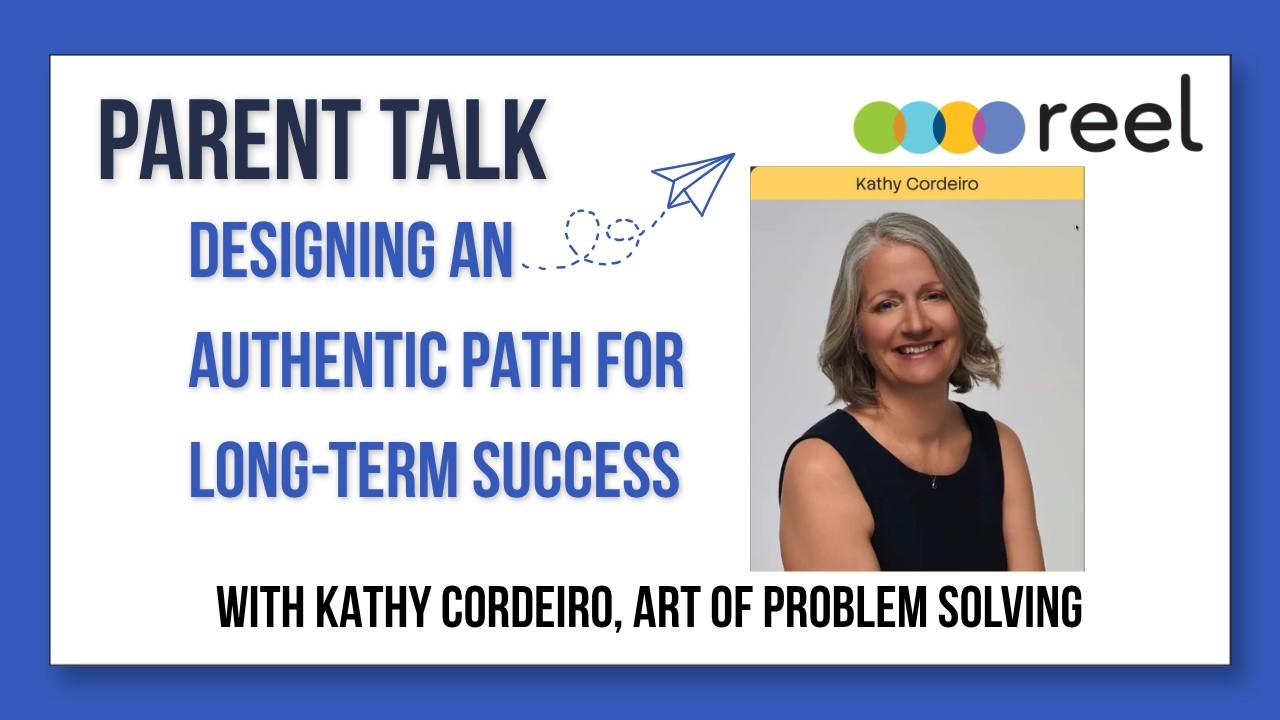
Video: Parent Talk - Designing an Authentic Path to Long-term Success
At our recent event, Kathy Cordeiro from Art of Problem Solving joined REEL to share a practical framework for helping twice-exceptional and neurodivergent learners find a path that truly fits how they think. From identifying your student's unique learning style to reframing challenges as strengths, this session offers real tools for parents and educators supporting 2e kids, including how to think about problem-solving in the age of AI.
Sep 17
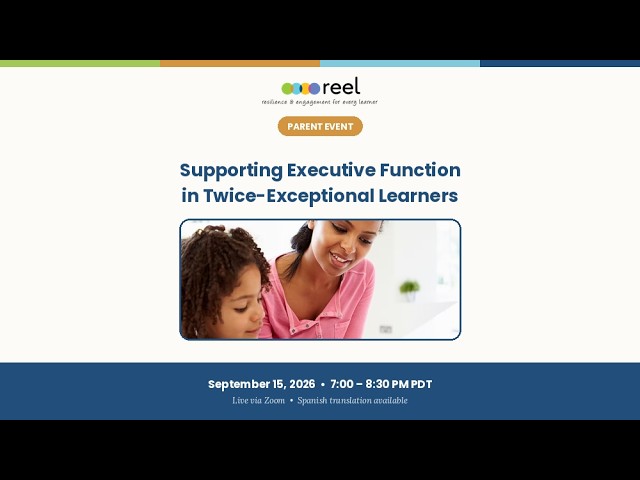
Video: Supporting Executive Function in Twice-Exceptional Learners
REEL hosted a panel with three executive function experts, Mason Tudor, Maxwell Greenberg, and Presh, covering practical, real-world strategies for supporting 2e kids with executive function challenges, big emotions, and building independence.
Sep 16

Video: Parent Talk - Back to School
REEL's Back to School parent session headed by Teresa Nair covers practical tools to set your twice-exceptional (2e) or neurodivergent child up for a strong school year. Teresa walks through the "Whole Child Snapshot," a strength-based language cheat sheet, self-advocacy scripts, and easy ways to introduce your child's needs to a new teacher, plus resources on executive function, field trips, and getting evaluated for 2e. Free resources, events, and community support availabl
Sep 11
bottom of page