SEARCH RESULTS
Search this site
243 results found with an empty search
- The DEAR REEL Model: Developing Connections
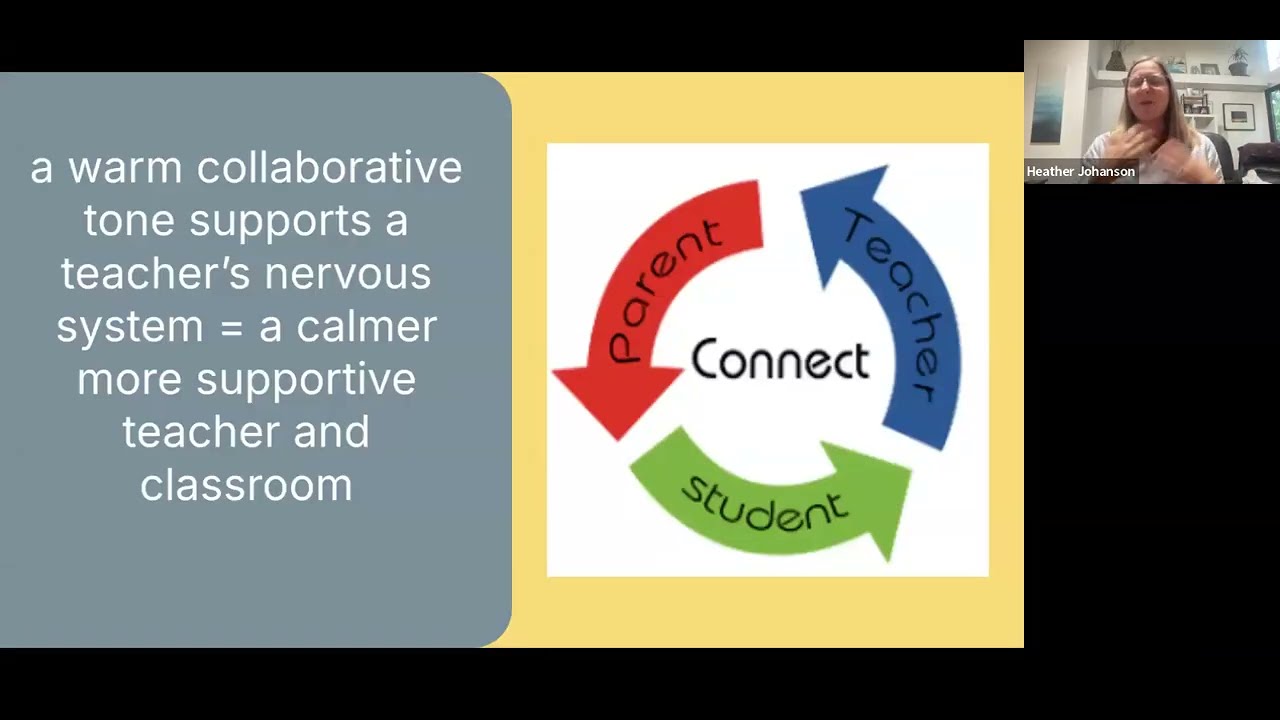
Our DEAR REEL model is based on academic research and best practices from experienced educators about what works for these learners. The DEAR REEL model consists of four lenses: Develop Connection, Embrace Flexibility, Attend to Strengths and Reframe Behaviors. This video discusses the portion regarding developing connections. Download our whitepaper to learn more about each lens of the DEAR REEL model, including an overview and definitions; personal stories and examples; suggested articles, books, blog posts, podcasts and videos; and additional online resources. We also include detailed lists of practical suggestions by grade level for elementary, middle, and high school. Read the transcript here Did you know that having a classroom where students feel seen, heard, and valued is critical to the success of neurodivergent students? When connections are developed in the classroom, neurodivergent students feel psychologically safe, enabling them to participate fully, ask for support, and take risks to learn and grow. What does it mean to “Develop Connection”? It means intentionally creating a culture of belonging where students feel valued and understood. When connections are built intentionally, students are more likely to engage in the learning process joyfully. C onnection in the classroom can lead to increased motivation and engagement and, ultimately, academic success. Developing connection relies on a mindset of curiosity about all students, but especially those who are neurodivergent. Educators who prioritize connection: Support students through a neurodiversity-affirming lens Are curious and try new strategies Are mindful about their approachability Center student interest & identity Teachers can start by asking themselves, “How does this kid’s battery work? What charges them up? What drains them? What sustains them?” There are many potential strategies to develop connection with students that can be adapted to meet developmental needs at every grade level. Examples include attending school-wide activities to get to know students outside of the academic environment; modeling mistake-making so students know that mistakes are a natural part of learning and growing; intentionally getting to know students using purposeful activities; and creating time for check-ins with struggling students to connect authentically and positively. Connection-building strengthens trust and belonging at every stage. Neurodiversity-affirming connections are developed by fostering curiosity and understanding, encouraging honest conversations, nurturing peer relationships, and creating welcoming spaces for all learners. By developing connections with their students, educators lay the groundwork for joyful learning, mutual respect, and authentic engagement in the classroom—making it a place where everyone thrives.
- Strength Based Scaffolding for Executive Function Skills
You've probably heard the term "scaffolding" in discussions about neurodiversity, neurodivergent profiles, and twice-exceptionality. But what exactly is it, and how can it be applied effectively? In this video, we dive into the practical side of scaffolding, showing you that you're likely already using these supportive techniques in your daily life! We explore how to enhance your scaffolding by adopting a strengths-based approach, focusing on your child's unique abilities to create tailored accessibility. Watch to learn what scaffolding looks like in everyday situations (with a relatable example of teaching a child to bike to school!). How to shift your focus from perceived "abilities" to accessibility and support. Creative ways to leverage your child's strengths (like art or storytelling) to make learning and new experiences more engaging and effective. Why scaffolding is unique for twice-exceptional (2e) individuals and their asynchronous development. Tips for understanding when more or less support might be needed. Scaffolding isn't about doing everything for your child; it's about providing the right amount of support at the right time, then gradually removing it as their confidence and independence grow. It's a journey that's different for every child, but incredibly powerful when approached with understanding and creativity. Read more here: EF Function Cheat Sheet Executive Function in 2e Learners (Video) EF Strengths & Struggles Map Expand Here to Read the Video Transcript Hi, I'm Teresa from REEL. One of the things you probably often hear about when discussing neurodiversity, neurodivergent profiles, and twice exceptionality would be scaffolding. In another video, we talk a little bit about what is scaffolding and how it's important. In this video, I wanted to let you know that you're probably already doing it. One of the ways we can focus it, however, is making it a strength-based approach. So it's not about whether or not your child has the ability per se. That's part of it as their brains develop and grow, but the big part of it is accessibility. And this will change over time. But the idea is...Let me use an example from one of our small group facilitated discussions. The mother of this child really needed their kiddo to ride their school—to bike, ride their bike to school in the morning. This was something that would be very helpful. She was a single mom with multiple children, and she wanted her oldest, who was in late elementary school, to ride his bike. What she told us was a great story of scaffolding. She started out by following him very closely for the 1st couple days, and then, as the time went on, she slowly fell back a little bit on her bike, watched him from afar, but still continued to remind him of the stops that were coming up early. Continued to tell him less and less about making sure to look left and right and left again, identifying cars. The scaffolding was put in place. And she stayed close for a while, and then slowly that scaffolding came off, while her child became more and more confident with his ride to school. So what does this look like in a strength-based idea? Wow! Knowing your child's strength can help you tailor more accessibility, can help you figure out different on-ramps for your child in a similar situation. So let's say one of your child's strengths is that they're a great artist . So , maybe you guys start with a map first before having your child ride to school. Sit down with your child and work on drawing a map. Work on making big red stop signs and street names, and how they would get there, and things like that, and then start the biking route. Maybe your child needs more of a long-term memory input. So you start by slower walks, shorter walks and then work your way towards making sure that they enjoy the full walk together before you even get on your bike, so that the route is there stuck in their memory, and they have an opportunity to walk it, feel it and experience it, using their strength. Another might be that they have a strength in storytelling. This could be something fun also, so that the route becomes part of a fantasy tale, and they learn the route, they experience the route. They understand the complexity or where the map needs to go, because it's part of their story, and each time they ride to school they get to tell this wonderful story in their head about how they need to stop and identify the dangers and make sure that they pass by the magic cottage which happens to be their best friend's house. So, taking the same situation and finding what it is that works as far as scaffolding can be something that you do, and everybody does a little bit differently for their child, because we're going to lean into our unique and special children. So what are their strengths? What do you hope to accomplish as a family, and take one small thing and work on it together in a positive and sometimes fun way. That's how scaffolding works. As you put the structure around, then you can slowly begin to take it away as they ride their adventure to school, living their story in grand excitement every morning. So please know that scaffolding is different, and it's different for our twice exceptional kiddos and their asynchronous profiles. But it's possible. It'll take time, and it'll be different depending on the circumstances. Remember there are some days when you need more support, and there will be some days when our kiddos need more support. So take care of each other, support each other, and good luck with making it accessible in a different way. Please join our community. Real has many more resources, and you are not alone. Thanks for joining us.
- Social Skills & the 2e Child
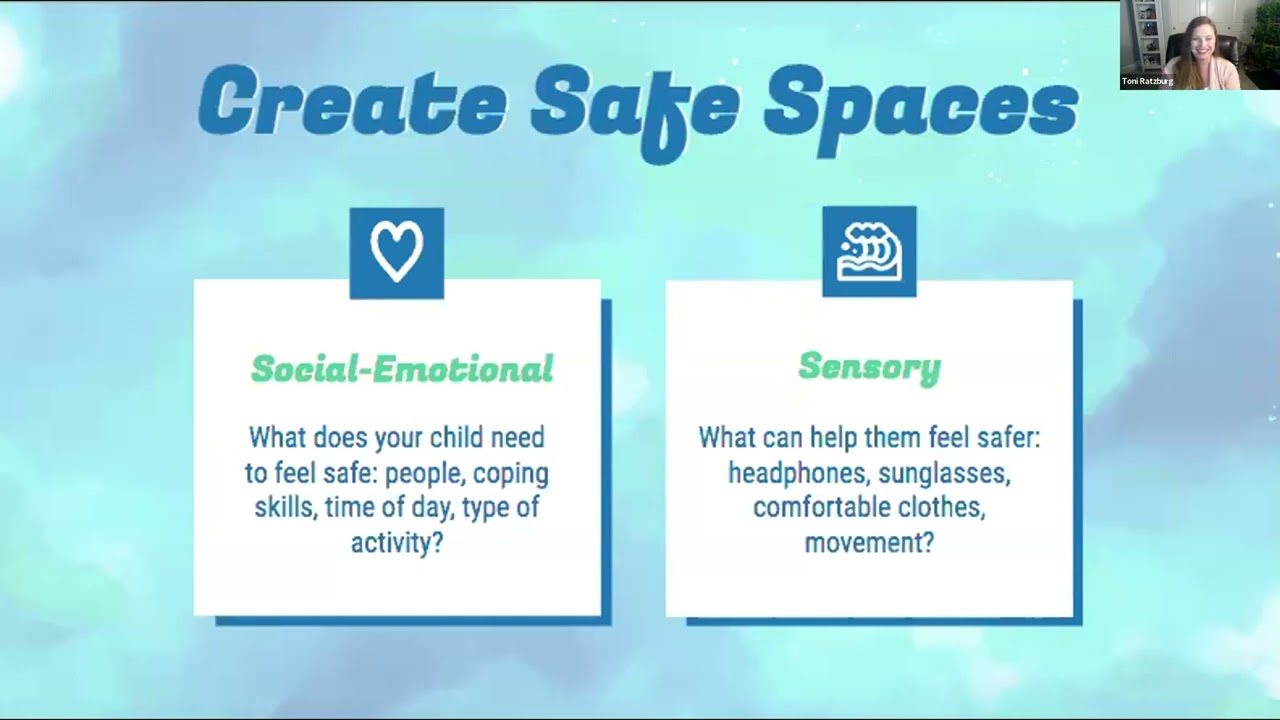
M Social skills and social anxiety rank as a top concern for parents of 2e learners. Parents worry their child doesn’t have enough friends, doesn’t attend enough social events, or only engages socially online. Parents wonder if they should place their kids in a social skills class and/or schedule social activities for their children. Or maybe the 2e learner has asked their parents for support in making friends, but the parents aren’t sure where to start or how to support the process. Some 2e adults vociferously object to social skills classes for kids. What’s a parent to do? Listen as three experts discussed these complex challenges across the K-12 age range: Toni Ratzburg of Beacon Wellness addressed elementary age social skills building blocks; Doug Ronning of Gamescape Center talked about how D&D, LARP, and other role play games can be used for social experiences and coaching in an enjoyable, real-time way; and Dr. Hadley McGregor focused on social skills strategies for older adolescents and young adults, drawing on her extensive experience including with the PEERS evidence-based program and her clinical practice. Explore ways to support your 2e learner—and yourself—on their social journey. Read the transcript here Talk about the help and later in November we're also going to have a session about working memory and the 2E learner so we hope you can join us for some of those events as well and RSVP on our website. And just so you know Real provides additional services, we have a Google group where parents ask questions and support each other and share resources for 2E students. You can get all the information we've mentioned here on our website, you can also follow us on Facebook and Twitter and all of our previous sessions are available to watch on YouTube. And just so all of you know we also offer educator professional development workshops. If you would like Real to come speak at your school please share us with your principal, your teacher or your district and we'd be happy to speak on a wide variety of topics related to 2E. So tonight we are very excited to have three amazing speakers here to talk about social skills and 2E students. We're going to have them each do about a 10-minute presentation and after which we will take Q&A from the audience. If during the presentations you think of questions feel free to add them in the chat and we will get to them when all the speakers have finished talking. So first we are going to have Tony Ratzbergsbee. Tony is a marriage and family therapist specializing in gifted and 2E children and families. She is the founder of Beacon Wellness Team, a therapy group that provides specialized counseling and therapy for gifted and 2E individuals. She created a unique training program to coach the next generation of mental health professionals in truly understanding the needs of our gifted and 2E community. Tony has worked at private and public schools for many years and now provides training and coaching for SEL programs to schools in the Bay Area. She is the parent of two gifted elementary age children, one 2E. Hey, great, Tony. Thank you everyone. I need to share my screen so give me just one moment to get that going. Okay, can everyone see it okay? Yes, okay, perfect. So thank you so much. I heard the word excited a couple times and I am, I'm so excited to be here tonight and just like others are this is really exciting to see so many people interested in this topic. And as I was going through and planning it it was amazing how many natural everyday things made me think I want to include that or oh that makes me think about this and so it's a timely conversation that we're having tonight. And as a parent of two elementary school kids I can tell you I know there's amazing influence we can have at this time but it's also completely overwhelming in others. For example if you were to Google like how do we help social skills, how do we help support our kids, you start getting image after image and blog after blog and it can just be like what do I even do and then you add in the twice exceptionality of our children and it can be overwhelming. We know that they're searching for so much and they're trying so hard. I'm sorry I'm getting a little feedback, there we go. But one of the things that comes up too is that as we talk about these social experiences our own experiences come into it. Every conversation I've had with an adult about social skills it's like I want them to have what I have or I want them to avoid what I went through and so it's hard on parents and I just want to take a moment to recognize that. And as I was creating what I wanted to share with you tonight I thought of what would a parent want to hear right, so not just what are skills to teach them but just kind of a game plan where do we go from here. And so talking about what your role is as a parent of an elementary child it's really to ensure that they feel respected in your family and that their inherent worth as a human is valued, like that's game one, number number one. And then after that how do you respectfully help coach them and how do you teach them skills and remember that they are still children and they're learning to regulate through your guidance and practicing overcoming challenges with you providing safety. So there's six sections here I'm going to jump into today that can help you in doing that. So the first is leaning into your child really honoring who they are and what they want in life and I recommend that you get so familiar with your child, know their likes, know their dislikes, what are their skills, what are their challenges, what are their diagnoses and what is giftedness, try to get dive deep get to know them and spend as much time as you can talking with them and creating an environment at home that's safe. Our society doesn't talk about challenges, we like to hide it but what we do know is when we don't talk about it it leads to questions, it leads to anxiety or kind of this restless feeling of what's going on. And our 2E kiddos they can feel really uncomfortable, they can create, have anxiety come up because they feel misunderstood. If we talk to them not only about what they're going through but what maybe others are going through it can calm it down and it can really be reassuring for them. So as you're leaning into your child you also lean into your family, talk about everybody, talk with everyone, you know obviously you want to be respectful of you know privacy between the siblings and things like that. But if you have a child who stims the sibling may really benefit from understanding what's going on and how that's helping their sibling or if one of your child has slow processing speed they might really benefit from saying hey you know this is what this impacts your conversations like and then they're armed with knowledge and they're curious and they're very compassionate. If we model acceptance they get to be children and be loving and supportive and so that's something you can do leaning in. Related to this is to really get to know your child is to give them the why behind something. If you want them to share with you, if you want them to do an experience not only talking about that experience but talk about why that's important and this is also a good tip for like homework or rule following, healthy behavior things like that, give them the why, why does this matter and then find out what their perspective is on it. Because if you're encouraging them to go do something new and they go oh yeah that makes sense I should do it but I'm nervous about it your response as a parent is completely different than if they come to you and say nope I don't share that value with you mom and so you get to know them, you know how to have those conversations, you know what you can do. And then creating safe spaces, this might seem kind of obvious but it's so easy to rush our kids into a situation and so when you're thinking about what are you doing for them if you want them to take a risk make it safe. You can think about a time you were doing something new or you were asked to do something you're feeling uncomfortable about it, if you imagine you know having good rest you're feeling healthy you're feeling calm you're gonna present in one way, if you're nervous if you're lack of sleep or maybe you're not feeling sick it's going to go a different way. So think about that with your children, is you want to set them up for success, help them feel safe, have that solid foundation so they don't have to worry about those things. This might be having a safe person, might be having sensory tools like noise canceling headphones, it might be as simple as making sure they have a hoodie or they know when to take that hoodie off but just thinking about that with that lens can make a space really safe. When you're trying new things and putting them into new spaces think about going small, you don't have to take a leap, if they're anxious in social situations don't jump to a week-long. Well so sexual education is really important and dating and things like that and so I can understand why anxiety would come up now of just like how to get them to play or interact with others and I think just having those conversations is important. When it comes to conversations it can be hard because sometimes our kids shut us down and they're not going to talk to a parent about what we want to talk to them about and so I think finding someone it doesn't even have to be a professional right, like it can be and that can be someone in their corner but maybe it's a grandparent or it's a family friend that you trust and you can give them total freedom to have time with that person. It's hard as a parent because we want them to come to us but sometimes someone outside of it can make a big difference. Abby I think did you say that you saw some questions that you were gonna ask? Um yes okay I have one here that says I'd love to know whether my child's challenge and accepting responsibility for hurtful actions is something that's common with 2E kids and if so or can you just speak a little bit more about that that idea of accepting a responsibility. And I see another related one plus one for hurting people with words as a defense and then digging into the position as defense times ten. That was me and I wonder if I can say a tiny bit more about it, hi I'm so glad to be here, is that okay? Yes so my what I notice about my child she's ten and is that if she makes a mistake or if somebody even speaks to her in a tone that is not even necessarily harsh but is firm or even just serious she takes it really really deep to heart. Or you know she makes a mistake and she's you know there's a there's a consequence or somebody has a has a response to that, you know if she's hurtful sometimes and you know a friend, Casey is your daughter what did your daughter? Autism, ADHD, dyslexia? Oh she's only ever been diagnosed with sensory processing difference when she was really young. She's in a school for gifted learners, you know she's got like a photographic memory, you know I'm just sort of new to this 2E category and I'm trying to understand because my child's having some social issues at school. She has issues with her teachers, you know she gets really upset sometimes when you know when they set limits with her and it's as if she had this like deep deep shame that she's trying to manage or and I just you know I don't think it's a parenting thing you know. So we have a couple of people, someone says my 17 year old is waving his hand as in me too for being very sensitive to tones or harsh limits. And I just I just put in the chat something about rejection sensitivity dysphoria but I don't I am not an expert I just play one on the internet so let's say are panelists. Yes I work with rejection sensitivity dysphoria a lot and I think it's it's pretty common among neurodivergent folks particularly kids with ADHD we'll see it a lot. And I also saw the comment about bullying which I think is but I want to say about the bullying it can be really reparative to have kids just being accepting and so then again finding a group where your kid is you can have a reparative experience and recognize and not cast that wide net of bullying can be really valuable. But in rejection, working with rejection sensitivity dysphoria honoring what the person's experience is and then really helping them to again in an empathy building way what could be of the reasons that this this person may have said this. Now recognizing that if they're dealing with a bully or dealing with somebody that that could be a real right we don't want to just discount their feelings but if if they're when they're telling the story clearly the the the experience could be interpreted in a number of different ways helping them to because I think of rejection sensitivity dysphoria as being a fixed mindset and then moving more towards a growth mindset just in terms of how they're hearing other people when they're expressing discomfort or other experiences that then may feel like there it's a rejection. I love you Tony anyone want to have the you guys want to have your last words because we're we're at 8:30. So I I think we were both kind of waiting for each other do you want to go next or would you like me to? Oh yeah I know I zoom makes it like zoom social skills are so hard it's like so hard no I'm all you Tony go ahead. You know I was thinking about this is arming the child with information and helping them with perspective taking and so validating as Doug said validate what they're feeling validate what they go through and then be curious about what the other person is going through. And sometimes like when I was at a school I could know different people or know the different situation I could you know have you noticed that maybe that's the sound of their voice all the time right like or there might be something they were picking up that really wasn't that different but they were so sensitive to it they could get just something a little bit there. Or we could you know talk about well what if you know they had a really bad night's sleep last night and so they're a little more sensitive in their tone of voice and we would kind of brainstorm what could be all these other things and in that could also be like what if they really were frustrated with you and what does that mean and just try to get them thinking about it and being curious about not only themselves but the other person as well. We kind of normalize that everybody is going through things and everybody feels things. Yeah totally agree I mean I think just that perspective taking is really important and I I think just building that over time in a in a compassionate way where people can feel like they're not kind of being pointed out of like these are your deficits like how did you not see this or like can you not see this but really just kind of asking. I think I I can think of many times where I've been working with kids and I just say how I feel like that really hurt my feelings and I think just like being very honest of like kind of hurt my feelings and and having that conversation just compassionately. Thank you everyone since we are at 8:30 and I know there's more questions in the chat. You can always email Abby or yeah or me or Cali at Real2E.org and then we can get in touch with our experts to get you any answers that we missed. And this recording will be made available so you can watch it again and send it to friends and we thank you all so much for coming. And thank you so much to our experts I learned so much I'm sure you all did too and it was a very encouraging conversation. I feel like I have things that I can go try now so thank you all so much. Thank you, thank you everyone, thank you.
- Reduce Power Struggles With Your 2e Kid
Do you feel stuck in negotiations and power struggles with your twice-exceptional kid? Are daily tasks a battle or a grind? Do you want to feel like you and your kid are on the same team instead of opposing forces? In this talk, Dr. Danika Maddocks will explain why power struggles are so common with twice-exceptional kids and she’ll help you approach these dynamics from a new perspective. She’ll share three powerful, practical strategies to prevent and defuse power struggles - plus real-life examples to help you apply these strategies to your particular family situation. Read the transcript here Welcome everyone. We're so excited tonight to have Dr. Danica Madocks here to talk about reducing power struggles with your 2E kids. This was one of the top topics that you guys selected and last year's parent survey and actually Kelly we could put in the survey for this year too. So in case you're not familiar with Real, we are a nonprofit and we strive to ensure that Silicon Valley twice exceptional students thrive at school by raising parent and educator awareness of an understanding of practical research-based strategies to address their needs successfully. If you're here, you probably know what twice exceptionality is, but we will just talk about how we see it. Twice exceptional students have both distinguishing strengths, high abilities or potential, and at the same time complex challenges such as autism, ADHD, dyslexia, anxiety, and others. And we think of them as being green because the strengths and complex challenges are there at the same time, which can make them a challenge at school in order to support both of these sides simultaneously. Real has a lot of recordings of previous events, blog posts, white papers and a lot of information, all categorized for you by topic on our topic tool at Real2E.org. So please visit our website and learn about school selection, anxiety, and many other interesting topics. We are wrapping up this school year's events. This is our last one for this year, but you can see the recordings on YouTube of all our previous events. We will continue to have our bimonthly parent support group which you can also register for on our website, and shortly we will be announcing our fall lineup. Real is also part of this amazing new neurodiversity speaker series and tomorrow evening David Flink is going to be speaking about the power of mentorship. There have been many other fascinating speakers and more to come in the fall. You can visit Neurodiversity Speaker Series dot org to sign up for these talks. And if you'd like additional resources and support, we do have a private Google group for Real members where people ask and answer each other's questions and ask about resources, of which you can sign up for. We also are on Facebook, Twitter, Instagram, and our previous recordings are all on YouTube. Real recently released a white paper that's available on our website, which is a model for schools with our 4 petals: developing connection, embracing flexibility, attending to strengths, and reframing behaviors. This white paper includes stories of real students in the classroom and how these petals help support them as well as specific practical strategies. So we hope that you will download it and share it with educators in your life. We also have a free 46 page guide to twice exceptionality and IEPs for California, although most of it's applicable anywhere, which you can download on our website to get a lot of tips. I know May is IEP season for many people, so hopefully you'll find this helpful. And we are so lucky to have Danica Maddox here today. I'll introduce her in a moment, but before we do that, I would love to ask you all, we're going to try something new that I haven't tried yet, so hopefully it works. We want to ask you what power struggles you are facing right now. So you can go to Menti.com and type in this code to type in your responses and you can also use this QR code if you have your phone handy. They will appear on the screen live as you type them, so please go ahead and let's see some of your power struggles. I'm gonna try it on my phone too. If anyone's having struggles, just let us know. Oh, I'm seeing some. Welcome to everyone who's just joining us. We are working on this Menti word cloud. Give you guys another minute. I see homework is a big one. Bedtime, video games is big. Getting them in the bath, yep, that's one in our house too. It's getting them in the bath and then getting them out of it. Thank you all for typing these in. I love watching this grow live. This is really cool. Getting them to eat nutritious food, yes, also plus one. Danica, feel free to chime in if you'd like. You know, this is great, it's great to see these. And if you'd like, would you like to start jumping in or do you want me to try the school ones? I think, let's go, this is good. Why don't we jump in? This is really helpful and it's good because I use bedtime as an example, because the parents I work with usually the morning routine and the bedtime routine are common sources of power struggle. So there'll be some examples in the talk and then the principles would apply to kind of all of the things that I saw on there. So, but that was really helpful to see what's on everyone's mind right now, I would say. So let me share my slides here. I'll put these into presentation mode. Oh sure, yeah, go for it. If you like, I can do your quick intro before you start. Alright, so Dr. Danica Maddox is founder of the Gifted Learning Lab where she helps parents feel more confident raising their intense gifted and twice exceptional kids. Danica has supported gifted and twice exceptional families for over 15 years as a teacher, researcher, therapist, and parent coach. Danica has a PhD in school psychology from the University of Texas at Austin and an MA in developmental psychology from San Francisco State University. As a former gifted kid who's raising an intense gifted preschooler, Danica is on a mission to make parents' lives easier so gifted and twice exceptional families can thrive. So we very much appreciate that. Thank you, thanks for the intro, that's great. So as you all know, we're talking about reducing power struggles with your 2E kid. And they shouldn't be hard for you and us being like, it is hard for me, it can't be hard for you, you're grown up, you know, this kind of struggle. And that a lot of times families find themselves in that power struggle where the parents are kind of the stand-in, and like as the parents we hold a lot of that anxiety and pressure from society and we can bring it to our interactions with our kids where we're afraid for them, kind of like you have to be able to do these things, society says this, and the kids like no I don't, that doesn't work for me. It's great and that's why I think the neurodiversity paradigm can be helpful because it can help us see like hey, society's expectations are unreasonable, they're not for us really, they're not a great fit, right, our brains work differently. We need something different and then you can be like a team fighting against neurotypical society instead of just kind of fighting against each other. So for that kid and for any kid I think who's struggling with like an internal power struggle or feeling stuck on things or thinking like I should be able to do this, I think understanding their brain and how their brain works in a way that's not shaming, that's like all brains are different, here's what's cool about your brain, here's how your brain works best, can help reduce that over time. It's like not a quick fix, but I think it can give them a more compassionate framework than society is going to give them. Makes sense. I really love that. I love being a team together against the society. Yeah, yeah. So I think we are at the end. There are so many more questions. Well, okay, I'll do one more teenager one and then we'll wrap up. Sure. My teenager doesn't have hobbies or pursue interests. She says she wants to learn to drive but doesn't pursue it or yoga, etc. You know, she's like, I'm not sure if this is about overwhelm or getting started or I think we had some other pre-submitted questions about motivation. Yeah, yeah, I think, again, these are ones that it's like, it's hard to answer without knowing more information, but one idea that I haven't talked about that might be helpful is declarative language and I didn't put this link for the Real team, but there's like a declarative language handbook. Sure, what we can do, Google it, you can find it by Linda K Murphy and she's been interviewed on podcasts like the neurodiversity podcast and stuff too. Declarative language is just this idea of trying to use declarative language versus imperative language. So imperative language tells the kid to do something, right, sort of like telling the kid what to do or asking them questions and kind of expecting a response. Whereas declarative language is more just like offering information or observations about the situation, the abilities or your own internal thing. And I like Linda K Murphy says, in declarative language, you focus on giving instead of getting. So you focus on giving your kid all the information they need to kind of make their own decision about what they want to do versus focusing on trying to get them to do something. So if there's a concern like, oh, my kid, like she wants to learn to drive, but she doesn't pursue it or yoga or whatever, right, and you're even kinda wondering, like you have some ideas of what it could be, is it overwhelm, is it getting started. You could say something like, you know, I've heard you say you want to learn to drive and I can also see that like it's hard to get started, right, or like, and I'm wondering if there's any way that I could be helpful to you about that or like I'm available if you want that, right? Or be like, oh, you want to learn to drive, there's so many parts to that it can feel overwhelming, there's lots of different steps and like I'm happy to give you more information if you want. Or, you know, this kind of offering, or even sometimes if you want to brainstorm with your kid, like your kid might know what it's about or maybe able to share some insights into like here's why I'm not, like I do want to drive and here's why I'm not. But if you say like hey I know you wanna learn to drive but you haven't what's going on it may be like leave me alone right, but if you're like hey I saw you like you said you want to learn to drive but I know that you haven't started and like I'm just really curious about like what's going on and if there's any way I could help, it's like an invitation and then your kid might be able to say like, oh, it's this thing or it's that thing and you might be able to work together. So sometimes declarative language can be helpful. I think of it as just even like just dropping little descriptions, like you don't even have to have the conversation, then you could just be like I've been thinking about how you said you wanted to learn to drive. You might just say that like over breakfast, right, and just leave it and then let your kid maybe come back to you. So, and just giving plenty of processing time for those types of things that can sometimes create, make it easier for our kids to talk to us, I think. I've been wondering about this reminds me a lot of when the kids were little and we were told to just leave things around the house. Yeah, yeah, exactly, just leave toys out and see what they, you know. Exactly, yeah, and that concept is called like strewing in the home school and like the unschooling and, yeah, a lot of folks find that with their PDA kids, that's really helpful. This driving pamphlet. Yeah, right, where it's like, oh, here's this thing, yeah, exactly, right. Or you could be like, oh man, I remember when I learned to drive, you know, and they were like, oh, like I could tell you stories if you want to hear. Kids love to hear the things we've messed up or that were hard for us, so you could start with that to normalize it too. Okay. So yeah. Love it. Danica, thank you so much, that has had so many amazing practical tips. I really feel like I have tools to try tomorrow, so really appreciate it. I'm so glad, I'm glad to hear that, it's my pleasure, I was really excited to talk about it with you all. Thank you, and I put all the links in the chat so you can get a hold of Danica and join her coaching group and get her slides. And we hope to see you at a future Real event. There's a neurodiversity speaker series tomorrow night, and so...
- Organizing for Back to School for 2e / Neurodivergent Learners
At the July 2025 PHP REEL Support Group, Leisa, a 2e/neurodivergent parent and professional from Calm in Chaos Co who specializes in organizing spaces for neurodivergent brains and lifestyles, spoke about organizing for back to school. She follows a “strengths-based” philosophy. "What strengths do I have and how can I use my strengths and awareness of struggles to organize our spaces to work for us?" She offered great tips like, “take sensory sensitivity into consideration when designing your study space." "What kind of seating options does your ADHD child have (a variety)?" "Is the lighting comfortable?" "Start small." Read the transcript here Okay, there we go. So, a little bit about me. Um, I am a mom of two kids who have ADHD. I have ADHD. My husband has ADHD. Both my brother and sister have been diagnosed with ADHD ADHD and we have a variety of anxiety and um sort of co-diagnosis autism in there with all of us as well. So I think we definitely fall in the 2E category. I have been an entrepreneur and I have been involved with community building for moms since about 2008. So when I think about, you know, organizing, it's hard to think about like why would we organize um for neurodivergent populations, there's so many other things that we're dealing with. So many like really challenging basic things. I'm seeing lots of things about, you know, school refusal. Um and so it's hard to kind of think about, well, what does it matter how neat the bookshelf is, right? But there's a lot of studies that are coming out that are showing that if you reduce um baseline stimulation and anxiety that it improves general outcomes for neurodivergent folks. So in other words, if they if we feel less challenged by our immediate surroundings, we have more resources to spend on things that are actually fulfilling and interesting and we can use these amazing minds and special skills for amazing things rather than, you know, drowning in mail or feeling overwhelmed by um our study space. So what is organizing for neurode divergent minds? Um, I think, sorry, I'm struggling here with my notes. For me, it's creating systems and spaces that reduce stress, um, support the challenge areas, and really leverage the unique strengths. So a lot of typical organizing strategies with you know pretty boxes and labels that may not work for neurode divergent um populations and that can really feel like a failure. You know all these people are telling you to fold your shirts in a different way and you can't even get your shirts into the drawer. So um really being able to look at something that's tailored for people whose brains work differently and and that can mean a lot of different things. ADHD, autism, sensory processing challenges. Um there's a lot of different flavors of neurode divergence, but for me it in doing my research, it looks like there's a lot of crossover in terms of sensory needs and um executive function challenges that are common in these populations. So I've been helping family and friends do this for a lot of time and I've done a lot of thinking and researching about this. Um, I have started a business doing this, but I'm coming here today as a mom and um, sharing experiences of what has worked with my family. And I'll also use some um, examples from clients that I've worked with as as well. So, the first thing I want to say is that there's good news and there's bad news. The bad news is I don't have the answer for you. There is not a perfect way of doing this. The good news is that there are lots of answers to this. There's a lot of right ways to do this and I really my goal is to help you learn how to identify and deploy some of that. So, we're going to start with iteration over perfection. Um, and this is the idea that there is no perfect solution. Like, how many times have you ordered that, you know, planner that is going to be the planner and now you're going to be super organized and you get all your stuff in it and then it's like, no, that wasn't it. It doesn't mean it wasn't it. it just maybe means that it stopped working for a certain reason. So, you know, really normalizing the challenges that come along with neuro neurode divergence. Um, it can be hard for ADHD kids to wake up in the morning and it's not cuz they're bad or wrong or lazy or any of that. It's just chemically can be really challenging for ADHD brains to wake up. So, how do we normalize that? you know, missing instruction during class, emotional regulation challenges. Um, that's not kids failing. That's not us failing. I certainly have challenges in some of those areas, but it's data. It's a challenge and it's some information. So, I encourage you to be a detective. Look at the data. Um, look at what they're being challenged by. Are they coming home from school and having meltdowns? Is there procrastination preventing them from homework completion? Why? what's happening, you know, find out the information. A lot of times, um, we like in my family, we talk a lot about adaptive versus maladaptive strategies, and frequently they're two sides of the same coin. You know, you hear the strengths become weaknesses overused. It's the same idea. You know, think about the fidget that, you know, helps a child focus in class, but then, you know, the clicking is too much or they start throwing it and then it becomes a distraction. We have experience with a, you know, balanced chair that became a gymnastics apparatus, right? It helped focus until then it became the distraction. Um, my son uses a drawing journal. That's his fidget in class. And it we learned a lot with that because he it would help him focus while he was drawing, but he had to be really careful about what he was drawing because if it was too interesting and exciting, then he would hyperfocus on that and not pay attention in the classroom. So really talking to him about how that strength of recognizing that the drawing was helping him pay attention then got overused and so he needs to be mindful about how he uses it. So that's an example of being a detective and really identifying those strengths. And I want to be honest, you know, for myself, for other parents that I've talked to, sometimes identifying strengths can be challenging. Not because they're not there, but the world around us is telling us that we're doing things wrong. You know, if you've got kids and you've had IEP or 504 meetings, you know, you've heard about your child's deficits and, you know, places where they're not at grade level and it can be really tempting to focus on all of that, but within those, there's a lot of strengths. So, being really able to step back and some of those clues are in some of their maladaptive strategies. So for me personally, I'm a huge procrastinator and I have been my whole life. I'm a late diagnosed ADHD and it was something I was really hard on myself about. So I really had to as I learned as I, you know, did more research, I understood that the procrastination was actually a strategy, but I was really short circuiting it because I'd start procrastinating and then tell myself, well, you're not going to get anything done today. Just forget it. But what was actually going on is I was doing what are called entry tasks. So dopamine is a challenge for ADHD. So I was doing small tasks that I could achieve and create success and create dopamine and then I would be able to do the harder tasks once I was able to focus a little bit better. So what I thought was a weakness is actually something that I've been able to leverage as a strength. So, I really encourage you to take a look at those things with kids and see use that data to um help you iterate and help you, you know, figure out how to make things a little bit easier. So, I've talked a little bit about dopamine and and it looks like from the chat that there's a lot of different um sort of experiences here and levels of experience like some kids have been diagnosed for a long time, some kids are newly diagnosed or in the diagnosis process. So, just briefly, dopamine is a reward chemical in the brain. ADHD brains specifically seek dopamine. Um, and it's there the jury's out. It's either because there's low levels or it's possibly processed differently. Um, this is why they seek novel experiences. Mundane, boring tasks are hard. But also, research is suggesting that ADHD brains don't produce the same level of dopamine after task completion. So, what that means is that, you know, you finish doing something, ADHD brains don't send the chemical to go, "Woohoo, you're done." Um, like they do with with neurotypical brains. And that can make it really hard to form regular habits. So, while consistency and routine is is um something I'm going to talk about is important, it's also something that's really challenging. So, um, being able to create dopamine rewards with music, creating novel experiences, or just by changing the routine, the iteration that I was talking about can help with the executive functioning that comes from increased dopamine production for especially ADHD. Um, I call this next one delight in design and it really speaks to the sensory um, challenges that kind of overlap a lot of the um, the diagnoses and the challenges that we're talking here. You know, do you have a particular smell that reminds you of a of a memory? You know, I was a child of the 80s, so there's some hairspray that reminds me of eighth grade homecoming. Um but for our kids, for me as well, those sensory that stimulation can be really height heightened and sensory feedback, sensory needs are generally more intense in neurode divergent individuals. So that sweater that itches for a neurode divergent kid, it doesn't just itch, it like shortcircuits their brain and means that they can't pay attention for the whole day. So, it's important to understand that that discomfort is strong. Um, and it's important to consider that in spaces. So, whether that's how the chair feels, where the light sources are, what they feel like, are they warm, are they cold, smells in the room, colors, they're all really impactful. You know, my son is very particular about which pen or pencil he uses. And not only because it, you know, decreases negative kind of sensory experiences, but it's also a dopamine source because he likes it and he likes how it feels and it makes him feel good and excited about using that pencil or pen. So, this is a really good opportunity and a good space to get your kids involved in. You know, lots of them have really strong opinions about how their space works, how their room looks. So, you know, use that and really have conversations with them about your observations and their observations about their sensory needs. So, you can start having that conversation and building that awareness in them and then iterating, you know, systems and spaces based on what you learn from that. Um, kind of piggybacking off of that is reducing friction. So, sensory needs can create friction. You know, think about how things are used. um you know, they don't like how the binder feels. The zipper gets stuck every time they try and open their binder. There's too many steps to putting clothes away. If they're having to open the drawer, fold it, and you know, do nine things before they can put the clothes away, the clothes aren't getting putting away. Um having a lid on a trash can mean the trash doesn't make it into the trash can. Same thing with laundry. So, really looking at, you know, what stops them from using systems in their room or in their spaces. Um, plan for decision fatigue. That means being required to make a lot of decisions can really tax executive function and deplete energy. Um, it can be by reducing clutter. It can be, you know, try to have a home for things, a consistent place to put things. Um, that can reduce the number of decisions that they're having to make. Um, and that can mean that they have energy to do other things. Uh I call this next one needsbased visibility. So this is something that I've observed and I think it's true for lots of populations. Um that there is some like you know time blindness and object kind of blindness. Um this comes into play especially with like study spaces, homework management, room cleanliness. You can't have all the things on the desk, right? You can't have all of the things visible in the closet. So really think prioritize the things that are on the desk or visible in the closet by the frequency of use and then split it up by things they'll seek versus things they need to see to remember that they exist. So an example of that is you know my son will seek his favorite jacket, right? He is also particular about socks. So he was just grabbing whatever socks were on top in the drawer and frequently they were not the socks. They were ones that made him crazy. So, we made a basket of socks that he loved and they are out and he can see them and he can access them quickly and then that makes a big difference in his day. Sometimes it's big, sometimes it's small. So, a quick example, you know, you come home from school, you um you have a backpack full of items, you're overwhelmed from the day, and then you have to decide where to put the backpack, where to put your shoes, what to have for snack. And that can sort of that can be it that puts them over the edge and you know some emotional regulation or challenging things happen. So having a consistent place for the backpack do the same routine unpacking the backpack every day. The lunch bag goes on the counter, the homework folder goes on the desk, but maybe you have, you know, two or three versions of this. One for the day where they're having a like I got it kind of day and they can do all the things. and then for a I don't got it and I'm totally overwhelmed kind of day and the backpack goes on the hook and you know they go off and do something else and come back to the backpack later. But there's a there's a routine and a consistency for it. In terms of study spaces, like I said, how does it feel? How does it function? Um my son wants clean spaces. My daughter likes it cozy and lots of things and, you know, smells and candles. So, really think through what that looks and feels like for them. It needs to feel inviting. And similar kind of ideas around, you know, homework and school management. Like I said, how does that binder feel? Lots of ADHD kids especially do their homework, forget to give it to their teacher. Talk through how or why that's happening. Is it a whole folder they need to give them as soon as they arrive in the classroom? you know, for middle schoolers, is it multiple folders? Um, and really kind of try and problem solve how that works. You know, is the binder pinching? Is it too loud? Like I said, does the zipper not work? All of those things can impact their ability to manage um some of these systems. So, how do you make this happen? How do you, you know, help your twoe kid become more organized? Are you I can't believe I was out cold like I woke up and I was like my mouth like open like Whoops. Somebody needs to mute. Does somebody need to mute their phone there? Okay. Um motivational interviewing techniques. You've probably learned some of these at work with reflexive listening, open-ended questions, affirming, you know, really trying to have an open conversation where you're not putting any shoulds in there. You're not judging it. You're not telling them what to do. You're talking through their thoughts about it. Maybe some awareness about their, you know, sensory needs. Um, to help them head in a direction of problem solving, especially at first, being able to minimize transitions. Um, don't don't you know change their whole room all at once. Don't expect everything to change all at the same time. Pick some things where they can have some easy quick success. Um, and it may be that the priorities you work towards the priorities, but you don't start with the priorities depending on you how manageable those things are. And then plan to maintain and scaffold them especially at first. So like if you have expectations around room cleanliness, you get the room to a certain point with their input and then every night you make a cup of tea, you play some music, you make it fun, you make it happy, and you do a 5 minute, literally 5 minute room reset. And initially you're sort of talking it through with them, you're showing them where things go. And then you're stepping back and you're letting them do more of it. It's called scaffolding. And then, you know, as they get better at it, you're maybe then just talking them through the steps and then you're stepping out of the room and you're just checking in with them every now and then, helping them have some, you know, accountability, helping them maintain a routine, and then helping them doing some problem solving and really noticing when things stop working. And then that's when you start iterating. So, um, I'm going to come back to the concrete tips if we have time. Um, so generally let's um, you know, to to wrap it up because I think I'm close here. Be a detective. Iterate. There's no perfect way to do things. Um, change things as their needs, their challenges, their strengths, the demands on them from school change. Notice when something stops working. Delay in design. Incorporate all of those sensory needs, whether it's in how their room looks or how the objects that they're using feel. Reduce the friction. Why is something not being used? Why is something not working? And then figuring out how to make that better. And then planning for decision fatigue and know that they are not going to be able to do all the things every day. And and this is an important process, right? I told you there's not going to be a perfect solution, but it's a process that you two go together. And while you are reducing baseline stress and that's the goal, there's also a really um great kind of added benefit of this is that you're helping them learn some self-awareness and self- advocacy skills which becomes important as they get older and you know we've all been in IEP meetings or a lot of us have 504 meetings and when they can speak up for their own accommodations and really recognize you know sitting in the front of a room doesn't work for me. sitting in the back of the room works for me because I need to stand up. Those become really powerful things and there those aren't things that I can know about their classroom experience. But if they're able to be aware of like this isn't working for me, this is how it feels when it doesn't work for me and here's some things that I know about myself that you know I can really leverage my strengths to make this better. Um that that is a really wonderful outcome of this. So, if we can continue to help them learn how to trust themselves and not be short circuited by the shoulds that they're experiencing all around them, I think that that's a that's an important part of this. So, this is me. Uh my fear is that, you know, I'm going to be one more should in your life. And that's really not what I want to be. Um I am constantly iterating. I am constantly not perfect. I am constantly challenged. This is my current kitchen counter. and my desk as I was getting ready for this presentation. So, I encourage you to give yourself grace. I encourage you to give yourself time and space to learn skills that you may not have that will help you scaffold for your kids. And, you know, reaching out to groups like this and um you know, parent coaches in your community can can really help. So, thank you
- Neurodiversity Celebration Week Student Panel 2025
Kick off Neurodiversity Celebration week with a lively panel discussion featuring neurodivergent young adults reflecting on their K-12 experiences. We will discuss how students' strengths helped them overcome challenges, what schools and parents can do to best support K-12 2e learners, and hear advice for students who are struggling. Siena Castellon says, "I founded Neurodiversity Celebration Week in 2018 because I wanted to change the way learning differences are perceived. As a teenager who is autistic and has ADHD, dyslexia, and dyspraxia, my experience has been that people often focus on the challenges of neurological diversity. I wanted to change the narrative and create a balanced view which focuses equally on our talents and strengths.” Read the transcript below Thank you everyone for joining us today to kick off neurodiversity celebration week with our student panel. We're so excited to have them here in case you're not familiar with real. We are a local Silicon Valley nonprofit, and we work to ensure that twice exceptional students thrive in school by raising parent and educator awareness and understanding of strategies to address their needs. And I'll go more into that in a minute. So just in case, if you're here, you're probably familiar with twice exceptionality. But just in case the definition we use is the one from the Bridges Center. and we like to think of being 2 e. As being green. So you have yellow, distinguishing strengths, high abilities or potential in one or more areas. And you can also have complex learning challenges, such as autism, dyslexia, Adhd, anxiety, or others, and you are always operating in the green, which makes 2 E students a complicated profile for educators, because they need to have both their distinguishing strengths and their complex challenges addressed at the same time. Real has a very robust website with a lot of our previous recorded talks, resources we've created on many topics that you, some of which you can see here. So please go to our site and browse for information on any of these topics. In addition, we are. This is one of our exciting keynote events, and we have another talk coming up may 7th about supporting executive functioning at home. And we also have our bi-monthly parent support group, where you can go into breakout rooms with other parents around your areas of interest and support one another. So please sign up for those, and soon we'll be releasing our fall schedule. And we are also part of a group that's running the Neurodiversity Education series. And these are a series of talks about all kinds of things related to neurodiversity. And we're very excited to announce that Emily Kircher Morris, who's very well known for her books and support, is going to be speaking about managing all the fields on March 19, th coming up soon, so you can sign up for that on their website. Real also has a private Google group with hundreds of local parents. You can sign up to ask questions and get advice and suggestions. We're also on Facebook, Instagram, Linkedin and all of our previous recordings are on Youtube. So you're welcome to follow us on any of those. And I'll put those links in the chat in a minute. Real also does educator workshops using our dear, real model. We talk about the importance of flexibility, strengths, reframing behaviors and developing connection with our educators. So if you'd like to bring us to your school, we've worked with dozens of local bay area schools to do neurodiversity simulations and other workshops about any two-year neurodiversity topics. We also have developed a 46 page Iep guide that's available for free on our website about Iep, specifically for twice exceptional students, although it is designed for the California Bay area, a lot of it is applicable anywhere. Twice exceptional students often have trouble getting ieps in school. So this is a guide to help you understand that process. So this is Neurodiversity celebration Week, which was started by a student named Sienna Castellan, who founded it because she wanted to change the way learning differences were perceived. She is autistic, has Adhd dyslexia and dyspraxia, and she says everyone always was focusing on her challenges, and she wanted to change the narrative and also talk about strengths and talents. So the neurodiversity celebration week website has all kinds of talks, resources, ways. Your school can join and sign up posters. You can put around all kinds of amazing things so highly recommend visiting their website and recommending it to your school and or attending some of their talks. I'll put these links in the chat, but we have some ways that you can celebrate neurodiversity celebration week by bringing these resources to your schools. A list of books that your school, library or classroom library might want to carry resources you can share with your educators, etc. And I'd love now to give it to Praveen our moderator for today and introduce you to Ella Reese, Amishi, Lucy Kash, and Ila, who are a combination of high schoolers and college students and recent graduates to give you their perspective. On K. 12. So Hi, my name is Praveen. I am currently a junior at Los Gatos High School here in the Bay area. I've been really involved with neurodiversity advocacy. Since I was really young, as I have an elder sister who has autism. And I've really been fascinated in trying to navigate how neurodiversity. Advocacy can lead to better rights and opportunities for neurodiverse people. I was a part of Stanford's neurodiversity project their 2023 S. And P. Reach summer camp, and I'm continuing to pursue that in their Stanford the Nea program, which is a K. Through 12 educational advocacy as well. I'm super excited for this talk, and my hobbies are playing soccer piano and spending time outdoors with my family. And so now I'm going to hand the mic over to Ella to introduce herself. as well. Hi, I'm Ella. I'm currently a sophomore in the Bay Area. I have autism, and I enjoy reading, writing, drawing, and humanities focused courses. I'm proud to be part of this meeting and to have worked with neurodiverse organizations in the past, and I'm glad to be willing to answer any questions in the foreseeable future. I pass this talk along to Reese, who is also nice. Hi, thank you, Ella. I'm Reese Langdon. I'm a senior at the college preparatory school in Oakland, California. I would say I'm a passionate advocate for neurodiversity, both for myself and for others. Like Praveen and Ella. I am a part of Stanford's neurodiversity network for education and advocacy. I lead the social media subcommittee, and, as Ella said, I'd be happy to answer any questions, and in my free time I love listening and playing, music, exploring, fashion, writing and swimming. Thank you so much, Reese. Handing the mic over to Emmacy. Hi, I'm a freshman at Johns Hopkins University, and I'm planning on majoring in cognitive science. I was diagnosed in 6th or 7th grade with Adhd, and more recently with hypermobile Ehlers-danlos syndrome, which is a connective tissue disorder that shares some of the similar genetic markers. A year ago I created a prototype for a game simulating Adhd in a school setting with the goal of helping develop empathy in the wider audience for neurodiverse students. And I plan on developing that further in the future. I love to draw and write. And I'm currently working on a very self-indulgent novel. Thank you so much. Amnesty. Lucy, you want to go next. Yeah. My name is Lucy. I was diagnosed with autism when I was 18, and it explained a lot. I started college and was really interested in how autistic and neurodivergent people learn. So I started a tutoring business working with neurodivergent students, ages K, through 12. That's not really ages. I am hoping to go to grad school, study cognitive psychology and do formal research in this area. In my free time I run around with my dog, who is about as clumsy as I am. So it's really funny. She's currently flailing on the couch. Thank you so much, Lucy. Kash, do you want to go next. Sure. Hi! I'm kosh I am currently a 1st year undergraduate at New York University. Before that I was in high School in California, in Palo Alto, California, at Kajila, Jewish High School. And I am currently studying music specifically classical composition. And so I really want to raise awareness both of neuroatypical people in music and of music, in the community of twice exceptional people where it's often overlooked. I'm excited to share my perspective on being neurodiverse in the creative field and in my spare time I'm a writer, and I make constructed languages. Thank you so much. Kash. And then last, but not least, Ella. Yeah. Hi, my name is Ila Perinkulum, and I am a second year college student at Santa Clara University. And I am currently studying neuroscience with a minor in religion. I have been working with the neurodiverse diversity community since sophomore, my sophomore year of high school. And I'm also a neurodiverse student. I have recently started working on a project that focuses on that focuses on creating empathy and compassion between neurodiverse and non and neurotypical people. And in my free time, I enjoy singing, dancing, just watching movies. Just anything really, in the creative field. Thank you so much, Hila. So now I just want to go ahead and jump right into some of the some of the questions, so we can have a really great discussion and hear everyone's perspective on different topics. So starting with Emsi, what positive experiences did you have at school being neurodiverse. And can you also explain some of the challenges as well. Sure. So on the positive side of things, it's a little bit of a tougher question. I went to a smaller French school, and culturally, I feel they may be lagging a little bit more behind than American schools. For example, the standard. There is 1 3rd extra time instead of one half. And that's just like one of the many differences between how Americans treat neurodiversity versus over there. And that, said, I think, being a member of my School's Diversity Committee helped me connect with the neurodiversity community on campus which made me feel a lot less alone. Dealing with being neurodiverse can sometimes feel like a very personal and isolating struggle, and having people to talk to who can relate and understand you allows you to feel a lot less alone. I also think, being neurodiverse at school helped me learn how to stand up for myself and self advocate, because I was often put into situations where there was nobody else to do that for me. I used to be a lot more shy and quiet, but I believe that, like self-advocacy, is a really beneficial skill that is applicable, not just in school, but in many other domains, because. No wrestling up, no. Knowing how to stand up for yourself, makes people take you more seriously and less likely to take advantage of you. As for challenges, I think one of the main ones was teachers, not respecting my accommodations, which is where the self advocacy came into play. Sometimes it was that they would just not give me the quiet room or not. Give extra time or not like, have basically just not listen to my accommodations, either because they didn't understand them, or because they felt I didn't need them. Thank you so much. Emmacy. Yeah, I really appreciate you sharing your insight, especially on the accommodations that a lot of schools overlook. Kash, do you want to go next. Sure, as far as positive experiences, I definitely will say, that I think being neurodiverse has helped with learning how to stand up for myself in some ways. That's also a challenge. I think. some of my toughest experiences were actually. when I stood up for myself a bit too vigorously, as it were. and I think that one of the things that I learned kind of was how to get your message across to people in a way that doesn't put them on the defensive. in a way that like is fostering constructive dialogue when sometimes that's just very hard to do. And I also will say that sometimes I do feel like it's been actually, really, academically beneficial. And I don't just mean the gifted part of the twice exceptionality. I find that, like as I've progressed further and further into education, like starting second half of middle school moving up through each year in high school. I felt like more and more the ability to hyper focus on things, the ability to kind of jump quickly between tasks, the ability to kind of make unusual connections that people might not immediately think of. Those things have kind of all turned into things that are things that I'll see a lot of people who aren't neurodiverse struggling with. And then a lot of neurotypical people. having an easier time with. And that was me as well. So yeah, I definitely think that sometimes it really just it will eventually. And there's hopefully a ray of light at the end of the tunnel. For some people. It eventually starts becoming almost as much an advantage academically as it might be. feeling like a detriment. And there's as far as challenges go as I've mentioned, it's difficult to know when is the time to stand up for yourself or stand up for other people, for that matter? It's also very hard, because I have, pretty much through my entire life, gone to private schools and their requirements, as far as following accommodations are far looser and far harder to enforce. So a lot of times, I ultimately have actually had more success going through teachers directly than going through a like student wellness center, or a similar situation, which was kind of difficult to figure out. So you know, you have to learn to hack the system a fair bit sometimes. Yeah. Thank you so much. Yeah. Learning to advocate for yourself is such a such a big it's such a big move. And it really does pay out with its benefits. Reese, would you like to go next. Yeah, sure. One thing I realized I forgot to mention earlier when I was introducing myself. Is kind of what I have. So. I have. Adhd. I have generalized anxiety disorder. I have Ocd. As a separate diagnosis, and then I also have executive functioning deficit. So there's a lot going on. But yeah, I'll talk a little bit about kind of my transition into high school as a challenge and kind of how I turned it into a positive experience, and I think it's pretty. You know, it overlaps with what's already been said. But I think the journey of self-advocacy is always really important to hear. But yeah, so, coming into high school, my neurodiversity became a lot more present in my daily life than it had been in middle school. There was the increased workload, the increased independence, and then increased expectations about what my performance should look like. and I started noticing that assignments took me a lot longer than it would take my peers, and then also I would need to meet with my teachers so much more, and I think, like that has been mentioned. It can be really isolating to feel this at times, especially because at my school neurodiversity was not openly talked about. And I actually wasn't even sure for a while if there were other students who were neurodiverse because it just it wasn't talked at all. But yeah. So I also had some imposter syndrome, and I was questioning whether you know I truly belonged in such a rigorous environment. But yeah, so then finals happened my freshman year, and I was placed in a separate testing room with other neurodiverse students. And I realized that there actually was a community. It was just in need of a voice. And I saw that need through talking with other people in the room before and after my finals, and I decided to take action and found the 1st neurodiversity Affinity group at my school as a place where we could discuss our challenges and strategies for navigating school and working together to push for school-wide improvements for all neurodiverse students. Yeah. And so I would say, we've made a lot of progress. And that has become a really positive experience. I would say, we've worked to standardize accommodations across different classes, so that students don't have to advocate from scratch. Essentially in every course. We also have faculty training every year before school starts on how teachers can best support individualized learning needs. And so I think, ultimately the biggest positive experience for me has been able to see how my self advocacy and advocacy for others like me has made a lasting impact on my school, and I know that this skill of advocacy will help me to the rest of my life, and it's just shown me the power of like collective action. So I'm excited for continuing this group. But I would say ultimately, that's my most positive experience. Yeah. Thank you so much. Reese. Yeah, for sure, definitely finding a community and really embracing your passion. To overcome any obstacles is a really great way to self, advocate for yourself, and also bring a community together as well. And in that same vein as well. The next question is, how have your passions, interests, or strengths helped you overcome challenges, or informed your educational decisions. Ella, do you want to start on that. Of course. So in my school I have a passion for humanities and similar works, which is a lot different from the stem focused careers of the rest of my peers. A lot of my passions come into trying to fold them into avenues that can help me succeed. So, as my passion for writing can help me in improving in English, or within just finding different avenues of work that actually fit my interest rather than the other way around, such as, since I'm interested in art, I find avenues for which I can express that art artistic talents through projects such as mural painting and drawing. Thank you so much. Ella. Lucy, do you wanna take? Take this one as well. Yeah, I would say, my passions and interests, especially after high school and during college, have really helped me find people to connect to. So in college. The 1st conversation I had with the professor was actually a placement test for Russian. So I started learning Russian independently, because I'm sort of weird like that. I didn't have a great reason. It just looked really interesting. And the alphabet was intimidating. So I decided, why not? So I studied on my own, and I had this conversation with a professor. That was also my placement exam. She said I would never be a spy, because my accent was terrible, which is very hurtful, but aside from that, it was great. and so I found my way to the Russian department, and that got me to a group of people who shared this very specific interest. And it was just I had this ready-made community from the start of college, which is really wonderful. The other community, I found was about halfway through. I was taking psychology courses. I really loved them. So I wanted to do psychology research. And I joined a lab. And I realized that there, my tendency to talk for a little too long about my incredibly specific interests is actually completely normal. Everyone does that. It's called being a researcher. And so when I got there, I felt so much more comfortable, and started sharing details of being autistic, and found that people were incredibly kind and thoughtful and supportive and happy to have me present without making eye contact, which is really useful. So I think that those social contexts were really wonderful to discover, and finding people with the shared interests definitely made my college experience a lot better. That's so great to hear. Lucy. Yeah, of course. And finding a community is one is such an important thing because you really have someone to share your passions and interests, and it really makes the whole experience a lot better. Cost you mentioned. You want to tack this tackle this one as well. Yeah, I mean, firstly, I have to entirely agree about the whole thing with finding a community. I I mean, I found that also, just talking about my interests has honestly helped me find other neurodiverse people to chat with outside of outside of like specific events which you know some people just don't have the time to attend or don't want to attend for one reason or another, and you know there's a kind of community that you can form there, especially around things like constructed languages is one of my hobbies. And that is a lot of neurodiverse people. So yeah, there's also I hate to keep harping on the academic portion of this, because I know that it's already quite a lot stressed. But I really do think that there is definitely like there's an advantage in most parts of academic, I think. including like getting through the second half of high school getting into college, getting through college, of having very distinctive things that you care about, that you want to do. And I mean as an artist also, or more specifically, as a musician, I think that is, has been one thing that's consistently helped me, because it means that I always kind of have like. if I need to pull a topic out of my pocket, or I need to pull, like like to write an essay on, or if I need to like, convince somebody that what I'm doing is interesting or meaningful. Then I can talk about music, and that will help. And even within music I often find myself talking about other interests, and that goes over super. Well, when you're trying to make yourself stand out as a musician, stand out as an artist more generally, if you're able to talk about. You know my work is really related to like endangered species or surrealism, or what have you? Because it's it gives you a kind of edge of distinctiveness that makes people remember you. And it's good to have people remember you in pretty much every part of your life. So yeah. Thank you so much, Kosh. I really appreciate your insight on how like, for example, your passion on music helped pique other interests as well, and also find that community before we move on to the next question, does anyone else want to weigh on that? Weigh in on this, on this topic of how passions helped you overcome any challenges? If not, yeah, we can. We can feel free to move on. So just from another angle. I wanted to ask, sort of what strategies to teachers or parents undertake, that were either the most helpful or the least helpful. What worked best, and what and what didn't work best. Ila, we can start with you on this one. Oh, okay, so I think for me. I found that just talking to just talking to parents just talking to my teachers and professors really really helped me. They were able to support me in ways that were more than just like the email that they got that showed my, you know, accommodations. And I think also like, just in terms of parents, just like researching. You know what your child has and talking to your child. I think that is you know they they can help create. They can help create that conversation and create the support that they need. Thank you so much, Hila. Lucy, do you want to also tackle this one as well. Yeah, I have a very specific answer to this question. So the context is that as a child I could not summarize to save my life. If you wanted to hear about the book I was reading, you had better be prepared to sit there for 20 min, as I told you every single thing that happened, because I just had no sense of the big picture. And this is a documented feature of autism. It's sometimes called preference for local processing or impaired central coherence depending on which paper you're reading. But I could not summarize. So I started 9th grade, and I had a history essay assignment, and it was something about the Renaissance. And so I thought, Okay, let me just write down every single thing I know about the Renaissance. Fortunately I did not know that much about the Renaissance. but it was still something like 20 pages single spaced. And so I bring it in to my teacher. And I say, here's the essay, and she looks at it and goes. Is this 8 pages double spaced? And I said, not technically. And she told me that it's too long, and it has to be shorter. And I was very hurt by this. What kind of teacher are you to tell me to write less. And how could you? And I think my friends joined in and literally took out pairs of scissors and physically cutting off paragraphs. So it was a whole thing, and for that whole year she made me stick to the word limits, and I was outraged. I think I wrote some angry haikus about this outrage. I was really upset about it, but it ended up being this incredible gift, because I was really forced to zoom out and see the big picture, and I found that that skill also translated to other contexts. So I would clean my room and spend maybe 3 h on one drawer. Because suddenly I'm just focusing on that one thing and losing track of the entire rest of the room. And so the the skill of forcing myself to zoom out came in handy in a lot of other places, and then became a thing that I started working with on students. I use Google Maps as an analogy. If you're always in on the most zoomed in mode. You're not really going to get anywhere. And the map is not very functional. And so one of my students turned Google Maps into a verb. So if I say, Okay, let's time, let's write the introduction of the essay, how should we do this? They'll go. Let's Google maps this. And I'm like, yes, we'll do it. So I realize this is very specific advice. Make your students adhere to word limits. But that was a game changer for me, so I figured I'd share. Thank you so much, Lucy. Yeah, that was a really great analogy. And I really love the the Google Maps thing it really puts puts it into perspective. Well, this this question, since we have a little bit of extra time, I mean, I'm sure all of you guys can relate to different strategies of teachers or parents. If anyone else wants to jump in on this on this topic, as well feel free to unmute and just share a couple of words on some of the strategies that parents or teachers said that were either the most helpful or the least helpful. I can speak a little bit. I think something that has been really helpful for me is when sometimes my teachers, I go to a private school, so this might be different at public schools or other places. But sometimes I've had teachers reach out to me before school even fully starts, and ask to set up a meeting when school starts to review my learning plan. We don't have like ieps at my school, but we have a learning plan which is supposed to be essentially equivalent. But it's really nice when they kind of reach out and want to learn more before I even face any problems or challenges, and just know that they want to support me in all ways. And I think that's something that's been really helpful. I'd also totally agree with what's been said. I think when parents and teachers do research, especially parents on the kind of you know, conditions their children might have and how to best support them. I think that's a great way to help as well. Thank you so much, Rhys. I really appreciate that. Yeah. Oh, gosh! Please feel free. Go ahead. I wanted to second. I know someone had said before, going through going through teachers directly is just a very helpful thing to do a lot of teachers kind of want to help, but really don't understand how. And a lot of times specifics like won't really like your, you know, your generalized accommodations might not apply super well to one specific class. If you have a class that like requires, say, I forgot to mention any 5 diagnoses. And now realizing. But I have developmental coordination, disorder and lab work was really difficult for me, because I was too uncoordinated to do things like. opened the bottles of water that you need to. I think it was filling fish tanks, and just like sitting down and having a conversation with the teacher about. And it's not that big of a deal. and I will say the times of teachers have made made a big deal. I think that, you know self-advocacy is a really good thing to learn how to do. And it's a skill that you will need, and definitely one that you want to develop. But there are some teachers, and there are some times when people just really will only listen to an adult which sucks, but having parents who are really willing, when that time is there to step in and be like. Hey, this is what my students requested. This is what my student needs. Now do. It has been very helpful. Thank you so much, Kash any other thoughts. All right, sweet, we can move on to the we can move on to the next question. So this is also a very generalized topic that I'm sure a lot of you can touch on. But what advice do you have for neurodivergent children? Scrub struggling in K through 12. Education. Emsi, do you want to talk about this 1 1.st Sure, so I can mainly only speak for Adhd. But I'm sure what I'm saying is probably applicable to other forms of neurodiversity. The main piece of advice I have is to know your condition well and have empathy for yourself. I've spent a lot of time looking up things about Adhd scrolling through the reddits looking at videos. And it's helped me like, really understand what Adhd is, the different ways it can present, and how many things that are just that I just thought were parts of my personality. Are things explainable by this disorder. For example, I didn't know until rather, until maybe a couple years ago. That decision paralysis was a thing which is basically, when let me try to think of a good example. you're thinking about different places to eat. And you literally can't choose between whether you want to go eat Italian, or whether you want to go eat Mexican. They're both like equally good, and you freeze up because you cannot make the choice. And I just thought that was just me. But it's Adhd, and that's a thing with a lot of Adhd traits is that you don't realize until you learn it, and I would blame myself before for these things I would just be like, oh, this is so dumb. Why can't you just pick? But knowing that it was something else that it was Adhd helped me have like more compassion for myself. and just be accepting of the fact that I'm different than other people in certain ways, and that that's not necessarily a bad thing, and that I just have to work a little bit harder in certain ways other than that, I think learning how to plan is a very like important skill to have, and also time management, and I know those are especially hard things to deal with with Adhd, and it's taken me a lot of time to learn. I've personally found whiteboarding and my notes app really helpful. I know those are kind of like cliche advice, but if you can like, stay on top of them, they are a game changer, and especially when you're on your own, and you don't have your parents managing things in the background. Thank you so much, Amusey, Hila, do you want to add on to that with your own experiences? Yeah. So I also realized that I forgot to mention. So I have a learning disorder, and I struggle with also struggle with executive functioning. And so, just in my experience, I think that there are really like 2 or 3 things that I think personally helped me. One is. I know that this has been stated multiple times, but I think just advocacy, and just trying to continuously make sure your needs are met. Is a very, very important thing to do, because I think that that's one of the main ways that you can actually, you know, get help in studying in school and in making sure that your learning is optimal. And I think the other one and this is something that I'm still working on is just accepting that. You know you, you are like this, that there's nothing that you know you can really change. You can't change your brain. And you know, like accepting that and that struggle that comes with having that. I think those are the 2 that I would say really helped me. Thank you so much, Ela. I really appreciate you sharing your experiences on that. So I wanted to go into more of this education side of it, and especially with neurodiverse people reaching their full potential. And so what do you wish? What do you wish you could? You would change in schools. So neurodiverse students could reach their full potential and feel confidence in who who they are. And also why are events such as neurodiversity celebration week. So important. Emmacy, you want to talk about that. Sure. So for the 1st part of the question, I think awareness for people everywhere is one of the most important factors. I think there needs to be better training for teachers so that they can better understand our diversity and how it's not just going to appear in one way. In one student. There are very diverse profiles of how the same disorder can look. And understanding these like differences. I think, can be really like helpful for these teachers so that they don't just expect things to look one way. And then, when their expectations are disrupted, they're not able to like help the student and also understanding why they're why they're giving the accommodations. Not just that they have to. If they understand the reason, it's that they can like understand the disorder, and they they'll have like less objections versus if you're if the school is just telling them you have to give this kid extra time, which to them will sometimes feel like an annoyance because they have to keep the classroom open. It takes it's like it can be. It can feel like a bit of an annoyance, but if they understand the reason behind that that allows them to have more empathy And as for the second part of the question, which was neurodiversity celebration week. I think that this celebration is important because it raises the awareness I was just talking about on a larger scale, especially around 2 E. And it promotes acceptance. I think media has distorted certain perceptions. There's a lot of focus on the archetypes. You're either like a victim or a villain. And that's just not the way things are. People are people. At the end of the day we're all human. And I think just being able to think of a neurodiverse person, not just by the fact that they're neurodiverse, but just a fellow. Human is very important. And I think this celebration is especially important in a time where there's been a noticeable like reemergence of ableist attitudes. For example, I've personally noticed in my own life that the R. Slur is being tossed around a lot more. And so I think just keeping up on the progress we've made and not letting things backtrack is something we need to work towards. Thank you. Amnesty. Yeah, I also want to jump in on here, because this also hits very, very personal to me. And for one of my experiences, because in middle school I had a very, very good friend who was neurodiverse, and he was in my science class, except no one really understood his condition, and no one really wanted to work with him in group projects and everything. And it's and it's not like people were necessarily scared of him. It's just that they didn't really understand his condition, and they didn't really understand why he acted the way he does, because there simply wasn't an awareness about about like the condition he has, and that he is a perfectly capable person of achieving just as much, if not even more, than any of the other students in class, except that he couldn't really reach that full potential because he was limited just by the awareness of of everyone else around him. And I really think that's why events like I mean, discussions like this. And a neurodiversity celebration week is so important just to raise that awareness and also to really embrace the full potential academic potential. And even outside of school potential for the millions of kids that experience this every single day. So that was a that was a really personal story for me. But if anyone else has any other thoughts on this on this idea, as well, yeah, feel free to jump in. Yeah. So regarding the idea about how well, regarding the idea about how teachers and so can like help neurodiverse students, especially in terms of like helping them academically. I think that it's interesting to know that. Well, 1st of all, teachers and schools are often a lot like, kinder than you might think they are, will also sometimes admittedly, a lot meaner than you think they are, and that means is that if you're not a lot of times when you're not sure that you're diagnosed with something. It's still beneficial that you might want to ask for accommodations from your teacher one on one they might disagree. But if they do agree that can still help you academically, you don't have to be constrained by the idea that oh, you need a permission in order to like, do this while doctor's permit. Of course, like helps a lot in regards to keeping it like making sure you can't achieve your academic potential a lot of times. It can just be talking with your teacher and like explaining your circumstances that can help you like help. You get what you need in order to succeed without necessarily needing the messy complications that might are that might are making it a bit difficult for you to get through. Thank you so much, Ella. We can move on to the next question now. Sort of on a more more of a lighter side. Does any one of you guys want to tell us about any of like a website, an art, a book, etc, that you made that that was like really capture that your neurodiversity experience. Reese, we can start with you. Yeah. So I didn't make like a website or a book. But I hosted an event this past fall, and I thought it'd be cool to talk about it a bit more so. Last spring I partnered with a Uc. Berkeley graduate student at the embodied Design Research Laboratory, and we crafted a Grant proposal for a cognitive science initiative. And this was aimed at connecting researchers and neurodiverse high schoolers to develop more innovative educational tools to ultimately make education more inclusive for neurodiverse students. And although our proposal was denied, you know, we continued planning and we modified our approach. I reached out to neurodiverse students at high schools in the Bay area that I knew. I also emailed different learning specialists at different schools in the area to let the students they work with, know about the event, and give them the flyer and encourage them to Rsvp if they would like to go. But yeah, so ultimately, we hosted an event where researchers and nerdware students specifically advocates from local schools got together, and there was vital dialogue. 1st the researchers presented their work, and students then kind of voiced their educational challenges. And once we'd had that full group discussion about what the biggest challenges we're seeing are we moved to small groups where we prototyped new learning tools. So one example that I really liked was a crowdsourced app to capture neurodiverse, conscious instructional methods. I don't know if you guys are aware of the. I think it's a website rate, my professor, but it was kind of you know, that was a little bit of some inspiration, except rather than having just kind of reviews on. Whether you know I did not like this Professor, or I did like this, professor. We'd have information on how they teach, because something that I've learned is that how a teacher teaches can be just as important for me as the topic in the class, for example, like, if the class is all lecture based versus small group discussion based, I think that's really important to know. And so this app we kind of were talking about and prototyping, we were thinking could be a way for students to kind of know what kind of class they're going to be in before. Kind of, you know, signing up for it. And yeah, so I think that that's 1 event I hosted. And I'm hoping to continue this work with the students that came and continue talking with them and have a network across different schools in the Bay area. So I'm very excited to do that. But yeah, ultimately this event was to brainstorm some new ideas for educational tools that can make education more accessible and more, you know. equal 4 Nord of our students who might be struggling compared to neurotypical students. Thank you so much, Reese. I really appreciate you sharing your insight on that, and also your experiences, even if it didn't. Yeah, and especially what you learned over that. Ella, do you want to go next. Yeah. So actually 2 things. So there is like, kind of a website slash project that I am working on. I know. Yeah, I'll place to the website link in the chat. But basically working to create compassion and empathy between neurodiverse people and neurotypical people, because I think that you know that is a way that we can really start to bridge this kind of divide that just happens and start to like, acknowledge, and work together, to create a more accepting place. This is like for more than just schools, just stuff in just like groups in general. And so this is a very new project. So I'm still working on a lot of like the events and stuff like that. But when I was in high school, so like 4 years ago. I, during the summer of my sophomore year, I went to the Stanford Neurodiversity project and and did the summer program for that. And so I created a group that worked with my school district Pausd so we called it price. So pausd respect, inclusion and compassion through education. And so over the 3 years from my sophomore year to senior year, we would host neurodiversity. so education, celebration, type of things. And I would partner with another neurodiversity group to host a lantern night. Are during neurodiversity celebration week. And so I just it was very nice as a neurodiverse student to just be able to create. You know all of this and see the impact that it had on my school and on just the people within it. Oh, yeah. Thank you so much, Hila. I can also share my experience on this as well, because during my Stanford, S. And P. Reach experience in the summer of 2023, I actually worked with Reese as she was in my group to develop a photo journal that actually captures the neurodiversity experience, and it was really it was a really great experience working on this, as I'm sure Reese can also say as well. We got so much great information on interviews, misconceptions, creative spotlights as well, that really highlights the neurodiversity, experience and really captures everything. What we were talking about it over in here and just raising awareness and making it and making that neurodiversity not a stigma, but rather something that's comfortable for people to be aware about. And through the Photo journal which sort of alleviated that really information of just like research articles and stuff like that. We tried to get personal personalized experiences that told stories through through all the different sections, and that was something that the whole S. And P. Reach group really loved. We were able to present it at the Stanford's International Neurodiversity Summit, and just as a way to share that share that neurodiversity experience as well. So that was also my experience in a piece of art and creative work that that I did for neurodiversity. Celebration. Yeah. So if no one else has any other thoughts on that, we can move on to the next question of, do you think of your neurodiversity as strengths, or as disabilities, or as both? How do you wish your parents and teachers would understand your neurodiversity, Lucy, we can start with you. Yeah, okay, a couple of thoughts on this one is, I think it's important to acknowledge, especially with autism, that the word autism describes a really wide range of experiences and abilities and support needs. And so there are a lot of people on the spectrum who have an experience that's very different from mine who aren't able to talk, who need round the clock support. And that's, I think, just a side of autism part of the autism world that doesn't get talked about as much that's often left out. So I think it's really important to acknowledge that piece for me. I would say autism absolutely is a disability, and it's important to acknowledge that, too. And to illustrate that I'm going to talk a little bit about accommodations, because I am just remembering hearing all of you talk. How different it is in high school versus in college, in high school there is an element of a case by case, teacher by teacher basis in college is completely different. You go to a disability office, you submit paperwork, you get an approved list of accommodations, and then you go to your classes, and your professors are legally required to implement those accommodations. So there's not a professors aren't making decisions. They're just required to do it. And the reason they're required is because those accommodations are protected under the Americans with Disabilities act same law that says, I get to have my service dog who recently leapt onto the couch. I hope she's not too distracting in the background. But if autism were not a disability, then there wouldn't be a legal reason to provide accommodations. So I think for that sort of reason, it's really critical to. Yeah. I acknowledge that part of it that said, I think there are definitely strengths. And it's hard to say. Is this a strength fundamentally a part of autism? Is it adjacent? I don't really know. I'm not sure it matters, but I think there are aspects of the experience that I find positives and people seem to think I'm refreshingly honest. Sometimes I get really excited about my interests. So I try to make the most of those aspects. Thank you so much, Lucy. I really appreciate you sharing your thoughts on that. Hila, do you want to tackle this one next. Yeah. So I think that it's a nuanced. And I think that it's a personal question. And at least for me, I don't think it's 1 or the other. I think it's a mix of both. I think that we do. You know, I do have to acknowledge that it, like, Lucy said. It is a disability, you know, like I cannot do certain things, or it is harder for me to do certain things. We cannot. I think that like by, you know, pushing it to the side, and by saying that you know I I'm you know I'm able to go to school and stuff like that. It doesn't count as like a disability, but literally in the name. It's a learning disability. It makes it harder to do certain things. But I think, on the other hand, it's also a strength. I mean, it got me to go to college when you know I was really struggling when you know, and it helped. It's helped bring me to like this panel to just the people that I know and who I'm friends with. So I'm not going to say that it is one or the other, because I think that. And I'm sure other people here would agree. It's just. It's a mix of both. And I think it's also just a very personal thing that you know. Each person has to decide for themselves. Thank you so much, Hila. Reese, do you want to handle this one. Yeah, sure, yeah, I totally agree with what everything that has been said. I think for me, I see my neurodiversity both as a strength and disability, but I also see all parts of it as beautiful, if that makes sense because it brings real challenges. So I struggle with time management, needing extra clarification and support on most every assignment, and trying to make sure I can put in the right amount of effort without falling into my habit of perfectionism in my schoolwork. But at the same time it gives me so much being. Neurodiverse allows me to see the world in a unique way. It makes me more creative, thoughtful, hardworking, determined, and also deeply empathetic. And I'd say that my journey with managing my Ocd. Specifically has been incredibly difficult, but it has also taught me resilience, and I think that's a really core part of who I am. and it's shown me that no matter how hard things get, I can always keep pushing forward and not just for myself, but for others. And I think that connects back to the advocacy piece, and how important it can be to advocate for yourself and also others. And then I would say, I'm really grateful that my parents, I think, recognize, you know, all aspects of my neurodiversity. at least to the ability that they can, as they see it as a strength and disability as well. I think many of my teachers see it like this, too. I do go to private school. So I'm having, you know, a lot more personal connections with my teachers than maybe some other people would at public schools, so I can't speak for public school or college yet. I haven't gotten there quite yet, but in my school I can say that I'm happy to say that my teachers, for the most part, I think, seem to see it as both a strength and a disability. What I would say is that I hope more people in the future will understand that neurodiversity isn't something necessarily to be fixed. It's a different way of thinking and experiencing the world, and I think that difference, like most differences, is very valuable, and I think. seeing only the difficulties can lead to serious stigma, which I've definitely seen at my school and also in the media, but also while seeing only the positives that can overlook the need for support which was talked about, I think, by Lucy. and that's definitely a big part of it as well. And so that's why I think, seeing it as both a disability and a strength is important, at least for me. Of course everyone should see it in the way that best supports their own needs. But yeah, how I see it is that the struggles. They're not separate from the strengths. They're very deeply connected, and they both deserve to be recognized and embraced. So yeah, I like to think of myself kind of as mosaic in a way so like each challenge and each strength, each unique piece coming together to create something whole and meaningful. And I think just like a mosaic. It's the combination of those pieces that makes neurodiversity truly beautiful rather than you know. Maybe just focusing on a specific piece. Only I think all pieces come together and make you who you are, and that's why I think I see all parts as beautiful. That was really amazing. Reese, yeah, thank you. Especially that that mosaic part of it is so important because, especially in a modern state of society which focus on so many different things. Really, having a balanced, balanced sort of idealistic view is something that's really important, especially for self progression and sort of in that similar idea like, How like, how do you identify and nurture strengths which are not stem like math or science, related something that most society caters to modernly right now, Ella, do you want to have some thoughts on that. Yeah. So like, I said before, my primary interests are in the humanities which aren't math sciences and stem, which I think that in order to It's kind of important to understand and accept that a lot of people aren't going to prioritize the humanities as a research field which requires people to have to search out opportunities and systems and organizations and other people to learn from instead. This can be a hassle, but I do think that a good resource, in order to receive the proper information and net information like necessary connections, in order to like apply for and get these positions in places where you can like. Put your interest to use and practice are just by searching out online and just reaching out to more people, and which is kind of cliche, but at the end of the day it does work. I, personally am very interested in history, which means that a lot of my dream colleges, and like places and applications like different summer schools and like organizations, have always been like history related, and that has worked in getting me, like several history, based like research opportunities such as in pioneer and in my personal life, my interest in art has encouraged me to reach out to organizations within my community. In order to like practice, art projects for the community as well. So in the end of the day a lot of it is just reaching out making connections and just knowing that no matter what you don't have to go to stem, there's always an opportunity, and you shouldn't just stop searching for it. Thank you so much, Ella. I really like, I really like that idea that it's not just. You don't need to follow what society normalizes what you feel that it's important and what you feel connected to cost. Do you have any thoughts on that. Yeah, I will say, I really agree. The Internet is a wonderful thing, and it is something that you can and should use. There are all kinds of opportunities out there. And one of the wonderful things about being in a society that prioritizes math and science and technology is that there are a lot fewer people going for those opportunities. It's really remarkable. and that means that, you know, if you are someone who is naturally interested in those stuff. That's something that you want to pursue. There are a lot of avenues that are really open for that. I'll also say, finding communities online, even has been something that I've just started to do. And while obviously it can be a bit treacherous, because, you know, the Internet is the Internet, it's something that's really helpful. And you can find people who share interests. And you can have discussions with people about things that aren't necessarily science and math focused. I also think that on the community level it is very. It's very apparent how much like, you know, you might not know what. Like many math and science people. And while sure for your like project, you're like, if you're like doing a video for a charity that you're trying to raise money for, or whatever you can use, like stock graphics or like. buy stock music for your soundtrack. People like having a personal touch, people like having things that they can do, and that is a chance to, you know. Engage with your community through the medium of art. It's a way that, and I find that oftentimes, if people might not even know that they want someone who is an artist or who is in the humanities until you actually suggest, hey, I'd be really interested in writing music for your project, or something similar. Music is a lot of my experience with doing this. And so like. In fact, I have a stordy My high school required that we do a Senior capstone project. and I wanted to do something related to music because it's supposed to be related to the field that you want to go into professionally and I assumed that I would be like trying to do some work at a music library or something, and I was talking with my music teacher about how to do this until I mentioned that I mean, I suppose if I could write for like an orchestra or something I could do that turns out that the guy was able to get me a position as a kind of young composer in residence for like 6 months, and I think that that is less uncomp. It's weird, but it's less weird than you might think. There are a lot of. There are a lot of opportunities that people just kind of have open for people who are really interested in art, people who are really interested in humanities. And yeah, I'm droning on a bit. But one thing before I stop is that I think that it is very useful if you can to have someone who kind of knows about what you're interested in and can function as a tutor or a mentor, or just a person who knows about the stuff that you know about, or that you want to know about. And for that sometimes it's just knowing people. I will also say that the cold email is a surprisingly effective technique for that. Just write to someone they might be interested. Yeah. Thank you so much. Kosh before we move into the Q. And a. I wanted to end with a really important and also meaningful question as well that, I'm sure, applies to a lot of the people in the audience. What do you want to tell any 2 E students and their parents, who are feeling any sense of discouragement. Or are, are not really feeling motivated? Ella, do you want to handle this one. Yeah, I think that one of the biggest things I would say is, just keep going. Keep advocating, because eventually, you know, like the advocacy will start to work, and you will be able to get the accommodations the just the things that you need in order to succeed. In education. I think that you know like, if you just keep pushing, keep pushing you know people will listen to you, and people will take into account what you what your child is experiencing. Thank you so much, Ila Kosh. Any thoughts on this. I will say again, like it gets better, and at least from my experience, it will. Starting in like 6th grade, I think, for me was when it peaked and like, Oh, my God! This is awful! I cannot deal with this, and then just started like getting better. People got more receptive opportunities got more present, and I found that a lot of the stuff that I went through in the 6th grade, and a lot of kind of the things that I was worried about would end up being consequences of that just didn't matter nearly as much as I think that people might worry that they do. It's. I think, that kind of this environment. being in school is an environment possibly uniquely ill-suited to neuroatypical people. And which is very unfortunate. But it is something that. Yeah, not that, you know, there's definitely going to be a lot of work along the way, and I think that it is really important to the parents out there. To listen to your kid is what I'd say 1st and foremost, like that is, I think, the biggest thing. and if you do that, you can get a lot of cases. Yeah. Thank you so much. Kosh. so that wraps up our preset preset questions. So I'll now be moving into the the QA that. You guys have been populating in the chat. So the 1st one it's it's a little bit long. But here I'll I'll try my best to read it all out. So I'm trying to create an affinity group similar to the one Reese mentioned at my son's middle school. He is in 7th grade and dyslexic. Primarily because I've realized he feels really alone and thinks he is the only student with the learning challenges with privacy needs around student with Ieps. I'm finding it challenging to find other students with similar learning challenges any recommendations on how to find these students to see if they would like to join a group such as this. It is not a topic discussed between students at school. Thank you so much. If anyone has any thoughts on this feel free to unmute and talk. I can talk about this a little bit. So I would say, there's a few different ways that I've found, you know, other neurodiverse students. So at my school I kind of mentioned this a little bit earlier, but something that was helpful for me was just, you know, starting conversations with the people around me. So I have a separate room accommodation for assessments like finals. And so, even though neurodiversity wasn't something talked about at my school, really, at the time I would talk to. I was in a room with people that I knew were also neurodiverse, even if they hadn't necessarily told me that. And so we could kind of just have a conversation in a safe place where we know that we both are struggling, but also you know, just having the same thing in terms of having neurodiversity, though, of course, that means a variety of different things for different people. And I think that's also one of the things that makes it beautiful. But I would say, if there are already communities at your school that is really important. But then I know that sometimes schools don't have a lot of communities like that. I mean for my school. I had to create one, and I'm really happy about that. It went very well, and I'm very happy with all the progress we've made. But I also understand that some people, especially, you know, middle schoolers, might not be ready to create something like that, and that makes total sense. So I would say, outside of school has been important for me as well, I would say, joining committees or attending panels like this has been helpful for me, especially attending like conferences. I actually went to the Ocd. Conference this past summer, and that was pretty life changing for me because I just. I don't know that many people personally who have Ocd. Or at least the intensity of it that I do, and I was in a place where it was completely celebrated. and that was a 1st versus, you know some of the comments I'd hear at my school that I'm sure many other students have heard, like, I'm so Ocd and stuff. So I think, seeing other people celebrate our differences was really impactful for me, and then also hosting events or attending events. I talked a little bit about how I hosted my own event, but I think there's so many events that you can find on the Internet, or I can also help you find some, if you'd like. I know of a lot just from my event, and talking with other nerdverse students who are trying to do similar things. But I will say that for how I reached out for the event, the learning specialists at my school actually helped me reach out to other learning specialists at other schools. And so she would ask the learning specialist at the other schools to give the students a flyer or my email, and that they could reach out to me if they wanted to be a part of the ongoing committee I'm creating. I don't have a website for it yet, unfortunately. And then also the event that I hosted in September, and I'm hoping to do another one. So I think I would say a lot of, you know, reaching out to people that can be hard. But if you have someone like a learning specialist or someone at your school who can help with that, I would say definitely, utilize that resource if you're comfortable with it, because it has been very helpful for me in not only, you know, getting my accommodations, but forming communities in a place where I didn't think I could. Thank you so much, Rhys. Any other thoughts on on this question. Alright cool. We can move on to the next one. So the speakers have embraced the labels that they were diagnosed with when they were younger, did they? The speakers have embraced the labels that they were diagnosed with when they were younger, did they feel differently? How did they overcome any shame or isolation they may have felt when they were younger? My son is in denial of his diagnosis. He is in 6th grade, and I'm not sure how to approach this topic as a parent. Thanks, Lucy. You mentioned you want to start with this one. Yeah. So when I 1st got diagnosed, actually, before I was diagnosed with autism, the prospect was raised. I was 18 at the time, and I didn't want to hear any of it, because I just heard the term and thought great, here's another thing wrong with me that people can criticize me, for I don't think that was me purely projecting in fairness. There are a lot of really negative messages about autism, and so I perceived the diagnosis as just another tool to pick me apart and pathologize. I got on board with it when it was explained to me that they wouldn't see autism as something to fix, or something wrong with me. That it was a different way of being, I think, was the the way this particular doctor put it. And I think another thing that helped actually was reading online articles about other autistic teenagers and women and realizing that my understanding of autism didn't quite match that. So all that is to say, I think it's really important to just understand better what your son believes about the diagnosis. How does he understand whatever word or label. It is what it means to him. And just to get his perspective. I think if you go into the conversation with the goal of getting him to accept it. That's going to make it difficult to understand. And really, if that's not the label that he wants to use to describe his experience right now. That's fine. It doesn't have to be. It's his experience, and that is likely to change, because 6th graders do change a lot as they get older. But I think, starting with understanding his perspective, what would it mean for him to have this label? And why doesn't he want that? Or what about that is difficult is a good way to begin, and and just, I think, be ready to have this evolve over time. Thank you so much, Lucy. Any other thoughts on this? Any of you guys had experience with this, or want to share a little bit of insight. I think, also potentially showing your son some positive representations of whatever diagnosis he has in media in shows. Might like, give him a better understanding, and maybe a more positive outlook, so that he's not just associating the negatives of the disorder. For example, with Adhd. At least, there are some more like benefits like being more creative, etc. And some people look at hyper focusing as a positive ability to be able to completely dedicate yourself to a task for an extended duration. So I think just maybe finding some shows or some comics with that like do a good job of showcasing, not just the negatives, but also the positives and giving him some role models, could be a potential option to look into. I think another thing, might be just letting your done have the time to process his diagnosis, because I think that time would probably be one of the best ways to you know, kind of come to terms with that, and to just kind of understand how it affects him specifically because it can. Be it. It's different for everyone. And so, you know, trying to force him into you know, accepting it, I think, like, Lucy said. Is not going to help him in anyway. Thank you so much, Hila. If there's no any other thoughts on this, we can move on to the next question, where did any of the and did any of the panelists have social communication disorder? And how do they manage it? Anyone feel free to unmute and speak on that. I believe if that is the same diagnosis as social, pragmatic communication disorder, then yes, that's me. I think that there are a lot of different ways that you can look at social, pragmatic communication disorder. I, for one thing, I do not think it is entirely something that put makes you disadvantaged. I think that like a lot of disorders, there's an upside for me that was that I throughout pretty much the entirety of my high school experience never really got into, felt some of the peer pressures that I did just because I was kind of, and I think also in retrospect. I think I was somewhat oblivious to some of the teasing that was going on. I just didn't register it, and I think that's honestly the best way to deal with that. So that was part of my experience, as far as actually handling it. I was in the therapy for it, and I am still entirely undecided as to whether it worked. I think that it definitely can for some people, and I'd certainly suggest considering it. I also don't think that it's a perfect catch-all solution. And I think that it's also one of the best things to do is to find people who appreciate, or at the very least don't mind the fact that your not necessarily picking up on all the cues that you aren't necessarily speaking the most clearly that you aren't necessarily that maybe, at least for me. I definitely know that one of the ways it manifests is that I'm much more brusque, I guess, straightforward than a lot of people, and that definitely can be something that people appreciate. So I think that part of it's just finding good friends which can be intimidating. But there are people out there. Thank you so much. Kash, yeah, I definitely agree. Finding the community as we mentioned before, it's it's really important to find that right support audience to help you guide you through your your journey to be a much, a much. Have a have a much better experience. Lucy. This question was specific to you in problems where you wrote very long context for shorter ones, and it would affect your other assignments. How how did you balance that. May I quickly say one thing about the social communication, and then answer this. Yeah, yeah, for sure. Go ahead. I didn't have that particular diagnosis, but of course, autism, there's some overlap. So I found it helpful. One. I had a friend in middle school, who's just an extraordinarily good conversationalist at age 12, and would beautifully volley a question back and keep the reciprocity and the conversation balanced, and she was great for just teaching me how a good conversation feels. So if you can find a friend for the kid who's really patient and understanding and and is okay with the peculiarities and can hang out with them and kind of model that could be really useful. I also watched a lot of sitcoms. I didn't realize, as I was doing it, that this was helpful. But actually, I learned so much about communication and the nuances, and I'd have to watch an episode, maybe 4 or 5 times, and the 5th time I'd understand this insinuation, or why this thing was funny, so that could be good, and I don't think I have a 3rd thing, so I'll answer the other question, how did it affect my my other assignments? I just spent too long on everything and did not sleep enough in high school. It was not good, I would not recommend it, and this is my tendency for most tasks, because I'm so detail oriented. I can spend way too long on pretty much everything. So I have to be pretty rigorous and setting timers and keeping myself focused. Thank you so much, Lucy. I really appreciate you sharing your insight on that. Any other final thoughts from any of the other panelists on your neurodiversity experience school outside of school. Any other final closing thoughts. I have one, I guess. Final thing that I can say. It connects back to an earlier question about how I think, have your passions helped you with your neurodiversity. And I think something that I've realized is that so I have a passion for neurodiversity, advocacy and learning more about neurodiversity. And I think, while I know, that's not everyone's passion. Of course, I think it's really important to educate yourself on your own neurodiversity, because I think the reason why it's so important to me. And I think it is to so many neurodiverse. You know, students, I mean, it's very common for neurodiverse students to major in something related to the brain and how it works, and I think that relates to this a little bit. But I think understanding myself has been a journey. And I think that is very important, because, being neurodiverse, you can often feel like you can't be understood, or at least I have. And it seems like a lot of the other panelists have touched on that a little bit, and I think that is what really is so isolating is feeling like, no matter what, you always be different in a way that other people won't fully be able to understand. And I think I've learned to see that as like a beautiful thing, and that makes me unique. And I think it took me, you know, a bit to get there, though, and I think what really helped me was learning not only, you know, the science behind. Why does my brain do this like? Why is my friend able to do this? And I'm not able to. I don't understand. And I think that frustration really kind of went away more when I saw that this is just how my brain works literally. And you know, then I learned how I think I was more open also to accepting it. I will say that there were times where I wasn't as open to accepting different parts of my neurodiversity. But I think the more I understand about it, even to this day I'm always learning more about it, and it really helps me. So I would definitely recommend for everyone, not just people who are neurodiverse, but especially for those who are learning as much as you can just about how your own brain works, because it is truly a thing that you can adapt and help like you can make it help you in whatever way works for you. If you know how to. And I think it's just it's a journey. So yeah. Thank you so much, Reese. That was such a really great closing note to wrap up this amazing discussion. We heard so many great perspectives, experiences thoughts, also advice as well. And I I just wanted to say I really appreciate all the panelists for taking the time out of their day to share their experiences. And I'm sure it helps so many people in this audience and gave so much insight as well. With that. Yeah, I'll hand over the closing, closing mic to you to close it. Close this thing off. Thank you guys so much. This was an amazing panel. I took pages of notes. I hope all the I assume all the parents on the call. And everyone that watches the recording is going to get so much out of this to support their neurodivergent learners. You guys are all so inspirational. We're getting kudos in the chat as well, and I just put a feedback form in the chat. We hope that all of you are able to join us at future real events and go to our website to get more information. And I'll put the the panelists websites in here one more time as well. and thank you all so much for coming tonight. Thank you. Everyone. Really, appreciate.
- Neurodiversity Celebration Week March 21-27, 2022
A Very Special Q&A with Siena Castellon, founder of Neurodiversity Celebration Week Mon, March 3/21, 7-7:45pm PST, on Zoom REEL hosted an inspirational Q&A session to honor Neurodiversity Celebration Week 2022 with founder Siena Castellon. Learn about her experiences at school and life and why she created this special week to honor the neurodivergent. (transcript below) Please join us for a Q&A with Siena Castellon, founder of Neurodiversity Celebration Week, and Stanford student. Learn about her experiences at school, why she founded this special week, and her books (The Spectrum Girl's Survival Guide and The Spectrum Girls Survival Toolkit). "My name is Siena Castellon. I am a multi-award-winning neurodiversity advocate, author, Young Leader for the SDGs, and the founder of Neurodiversity Celebration Week. I am also a teenager who is autistic and has ADHD, dyslexia, and dyspraxia. As a student with several learning differences, I know that there is still a stigma associated with having special educational needs and that there are still many misconceptions about what it means to have learning or thinking differences. I want to change this." You Can Make a Difference With One Small Step Ask your school to take the Neurodiversity Celebration Week pledge Send this template email to your school's leader: Dear School Leader, Did you know that 1 in 5 children has a learning difference, and these neurodiverse students often have negative school experiences that focus on their challenges. It doesn't have to be this way. Together, we can change the narrative. Instead of focusing only on the drawbacks of being neurodivergent, we can acknowledge the many strengths and talents that come from thinking and perceiving the world differently. By celebrating the strengths of neurodivergent students, we can begin the seismic shift in the way neurodiverse students are perceived and treated, including how they feel about themselves. Please sign our school up for Neurodiversity Celebration Week and bring one of their suggested activities to our school. Celebrate With Us Share our list of books featuring neurodiverse themes with your school library or visit our local partner bookstores (Kepler's, Books Inc, Reading Bug, Linden Tree) to pick up a book for your classroom or home Visit Palo Alto's Mitchell Park or Rinconada Libraries for their neurodiversity book displays and virtual story times or ask your local library to create a display Forward our blog post: Using Picture Books To Teach About Neurodiversity: Better Understanding Ourselves and Each Other Read the transcript here diana here um we are reel2e.org you can visit our website and we are helping twice exceptional students thrive in schools by creating resources and events for parents and educators so you can check us out at reel2e.org for more information and this week we're celebrating neurodiversity celebration week and the founder of this week sienna is here to speak with us tonight. sienna castellon is a 19 year old multi-award-winning neurodiversity advocate best-selling award-winning author and a un young leader for the sdgs you'll have to tell us about that she is the founder of neurodiversity celebration week an international initiative that challenges stereotypes and misconceptions about neurological differences by highlighting the strengths and accomplishments of the neurodivergent community. sienna is the author of the spectrum girls got survival guide how to grow up awesome and autistic love that title which won a 2021 silver nautilus book award and the first place 2021 purple dragonfly book award sienna is also the author of the spectrum girls survival toolkit the workbook for autistic girls. sienna has won over 25 national and international awards for her advocacy including the 2021 commonwealth youth award and the campaigner of the year at the european diversity awards we are so excited to have her here and this is going to be a q a so we have some questions pre-prepared and then sienna would love to get questions from the audience as well. so i'll kick it off with a few questions of our own and then we'd love to have you guys either unmute and ask or you can ask through the chat so sienna we would love to start off just hearing about your experience in um you know your elementary and secondary education uh what was it like as a neurodiverse student and what inspired you to start neurodiversity celebration week. so i was diagnosed with my learning differences throughout my education so my first diagnosis was when i was eight years old and my last was when i was 15. and it was just a journey throughout with my dyslexia diagnosis there were a lot of challenges that came with that. i have an uncle who's dyslexic and so my mother saw my symptoms very early on and identified it as dyslexia and she went into the school really to just say how do i get her diagnosed and the school told her there's no way that she can be dyslexic because she can read. teachers weren't educated on dyslexia so they were actually just using like the misconceptions and stigmas that they had just picked up from conversations or wherever they found this information from but it wasn't through teaching or training and so i ended up not getting diagnosed at that young age i think i was five when my mother first identified it um i instead had to wait till i was 11 to get that diagnosis. and because of that delay i wasn't able to get extra time i wasn't able to get the support i needed i had to go through a system where teachers would constantly critique me on my spelling. i remember there was this criteria for one of the exams i was taking that you had to have perfect spelling to get the top grade and so the content of my essay was a top grade but because of my spelling i ended up getting a c and it was just things like that where i was constantly being shut down because of my dyslexia. and then even when i got the diagnosis teachers said okay well you can get extra time but then we'll still grade you on your spelling but the problem is extra time doesn't make me spell correctly you can give me all the time in the world and i'm still going to have spelling challenges because that's the nature of dyslexia. and so i had to spend you know it was very challenging to be in a school system that is fundamentally discriminatory against you and that was just in the dyslexia department. you know within dyspraxia dyspraxia is a motor coordination disorder that makes you clumsy and disorganized i would have teachers who knew about my dyspraxia diagnosis and they would paint me out as a liar that was one thing that happened regularly. what would happen is i remember i was 11 years old and i didn't have my pleasure and so i came into school and my teacher said to me where is your blazer and i said to her it's in my locker and then i went to my locker and it wasn't in my locker. and so another teacher said to me where is your blazer and i said it is at home and so these teachers ended up talking to each other and they said siena just lies about all these different things and they contacted my parents and they said she has a lying problem. because what would happen is i just wouldn't know i wouldn't know where my blazer is i'm dyspraxic i have organization problems i lost my blazer i lost my workbook i lost whatever it was and so i would come up with guesses as to where it could be and then you know i would get more information along the way and realize that guest was incorrect i would check my locker and it wouldn't be in there. and so instead of teachers saying okay well this kid is dyslexic this kid has some organization problems that support her with this organization they just kind of gaslit me and came up with these narratives to explain something that was very easily explained through my diagnosis. and so i was actually bullied by teachers a lot along the way and i had to move schools very frequently. and when i reached 13 i just got very fed up with it and i thought i want to create something so the teachers can educate themselves and i also want to create a resource so that children can be supported. because i was trying to find help online to see you know how i could work with my organization how i could um improve you know my spelling in the school system how i could get by and a lot of the resources were designed for parents it would be things like you should pack your child's backpack before school all directed at the parent instead of the student. and some of the advice because it wasn't directed for me wasn't helpful and so i am i created qr mentoring which was a website to support and mentor children with learning differences but also to provide some resources for teachers. and then from there i realized that i wanted to do more within the school system i wanted to really create something that would educate teachers but that would also educate the neurotypical peers of neurodivergent students and so i created neurodiversity celebration week. and it's a week run into schools where you flip the narrative and you focus on the positives of learning differences instead of the negatives and you also just educate yourself on the benefits of neurodiversity and the empowering message of neurodiversity. and so i have been running my event for a couple years now and i've really seen it grow at the beginning it was just schools that would take part but then i found that a lot of the principles of neurodiversity celebration week aligned with what some businesses were trying to achieve and so i opened it up to businesses. and now we've got schools organizations charities all involved in neurodiversity celebration week. that is an amazing story i you really took something so difficult and turned it into something so positive um i'm curious you talk so much about strengths and neurodiversity which is something that we really believe in. what do you feel your neurodiversity what strengths have they given you and how have they helped you achieve all that you've achieved until today. definitely um with my dyslexia i found a lot of creativity that comes with that um and it's helped me kind of create my week there's a lot that goes into it with coming up with ideas and i will i'll have to create all these different activity plans and like lesson packs and assembly packs and so my finding that my creativity really helps me do that. with my autism there's a logical thinking that comes with it which really helps me in the sciences i wanted to do math and physics and i got a place at imperial actually to study material science because i was very much into the the stem focus um because that really aligned with my structured way of thinking. i like with the my autism was definitely a superpower in that field um i soon started at stanford and took a cs class and now i've found that i'm very interested in that because it's really just following rules like you're just given like a set rules for like syntax and the way you structure things and that's perfect for the way that my autism works. i just i just love it it's so i mean occasionally like you'll get a bug and you'll have no idea what's going on but then you'll find like oh i i broke this rule and it's all about just kind of memory i i love it i love just the format of it and i it's completely due to my autism. and then with my adhd individual they did this study and they found that individuals with adhd have more beta waves in their brain and these beta waves help you to stay calm under pressure. and so if you look at um individuals who work in the emergency room surgeons firefighters police officers and actually i'm astronauts they're a very disproportionate number of astronauts who have adhd along with all the other professions i listed very disproportionate number of individuals with adhd because of this ability to stay calm under pressure. and i really found that when i was running my week and running all the campaigns that i've done in my five years of advocacy i would just be able to focus at the task at hand and not get stressed out when you're writing a speech for an event that's in an hour and you're only on like page one and you need seven more pages or when you're presenting in front of hundreds of people. i found that i was always able to to stay calm and focus on what needs to be achieved rather than you know panicking or stressing about what was going on and i attribute all of that to my adhd. wow that that i mean really highlights the strengths and we don't talk about them enough and so i'm so um happy to hear all those things i think i definitely want to talk about them with my own neurodiverse children um so you have such a positive energy and so much enthusiasm given all the things that you know the teacher bullying and everything you went through where do you think that comes from. is it something because we had a lot of questions about you know what can parents do to support their neurodiverse children. yeah i think it came from educating myself and really learning about neurodiversity and understanding that these individuals were wrong you know there's there's a big difference between being dyspraxic and being a liar very big difference. and i at the time he really focused on what these teachers these teachers um when my mother went in and said you know she can't spell i think that it could be dyslexia they said no and the way that they explained it was she can read and so she's not dyslexic she's lazy she just doesn't care about her spelling and that's why she has bad spelling. and i would do horribly on spelling tests and they would say it's because she's lazy she just doesn't care about her work and it was really hard to hear that but when i educated myself on dyslexia i realized i'm not lazy you know i'm putting all this work into doing these spelling tests. you know i remember i would stand outside the classroom and i had a kid come up to me and say hey i haven't studied can i take a look at the spelling test words and he took a look at my list went into the exam and got 100 just by looking at my list ahead of time i was studying those um words every single day for 20 minutes but yet i was the one who was painted out as lazy and he was the one who was painted out as oh you got 100 so you must have prepared well done here's a coke sticker. and so i in educating myself and understanding the way that my neurodiversity affects me and then looking back and realizing okay this is why this event happened this is why um this spelling test went this way this is why i was constantly forgetting my blazer i was able to rewrite that narrative in my mind that these teachers had painted at me. and i was able to rewrite it in an empowering way and uh okay well this was because of my dyslexia this is a challenge that i have but here are all the strengths i have. that's amazing one of the questions that we got um that was pre-submitted was do you find diagnostic labels helpful or limiting and we get a lot a lot of parents ask us should i tell which i reveal my child's diagnosis um to the child and so i'm curious what you think about that it sounds like it was super helpful for you to understand your diagnosis. a hundred percent it's very important to tell your child about their diagnosis um for me with my autism diagnosis i was diagnosed at 12 and i was told like my parents made it were very open with me about it and it meant that after i was diagnosed i gave myself a lot more grace when it came to some social blunders i would make because of my autism. i really wondered why i was the way i was there were children in my class you could just have these natural conversations you could come up to them and you could say anything and they would be able to give you some kind of response whereas with me i would script conversations um i would come up with answers to how was your day what did you do over the weekend because i found it very difficult to think on the fly in these social situations and come up with something that my peers would appreciate. and so i would watch tv shows and i would write notes on things with certain characters would say and i would memorize these things and then you know conversation is natural it goes in so many different directions and so there were times when i would be talking to somebody and it would go really well and then they would mention what they did over the weekend and then a conversation would start over some topic that i hadn't prepared and i would really struggle. i also didn't have natural facial expressions and people would comment on it i remember parents of children in my class would say why aren't you smiling when i was in the playground and i always i remember saying to my mother do you have to think about your facial expressions or do they just come naturally and she just said to me i've never had to think about them. and i was over here having to be like okay you say how are you doing and then you smile i would have to kind of tell myself when to do it like put a cue in for that facial expression and i always knew that there was something different i always wondered what's going on with this because this is not normal. and it caused me a lot of anxiety knowing that i was different and not knowing why and feeling like there was something wrong with me and when i was told oh it's autism i no longer felt alone because then i realized there's a community of people who were going through this with me. i think that if my diagnosis had been kept from me i wouldn't have had that moment and i would have continued to feel like what's wrong with me and it would have created some some mental health problems. and so definitely i would say being very open with your children about the learning differences or neurodiversities that they have. thank you that's a super helpful answer we got some all caps super helpful in the chat um and so given you taught you said you spoke to your mom about this can you tell us a little bit about how your parents supported you and what advice you have for the parents on this call and supporting their own neurodiverse children. my mother would she was like my advocate so i would um she would help me to understand my neurodiversity she would go online and she would research different um tips for dyslexia dyspraxia when i was like very young when i was eight years old and i was diagnosed with dyspraxia she would go online and she found these organizational tips like these post-it notes and so we had post-it notes all over the house with all the tasks that i had to do. we would take the post-it note off once i achieved them and she would help me organize myself she would contact the school sometimes and ask for clarification on homework assignments when she thought that i might have written out the homework assignment wrong. she would help me understand my neurodiversity and then she would advocate for me so i would tell her yeah i need the teacher to email me the homework assignment so i don't write it out wrong and then she would be the one who would go into the school and ask for that. or i remember there was a time at school where i'm i'm twice exceptional and so at school i was considered gifted but i also had these learning differences and i had a teacher who said it is not fair for you to have extra time because extra time is for the kids at the bottom of the class and you're at the top of the class if you get extra time you'll have an unfair advantage. and she fundamentally misunderstood the importance of extra time extra time isn't to give me an advantage compared to somebody else and extra time has nothing to do with other people extra time has to do with my potential. when you look at whether somebody needs extra time you say okay if this person didn't have dyslexia dyspraxia adhd how would they do on this test and for me i have a slow reading speed because of my dyslexia and so when i have to do an english comprehension test if i didn't have dyslexia i would do it a lot faster and i would be able to finish it. and so extra time gives me the ability to be at the same level as my potential to be at the same level as i would be if i didn't have dyslexia hypothetically it doesn't quite work that way in practice because extra time doesn't help with spelling problems but that's the idea behind it. and she misunderstood that and so she was saying oh well compared to joey in the class you're now going to have an advantage and so my mother went in and explained that to her and had a long conversation about why i need extra time. and because of her advocating on my behalf i was then able to get this very valuable adjustment and so she um she did all of that for me as i grew up i was able to take on that role and so now at university she has no involvement i advocate on myself all the time but it was very important for her to do that for me when i was eight nine years old. that sounds like an amazing mom i'm glad that she did that for you and um you know it really helps um a lot of parents today hear what she did and what we could be doing for our kids because sometimes pictures. i was thinking what a powerful statement about the time and the fairness because that comes up so much such a such a powerful story sienna about a lot um there was also our friend that danielle that talked about how one day when she was in school her friend broke both wrists and came into school with both broken wrists and the teachers made accommodations in writing for them. and she's like just because there's invisible sort of equivalent of broken wrists you're not giving these kids what they need did you expect the broken wrist child to continue to write like all the other kids in the class no you didn't so anyway i yes i think the way that you put it is a really powerful way to say it. so what what do you hope that schools will change so hopefully they will more embrace um strength aspect of neurodiverse students and that peers will be more understanding of students with learning differences um what do you hope schools will change in order to support nerd over students to reach their full potential feel confidence in who they are. i wish that teachers would listen more um one of the challenges that i have with teachers even well-intentioned teachers is they like to maintain that power dynamic of i'm in a position of knowledge and you have to learn from me. and so when that's kind of inverted when a student comes to them and says let me explain some adjustments that i need let me effectively teach you how to teach me teachers don't like that. and so a lot of the time and this is an experience that i've had a teacher might have taught a class with another individual with adhd or they might have taught a class with another individual with autism and so you go to them and you say oh i need some adjustments and they tell you yay i know what i'm doing i i've been teaching for years i've been teaching for 15 years i've had all these students come through my class with adhd i know how to support them. and whenever i hear that i just think oh no because if you've met one person with autism you've met one person with autism we have very different experiences. i am very sensitive to touch i can feel the wind when i go outside and so there are times where i have to um dress in a way that i don't get distressed from the wind that's how sensitive i am i have a friend who broke her arm and she didn't know she walked around with a broken arm for a couple of days before she was able to before she realized that something was wrong and that was because she was under sensitive she couldn't feel that that it was broken. and so we have two of vastly different experiences and so if he had had my friend in the class she would have needed very different adjustments and the adjustments that she would have needed if applied to me could have even been detrimental. and so it's really important that teachers are open and listen to the unique adjustments that each student needs because you can share a label but it have very different implications on your life and you have very different presentations and need very different adjustments. and so i would say for teachers to never assume that they know everything about an accommodation even if someone were to come to me and ask me for adjustments i would not say oh i know all the adjustments i know what i'm doing instead i would say what do you need what would be helpful for you and so i wish that more teachers would do that. i'm going to edit that little segment and send it to some teachers in my life we have a question in the chat that i thought was really good and that's um how do you deal with people who doubt your autism because you don't fit what they imagine autism to be. um we uh get a lot of that just women in general um don't always fit the diagnosis diagnostic criteria for some of these diagnoses and get overlooked under diagnosed or misdiagnosed or never diagnosed or diagnosed really late um i don't know so this person's asking how do you deal with people who doubt it because you don't fit the image of what they think autism is. this is something that i really struggle with um it hasn't happened recently because of zoom but there was a time oh it was the biggest challenge every single event i would go to where i would speak somebody would come up to me afterwards and say oh you gave this speech you were so eloquent you can't be autistic. and it would be the most frustrating thing in the world because what people don't realize is there's a difference between maybe what you see when i'm on stage and what you might see in my personal life. i remember i had to go to one event where i had to go on the tube it's um like the subway in england and i had multiple panic attacks i had a panic attack thinking about having to go on the tube because i'm hypersensitive and very sensitive to touch to sound to light and so being on a loud tube that's packed with other people it's just a sensory nightmare. and so i had a panic attack thinking about doing this i had a panic attack on the tube um which was awful and so i had to leave before my stop continue my panic attack on the tube station and then get back on while having all of this anxiety and then i end up finally getting to the location. and i was just so frazzled i felt like i couldn't give my speech because i'd had this really hectic morning but i end up going on stage anyway give my speech and then maybe seven people come up to me afterwards you know like you can't be autistic and i just thought not today you cannot give me that today i have had the morning i've had. and so my response to that is i would just try to educate them i would try to say look there are very different presentations of autism there are some people that with their presentation they are mute or selectively mute there are some people that with their presentation they cannot make eye contact. but with my unique way that my autism affects me and also the way that i was raised i was raised as a girl and so i had to deal with a lot of societal pressures growing up people would pressure me about my facial expressions you know people would come up to me and say why aren't you smiling. growing up because of my sensory processing disorder i wanted to wear one outfit but because i'm a girl people expected me to take pride in my appearance to have a fashion taste to want to have varied outfits. and so when i would wear this same um clothing combination people would comment on it people would give me a lot of grief i would effectively be bullied by adults over and so i ended up doing what is called masking i hid my autism symptoms and i conformed to the expectations of a neurotypical. and so that meant that i don't present in the way that one might expect because in i'm instead of embracing my autism traits i've been raised to hide them and so that's what i will tell people who doubt me. i will say naturally i do not behave this way when you look at how i presented when i was younger i didn't make eye contact um but now because of all these pressures i mask and so i explain it that way. and and i say you know you can't judge an autistic person based on their behavior on one particular day the thing with autism is it's not like dyslexia that's a constant my autism changes day to day. there are some days where i cannot leave the house because of my sensory processing disorders whereas those are other days where i'm happy to do so and so you can't take a good day or you can't take one particular moment of my day and judge and and use that to extrapolate on how i am every day and so i explain it that way. wow amazing answer and since you brought up um masking there's a question in the chat um given that we are in a world that still has so much misunderstanding and biases against neurodiversity do you recommend those that can to mask it or die at or to disclose diagnoses when applying to schools colleges and jobs. i would say i'm not an advocate of mastery i didn't really have like a choice in the matter i just ended up masking as a survival mechanism but it causes a lot of anxiety um especially growing up when you force yourself to do something that is not natural to you it can be very draining and it can be very stressful. so i wish that i had been raised in an environment where my autistic traits were embraced and where people were supportive of me not making eye contact and was supportive of other behaviors that i had because hiding them is very exhausting. it's you you just have to kind of act all day and now it's become so natural to me that i can't turn it off but at the end of the day you get very worn out by it because and a neurotypical person they can just have a conversation and not think about their body language and their facial expressions and their voice intonation they can just talk naturally. whereas when you're masking you have to worry about all of those things and it's draining to have all of those added pressures on you. and so when i say like when possible you know do not pressure your child to mask or if you are autistic yourself i would say if you can do not lost but i do recognize that there are a lot of social pressures that mean that sometimes you don't have the the choice to do so. i always recommend disclosing there was a time where in applications i wouldn't disclose because i felt like it would be held against me but i've since changed my mind because i felt like would i want to work for an organization that would hold it against me is that a dynamic that i want to be a part of. and so for me i'm very happy to disclose and so i will make them aware of all of my adjustments that i might need and i will make them aware of all the neurodiversities that i have and then i will see the way that they respond. if they respond with okay we're really happy to make these accommodations in the interview we're really happy to support you then i'm very comfortable going forward with accepting a role from that place if they choose to offer one to me but if instead they say we're not willing to offer you these accommodations then i know that that's not the the place of work that's not the university for me that's not the school that's not the job for me. and so that is one thing i do i always disclosed music is just a test to see what it would be like if i accepted a role at that organization. someone is asking if you disclosed when you applied to stanford if you are comfortable sharing i wrote my application on my uh neurodiversities um because it asked me kind of about my extracurriculars and so i talked about how i was an advocate kind of my whole application was like revolved around my my advocacy and so i was very open about it. um but one thing that i did is instead of disclosing just by saying i'm autistic full stop i disclose by saying i'm autistic and this is how it affects me this is my unique presentation because people have a lot of misconceptions around autism. oftentimes people would have met one person with autism or maybe watch a television show like big bang and seen one presentation of autism and so when you say i'm autistic they think of sheldon or they think of that person that they know and they expect you to behave in that exact way. and so it's important to say i'm autistic and this is how it affects me so that then you don't get judged by whatever um by you know whatever standard that they have. and so i talked about my unique presentations of each of my differences in my application and i talked about it in a positive way and how i consider it a superpower. i love that um that comes up a lot for people applying to various schools at different levels here so um super helpful to think of it that way um cali would like to know do you ima how do you imagine combining your interest in computer science and neurodiversity if at all. i if there's an opportunity to combine them i would be happy to i'm not sure how i would do it but i plan on kind of keeping it separate um you know computer science being my job and neurodiversity celebration week being kind of a side project that i do. um currently that's the way it's going with i prioritize my education and my schoolwork and then in the time i have outside of working on psets and going to classes i work on my neurodiversity celebration week. so um start jumping back to um the masking questions someone says when i think of my three the one with more social anxiety masks the best when you think of yourself as a kid did you care what others thought or you were forced. i was forced by necessity to think about what others thought because i was bullied a lot so i would be in school environments where kids would call me a robot kids would there were a lot of challenges that came from the fact that i didn't make facial expressions and i didn't have voice intonations um a lot everybody wanted to comment on that i had teachers parents kids commenting on that um and. with students with like kids they're kind they're vicious they'll notice that you have some difference and they will hone in on that and give you all this grief for the way that you behave. and so for me i was forced to care about the way that people perceived me because i would transfer schools and when i would transfer into a new school i would think this is a new opportunity for me to give a different impression i cannot let this group of people think that i am a robot and be bullied for it because i don't want to move school again. and so in the social environment i would constantly be thinking about how i was perceived i would think after every interaction i would have i would analyze it i would think okay do they think i'm weird do they think that i'm robotic did they think that i am fake do they think that i'm putting on an act with my facial expressions. um i was this was something that really bothered me i was bullied for my facial expressions and then i worked on making facial expressions but the thing is i would cue them and so i would have a flat affect and then i would think okay you've got to smile now and then i would smile but there would be no kind of lead-in it would just be this on and off switch. and so i ended up getting bullied for not making facial expressions and then getting bullied for making facial expressions um and so i ended up very much caring about the way i was perceived. it's heartbreaking to hear that and it's so inspirational how what change you're making in the world given the experiences that you faced so if any if other people have questions feel free to post them in the chat i'll read some another one that came in the rsvp form. what advice would you give to caretakers on how to best support neurodivergent teens that want to hide their differences it's hard to know how to help them when they internalize their struggles and dismiss any attempts to highlight their strengths. i would say that just never give up on highlighting the strengths just always keep bringing it up and even if this the the teen kind of rejects them and maybe disagrees with these strengths it's important that they continue to hear them because they may eventually start to internalize um the the message of positivity. for wanting to hide um traits i do recognize that for some people that is advantageous for me it was very advantageous when i was in a mainstream school environment where i was being bullied. and my mother supported me in doing this i would have conversations with her and i would tell her you know if i do something that you think is different or that you think is maybe um a bit weird or that you think one of my peers would perceive as weird let me know and so she would occasionally stop me in conversation and say you know maybe you could have said this instead um because my mother is neurotypical. the other thing that my mother was incredibly helpful with is preparing for job interviews um she would tell me okay this is how you shake somebody's hand. and for me as an autistic person i'm very logical and so the way i think is i'm going in for a job interview i only need to focus on the skills that are needed for this job and showing the person that i have the skills needed as an autistic individual i do not think oh they are going to ascertain how confident i am based on the strength of a handshake like that logically doesn't make sense to me but that is the way the world works. and so my mother is neurotypical was able to be that bridge in between and so she would show me okay this is how you give a proper handshake this is you need to look the person in the eye you when you respond to questions like this is kind of the way to do it. and so she was um incredibly helpful in that and when she would give me advice it was always from an empowering way it was always from a let me teach you and support you not let me highlight your challenges. and so she would she would phrase things as why don't you try doing it this way instead of the way you are doing it is wrong and so that was always something that i really appreciated about. i love that we actually have a question from a student um and i think this is gonna be our last question for the evening i know we could ask you questions for hours this has been amazing but i know um sienna has had non-stop calls from 3 a.m so we're so lucky she's still able to be awake with us. um do you have any advice for advocating on a learning difference for example dyscalculia and this is a student asking how to advocate for themselves. i would say um before you go in to make your make your points and advocate for yourself it's really important that you understand your neurodiversity so what i do when i advocate for myself is i think what do i want to achieve what accommodations do i need. and so i think of all of the accommodations that would be helpful to me and then i think of why i need them and so then when i go in i'm able to say this is what i need and this is why i need it as opposed to i'm just calculate i'm going to need a bit of support full stop. it's important to be able to say this is exactly what i mean because there are some teachers who won't know how to support you if you go in and you just say this is my diagnosis. and so if you're able to tell them clearly what you need and why that's the important element you need to be able to justify it because there are some teachers who will feel like oh well giving you this accommodation will give you an unfair advantage that's something that i get a lot teachers thinking the accommodations give you unfair advantages. but if you're able to say but this is why i need it this is why it will level the playing field and not elevate me you have a much higher chance of getting that adjustment. thank you so much and maureen thank you for asking a question i love that we have students here um so just to wrap this up we'll let you um go as you've had three days in one today. i wanted to share the link to neurodiversity celebration week in the chat everyone can ask their schools to sign the pledge and sienna has an exhaustive list of activities that your school can do to promote neurodiversity and strengths and understanding in your school. there's a lot of amazing resources and posters and many things available there so thank you so much sienna and thank you everyone for coming this evening we recorded the evening and we will share it um i don't know a lot of people wanted to be here couldn't make it they're very excited to watch the recording and we wish you the best of luck um at stanford and with everything you do. we look forward to seeing what comes next with all your superpowers um you're really an inspiration to so many people so thank you so much now thank you so much it was lovely to be here today and to talk with you you too good night everyone.
- Dyslexia Design Thinking: When Neurodivergence and Creativity Meet
Dyslexia affects as many as 1 in 5 people. Most people view it exclusively as a challenge with reading and writing - what they don’t realize is that dyslexic brains have many gifts and strengths! Join us to hear about Dyslexic Design Thinking, as Gil Gershoni shares how dyslexia offers a heightened advantage, what he calls his “hyper-ability.” Learn how parents and educators can find the hyper-ability in children’s differences and foster these unique strengths to boost self-esteem, school/career pathways, and finding their place in the world. Gil Gershoni is the co-founder and creative director of Gershoni Creative, a branding agency with offices in San Francisco and Dallas, and founder of Dyslexic Design Thinking, an initiative that explores how the dyslexic mindset can help improve the way we think, create and relate to one another. For more than 25 years, Gil has developed design- and innovation-focused solutions that help brands connect with themselves, their audiences and the world around them. Clients include Google, Apple, Spotify, Deloitte, Nike, BBC and Patrón. Read the transcript here as I said I just want to thank everyone who rsvp'd and has come to our event tonight or we'll be watching it on the recording we're grateful that you've taken time to be part of our real Community my name is Cali Turk and I am one of the co-founders of real I'm joined here tonight by Yael valak who is my fellow co-founder and Abby Kerrigan who is our real partner and we just couldn't be happier that you're here we're going to go through just a few slides on real and then we're going to jump into our main speaker I want to next yeah 703. I'm gonna have more people coming in we'll make sure everybody gets in so in case you're here and you've never been to any of our past events or you're not familiar with real we just wanted to share our mission and vision uh we are a non-profit based in Silicon Valley and we really are focused on helping twice exceptional students thrive in school and we're doing that by really working with parents and Educators to raise their awareness about these very unique Learners and understand some practical research-based strategies to help them with their needs we're really working to build Bridges between Educators and parents through resources and workshops and programs and tools and speakers just like this tonight probably most of you are familiar with what we mean by twice exceptional but just in case this is a term that is new to you twice exceptional students are students who have very distinguishing strengths they have high abilities or potential in one or more areas it could be an academic area an intellectual area creativity or leadership and they also have complex challenges so they might have a specific learning disability like dyslexia which we'll be talking about tonight or ADHD or general anxiety or Autism and it's really that combination of that high ability and that challenge area that makes them what we call a green learner where they are always that combination and we want to help them thrive in all kinds of situations we have a lot of resources on our website and invite you all to go there if you have any additional questions this is an example from our website and you can see that our 2E topic tool is a place where you can navigate our resources based on a topic that you might be interested in we have a lot of events coming up you're here tonight for our February 1st event and this is our kickoff of our 2023 event series on February 13th we're going to have a lunchtime chat about living and loving2e just in time for Valentine's Day how do you manage relationships in your neurodivergent family on March 12th we're going to kick off neurodiversity celebration week by featuring the awesome duo from autism level up talking about how we can support our neurodivergent children in what would they like to call useful reality uh then on April 24th we will host another lunchtime chat on being Mindful and tools to understand and manage your own anxiety so that you can self-regulate and show up for your kids and then on May 9th we're going to be talking with Dr Tasha Oswald of open doors therapy about how we can think about how do we really celebrate our 2E child when there are a lot of things that are really hard about parenting so we're going to be talking about that dual reality and uh then we always host our bi-monthly support groups with parents helping parents so our next one of those is March 2nd and then again May 4th we have a lot of other resources and support we have a private Google group if you'd like to join a private Community to ask questions and get answers you can also follow us on Facebook Twitter and you can see all of our event recordings on YouTube and that's where we will be posting this event recording in the coming days I am we offer workshops I'm not going to go into this a great deal but you can learn more about this on our website if you think that things that we offer would be helpful for parents or Educators at your school whether it's introducing them to 2E understanding strength-based strategies talking about creativity and all kinds of things we just cover all kinds of topics and we'd love to come and speak with your community okay and last but not least we are still celebrating the fact that we became a non-profit in the middle of last year this was a long journey for us and it was super exciting and we really want to share that with our community and let you know that if it this is a program that you find useful if you appreciate that we are offering these kinds of programs for free and you would like them to continue to be offered for free so that everyone can we want everyone to be able to join them even those who wouldn't be able to afford if we were charging a fee we would really appreciate your support so that we can kind of keep the zoom lights on and keep keep our work going we'll put the link to our donation in the chat um there's no obligations to donate but if you feel so called to do please please consider consider that donation so without further Ado I'd like to introduce tonight's speaker Gil gershoni hi Gil hi everybody great to be here gilgershoney is the founder and creative director of grishoni creative in San Francisco and Dallas for more than 25 years Gil has worked with clients like Google Apple Spotify Deloitte Patron San Francisco art institute BBC and Nike foreign advocate for neurodiversity and regularly speaks on neurodiversity's influence on design thinking his mission is to educate people about dyslexia moving from more traditional views of Dyslexia as a debilitating mental imitation to what Gill calls a hyper ability Gill has presented a South by Southwest Whitney biennial and Sundance Film Festival engaged students from UC Berkeley engineering program California College of the Arts and Vancouver Institute of media arts on the topics of Dyslexia and neurodiversity executive produced dyslexic dictionary an exhibit which we went to which was amazing in San Francisco featuring dyslexic artists virtually reinterpreting words phrases or ideas through the lens of their dyslexia he has been profiled in the 2020 book the bigger picture with amazing dyslexics and the jobs they do he's written numerous medium posts on the benefits of Dyslexia and neurodiversity and he hosts salons with dyslexic thought leaders across Industries he is currently hosting the dyslexic design Thinking podcast which explores the intersection of Dyslexia and creativity with guests from a wide range of Industries he is producing the deer dyslexia postcard project which we will post in the chat which invites students from around the world to continue the work of dyslexic dictionary by visually redefining dyslexia using their personal experience as a guide he is also producing dyslexia Beautiful Minds part of the Inside Out public art project displaying portraits of 100 dyslexic in the heart of San Francisco we're so excited to have him here tonight bill would you like to take over the slides or should I keep going sure you can keep going uh let's go to the next one so hi everybody I'm so delighted to be here um I I was looking forward to all day to be and meeting you all and kind of getting into a good discussion about how do we change the narrative and the perceptions of Dyslexia I wanted to start by kind of letting showing you a little bit of my the foundation so then we can jump off of it into sort of conversation and then question and answer for everybody you know most people that are not dyslexic and even dyslexic think the dyslexic dyslexia is a single mindset or a single perspective or a single learning disability and I think it's important to realize that when you think dyslexia you're actually talking about many different modalities and when you look at all the amazing dyslexic around the world that change our perceptions you start to ask yourself why is this a disability and why are we looking at what we can do versus what we can do um so let's get to the next one um one of the things that most people think about dyslexia is that oh isn't that the kind of thing that you can read and you flip letters and most of you that are not dyslexic when you look at the word cat on the left of the screen the first thing that you can visualize in your head is the image of the cat on the right right it's very easy you barely even read it it just sort of jumps into your mind and there's a cat let's go to the next one you know what that's more or less what happens and I know a lot of people loves infographics so we rendered one for you guys just to kind of like see how that sort of cognitive observation from the subject and the object and interpret interpretation of it goes if you go to the next slides you know when I look at uh cat go to the next one I see every letter from every perspective through and above you know I see the C I see the inside of the T I see the a I see it upside down I see it's in 3D all at the same time and no one no wonder no matter which way I spin it I never see a cat you know um and and most people say wow that's exactly what the learning disability is let's go to the next one but you take the same disability and apply it into just about any other problem solving for example you take the same cat and you put it in the bag and in my mind I can in a blink of an eye I can spin the bag inside it out I can spin the cat and whatever which way I do it you know I can tell you it's a cat if you jump to the next one you know so so it's the same exact uh negotiation of linear subjects or linear objects that really allows you to think of the learning disability and move it into the high probability let's go to the next slide so what is dyslexia really so I figured that you know if you look when you look at the dictionary definition of Dyslexia they're really telling you what you can't do you know there's not a lot of other definitions of other things in the world that actually talks about what it's not versus what it is forward to the next one so dyslexia's ability to see the world from multiple perspectives all at the same time and solve problems in unique ways okay let's go to the next slide so that brought me to sort of start to think about if dyslexia is a gift of seeing through things above things below things all at the same time you know and as I am a designer and a thinker and a creative and an entrepreneur I really realized that dyslexia it's been one of my strength as I do my work around the world so I came up with the idea of Dyslexia design thinking let's forward it to the next one please so we'll talk a lot about what is dyslexia design thinking today Less in the theoretical part but how do we apply it to Everyday uh um exercises practice some of the challenges we're having as adults as children and everybody in between but I wanted to put a little bit some of the the building blocks for you guys here so it's Divergent thinking non-linear ideation you know to generate unexpected ideas you know and let's go to the next one it's root in my belief that dyslexia is a high probability that it's truly a gift that 99 of everything I do is dyslexic frankly everything I do is through the lens of Dyslexia but most of us tend to think about it as the learning disability that it is and not the other 99.9 of everything else we do that is still through the lens and Through The Gift of Dyslexia it helped me to think and create and relate to one another you know and as I learn how to regulate my dyslexia and I learn how to work with other non-dyslexic to actually solve problems bring ideas and and and collaborate I realize that actually there is a beautiful dance that can happen between dyslexic and the gift of it and non-dyslexic as we work together to change the world so I would love to invite you all today and in the future to check out all the problems we have um you know some exhibitions podcasts you know uh dyslexia design thinking salons uh and and really share some of what you guys are doing and you know and follow us on Instagram and Linkedin and uh follow our medium article and let me know what you think and how that experiences uh um you know work for you and um let's jump into the conversation right great so so excited to have you here Gail so let's talk a little bit more about you know how how you developed all of this and you talked a little bit about it in that first introduction but when did you first start to notice that you saw the world differently like that you saw cat that different way than everybody else or people around you you know um when you don't know you're different you don't know you see differently you know it's it's um you know that's the beautiful about being a child right until you told me that I couldn't do something I was a vibrant happy creative outside the box kid you know and I followed my my own you know my own interests and my own uh uh uh uh passions and as soon as I started going to school I realized that there is so much that I can do like others and no matter how much I tried to overcome it and change it and to be linear you know I couldn't you know uh it's not the kind of thing that you can try harder to do in order to overcome it you know um I always looked at the world you know from every perspective you know I remember when I was a little kid everybody in my family knew that if they lost a key a ball a bat they would just ask me because my photographic memory my dyslexic mind will be able to sort of spot it in the house say oh Mom your keys are underneath the couch and she was oh be like how do you you know you're six years old how did you know because I brushed against it visually and seeing everything at once I was able to sort of exactly know where it is you know um as I got older and I realized that it's very difficult for me to read and write I found that there's other ways that I expressed myself that was very different than my um classmates and my um colleagues at Carla in college and and Beyond when I you know got to be more in my professional world so uh for me um it was really important and I think that was credited to my parents it was like to really sort of follow what gave me joy to fill my cup with things that um I really was I was really good at I really thrived at you know and I think that um even though I could read and write easily they knew how hard I tried and they they didn't they never for one minute says oh he's lazy he's stupid even though some of the teachers and some of the community kind of label me that way um but they always believed that you know I was immensely gifted I remember when I was like second grade or something like that my mom said you know you are the smartest you know you were so you know you're so creative and I says mom every mom says it to her child every mom says that you know and she's like well that's fair and I remember her and she tells the story these days she kind of teared up and sort of her heart sort of was died for it he's like you know what let's take you and get you tested and get your IQ tested and she explained to me what IQ testing was and she said I'm going to send you in by yourself a third party is going to sort of evaluate you and they're going to sort of let you know where you sort of fall on the Spectrum you know and I went and did that and afterwards the the the person called her back in and says you know he is below average in reading and writing but in every other cognitive sort of measurement is absolutely exceeds uh his age group and Beyond and I think that was a really pivotal moment at such a young age to know that my mom saw the potential and she gave me the the confidence earlier on to still work hard and overcome and and and struggle with some of these linear thinking but also feed um feed my dyslexia you know help me you know uh um play and draw and and make things uh that really gave me a lot of strength you know it sounds like your mom was one of your you know major supporters throughout your life do you have other adults that you can credit for helping you along the way um yes you know obviously my mom my family my dad uh um grandparents and things like that learn over time that you know it's not about trying harder it's just that I see the world differently um and they themselves learn over time that actually part of the challenge that a young person with dyslexia has is the way they they are observed by their near and Dear Community um and as I got older and went through sort of you know a high school I found other teachers that really understood what dyslexia was and really supported uh the gift of of my dyslexia and and and and celebrated it and and gave me other ways to communicate and um and and to express myself as I got older and I went to University um I learned that actually my dyslexia was my superpower you know because I was able to communicate and and and create ideas and solve problems in ways that some of my colleagues couldn't do exactly the same way um and I learned that instead of trying to fix my dyslexia and not be dyslexic and try to fit like into a linear world I learned that I need to slow down my dyslexia in certain circumstances in order to be able to learn in more traditional ways but also I I fed my dyslexia so I was so curious always to sort of learn uh in different ways I used to sit in University in classes that I didn't even like I was belong to just because I wanted to hear lectures I wanted to so I just sort of got really immersed in sort of uh looking at the world from different perspectives and two questions found professors and others that sort of really um just just you know supported that you know um so so it sounds like it was in college when you really started to have a mind shift about dyslexia when you started to think of it as a gift like is that right or was it even earlier you know it's a it's like you know I think that every day I go through it I don't think that it's uh it's it's you know it's um the gift of it continued to evolve as I could devolve as a person so I think that it was a child you know I didn't know that there was some struggles and then I sort of faced them and then I was spend a lot of time through my parents to sort of feed my dyslexia and my talents so there was different places to sort of fill my cop um but as I got older you know different aspects of it unfolded and the more I got comfortable with what I can and can do and Expo spoke it to the uh to my community my professors my my teachers um and I felt okay with it then they actually supported it um so I think that it's an ever-evolving process and it's a lifelong Pursuit but um I I did find that earlier on I kind of embraced it and um started to talk about it and um and and then as I got older you know and really sort of uh start to to think about it and and and find the different structures of what it is um you know I got more more people involved in it as well yeah yeah actually it sounds a lot like how Jamie Oliver talks about his just thinking about playing your cup and finding what you love and working on that um so it's interesting you showed that slide with all of the different people who who are dyslexic and they all have different talents and strengths but if you could name a few I don't know overarching themes you might see for dyslexics what are some of those things that dyslexics are uniquely good at yeah um you know a lot of us look at the world through the lens of again like I said there's different types of dyslexic and just just put it out there I'm not an expert in dyslexia I'm just dyslexic you know and I can only speak Through My Lens of Dyslexia and and my experiences so maybe your child your other you know if you're dyslexic and adult you see The World Slightly differently you know I've talked to a lot of dyslexic over the years from all different backgrounds all different countries and occupations and there is some commonalities one of them is we tend to think very fast you know and um and and we think very fast because we jump over things you know we look at things that are non-linear and we find connections you know and um so that's something I found often now when I didn't know I was doing it it's not only disorienting for me but also for my colleagues and my environment when I start to realize what I'm doing I was able to then start to uh name it paste it and regulate it and and sort of use it more as a tool um visualization and many aspects of visualization is something that's very often very common with dyslexics I can see it in my mind's eye fully rendered you know so for me if I think of an idea or if I think of a problem I can actually visualize it which means I don't have to visualize I can see it in my mind's eyes so I think that's a very common trait for dyslexics um you know when it comes to language because reading was so challenging I found myself really honing in the meaning of language and over time really hone my communications you know so finding more specifically what I was trying to say and how I was trying to say it was almost I don't know if it's for all dyslexic but because I was over compensating that became a very strong aspect of uh part of my lens of dyslexia um a lot of empathy because you know you know for me I was always interested in how other people feel how do I relate to them so I learned over time to really be sensitive to others feelings and emotions and behavior and be very sensitive to it you know um so I tend to bring a lot of that and some of that is what they say but often it's what they don't say So reading body language reading their um you know intentions became something as it became adult a great Tool uh through the lens of dyslexia and um you know it's I mean there's so many different other Gift of Dyslexia but I think these are few and I'm sure we'll get more into some of them as we keep talking today yeah yeah so let's talk a bit more about dyslexic dyslexic design thinking you mentioned it's Divergent thinking non-linear ideation and unexpected ideas so tell us more about that and tell us who can be a dyslexic design thinker so um so I come from the world of design and design thinking which is a phase approach to problem solving and uh but the problem with that for dyslexic and other neurodiverse Minds is that dyslexic thrives in a non-linear so for me when I look at the idea of dyslexic design thing it's really based around the idea of Divergent thinking and non-linear ideation to help generate unexpected ideas that is something that anybody can do and it's really more embracing um different types of modality incorporating all mindsets you know and bringing both the neurodivergent and the neurotypical minds to the conversation it's really it's got to do with how do we look at problems how do we suspend trying to solve them as long as we can so we understand the environment and we understand what is going on for The Human Experience and how do we find the various moments of those experience in order to create a better solution and outcome together you know um often when I work with my team at the agency each one of us comes from very different mindset you know some of us are traditional researchers writers strategists uh project managers um designers and we tend to suspend as long as we can to solve the problem and it's very hard to do when you first start do it because you here's the problem and you want to solve it so everybody throws Solutions but often I say is if you knew what the solution was or if you knew what the problem was then you would also most likely knew the solution so we start with the idea that we don't actually know what the problem is and we try to sort of look around and below and from every perspective to try to find is where is the Discord where is the where is the moment in the relationship of what we're trying to do that is not flowing and then we look at it from every perspective and as we get closer and closer to figure out where it is it becomes more apparent how do we actually address and solve those uh creative problems so to your question you know anybody can apply that methodology you know it's it's uh it's it's something that we've done internally I do it every day both in my personal life and my commercial life and it's an approach that really allows to find uh the truth and the Heart of the story no matter where we go you know I love that it's kind of um it's like you're dyslexic design thinking is for everyone and what we're trying to do is help all these poor people who don't have the Gift of Dyslexia figure out how to do what those of us would dyslexia do naturally right beautifully said exactly that's wonderful um let's see I think I'm going to move into some of the questions that people have submitted to us before the the talk so the first things that a bunch of people asked about were about classroom strategies so the first question was uh what are some ways that children can learn to embrace dyslexia both at home but also in the classroom um everybody's different so I'll give some of my experiences and some what I've seen uh out there and and then we can you know as we go when we open it to the audience we can get more specific about it how do you embrace your dyslexia well I am dyslexia thrown through everything I do is dyslexic there's no part of me that's not dyslexic and part of me that is dyslexic I wake up dyslexic I eat dyslexic I see the world dyslexic I dense dyslexic I do everything Through My Lens of Dyslexia so the first thing to say is is that there's no separation between me as a person and me as a person thinking non-linearly and I think that's a really important distinction because if we say that everything you do is dyslexic then what do I do in the classroom at home that gives me contentment that makes me feel whole you know some people loves to dance some people like to make things with their hands some people uh you know loves to draw or do a mathematical equation or so the first question is what do you like to do you know and that's for an adult and a child you know what do you like to do when nobody's watching that just makes you feel your whole self you know that's always a beautiful place to start because you know often you find them when you pull on that string then you just you know then the whole gift of this Deli starts to become apparent you know and then how do you um do more of that how do you regulate it so if you go to a classroom and you have to sort of comment down what do you do that makes you come oh I take deep breaths I feel myself through all of my senses I look in my classroom and maybe something in the room reminds me to just become present I practice those physical behaviors so it's not um you know it's it's become sick in nature you know you work on these tools from very early on that as you become as you grow and you develop him you just become more of a fully embodied uh um you know conscious person about how you experience the world now you have to be dyslexic to do that well no I mean that's that's what we're talking about Consciousness that's when we're talking about being uh present that's when we're talking about buying being compassioned and uh so so that's kind of part of the fundamental things that I do every day with my son sadly he's not dyslexic but you know the other day he was given a performance and you're feeling a lot of anxiety about it and I just said take a deep breath man slow down relax you know bring your shoulders back and I remember he was on stage and I can see him just becoming present with the space in the audience you know move from your head to your body and from your heart and when you practice that over time you kind of become addicted to it because you know whenever you take a deep breath into your whole body you just become here and now and everything becomes much easier you know um this this stigmatizing dyslexia is something that I think is also very important as a tool in the classroom you know often when I was a child everything that was done for me was emphasizing what I couldn't do that is terrible versus for a child to always experience what they can do and then try to find ways to be cool with it with with their peers you know so for me is working with teacher working with the students working with the parents to find ways to learn in diverse ways you know um if you loves to draw or if you love to do math if you like you can find so many ways to learn subjects through different modalities that makes you feel your strength first and then you over over you know you start working on your differences you know um if you like to make art make every letter out of clay or thing it or paint it or tell a story about it right because it's all about how you know teaching each other how to learn um so I don't know if I fully answer your question about tools in the classroom but I think these are kind of tools that I apply myself and I know that uh I can be very helpful um but we can talk more about scenarios around specific uh um issues that people may have okay no I think that's great and I one of the questions someone asked so for children who um think through problems differently so for instance maybe they're during a test they need to talk through each problem out loud that helps them get you know think through the problems what's the best way for parents to explain these things to teachers so that the teachers are willing to make accommodations if they can't meet you individually what would you tell them to tell um their teachers well you know it's really again depends on the class size and the teacher itself but I think that it's important that if that that I mean first and foremost I think is that a teacher is here to teach the children how to learn subject and content comes and goes so there's definitely things we have to learn and take take from every lesson in class but if you teach a child how to love to learn then they would learn anything so knowing that we all learn differently some of us dyslexic or not love to stand love to see it loves to dance or read or whatever which way we do it is to give the child the space to do so knowing that the end result is not to accommodate their their disability but to enhance their superpowers in order to become a better student you know so if I was to talk to a teacher and say I know my son or daughter loves to or needs some more time or wants to make it out of a different mediums or material is to sort of have a dialogue about it's you know this this is a way to bring the students to be uh to engage with the curriculum and the subject matter um you know my mom back in Undead is before you know the funds as we know them today and before audible she used to record most of the subject it into a cassette tape and I used to listen to it you know these days uh were obviously there's so much more awareness and you have all these tools out there so I think just kind of educating the children to be a little bit more open to different learning uh Styles and um you know it goes a long way that way yeah so yeah so busy in the classroom with the other kids but also with the teacher that's that's great well said um somebody asked do you have any favorite apps websites or technology that you'd recommend to for elementary or middle school students with dyslexia I love taking in content uh through audio so I listen to and I've as I've learned it I've listened to um podcasts books uh anything I can I I every email everything that comes in I make it uh basically read it to me and I really learn to consume it that way and remember it so I think any kind of uh audio tool to sort of turn things from text to audio is a great tool to get the content I also love uh watching videos and and and you know uh um documentaries and things like that um I found that I really consume information really well that way and I just don't forget it you know when I read it I don't remember most of it I remember some of it and it's very patchy but so a lot of that so uh really is very very helpful um You Know audio to text these days is as such an evolution um I you know always speak and it always types it up and my first thing is to say it's like it was you know a you know dictated and I apologize for being dyslexic so if you know if an issue with my grammar or what it says you work on it I communicate what I can and to you and then like and people usually find it you're funny or whatever they're very welcoming to it um there's a lot of tools out there uh both linearly or more traditional tools as well as digital that allows it to sort of create visual mind maps uh and you know I still do it I still take Post-its and white boards and I try to kind of put things non-linearly and move them around because I love the physicality of it even at my at my studio with a lot of the designers and others that are not dyslexic we print everything out and we print it on the walls and we move it around and everybody finds like well but we can do it in a computer yeah but then you don't get to be in it you don't get to feel it so um try to solve a math problem you know on a table on the wall instead of just writing it down you know so so these are kind of I think common uh easy tools to apply to any learning differences that I think can really support different modalities we were working on the Schwab Learning Center with some dyslexic students both High School is worse Stanford and one of the students there had a really hard time sitting still in the class or even through Zoom during coven and whatnot and as we brought him to the center we talked about what he loves to do and he says I love to dance so he just was doing I said get up dance and start to do your work on the board and just by moving and doing his homework the great change he loved the content he loved the subject so sometimes the tool are kind of more based on the individual person and then you just get think outside the box and you just find those tools and make them uh apply them to any assignment you know um so yeah I love that I want to meet that kid who wants to dance while learning that's amazing um okay I'm you know there were several questions that involved anxiety and dyslexia and um one parent wrote anxiety and a deficit Focus together are overshadowing what could be my child's superpowers how do I help them feel good about themselves and keep that light in their eyes so how do you help these students you know find their own powers and think of themselves in a positive light foreign yeah I mean that's that's um well a couple different approaches that I find helpful to that um it's a practice okay so for me it's not a single gesture it's an ongoing uh approach to regulating you know um what anxiety can be and where it is in the body so having a relationship with that knowing where it is how does it feel not running away of trying to fix it at least make space for it you know talking about it and where uh and how and where does it come up it's always been very helpful as I said earlier having a practice in breathing is a really simple and um something that most of us were like well what do you mean practice in breathing I breathe all day long yeah but we're not conscious doing it so I tend to do yoga and I tend to meditate and it's something over the years that I developed that really is helpful I got you know um my team at the agency to do some of that work and it's very simple you know just take deep breath you relax you embrace it uh and before you know it it's sort of starts to you know softens and become something that's much more manageable um and the more you practice the better you get at it so you're becoming having a relationship with it having the relationship with your dyslexia you're able to sort of know that certain things triggers it and certain things become too loud and then you just sort of find ways to start to regulate it you know um dyslexia is the way your mind and your body reacts with certain circumstances and your emotional guidance system is we're telling you that you know it doesn't feel good to be called out or to be labeled with a disability and and so you start to sort of figure out how do I go toward things that make me feel better and how do I um you know regulates my my feelings around it um you know different ages different different techniques for it but you know you're really trying to sort of find a way to not try to get over it but just embrace it you know um that's that's some stuff that really has been helpful to me over the years and uh I know it's uh with practice it just makes it a little easier over time yeah actually you mentioned in there something that was just leads up to the next question someone asked if there are different techniques for embracing and feeling positive about your dyslexia that you would use with Elementary School Kids versus if you're approaching a child in high school who needs to work through these sorts of issues you know doing the dyslexia dictionary um exhibit we had many schools come through and and hundreds of kids and um I can really sense their energy right like together as a group all of them were dyslexic so they would get super ramped up and everybody was getting on top of each other and wanted to sort of come to and touch the art and talk about and everybody had a question and um and especially the little ones you know first grade which is so enthusiastic and as as the sort of guiding them through and working with them the first thing you know I would say to them is everybody look over here and everybody together take a deep breath as big as you can you know and to stretch your body and reach up and feel your your feet and then I'm through everybody go quiet you know and it's who doesn't want to do it I mean I mean it was just so much fun you know and you do two or three times with them and all of a sudden everybody's sort of so much more relaxed you know and it's not a thing you know it's you just embrace the play of it and it just brings the energy down and growls everybody and makes it very um easy to sort of regulate the amount of energy that flows through your body um frankly I would do the same thing with adults you know or high school there's no difference it's just how do you approach the different individuals so it doesn't become a chore and it doesn't become like let me fix you by doing it it's uh you just more move toward it and you sort of help kind of like relax the body and relax the mind and relax your nervous system you know and um and like I said earlier on when you do it and you learn the benefits of it then you kind of tend to do it on your own you know and you can see like after we we went with the students throughout the different art pieces and talked a lot about it I was like everybody take a deep breath and they just remember just a few minutes ago and they came back to themselves and we can continue again you know the other part of it is when you know all that happened is run it out you know let it just like you know that we we I just let everybody ride around like just exercise it out let it flow through you and then come back again and sort of re-regulate again um young kids do it naturally you don't have the time to do it you just need to sort of give them some space to do it when you try to bottle them out then it's when you know the energy and the mind and the dyslexia sort of gets really ramped up but adults tend to sort of ballad up and sort of be a little bit more um a little bit more uptight about it you know and uh well I'm not gonna take any breath right now well why not you know I'm not gonna you know let me hide so nobody can tell that I'm completely absolutely stressed out you know well that's not really helpful everybody know you at least it's not helpful to you so just relax you know and the more relaxed The More Everything flows and uh yeah and it comes back to Center so that was great thanks um okay I'm gonna shift gears a bit to a question about dyslexia and fine motor skills delays which often can be dysgraphia but could be other other unspecified motor skills when you have a child like that who's so creative but they struggle with those fine motor skills is there something you can do to help them still Express their creativity well it's as you said it's it's a really big umbrella and every every child is different right so um what we tend to do when we design spaces like the Schwab Learning Center is to make sure they're being immensely sensitive to all the senses some individuals love stimulation so as you can see in my studio there's so much visual stimulation because it helps me kind of regulate I'm actually not that comfortable in empty spaces they're just you know so much that my mind is running so when I in my space everything on the wall I can ride on the walls there's art there's ideas there's stimulation and helps me regulate other people like super quiet spaces you know some people are very sensitive to sound or to being you know uh looked at um some people are very sensitive now right so I found that when we find the individuals sort of what stimulates them or what creates a lot of um uh um you know physical and mental and soundness non-stimulation is to sort of acknowledge it and embrace it you know so back to this question with the student you know if you know that the the child is needs to be more in a quiet space because that helps them regulate than finding those moments and those modalities that help them to support their differences um you know when as I kind of work with my dyslexia and try to regulate it and try to figure out how to come to Center is I realize that you know instead of stopping it is I start to move with it I start to dance with it you know because that the contrast wasn't so strong and I'm able to sort of dance with it and if I dance with that I can regulate it in a lot more um intuitive way for myself you know um so a few different ways but uh again I think everybody is different and talking about the individual child um and what is some of their challenges can be more specifically focused for their needs right right in ways that they enjoy expressing their creativity even if it's not with writing or drawing or something yeah like you said um so several people asked questions about college and careers and moving into adulthood and so earlier we talked a little bit about some of the things that you know dyslexics are uniquely good at um a whole variety of them so are there how do those translate for you into potential Majors or kind of career opportunities that dyslexics should be thinking about again I think that the question is uh rooted in dyslexia not in the person dyslexia is that's the way your mind works if you love to dance move toward dancing if you love to design or create spaces create spaces if you get your personal astonishment by you know thinking about engineering engineer you know and that's that's an indication of where your uh your mind drives right so there isn't a specific major I would say that dyslexic are really good at most of us as as far as as I went through some of the educational for myself is that I start to find ways that I was very good I was very good at thinking outside the box you know whatever I try to get a job I realize that well the way they were trying to solve it I did that didn't work for me I can think outside of it but I was maybe just starting my career so I didn't have really the uh opportunity to to shape it so I decided to become an entrepreneur and guess what a lot of dyslexic end up finding their own um path in many Industries because they try they tend to do it differently so one of the thing is to embrace that but it all goes back to the person like what gives you Joy you know it's and and and if you follow that then you'll realize that that is a good place to sort of find it in other places you know I would have never imagined that I would end up where I'm at today you know it wasn't my major to get here I first started in computers in the 80s and then I was really interested in the idea of communication because I couldn't really really write this as as well as I can speak I was like okay how do I communicate in visuals how do I use that as a visual language and then I realized that I can do certain things with that very well but I needed others to do other parts so I started to say okay my friend Dave is a great illustrator and my friend you know Susan is a great writer so I was like hey you know and I can definitely get clients to do projects so then we I brought everybody together and then I worked with them and before you know it you kind of dance with your skills and 30 years later you really you know you're Reinventing breasts and Reinventing spaces and rebranding organizations but it's the same thing you know um you know I really just started sort of at what place and it led me through the uh entrepreneurial mindset and the Curiosity and the mindset of making you know um I think this dyslexic are very good and and and making things when we figure out where we Thrive you know so what do you like to make you know and um either folks like to consume you know and that's where they get theirs to fulfillment but for me it's like I love to manifest and create things and because I can see them you know and I can see them before they come alive and then um I can I kind of know where it needs to go I couldn't always explain it to you but I've learned that to trust my gut and my dyslexia to to move toward it and um and then to readjust and to re-navigate the rear Jaws so you know what career is good for dyslexics any career you know any career that gives you uh that interests you and pulls you target you know um I would probably say what career is good for dyslexic there's anything that makes you feel great what career to stay away from is things that don't make you feel great that you work too hard to try to just be average because it's you know I mean we have to do some of it I mean I have ton of friends I became writers at dyslexics because they love to tell stories they have something to say not because they're uh caught in the mechanics of language or of writing writing is a tool to express an idea what idea do you have to express you know um so really find what you love to express and then the rest would follow if you just go down river with it you know uh you'll be surprised how quickly it becomes clear um and the other thing is don't try to arrive you know as parents we tell our children well how are you going to make a living I'm alive I mean you know making a living I'm already living you know it doesn't you know if you have you know a a joy in your heart and you follow your bliss the rest always follows it's only when you try to force something that's not part of the inner you know inner spirits that that you find the the Discord right what makes you less ease right disease like less ease it's not easy it doesn't flow it's not natural so you want to find a place where the where the flow of things become natural and becomes more right and when it becomes more than the universe and everything you do kind of comes to it because who doesn't want to dance with that you know so um find something you love to do and you know um you know one of the pieces in the art shows that we had and I designed with uh with a lot of intentions you know if it moves you dance with it move toward it and build a language for yourself toward that and find a process and the relationship to do more of it you know and uh and you don't have to be dyslexic to do that that's that's you know part of the beauty of being a human at least for my lens you know yeah okay beautiful love all that I was just all of us from the audience are like yes I love it um let's see I oh yeah I think that people were asking a little bit about how can we um prepare our teenagers for a world where not everyone is going to understand their differences and where not all their workplaces might be suited for them and in many ways you might just say well you you keep trying until you find that place where you know it works for you but how do you in your own work try to raise awareness with employers and with with adults in the in the world about acceptance and the benefits of all of these things it's a you know it's um it's really I mean there's no one way to answer your question there because I think that it's a life Pursuit you know my thing is I've learned that um so when when I was a child I was raised with a lot like a lot of dyslexic that dyslexia was I was lazy I was stupid I would never mind Mountain much uh I remember one of my early uh great teachers said all he needs is a pillow and he falls asleep what a sweet boy but um not that bright um and that's part of the dyslexia stigma is the shame you know and um and when you have somebody like a parent a guardian a teacher somebody that sees di gift then you start to change in in a narrative where we're trying to get to is a place that you have uh it's Dental you have confidence and dyslexic or not you can just approach the world with that you know so I've learned over the years to tell people that I'm dyslexic and that's the gift of it um yeah you know I almost want you to re-ask me the question in a different way because I think it's so specific to answer it you know um I think I mean I I hear you I think that um one of the things that's real that's related is if you could if you could speak directly to a child with dyslexia or ADHD or other differences twice exceptionality right now you know what would you most want to convey to them because I think that's the same message that you would want to convey to the whole world yeah it's really simple you're part of a group of individuals that are super super have super powers these are superheroes they've changed pretty much every industry around the world as you know it you know um and maybe people without dyslexia you know can walk can read linearly but us with dyslexia we leap we fly so welcome to the club I mean like you know um it may take a little bit to realize how How Are You Gonna Fly and how they're going to sort of spread your wings but you were born with the gift of seeing through things above things below things all at the same times you know and find things that are not related and find beautiful relationship between them so um you know congrats I mean like who doesn't want to be dyslexic I mean really I mean think about it I mean half my staff is like God I wish it was dyslexic you know because the few things I can't do you overcoming in ways you know but the things I can do not everybody can do them you know um you're an amazing company of people that invented from the light bulb to the automobile to the iPhone to you know I mean on and on and on so uh I I I I when you learn that then all of a sudden it's like you kind of realize like wow that's that's a pretty pretty amazing thing you know um and as I said you know you learn how to dance with it you learn how to build your confidence you learn how to um know that reading and writing can sometimes be challenging but seeing the seeing the you know mostly because I mean I read a story I right away dive past the sentence into the world into the under meaning into the emotional content of what the author or the content is trying to say you know uh it's it's you're opening a door it's a whole universe the possibility that the sentence is just the key you know and it's just sort of the you know so so as a dyslexic I think that um yeah I mean you know and lucky for the child's like what do you what do you what gives you that gosh he's like I just want to do more of it yeah then you feed it and you feed a dyslexia and then you you just reinvent it all you know so um and when you realize that it's a gift and you realize that you're in a company of these amazing individuals the story is different now you're never going to look about it the same you know then it's like then somebody tells you you can't realize it's like well okay whatever like you know like I invented iPhone what do you want from you know like uh you know it's like um so yeah I mean um like I said ask me the question different ways because everybody has a different um place with it and where they're at and it's always been for me a lifelong Pursuit I've continued to become open about it and find you know find my gift of it and realize that as a dyslexic everything is negotiable so instead of trying to resist that when I read I see through everything because sometimes I'm like you know I can see through everything you know and then I choose the things I want to kind of see through because I negotiate it all you know [Music] um yeah that was beautiful I love it um okay I think we're gonna move right now to the night of audience questions Callie and y'all do you have any that you want to jump in with while I look them over quickly sure um I'm looking through all of them myself um how do you support bilingual children with dyslexia I've had teachers just putting one language on the back burner and focus on one but that's not really an option if he wants to be able to communicate with all of his grandparents but I don't want to overload him so I was born in Israel um I'm dyslexic in Hebrew and in English um you know so I think that languages are just another medium of communication to different groups right I when um you know a language it's it's you know most people say oh you're also dyslexic and you know dyslexic in Hebrew it's hard for me to read in Hebrew it's hard for me to read in English you know I mean uh I I take the information you know the same way um often it just needed to sort of explain often you know in my with my family different Generations uh they come with different sort of understanding of um learning uh modalities um different age groups um so you know I remember with some of you know my grandparents have passed by the member uh before that um really explaining to them that I just see the world in a very different way my grandfather was an entrepreneur and uh you know and you could totally understand that you know as a dyslexic I can solve problems in different ways and that you will very much relate to it that I relate to people from a very different place than maybe my other uh siblings and relatives uh so often it's against to find the kind of gift of it and express it so it's it's accepted you know um I'm not sure I'm answering your question on that uh yeah but um I I don't find differences between languages and dyslexia it's it's the same you know it's it's um um but different cultures have different tolerance to it right I remember you telling us about the new found language um something that's negotiable and I love that story I was asking more of if we should agree with teachers who say put one of the languages that your child speaks or we're Israeli also um if we should put one language on the back burner in favor of another one and I don't know if I agree with that teaching approach I see where it comes from to kind of make his life a little simpler but in the long term I feel like that maybe would put him at a disadvantage yeah yeah and Gil I would just add I I think they're I know there are a few people on the call whose families are bilingual and they would love their children to be bilingual but they do get this advice that that's part of what is keeping the child from either learning to speak or learning to read or you know and I just wonder yeah do you have any thoughts on that like how parents should think about those choices I don't know if there's anything to do with dyslexia and that's not my expertise but what I can tell you is that um depends on the age right I think that sometimes when the the child is quite young and you have multiple languages uh and you have obviously you're you're you know your prominent language and then you can learn a second language like ah and it can be very difficult um over time it becomes easier and it flows better and that was then you have double gifts right um so it really depends on the individual and how it's embraced I I don't know that trying to not have a second language if that's something part of the family structure or an individual that it's it's something I would avoid um I don't know that it's it's it's there's difference to me between the dyslexia mind and languages you know um so I you know it's hard for me to be to say more about that besides that I you know I I'm dyslexic regardless of the language you know just the way my mind works and I would say it's up to the individual but I won't I personally but I'm not you know again not my expertise but I personally would not hold the child back because it may be it's easier because I think that often that's what reinforces that there's something wrong and there's nothing wrong you know so at least from my perspective right and I'm gonna put a link in the chat to something from understood.org which I think we have found in general has been a good resource on these topics so I think we can throw that into the chat from the point organization dyslexia um tutoring you know when you're working on the interventions that you might be doing especially when your child's very young to to help them learn to learn how to read like work on phonemic awareness I think it is important not to be mixing languages when you're doing that that will um slow the process down so it might depend what stage your child is in they may be if you've moved on past that you're no longer you know worried about or working on reading intervention strategies and you're looking more at accommodations and you know you're thinking about all your strengths and you're older then I think that should be a time when you could easily then start to look at incorporating another language just just my two cents on that yeah um I I love this question here I think this is that they'll be a challenging one so some neurodivergent people don't like the term superpower because they don't want to take away from some of the real challenges that they may face in a neuronormative culture so what are your thoughts on that um so it doesn't mean that you don't have challenges it just means that you're not your challenges and I think that there's a difference for me about that um dyslexia didn't happen to me I was born with it I'm not trying to overcome it uh I'm trying to have a relationship with it as I get to know myself uh and I can understand maybe superpowers that's very respectful you know it's all about inclusiveness and making sure that you meet the person where they're at and what suits them to feel their strengths so for me it's it's it's more around the idea when we talk about superpower it's not that I'm a superpower superhero I'm like it's that I'm not only focusing about what I can't do and you know label it as you wish frankly maybe don't label it at all but make sure that the dialogue and the behavior and the unspoken gesture toward that individual are full of all of it you know and it's not always about the the challenges and the struggles you know that there's more of a balance at school at home uh and and everywhere in between that the person can feel their full strength their full gift uh and their challenges you know you don't have to be dyslexic to have issues you know frankly I think people uh with every modality has a lot of different challenges uh but we don't walk around saying well he can't play basketball he's you know like it's it's really how we see the individual and how we support them I love the idea that we try to find what makes where's your strength and spend more time about your strength than about your weaknesses because if you come from that place that you look at the strength then it's a lot easier to overcome your differences you know because you know where your power is and you know what tools you have to do and how to um how to feel your best self and then it's a lot easier to deal with things that are more challenging when you have that confidence and you bring that to the table and you can use them to overcome some of the differences so you know but everybody's different like I said and I'm only dyslexic and this is only my experience and everybody goes about it differently so if superpower turns you off then stay away from it um find a different word or a different way to embrace the whole person how do we deal with that that's great okay um what do you recommend to do with a kid in public school who's in seventh grade who keeps getting the mess hit the message from his peers and maybe his community that um dyslexia is bad did that happen to you in school and how did you handle that um it happened to me at school um and and maybe a little bit because of my age and because at the time of education and and the lack of awareness about what dyslexia or learning differences were um it was very challenging you know it was very challenging and um now as an adult I wouldn't have changed a thing because it taught me to learn to work hard uh it taught me to find things that I was good at and I think that's part of what my parents and some of the better teachers that were able to see the gifts brought to the table um and celebrate that um you know it's it's people are going to tell you all sorts of different things in life and you can that you can't you know it's it's you can't change what they're going to say you can only change how you're going to interpret that and how you're going to sit with it so um you know it's a I think it's a good opportunity at least from my perspective to have a conversations about your personal strength and and um know that sometimes people are mean and sometimes people are you know they don't understand and they come at you in ways that are hurtful and um and how do you deal with that you know and that gives you the tools later on in life to make those choices or to stay away from those individuals but um you know um but if you at least at the same time maybe you can do something that's uh that they say but they can see you doing other things at school that have that gives you you know your talent um that can help change the conversation you know I always found that having an ally or finding a student that I was really close to over the years really gave me sort of community uh and the teachers I didn't feel uh Alone um that was also very helpful to me and being part of a group or I was involved in sports or in the art program or in the theater program that there was other places in school that I didn't have uh other support and other you know others communities uh or program outside of school that sort of gave me some um some sense of empowerment and Community you know and you touched on this a little bit just then but somebody specifically said they have a 16 year old who doesn't know anyone else who's dyslexic or twice exceptional and they recently left public school to homeschool and you know how how do we help this these people find their Community how do they find other dyslexics and you know how can they do that foreign go to my podcast and listen to stories of people around the world talking about dyslexia um you know you mentioned Jamie Oliver and so many others check out their their program there check out their stories you know check out their podcast check out their uh you know documentaries get involved or have your child get involved in realizing that so many people out there are dyslexians you know Community doesn't have to be in my neighborhood although there's ton of community of dyslexics and uh uh um you know neurodiverse people that are doing amazing things you know so I think it's really you know eye to eye is a great organization I mean there is so much out there these days that when we were children were not available I would say let them know that they're not alone and um finding those stories participating come to these great uh talks we're having um and and really realize that uh the world is greater than the moment they're living today and when they hear these stories of others allows them to find ways to realize that all of us have struggled so they're not struggling and they're only one in isolation and if some stories and tools about how to uh embrace it and um and when you realize that you were as I said earlier in a company of amazing people and some students tell you oh you're dyslexia can Mountain much you can tell them that you know the the tell them you know the phone they're using to text you was designed by dyslexic what are you gonna do about that or that the athlete that you love and there are you know top of their game are dyslexic so you know I mean like it's it's I think that um when those stories come out and you realize that it's hard for people then when somebody tells me you're dyslexic and you can't read okay you know it doesn't it doesn't necessarily goes as it is as it used to because I've learned and understood so much it doesn't go that deep anymore you know because it's just like it doesn't not really it's when young it really matters but as you grow a little bit you get to your teens and you hear about these stories and you understand that you are uh uh the gift of it and um it gives you a tool to cope with it and uh to deal with others um misunderstandings of what really is going on you know so there's so much out there these days that uh um it's just awesome so any other any other thoughts any other questions well I was just going to say on that one I I put in the chat like I was just so touched by what you said about like where do you get your personal astonishment and I thought for a 16 year old that's a great way to think about it is is where where is that child finding that joy and that astonishment or that excitement and then lean into those activities as a way to make connections if they're homeschooled so I I'm putting that one in paints like on my wall Now personal astonishment yeah it's part of what gives you Joy you know and uh and then when you find it just just just embrace it you know um homeschool or not uh you know it's it's when you find it is it the child is an adult it's like you just want to do more of it it just feels good and that's isn't that enough you know if you love to put your fingers in the soil and plant a seed and water it and see it grow and it gives you the joy of life I mean what else are we what else do we want you know and you know of course making a living is so important but then you realize that you become an amazing beautiful you paint with plants you you become a you know a gardener I mean whatever you know it's like all these different things that are just like you know um makes it so much so much more um colorful to to find those things and then to to go toward them you know you had mentioned family um and family in different Generations feeling differently about dyslexia there were a couple questions right after that about um someone says that her sister acts like talking about it as a taboo she will often say my daughter isn't dyslexic and she will be fine she thinks it's an extremely negative label and she won't talk about her own children possibly having it and other people say their partner is not understanding the strengths and challenges of Dyslexia I don't know if you had any thoughts on that yeah I have a lot of thoughts about that to be honest with you because I think that that is um part of the problem you know when you look at your child and you tell them no you don't have it it's not about having it it's just the way we are right um it's like you know telling if you are blinds and try harder to see uh you know um and and that child even if you don't say that child feels and sees that embarrassment and shame and uh in the parents and you know the label and that is what I think a lot of folks with dyslexia and other learning differences then they have to overcome that you know and all they want to do is to have their you know parent family teachers see them in in with the gift that they have you know um and I think it's unfortunate because you know it's you are who you are and um if you get older you realize that I don't need them to uh approve who I am you know it's uh often it's in the eyes of that person that the issue lies you know why is that person embarrassed on dyslexic or why is that person trying to deny the fact that I don't label me dyslexic or not it's the way my mind works but why is that person going to say you know you're not that and you can get over that and unfortunate you know um and I've talked to many parents and some you know some see this where's the car because they're all mouth too much you know I don't know I would say go fetch you know it's just like really is that where we are I mean uh so to me it's just like you know it's uh it's it's unfortunate then it's the educational and that person you know goes back to to that individual to sort of look at it and say well I wish it was different don't we all you know but it's not and the world is the way it is and you're born with the gifts you have and either you embrace them or you try to fight them and how is it working for you if you're finding them are you thriving are you content are you uh you know are you bright everywhere you can be and if dancer is you know no then you're dealing with what it's not and when you're dealing with what it's not you're making more what it's not and then the conversation about how empty is it versus how full it is you know so it's just a perception um and you know you have to meet the individuals where they are right it's it's uh I always trying to find uh you know the the Silver Lining and work through it you know but um directly to what you said I find that to be a very challenging thing when uh my parents does not um see the individual with all the potential you know so well I mentioned in the chat that this is such a common experience that comes up in our group right parents not being on the same page or how do you manage relationship with your own parents or the grandparents or so that's why we are hosting that event on February 13th because it's such a navigating relationships like this can be really really tricky so very tricky I want people to know they are not alone in that Journey oh no yeah absolutely Gil I'm personally curious if you wouldn't mind sharing an example I love how you described um using dyslexic design thinking and how you come up with things that are you know a different perspective and way of solving problems I don't know if you have an example I'm really curious of how that thinking led to a different solution than what sort of linear thinking might have led to I don't know if it's in a project you worked on or yeah usually you know um every project I work on I think has an aspect of that because um I try to and it's kind of like maybe a little jumping off the last question it's like I was trying to find is um what is the problem because usually what you consider to be your weakness is your strength you just don't know it yet and you don't understand it quite yet but when you realize that I'm putting more effort to hide to deny The Gift of Dyslexia all that effort going into into making something that's not so when I work with clients often we're trying to figure out where is the Discord and what we're trying to do why is it not happening um I remember earlier on we worked very early on launching the Patron tequila brand and I remember talking to the team and they looked at the bottle and and nobody used to have a quirky kind of chunky if you guys know Patron tequila the bottle is very small on this and I went to the bar and I I brought a sample to talk to the bartender to do kind of like dyslexic design thinking figure out boots on the ground like what do you think about this and the first thing the bartender said oh my God this bottle is horrible I was like why well because it doesn't fit in the well but we'll have to put it on a back counter and I was like okay that's that's interesting and uh this is if it's a top shelf product and you put on top shelf it's so small you're not getting a lot of visibility and I said would you put out there and I took a picture and what I realized is that when you put a bottle on the back counter everybody asks you what is that bottle and when you put a small bottle compared to big bottles because the Shelf was so loud all of a sudden what is that Corky bottle there and then we went back to the team at Patron and we said instead of changing the bottle to be bigger I think we should embrace the ball as his and they're like why and I was like because you can't put it in the well you can hide it and and it's exactly you know they it's like when we went with the big business will become you know bigger and we'll get more market share we'll change our bottle and we realize that actually what they thought was their problem was actually what we needed to embrace you know so often we kind of tend to look at where it's not working because you're putting so much effort toward that and how do we change the energy toward accept it and bring it on and all of a sudden things start to flow you know when students become um what they are you know so you know you're not dyslexic how is that working for you you know you are dyslexic oh my God what are we gonna do with it it's it's the same thing it's the same stick it depends which side you hold it on you know so no we're talking about dyslexia no you're talking about what dyslexia is not and if you go to the other side this big dyslexia is it's the same conversation but it's either half empty or half full do you turn it into a problem or you turn into the solution and I think to your question that's something that anything you do you can look at it like what are you focusing on and if you just sort of lean a little bit to the other side of it all of a sudden it opens up and when it does then it becomes it almost starts to tell you what what it's supposed to be you know you know with Patron we embraced it and then the audience embraced it and we embraced the fact that it was handmade the balls were handmade the process was handmade the relationship with the farm and the plants and the the community in Jalisco Mexico was part of the value of the product so obviously I'm gonna say what a patron was somebody that loves their community that loves their Heritage that understand that it's not about um just turning a dollar it's really about a value system that is through and through everything you do and when you get clear about that of course you can put that bottle in the well it deserves to be on the counter it's deserved to be celebrated because it comes from a place of appreciation of generation of Heritage and stories you know and all of a sudden you have so much to tell about it you know so I think that anything that you any any project we do Rob Learning Center exactly the same example it's not a learning you know it is a it's a facility to learn how to work with your dyslexia but it's about Innovation you know it's about ideation how do you how do you figure how to take your dyslexia and become make it a place that you are learning how to um you know be in an innovation lab for dyslexic you know then everybody wants to go everybody wants to be a part of it you know um so it's really looking at uh at the brightness of that and sort of feeding feeding it you know so foreign I love that and I love the parallel to how dyslexics should see themselves and how you solve these problems um I love that perspective Abby do you wanna right our last question one last question for you which is what is next for you in terms of art exhibitions creative projects that will continue to build understanding and appreciation for neurodivergence yes um so we are we just closed a beautiful show the dyslexia dictionary which you actually can check it online all the artists recording videos off the work and of their intention every artist chose a word to redefine their dyslexia with a full description and to make sure it's exclusive they'll recorded conversations and dialogues about it as well as the art pieces and website that they do so uh please go check it out online you can find all of it in on our website uh we are uh continuing the dyslexia dear dyslexia postcard projects which we want to invite all of you and all your children's and um and we extending it nationwide and around the world we're going to continue to post as those postcards continue to arrive we're going to continue to post it to the exhibition online so you'll see your work part of this Global community of kids of all ages so you don't have to be um age is not defined as you know a child and there's people from different different ages that are participating in it and we're definitely looking to bring it to a physical space throughout the year um so we're super excited about that and um the Inside Out project and this likes a beautiful mind uh we were part of a community that did that project in um London in the design Museum and we're working right now with different uh individuals around the US and about and abroad to bring it to San Francisco in uh later this year as well so uh definitely keep your eye on that project as well our podcasts are continuing uh we release one just about every month we have some great uh podcasts that already came out this this year and a lot more coming up so just amazing conversation with dyslexic from different backgrounds different interests uh um and um just always super inspiring from me and hopefully for the audience as well uh so um yeah we're we're as a good dyslexic there's plenty going on sometimes too much for everybody else but I just can't get enough of it so um yeah a lot is happening that's great thank you so much I actually posted the link to the postcard project in the chat I'm excited for my kids to do those postcards and send them in to you so I hope everyone on the call does that as well it's really exciting project so thank you yeah I just wanted to read you absolutely that someone posted this is the first time I have listened to an adult with dyslexia till now it's been years of negative connotations you have transformed My Views and how I interact with my child thank you amazing amazing beautiful see now you can go back you know that's the thing about it as soon as you sort of like figure out that that's like reading and writing great amazing bright brilliant children uh and embracing it then it's only the beginning I mean I can't wait to see what all these amazing kids will do and uh it's so cool to have uh everybody here today so thank you very much I really appreciate it thank you so much for sharing your amazing perspectives with everyone we're getting tons of things in the chat about you rock and this was amazing you changed my perspective so we really appreciate you taking the time to to speak with us so good you're welcome I'm gonna say thanks to everyone for coming and I'm going to stop recording now but what a pleasure and a delight and it's been so wonderful to focus on what we can find Joyful in our children and not just the things that they struggle with that so much of the world wants us to focus on so thank you
- Building Collaborative Communication with Teachers
In our Sept 2025 support group for parenting 2e kids, Heather, a parent and professional advocate, explores practical ways to foster warm, collaborative communication with teachers while also navigating the more challenging moments when accommodations aren’t fully understood or supported. Parents will leave with concrete strategies for framing conversations, reducing conflict, and keeping the focus on their child’s strengths and growth. Read the transcript here all of your sympathies with me. Um, real quickly, just some housekeeping stuff. There's a tiny URL at the bottom of this slide. Um, and that has got a folder that just kind of filled with resources. It's got the link to the slides. It has a Substack article I wrote about this with a bunch of just great embedded stuff in it. And there's also an outline for your teens for helping them write emails to their teachers. So, it's just sort of like my version of an online goodie bag. Um, so that little URL could be really helpful if you want to just pop that in your browser and you can just kind of move along with us on that browser. Um, hi, I'm Heather Johansson. Um, I am a local advocate. I'm actually the founder of Mosaic Minds Consulting. We do some educational consulting and we also do advocacy. I've kind of had an interesting journey to get here. I was actually a regular education teacher early in my career, third and fourth grade. And then from there, I taught abroad for a couple of years. And it came into my love of special education, really focused that work on dyslexia. And then I was like, "Okay, I'm ready for those teenagers." And then fell hopelessly in love with teenagers and worked with them for like 15 years. Did a lot of program development for a local district, a lot around like social cognition, all of those pieces. and then kind of 20 plus years in public schools. I'm like, I'm ready for something a little different. So, I went kind of the way of executive functioning coaching and kind of worked with a local advocate and then eventually sort of founding my own firm. Um, it's me and I also have two other advocates that kind of work with me and take some cases. That's kind of the journey. And I think most importantly, I am a mom. I have three. Um, we are a house of ADHD. my lone husband is sort of this like lone island in a sea of of chaos sometimes. Um, and then the my oldest and my youngest also had some real mental health journeys. So, I definitely can come at this from a lot of different angles. All right, so with all of that done, we'll kind of jump. It always never wants to go when I want it to go to move my slide, which is always interesting. Let me see. I'm going to figure this out. Oh, just click it. There we go. Okay. So, kind of tonight's conversation, what we're going to talk about is sort of some of the realities um that kind of first reach out to teachers, how to involve your child and teen in that process, kind of that self-advocacy piece. How do we kind of start requesting accommodations and what do we do when collaboration breaks down? Okay. Um this is my favorite Hello Helen Keller quote. Like, alone we can do so little, but together we can do so much. Um, it's kind of a good one to hold as we're kind of working with teachers and just knowing that like when we get that nice relationship going, we can get a whole lot more done. Um, so that collaborative spirit kind of working together, it's just going to be so darn helpful. I'm going to absolutely hold the reality for us parents. We are tired. Parenting is a is a tiring thing. We add a little neurode divergence into the mix. It takes us for that next level. So sometimes it's hard to stay in that collaborative spirit, but just kind of knowing like, okay, that that there's that adage I still don't understand to this day, but the sentiment of like you kind of get more flies with honey than you do with vinegar. Not that you really want more flies, I don't understand that one, but it's kind of the idea of like it can go a long way. Um cuz the real educator realities having worked in public schools for 20 years like our middle and high school teachers can come come in around 200 kids like right. So that's just a lot of a lot of teen bodies. They're seeing those elementary teachers kind of 25 to 42 depending. There's lots of usual there's lots of needs in that classroom and then the reality is they're they're teaching for about seven hours of any day, right? So they're in front of kids, they're running their classroom, and then there's like all the outside stuff that they're doing, which is the planning and the grading and the emailing and all of those pieces. So they also are kind of coming from a place of just like they they're kind of they don't have a lot of extra either. So when we kind of come with more of that collaborative communication, it can make a huge difference. um just kind of like that that tone if we're kind of thinking of that like poly vagal nervous system side right like what are you gonna respond to like that when you have that more cal kind of that collaborative calmer tone is going to help make a calmer and more supportive teacher in classroom so just like kind of thinking of that kiddo in the middle and we're just trying to work together all right so that first contact I know we're already like it we're fully into a school year. So, this is kind of behind, but just in case you haven't got there, this the idea of just kind of keeping it kind, brief, and just the essentials. I get like you want that teacher to know everything about your kiddo, right? Of course you do. You want to tell them about every little piece, but we really kind of want to keep it just short. Like we don't need that long backstory, what they need to know to kind of keep your kid safe, regulated, and learning. And there here's like a little quick example like you know, hi, I'm Heather. I'm Sam's mom. He's excited. Writing's tricky. Here's some stuff you can use kind of first day. Here are two of his peers that like do really well with him. And then give him like a thing like he's a movie buff. Ask him about the Avengers and you'll connect right away. Just little quick, right? And I didn't go into like here's his 50page. Please read this neurosych assessment. That can come later, right? But like for that first initial contact kind of kind, brief, essential is a good way to kind of go about it. Um, so I per like having having worked in public schools for as long as I did, teachers love hearing from the kids. They just love it. So just anytime I always tell my teens, I'm like, teachers are suckers. We can't help it. If you if you go to a to a teacher and kind of tell them what you need, they're nine out of 10en times going to be more likely to respond just because they just that's why they're there, right? They like they like the kids. For our littleer guys, obviously your little guy is not going to write an email to the teacher, right? So maybe adding a quote from something they're they've said or like a 30-secondond video into something just for them to watch might be a good way to kind of help get that child into the idea of like sharing with their teacher, right? And then in that folder, there's a whole bunch of sentence starters and frames that can kind of help you with this piece with your younger kids, but like something that helps me when I'm overwhelmed. It looks like you can help me buy. And it's always nice to kind of hear. we think we know and it's I always think I know and then I talk to my kids I'm like oh actually you know like they always kind of know what's what's best for them and they're so good at expressing it for older students kind of like sixth grade and up um helping them to kind of start writing those emails right and like I said there's a outline in that folder you know showing them where to find emails showing them how to format an email like it is hilarious the emails you get from students are like, "What up, girl? I need you to grade." It's ju it's really funny. So, just helping them kind of structure an email. And here's the thing, like I know sometimes like we really hit self-advocacy hard, right? We're like they got to learn, they got to learn. I am a big fan of meet them wherever they are. My youngest is a senior this year and I still sometimes for those harder emails, I sit down next to her and we write them together, right? I just and there's days where I could tell she is so fried out if I try and push her to write that email to a teacher that's going to to make her way more toast, right? So, what I want to do is meet her where she is and sort of what she needs. So, if she doesn't write every single one, it's okay, right? Like I don't want to push past that point into getting her super disregulated, right? We kind of want to we want to do the growth but not the fry, right? So this kind of and that you as parents know kind we kind of know where that line is, right? So that's something I know there's a lot of pressure to have kids write them, but if your kids's not in that place, it's okay. They don't have to. Okay, I keep hitting the wrong button. So kind of now we're in it, right? Like deadlines might be being missed, things are flying, there might be some dysregulation having. So like, okay, we might have to kind of start communicating more with these teachers. So kind of like this is sort of an outline for it, right? Like first just like name that situation, right? Don't feel like you have to talk around it. Just name it like missed a desk deadline, a dis whatever is kind of going on. Naming that specific challenge like that is kind of causing the situation for the teacher. Like and we're going to get into this. I'm going to give you some examples. Outline a plan like kind of solve the problem. I know that sounds weird, but just if you kind of say, "Hey," and I'll show you an example of what this looks like, inviting that collaboration, expressing gratitude at the end of it, that word flexibility. Thank you for your flexibility. It goes really far. And then kind of CCing key people in. So, if you have an ID, CCing that case manager, the counselor, any other key staff of your kids, working with the therapist really closely, CC, it's like keeping everyone in the loop is a really good way to do it. So, I'm a bigam big fan of examples. So, like let's just say you need to write one for your kiddo, right? You have a freshman, they're freshman or sophomore. They're taking, you know, English, you know? So, starting with like, hope you're doing well. He's working and kind of naming it. He's working hard on cracking those due dates. That Lord of the Flies essay went flying right by. who really focus on a world history project because as we know sometimes our kids can't like break away from one thing to do another you know he's strong with factual writing but inference is more difficult once again really kind of getting into what's going on this is an IEP goal area along with executive functioning and then you're going to solve right he's coming to you on tutorial on Monday to get specific support on the that quote analysis we appreciate your flexibility thank you so much right we're going to continue to work on this like this, right? Once again, it kind of you're you're you're cuz we want that extension, right? And there's a couple of ways we could write it, but this is going to most likely get you what we're hoping for. Um, now if like your kid were to write it, and once again there is an outline in that folder for you, you know, just like, and this is going to be the hardest part is like for kiddos, they don't like to say they goofed, right? But just kind of helping them like yeah we all make ups says it's okay like and helping them once again format like I knew and just owning it. I knew it was due. I haven't turned it in yet in the future. I wrote and I think it's really important. I'll do my best because we don't want them to make promises. They probably are going to miss this again and that's okay. Like I'm going to do my best to email you before to ask for my accommodation. I'm working on planning, but sometimes my executive functioning challenges make it hard for me. Writing essays is also tough. And like getting really like into it, like including quotes is tough. I'm working. And then once again, he's going to give the plan. Like I'm I'm working with a writing tutor this weekend. I plan to turn it into money. Thank you for your support and flexibility. Right? Just kind of using those like those pieces. So if you have a little person like more of the elementary age, right? you're probably not going to they're not they're not going to be writing to their teacher. But like I know this is one that comes up for a lot of my clients is just kind of giving those sensory breaks throughout the day because teachers kind of forget a lot like you know hope your week's going well. Want to follow up about that accommodation for sensory breaks. He's coming home quite disregulated. I suspect he might be pushing through without taking breaks. Like these breaks really help every for giving some ideas like quick walk to the drinking fountain, a chance to stretch, you know, helps them stay engaged. Would you be open? That's my favorite. Would you be open? It's an invitation, right? Would you be open to brainstorming together? Let's bring in the case manager. We can problem solve this as a team. Thanks for your support. Right? Just kind of real simple. Um and then finally, like, okay, we need something new, right? like how do I ask for a new accommodation or something that's not already in an IEP or a 504? Um, you know, this is one I've seen a lot like, you know, Jim's doing great in math but struggling with those tests, right? He's working with a tutor, he's doing his like he's turning in his homework, but those working memory challenges combined with anxiety seem to trip him up, right? Naming it. And this is once again like we're g I'm writing for my teen, but I want to include his voice. Like he's expressed that having a formula card might help him. Like just this support could help root bring down his anxiety to show what he truly knows. And then a lot of times teachers are like, well, let's just have him take it outside of the classroom. And for some kids that's not a thing, right? It almost makes it worse. So just kind of problem solving that. Love to collaborate on what this might look like. I see CD's case manager, right? So just kind of warm solving tone. Okay. So you may do all of this and you may not hear back from a teacher or you just might get a no, right? Like this. You may and honestly what I have found like 95% of teachers are going to fully honor that email that you sent. And then there's going to be the 5% that don't. For whatever reason they don't. So kind of what do you do when that happens, right? So, if you have a case manager or like a counselor that holds your 504, you're going to share that communication because you're going to this is schools love it. This is sort of secret sauce. They love it when you kind of follow their chain of command, right? So, you're going to say, "Look," you're going to send that to the case manager, the counselor, say, "Hey, I sent this to Mr. Smith. I got this response. Can I get some help?" Right? Because you've already shown you've tried to problem solve it. you did in a really collaborative way so that instantly kind of kit will help get things moving. Let's say it's not happening with your case manager counselor, then you're going to go to that admin next, right? For elementary school, that's going to be your principal. And for your middle and high school, that's probably going to be an assistant principal. And the school website should have kind of which AP works with your kid, right? So that should be on the school website. The reason I point this out is sometimes we escalate right to the principal at that high school level and it's going to actually take longer to get the problem solved because they're they're rarely in charge of like kind of these types of pieces. So, it's going to need to get filtered to the right person. So, as we go straight to the right person, it kind of can help move things along a little quicker. If you have an IEP or 504, you can always request a meeting and kind of go go at it that direction. keeping this like by kind of sending these emails, you're keeping that paper trail which shows like all of your efforts which documentation which will actually help things kind of move along more. And I already see like a hand which goes to this. I'm sure people have questions so I'm happy to answer questions.
- Being Mindful - Tools To Understand & Manage Anxiety
Parenting a neurodivergent child can be an anxiety-filled journey with concerns for their physical safety, mental well-being, as well as what the future might hold for them. Andrea Wachter is a licensed psychotherapist, inspirational counselor, author, and teacher, well known for her Insight Timer meditation courses on anxiety. Hear Andrea’s personal journey to meditation. Learn clear and useful strategies for addressing anxiety. Get advice to address high anxiety situations with your children. Hear strategies for self-regulation and co-regulation, which are so important in the parenting journey. Read the transcript here all right and I'm also going to see about turning on the caption I can help so everyone thank you so much for being here today I am Cali Turk I am one of the co-founders of REEL and we are here for our session on being mindful tools to understand and manage anxiety and this is a really special session for me uh because I'm getting to host Andrea wachter who is someone I just really admire and it was brought a lot to my life and I'll be excited to introduce you to her in a little bit before we jump into that we'd like to just give anyone who's new to real a quick overview of who we are and why we do these kinds of programs so we are a non-profit that's based in Silicon Valley our focus is really on helping twice exceptional students thrive in school by raising parent and educator awareness and understanding of the best ways to support them using practical research-based strategies so we do all kinds of workshops and offer resources and programs and events and we're excited that you've joined us today for this one in case you're not familiar with what twice exceptionality is since that's a term we'll probably be using sometimes today twice exceptional people are those people who have really distinguishing strengths they have high ability or potential in one or more areas it could be an academic area or creativity but they also have a complex challenge like dyslexia dysgraphia dyscalculia ADHD autism and these things mixed together to make a very unique lived experience for the twice exceptional. um like I mentioned we have all kinds of resources on our website please feel free to go to that and you can look at our Tui topics and get information on a wide range of topics that are very specific to the twice exceptional learner we also have a few other upcoming events on May 4th we'll be having our regular parent support group with PHP it's a nice night just to get together casually with other parents of twice exceptional kiddos to get support and ask questions on May 9th we're hosting Dr Tasha Oswald of Open Door therapy talking about what it's really like to walk the 2E parent path what are all the ins and outs the ups and downs and how do we navigate these great kids and then on July 11th we will have our next bi-monthly parent support group you can learn more about those on our website and register that's where you RSVP to get the zoom links and then if you would like to see all of our previous events you can check out our YouTube channel where we'll also post this recording um you can also tap into any of our other resources including our private Google group for parents so we'll put the link to that in the chat if that's something you'd like to be involved in it's a great place to ask questions get answers we do have Facebook Twitter and I already mentioned our YouTube channel we do offer educator workshops on a wide variety of topics too many here to go into but just know if this is the kind of information you'd like to bring to the Educators in your life that is something you're doing and we would welcome the chance to do that for you uh just to make a note that someone is not muted so if you could please mute yourself that would be great um and uh that we are a non-profit now we got our non-profit status of just a little less than a year ago today if you find our programs to be valuable to you we'd really appreciate your support in helping us continue to make sure to offer these programs for free to everyone who needs them. um so I wanted to say just a few words uh before we start talking to Andrea about why we're having this program today on anxiety management for parents and this all really came out of a project that I did because I'm also a Bridges graduate school student I'm getting my doctorate there and we had a class on social and emotional learning and we needed to write about an intervention strategy and as I reflected about an intervention strategy that had really helped me most in my parenting with my kids and I think helped my kids a lot it was really attending to my own emotional regulation you know and I had learned from various people through time that the more I could show up in in a calm in a calming way or in a way that appropriately matched the emotions my child was having the better it was going to be for my child in that experience and and so what I decided to do was really look at why is that important and what does the research say about it and and how did it connect into my own life so why it's important is that when we attend to our own emotional needs and and we have that emotional stability we're actually creating stability for our child too we're giving them a space that's that has a lot of stability to it for whatever they're going through and it's really important for them to have that stable space if we are emotionally dysregulated then the whole ship feels like it's going like this um it's also really good for modeling you know a lot of what children learn is what they see modeled almost more important how we act sometimes than what we say they're both very important but when I show up and in a way if I show up in a way that is very stressed and nervous and anxious it really sends a signal to my child that this is a stressful nerve-wracking situation it actually just increases the stress for them but when I show them how I can show up when things are difficult in um with with a more within a calmer way that still is serious if you don't if you look like you're showing up with no emotion then that's not sending the right signal either but if we're showing them like wow like we know things can be tough and and this is how we work through it it's that model for them so that when they're going through these situations when we're not around it's most likely what they're going to default to and then there is a lot of research that just shows of the importance of the co-regulation that I am when I am regulated I am sending a signal to my child that fight flight or freeze is is it's oh like we're okay we don't need to fight or fly or freeze up or if we are we can work through it and and there is actually a human experience it's it's really a human experience to go through these things and we can go through them together and that helps just everyone regulate better and the research really backs all of that up like that stuff you'll hear but it actually the research really does and and I and I am a little bit of a nerd about the research because of going through a doctoral program but parents are the central influence in our children's lives and that's important for every child that that's all children that's not just twice exceptional children but it is especially critical for the development of the gifted or twice exceptional child who may be uh more easily dysregulated than a neurotypical child and we really provide that core base influence in their lives um that co-regulation is it really can shape how our kids regulate themselves for the rest of their lives. and so I so I tried a bunch of different strategies to help work on my own stress and emotional regulation through the years because you know I think about being a parent of twice exceptional kids is really is really hard and really beautiful but there can be just a lot of dysregulation along the way and part of what I really appreciate so much about Andrea is she helps people really know like you know what like this is all okay like this is totally it's a normal way to feel it's a normal thing and I can become aware and attend to things that I'm experiencing and label them and then work with them and so my hope today is that we can really talk about some of those tools and strategies of how how do we become aware of like anxiety our own anxiety and how do we work with it and you know and so I do get to introduce you to Andrea which is such a pleasure for me because Andrea has been such a a kind of a guide in my life of someone that I keep referring back to when I'm going through different things um so she is a psychotherapist and she's an author of the book getting over overeating for teens and several other books for adults. she has been on lots of amazing podcasts and radio shows doing work and helping people to understand themselves and work with themselves in healthy ways she has an incredible amount of courses and tools available online for mindfulness anxiety relief depression relief all kinds of things I mean I really strongly encourage anyone on this call to go to her website which I'm going to put in the chat so no one has to remember it but go to her website and look at her courses um you know they're very reasonably priced and they're just really brilliant um I have found them to be just a wonderful tool in my own life so I've done a bunch of them already and um she has some really amazing free meditations on inside timer that I've loved using she just put together a really creative course on helping parents and educators help teens with mental health challenges which I know is something that a lot of our real community experiences um but she really focused what she's going to talk to us about today are some of the ways that we as parents and caregivers can better tend to our own anxiety and stress which I think is really just going to be wonderful so welcome Andrea and thank you so much for coming today. thank you so much for inviting me I'm honored to be here and I love what you said about um you know parenting is hard and beautiful and I can feel that it comes from your heart and so um yeah I was thinking about just before I give some sort of tools to help with anxiety I wanted to just talk for a few minutes about what anxiety is so I think of it as a false alarm you know we're designed to actually feel anxiety or fear stress if we're in Danger and our our nervous system is going to do what we need to do either we're going to fight or we're going to flee or we're going to freeze right and so we that system was really designed brilliantly for physical danger like you know there's a you know grizzly bear or there's um you know we're at the edge of a cliff or we're in some immediate danger and instead what's happened in our culture is you know there isn't the physical danger that much you know I'm sitting here I'm not in any imminent danger at all my nervous system hasn't gotten that memo so when I'm worrying you know oh what if people don't like my talk today you know or or what if oh my gosh this is going to happen that's going to happen when will I be worrying about the future or when worrying about the past my mind is worrying like I said something really dumb you know yesterday I shouldn't have said that why did I do that so I could be sitting here perfectly safe and but my body reacts. as if my life is in danger right if I if I am thinking um oh my gosh oh what I said before the talk started I sound like such a dork or oh my gosh you know what you know I'm starting to get a tickle in my throat what if I start coughing right the the thoughts can trigger like cortisol hormones in our body blood pressures Rising um so so I was thinking well that's kind of a long-winded way of saying anxiety is kind of it's it's it's when our body is reacting to thoughts because the primitive brain doesn't distinguish between real danger and a thought that will not harm us so to me that's really important that once people know that my I like to say my thoughts like to make me think that I'm in danger but actually I'm safe and when you said that to yourself anxiety starts to decrease we could be in Mortal Danger that's a different story right and then your nervous system is going to do what it needs to do right to get to safety so but but mostly most of the time the thoughts make us think that we're in Danger that's something awful is happening when actually we're safe so I I really think it's useful for people to notice what's in my mind right now you know I'm not in a grizzly or you know I'm just sitting here but wow what am I saying to myself. um and so I would say wow just like that my my chest my shoulders are starting to drop just like wow just being aware that oh I'm not really in danger here my mind is telling me I'm in danger so so the the I used to have really bad anxiety I still get it for sure but I had really crippling anxiety that led to addiction and eating disorders and and and so I was on a path to heal all that and once I learned these tools I really wanted to share them with people so the first thing I want to talk about is you know being aware that your anxiety is a thought problem so if you find yourself with anxiety and your you're not in imminent danger you want to get curious about what am I saying to myself I call them mental storm warnings because they're the mental storm warnings that you might not be aware of so you could be in your child could be like you know doing whatever they're doing and you're like oh my gosh why can't they just do XYZ and you think you're getting anxious because of their behavior but really you're getting anxious because you're talking to yourself about their behavior you're saying something like what's wrong with them why can't they just you know stop doing this so you really want to get curious about the mental storm warnings and give it a name some people call it you know the part of me that freaks out some people call it my little kid you know whatever you want. but but the second part of that is the Inner Loving Adult so the inner loving adult is someone who or some part of us that has we we can breathe we can calm ourselves down we know we're not in danger and we know that our thoughts are the danger the mental storm warnings so we want to build up what I call the inner loving adult that is the part of us that says wow you know you're so worried right now because you're thinking blah blah blah but you're really not in danger or I can understand why you're so upset right now you're thinking they should be doing XYZ or you're thinking that something's going to happen but really okay you're okay and so I want to say that we don't want to pretend that anxiety is not there so if you're having anxiety you want to acknowledge it like it's real I'm having it I don't want to I'm not interested in pretending that I'm not having it but I am interested in getting curious about what am I saying to myself that's causing this to happen and that's the loving adult is the part of us that can do that so does that does that make sense it makes a lot of sense. and you know what so one of the things that I really appreciate about that is like I think if we were to just think like oh it's just thought and we just like try to push it away maybe or or say like this isn't real it's not as effective as acknowledging I'm really experiencing something here and I need to attend to the fact that I am experiencing something that isn't feeling good and so let me make space for myself to attend to it yeah and in my in my book getting over overeating for teens and also the companion book for like you or parents or Educators I called in that book I actually called it the thinking self and the wise self I said the thinking self is always going to do what it does it's going to think you know it's what thinking cells do but there is this the wise self who understands and I say you know that the thinking self is sometimes great you know we need to problem solve we need to use our thinking cells but sometimes the thinking self starts to freak out and say and go to worst case scenarios and and and start just really catastrophizing and making us think we're in danger and so the wise selves like okay your thinking self is really freaking out right now you're having these kind of thoughts but the wise self knows like you're gonna you're gonna be okay yeah so if we think about like we're we're having this mental storm warning like this is happening or something bad is going to happen or we should this or we should that or I shouldn't have done this or I did it wrong these are all mental storm warnings does that mean those thoughts aren't accurate. well I wouldn't say they're not accurate I would say these thoughts are causing you suffering right now so any thought and any thought can be causing you suffering so what you want to do like the I shouldn't have done that you know I was so whatever or they shouldn't be doing that or I'm so worried that this is gonna happen like if the thought is causing you suffering you want to get curious you want to get curious about what's the loving thought to myself right now the loving thought to yourself is going to be wow you're really upset you're really worried right now you're really stressed right now what do you need like so what I learned in my own recovery is like so I would if I was having anxiety I would have always gone to food as the first tranquilizer and so what I learned was wow I'm I'm really worried right now and and so the Inner Loving Adult learned to ask what do you need you know and some people might need to journal some people might need to call a friend or a therapist or a sponsor or whatever some people might need might want to put on some you know soothing music some people might want to go for a walk and nature you know so what you want to do is learn how to not make yourself wrong for the feeling that you're having because like you were saying that's going to compound it but you want to get curious about oh what is what's going on you know what are the thoughts what's going on and what support could you use and so I think with our kids too if if if we really truly do think they shouldn't be doing something that they're doing or we you know we don't agree with something they're doing to just kind of notice this is stressing me out but to not come at them from that place of I'm stressed out and you're doing it wrong but to attend to that first. right and especially with 2E kids you know I have a I have a son who is 2E and um you know they already he already has enough should have I should have gotten that done I shouldn't be taking this long I should you know so if I come at him like that then it's just gonna shut him down right yeah right well I'm very glad we're here I know you're going to have a few main strategies to share so let's let's get into those sure so once you're sort of getting curious and you're realizing like okay my anxiety is not because of what's going on out there it's what I'm saying to myself about what's going on out there what I'm saying to myself about my kids it's not it's not really them you know we obviously we want them to show up and do their chores and get to school on time and all that but we want to attend to ourselves first so what I learned with that and that's why the first strategy I want to share is that when you're aware of what you're saying to yourself you want to identify that mental storm warning you want to say I'm calling it like a story because it is a story I'm making up a story that something terrible is going to happen or a story that whatever is happening shouldn't be happening which they're both painful and so once you have the story you want to bring yourself back to the present moment so for example I'll use this presentation because it's like fresh and on my mind so the story could be oh my gosh what if I say something um you know what if the technology doesn't work what if you know I'm just sort of like what if what if right and so when I was preparing for this I felt that anxiety and so the the mental storm warning was like these thoughts and so I would return to the present moment which is right now I'm just sitting here at my computer and if I start thinking about giving a talk then my my body reacts but if I say to myself no no no right now I'm just having lunch right now I'm just you know whatever I'm doing then my body calms down. so you're so you're in the mental storm warning when you're rehearsing the future or when you're rehearsing the past or you know when you're making up a story about something that's going on out there and so the antidote to that is to come back to the present moment right now here I am right now so bringing yourself back to the present moment now it might be that you're in the present moment and something is going on like it could be that your child is you know whatever they're doing and you don't like it and then you want to address what to do about that but your mind can bring you into the future it can bring you into all the what-ifs it can bring you into shame or whatever about the past all of those things are going to activate your your nervous system but when you breathe and just bring yourself back to here I am right now in this moment and trust me like I said I used to have debilitating anxiety so I do have compassion and understanding for how hard that can be but I really want to let you know there is hope and and you can you can do these things so so the first thing is getting the story it's really a story that I'm making up it's mental storm warnings and the antidote is to come back to the present moment so some strategies that I find really helpful with that one is to do some breaths whether that's box breathing or the 478 breath which I can just tell you real quick because it's so simple but it's so powerful so you don't have to do this now but I'm just going to tell you about it so when you do the 478 you breathe in for a count of four. you hold it for seven and you breathe out for eight and so doing that like three or four or five times actually sends a signal to your body that you're safe even though your body is like reacting as if you're in danger so it's it's really simple but it's so powerful and I just learned actually last night I was taking a class on on nervous system work and I learned that it's it's the out breath so that's why it's the longest in the 478 it's the outbreath that sends that signal to your body oh we're safe so so you can just take some slower breaths out that that tells your body we're safe and then I also I do a lot of what's called grounding so you just come back to what are my five senses so you could ask yourself like even right now like I could say oh right now I hear birds I hear my wind chime I feel my the desk you know under my hand I see sunlight you know so you just want to like bring yourself back to the present moment with your five senses and that's super calming to the nervous system so breath work five senses and the other thing I'd like to do is I have sort of a meditation or practice that I do that is like I say my name like Andrea you're okay Andrea you know what you're doing you're safe you know you've done this a million times because I had that I had had this I had a situation where I had a panic attack once and so I was like terrified that that was going to happen again that's a mental storm warning that was my thought but I'd bring myself back to the present moment I'd say Andrea you're okay. you know you've you've been through way worse you're safe so just that that you know you can do this is another kind of present moment thing just repeating to yourself I'm safe or you know I know this is hard but I can do this or I've been through worse than this before you know these kinds of affirmations people find very soothing so breath work five sentence affirmations and then you know if you have it like if you're in line at the at a you know the market and you're feeling anxious you could just pull up your phone and pull up a meditation so I do so much free stuff on Insight timer I do a lot of like calming anxiety stuff and so that could help too yeah so those are some present moment practices does that make sense yeah so you're so so in terms of if we're if we find ourselves in that mental storm warning of like the what-if or or should or whatever it is going on in our minds that is causing us suffering we need to name that and then we need to bring ourselves back into the present moment and there's all kinds of different tools we can try to bring ourselves back into the present moment right yeah and just the awareness alone that oh this is a thought problem so I have somebody might say oh but but this terrible thing is happening. so so that terrible thing might be happening but it's your thoughts about it that are making you more distressed so it's like to be in the present moment with it you know or or yeah and to notice what am I saying to myself like if I'm saying to myself this is terrible they should be different they shouldn't be doing this those are all going to increase your stress level so so so yeah and so this is this is actually like this is bringing me to the next piece which is sort of changing the thoughts so first you might identify the thoughts that are I call them untrue unkind or unhelpful and then you want to replace the thought so this is a cognitive behavioral therapy strategy where you notice what you're thinking and then you offer yourself a more true kind or helpful thought so to say so so the thing is a lot of us are walking around like beating ourselves up or worrying and we're not even aware of it and so the first piece is just being aware of it and then the second piece is saying to myself okay I'm thinking this so this is causing my suffering what would be a kinder thought what could I tell myself that would be more helpful more kind more true so it might be something like you know you're doing the best you can you've been through harder things than this before you know there's no emergency here like you know you know I have my favorite calming phrases so there's no emergency here this is as bad as it gets I'm going to be okay those are some of my favorites and I just really encourage people to learn some you know calming thoughts and there's also something really powerful to that when we when we say those things out loud. like I'm okay or I'm safe there's something about like saying it so so we can experience it in our in our bodies even more yeah you could write them down on some index cards and put them in your car you know just read them during a red light you know or before you go to bed just get them in your in your system so that it's almost like we're we're teaching our systems like we're safe we're okay and so the more we we feed it those things then it's going to go there you know in a time of stress otherwise you know you're going to just what comes naturally which is probably stress or worry or or what have you so we want to be training ourselves so we're always training ourselves so it's like we might as well train ourselves to have more calming we're feeding ourselves you know and which is why like limiting the news or limiting social media you know you want to stay informed we all want to stay informed but it's like you're feeding yourself stress and fear you know versus calming you know calming affirmations calming thoughts and then being aware of just yeah being aware of what are you saying to yourself and then what can you replace it with so I love this I used to when I first started my business I was terrified I had a lot of shame about not being a licensed therapist and I it was really hard for me to and so I I would feel so anxious when I was going to when I had to present my services to people and so my very dear friend who I used to have an office with wrote me little index cards about all the reasons why it was going to be okay. and you know and so I would pull those out and read them all the time when I was feeling that anxiety and that fear and it really is remarkable how it can help you it really can so so and so so when you know when I worked in residential treatment with a lot of kids I they would say to me you know it's like well well I should you know I should be getting better grades I should be doing and I'd say okay do you think those shoulds are helpful do you think those shouds are helping you and and and it'd be like no they they make me feel bad and so so and so we don't want to make ourselves feel bad right like what I discovered for myself but also you know with my clients is when we when we are kinder to ourselves we do better you know when we're loving to ourselves we do better so making ourselves wrong shaming ourselves like and so much self-compassion research has come out um Kristin Neff is a researcher who's really big she's um she's been on Oprah's podcast she's been on all kinds of podcasts and she's been researching self-compassion for I think over 20 years and what she has found is that self-compassion is the piece that people are missing so she calls it self-kindness common Humanity where you acknowledge like I'm having a hard time and then mindfulness so if you just do those three things it can help you so much to lower your stress or your anxiety so self-kindness common Humanity mindfulness so I'm having a really hard time right now I'm having a lot of anxiety or I'm having such a hard time with my son or or whatever you know everyone has hard times okay that's the common Humanity part so we don't want to feel isolated and alone. so it helps to acknowledge like I'm having a hard time and everyone has hard times so that's a little different than the mental storm warning of like oh my gosh this is horrible nobody else has to deal with this so you want to acknowledge the hard time and then say yeah everyone has hard times and then mindfulness is just being in the moment so again breath work or five senses or a meditation or an affirmation or a walk in nature so those are kind of just some strategies just to be in the moment with hard times and then the last strategy I wanted to mention today is sort of I sometimes call it spiritual beliefs and and this is optional you know it's not it's not for everyone but um I think for some people they're not in the present moment like when their their mind is spinning out and they can catch their stories and they can catch their mental storm warnings and they can come back to the present moment but where they have a hard time is when they have something going on that's making them want to be in the future they they know something's coming up or they have something from the past that is causing them suffering and so what helps me more than than getting myself back into the present moment is is having this set of spiritual beliefs so for me personally my spiritual beliefs are that my higher power or God or the universe whatever is always taking care of me and always guiding me. and so so that's my personal belief but it really can help lower anxiety if someone believes that so and another piece of the spiritual belief thing is the radical acceptance which is that whatever's going on is supposed to be going on so one of Cali's kids is supposed to be doing what they're doing right now no matter what they're doing so if it's time for us to intervene or say something that's gonna happen but when we fight with reality and say they shouldn't be doing what they're doing we suffer that's that's I think Byron Katie is a spiritual teacher author and she has this great phrase when I fight with reality I lose but only 100 of the time and so and so that that if you can really get with whatever's supposed to be happening now is happening now that can calm your nervous system so even you know during covet it was a real struggle for many of us you know and so just like okay this is what's happening right now you know that that can be really calming but when we fight with the present moment the irony is we still get the present moment but we also get the suffering that comes from fighting with it you know so you know in I'm really big into 12-step recovery as well and in the 12-step world they have these prayers they have the Serenity Prayer and it's really it's just beautiful so it's God grant me the serenity to accept the things I cannot change the courage to change the things I can and the wisdom to know the difference. so so there's you know the radical acceptance part and that's going to help lower your anxiety to accept what you can't control and to know what you can control so sometimes it's more soothing for me to to move into that realm of like acceptance acceptance acceptance you know this is just this is what's happening this is what I'm being asked to be with right now and if that doesn't resonate with you fine just get back into the present moment you know and but I think for some people it may so so I wanted to mention it another another sort of spiritual belief that works for me is that um everything is happening in Divine timing Divine order for my highest good so that kind of like really helps me I take I take a deep breath and I just think everything's in Divine timing Divine order for my highest good so that helps me and I also really believe that wherever I go I am divinely guided and protected so if I'm when I remember to say that which I don't always obviously but when I remember to say that before like say like I had to fly somewhere I would say wherever I go I am divinely guided and protected and it just you know I still might think like oh but what if the plane crashes but I'll have that thought you know I'll still have my anxiety but I'll just think wherever I go I am divinely guided and protected you know so it's just it's like a coping strategy to sort of calm your nervous system in the face of things that we really can't control right. so there are sort of three big things that you've kind of shared with us so one was like be in the present moment and there's lots of tools that can help with that the second one was like kind of change the thoughts and there's lots of thoughts you can try out and the third one is kind of being at peace with what's actually happening in the moment right now so accepting what's happening even though that can be hard so even though things are hard you can find peace in the acceptance of actually this is happening right now yeah it's just allowing things to be what they are you know and not and not it's like it's such a funny thing to say like well that shouldn't that's not what should happen because that is what's happening so so it's just letting you know if you if you're feeling let's just say you're feeling ashamed or guilty because you yelled at your kids so the thing is your shame and guilt might make you think you're never going to do it again but the thing is you probably will until you learn the tools you know so just to be just to be with that like okay that happened it's not ideal I wish it didn't happen but it happened so now what can I do so the inner loving adult again is going to help like wow I don't I'm not proud of how I showed up just now and you know and can I make amends can I apologize can I you know if they're a little bit older or maybe they can understand a repair I think that that's a really important part when we do in fact make a mistake. with our kids is making the repair later after you've calmed down whatever that looks like for your child and making them understand like actually it was my thing it wasn't you right I got I got really worked up and I wish I had shown up differently I'm sorry yeah it's a huge um piece of modeling that for our kids about taking accountability and making repairs I think that goes such a long way so okay so we we actually have a few questions um and some of them are kind of tied to this so do you want me to go ahead and ask you yeah let's do it okay so the first question is if you are having a stress anxiety trigger also noticing a physical response such as chest tightness etc would you first address the body and or mind response I love that great question it's a great question so so I think and I've actually heard contradicting like some people say start with the body some people say start with the mind so this is what works for me I first want to notice what am I thinking and so I'm gonna like use the words okay that's a mental storm warning okay I'm really anxious and then I want to start doing something physically so for me you know I'm going to I'm going to take some breaths you know and I'm gonna start taking some slower outbreaths or I'm gonna start doing the 478 breath and and so what I think is we want to notice both you know what are my thoughts what's my body doing let me you know maybe let me put my hand on my chest and give myself a little love or you know just like notice it so but but sometimes we're so unaware of our thoughts you know that's the thing that's that's really surprising to people how when they start to become aware of their thoughts they'll they'll they don't even realize how much they're you know battling themselves all day long so so I think both are important I think both are important but for me I like to notice what's the thought going on you know what's the story I'm making up. because because otherwise you might you might notice your body then and then like a minute later you feel anxious again because you haven't addressed the mind side of it so yeah you know but but that's the thing I wanted to say like we can get ourselves calm you can take these breaths you can do these strategies we're talking about you can get calm but then you start thinking again you know right so so you kind of want to get in there and notice like okay that's a mental storm warning that's a story and you know and to not make yourself wrong for it so so the the thing is I used to I used to have so much anxiety I'd wake up anxious I'd go to bed anxious I'd be anxious all day long and so what's happened is I know the strategies now and so when something when I start feeling anxiety I I might be anxious but then within minutes I'm sort of starting to work with it as opposed to it just spiraling and spiraling so the more the more you the more tools you have and the more you practice them the better you're going to get at pulling yourself out or not getting in so far into the spiral so you want to kind of do an intervention as quickly as you can you know before it before it just spirals and and I just think it's it's important to also say that like you know I I really believe in you know I really believe in getting support and that could be by learning tools online it could be doing meditations it could be going to 12-step meetings if addiction is involved um you know individual therapy you know a lot of people I sometimes I say to people like so imagine you're sort of going down this path and you're like oh I'm gonna spiral I'm gonna spiral and you know you have like your favorite therapist or like some favorite meditation or some favorite resource and that can pull you over and and kind of bring you back to the center so so the more support we have and the more we use those supports the better were prepared for the storms you know yeah yeah. absolutely I I have like my little stack of things I go to when I'm like oh I need this you know right like I have my I know the people I call I know I have a journal that I write in I have I mean I have certain music that I listen to like I have I have this list of things I go to that soothe me and the more we have that and practice it the easier we can access it and kind of bring ourselves out of the spiral before we're down there at the bottom right you know to your point it's like I have my tools but I continue to experience anxiety so it's not that I experience the anxiety so much less than I used to but it's that I now have the ability to identify it and to work with it to attend to my nervous system in a way that I wasn't doing before right yeah and and we don't I always say you know I teach all these tools and strategies we don't want to make it so that we're using these tools to avoid anxiety we don't want to think oh I'm just going to be serene and calm all the time we're going to have it but we're going to start to use the tools to work with it so yeah yeah yeah okay another question so when a child doesn't have insight how do you then teach them mindfulness when they don't understand the need for it. and I would say you know I don't I don't work with a lot of children and so that's one thing I want to just disclaimer but I would say modeling is so powerful you know and and I would say you know just to talk through it like wow you know I'm feeling really worried right now because I'm thinking blah blah blah so I'm going to stop and take some breaths you know so it's like using language and modeling language you know of like this is how I'm doing this these are the tools I'm using and and so that's the that's the best I can do on that question great um is there anything unique to working with the adult child relationship that is different from just an adult working on themselves in terms of the triggers yeah so I think with an adult child relationship you know I think um it's hard when you know I have an adult child and I it's hard because I want you know it's like I'm still I'm his mom and I have a lot of concern for him you know and yet he's an adult and so I I really think that knowing what's in our Circle of control or not and learning to let go is is really important and hard and so I think um I think you know I think any of the strategies we're talking about today will help just to work with your own thinking and get yourself calm. um and to and to notice what what's your mind making up about it because it could be your mind is making up some terrible story about what might happen to them and so you want to notice that that's just a story it might happen it might not happen but you want to be noticing what am I saying to myself because that's where your stress is from is from what you're saying to yourself about it so and then and then some of it again is you know is just coming back to you know whatever your spiritual beliefs might be about trusting or or just coming back to you know to taking care of yourself and what's in your control and not making yourself so anxious about what's in their control yeah it's it's such a hard one right because like I mean my son's not I have not yet hit that with him yet but I also feel like I can already see it coming like at some point he's going to have to be an independent you know man in the world and I'm like I I already like want to like have like a helicopter fly over him the whole time you know and at some point I'm going to have to just like let go and trust that he is okay and and it's and it's he's going to have his path and I've done the best I can to to care for him and support him and guide him and at some point that's on him and it's really hard to not like want to over insert yourself. right right well that's a part that's you know that's a part where sort of the spiritual beliefs might help because I do believe you know we're all on our paths we're all being guided and you know just so it's it's not all on his shoulders you know there's there's help involved you know it's it's beyond ours it's beyond our control yeah yeah well you you said something in there that was like a more casual comment but I wanted to just Circle back to it which is you said it's like knowing what's in your Circle of control so maybe that's a tool we didn't quite talk about yet is like understanding what's in my Circle of control and what's not and staying really focused on what's in my Circle of control right so once you're aware and I think you know I think with time everyone becomes aware like okay I can't control that so so now I'm not going to use my precious energy trying to you know change something I can't change I'm really just going to go for what I can change and can I do it with kindness and compassion which you know sometimes we can't but you know that's the goal you know yeah so I guess sort of a follow-up comment I wanted to make on that earlier question too is like I think you know when we are working with our kids around their mindfulness and you know if they're seeming to have anxiety or something like that really focusing on that Circle of control so rather than trying to control how they experience their emotions making sure you're really attending to yours. and then when you're in a calm moment with them to be able to like bring it up with them of like I notice when you seem stressed it seems to happen around this time you know or it seems to happen around this I want to help you like have tools so you can like feel better to just kind of name it in a non-stressful moment with them so that you can work with them on it but rather than us like trying to control their experience yeah and also that's where it helps to know their triggers so if they're if they're if you know like okay there's certain times of day or certain situations where they have more triggers then getting support for that whether that's outside of you you know that's where it might be really nice to have a therapist that they can connect with so that so that it's not all on you to you know to teach them how to do it and and and it might even be more powerful if it's coming from someone outside of yourself you know so knowing what the triggers are um whether yours or theirs and and learning to navigate the triggers you know how do I how do I handle it when my kids freaking out or you know how do I stay calm in the face of that those are such big important pieces yeah and if they might even say this to your kid when they're freaking out that like I think you're having a really hard time I want to help you but I need you to let me know what you need right now like I don't know what you need do you want a hug do you want do you want some space you know do you want me to just be quiet so like asking them what they need rather than trying to guess what they need or impose what we think we need to do. so um we have another question which is how to become more aware of triggers and any courses or suggestions for how to teach kids about that how to practice an ongoing way to become more aware might be butterflies in the stomach or so noticing what your triggers are or perhaps you already know and getting getting support whether that's with an individual therapist whether that's Gathering tools whether that's finding favorite meditations um so I missed the question because I went on to a I went on to a tangent about triggered so how to notice triggers so can you can you repeat that yes it was um how to become more aware of triggers and any courses or suggestions for how to teach kids about that how to practice an ongoing way to become more aware there are if if somebody after we've sold inside timer so much like I said it's free and all the meditations are free if you have the insight timer app or if you go to the website and you put in um helping children or kids I think there's even a section for kids there's lots of courses there that and and meditations that are about helping children um get grounded and be calm and label their feelings and work with their nervous systems so yes I don't have any particular courses for children but like you were saying Callie you you use some of the tools with your kids and I think that's you know that's there um so yeah doing a search on insight timer with um children or helping kids that that could will bring up a lot great thank you. well I think too the more we become mindful of our own triggers and we understand how to notice our triggers that helps us then help our kids do that as well like because we are feeling more mindful ourselves then we're able to work with them more mindfully and maybe even in the calm moments have those conversations about I'm noticing you know that um this this particular sound seems to trigger you do you notice that as well you know do you notice and then to be able to have those conversations in those calmer moments about if they're notices and yes yeah what they might want like I was saying like I was saying before it's helpful to gather tools when you're calmer so that you have access to them uh and that your body experiences calm more often same with our kids it's like to try to get them to process their talk about or explain something when they're in the thick of it might not be realistic but later on you know what was going on for you and can you draw it and can we talk about it and where could you feel it or so yeah trying in the moment and then if not later is always another chance and I also think for our kids who are Autistic or have ADHD they can have a lot more sensory triggers than we realize and that is um another Avenue that you can explore as a parent is a sensory evaluation so that because they may not even understand like why certain things are bothering them in their bodies and it's it's something to do with their sensory system so in terms of just exploring triggers that's another that's just another Avenue. uh you used a word I wanted to ask you about before we close up which is havening what is havening I was very curious about that evening it's in one of my anxiety relief courses so maybe you didn't maybe that's not the course you took I had two of them um or I took it but it wasn't the one that I stuck with me so I need records I need to be retaught havening is kind of like creating a Haven for yourself havening was discovered by a neuroscientist well twin brothers neuroscientist and um they found that there were three areas of the body that when these areas were stroked with calm intention that it sent the most calming messages to the brain that they could actually see brain waves sometimes it's called delta waves or Delta therapy or Delta touch because it these three areas generated the most delta waves in the brain which are the calming brain waves that come when we're in deep meditation or deep sleep so the three areas are the palms of the hands and it's so ironic because during covert but it was like washing their hands but but doing it really calmly and you can see how that feels to you like what area feels the most effective for you and this is something you could do you know anytime I mean someone could be in a business meeting and just like under the table doing self-havening the other area is uh the upper arms so from it's kind of like giving yourself a hug too but from the shoulders down to the elbows and you just find your own pace your own pressure that feels right to you you can switch you know and then the third area is uh the sides of the face and I learned this from an anesthesiologist in New Zealand who teaches very simple ways to do now self-havening is when you do it on yourself obviously havening is when you go to someone and they do it to you but self-having is just so accessible this anesthesiologist he found it was so effective on his patients before they were going onto anesthesia that he gave up his practice and he just does havening full time now with people so it can be really soothing but you can play with the different parts the sides of your face the upper arms or the hands I even came up with a way I did this in my class oh I did this in my new depression relief course to take one long stroke so that you end up doing uh kind of getting too there you could even start here and kind of get all free but some people resonate more with one area than the other but you can notice sometimes people will write to me in my classroom and they'll say you know I thought that was ridiculous I listened to it but I did it tried it anyway I rated my anxiety or my depression it was like an eight or nine and I swear to God it's like it's a one now I just you know they thought oh gosh how is this going to help me and they try it and with the rating before and after they really people really notice calming effects I think it's amazing to me when I do it it feels different depending on which hand I have on top that's interesting yeah and it could help if you add in calming statements like I'm calm my body is relaxed everything is okay I feel safe that can help too. yeah well Andrea this has been an incredible hour I'm so grateful for you for taking the time to meet with us and share your immense wisdom and insights um with our with our group and I hope that everyone who came or who watches the video gets a good tool or tip that can help them to kind of work on that regulating themselves just because we feel better right when we're when we're regulated when we feel better we do better so and we can't always feel feel good I mean life is not all feel good moments but we can use strategies to help us ride the waves better so yeah I always say it's not always going to be 70 with a libraries but when it's stormy we have clothes and we have umbrellas and we have things that you know that help us through the storms so I will send you the name of the therapist who just happened to put out a flyer yesterday I think and you can just on our website and see if see if that's a useful parenting group awesome thank you for having me thank you so much thank you so much it was so lovely to hear from you thank you I'm so glad
- Executive Function in 2e Learners
Do you wonder why your brilliant child can talk for hours about their passions but struggles to write a simple paragraph? You're not alone! Teresa from REEL explains that this is a common challenge for twice-exceptional (2e) children, those who are both gifted and navigate learning differences, particularly in executive functions (EF). See some related articles: 2e Executive Function Vocabulary and Focus Areas Cheat Sheet Strengths and EF Struggles 2e Map Executive Function Scaffolding (Video) Strength Based Scaffolding for Executive Function Skills See the transcript here : Hi, I'm Teresa from REEL. One of the most common questions we often hear is why can my child talk for hours about their favorite topics but then fall apart when we ask them to write a paragraph about it? This is at the heart of parenting twice exceptional children, someone who is gifted and also navigating learning differences, including executive functions. Executive functioning includes skills like planning, task initiation, organization, and emotional regulation. These skills help us manage complex tasks and shifting demands throughout the day. It 's not uncommon to use air traffic control as a metaphor for all the many tasks and skills that are needed to make this happen. We, as parents of twice exceptional kids, however, might think it looks a little bit more like this. For neurodivergent kids, especially those with ADHD and those who are autistic, these skills often develop more slowly, sometimes lagging 2 to 4 years behind their neurotypical peers. And for gifted kids. And remember, twice exceptionals have both giftedness and neurodivergence. Development can be even more asynchronous. According to the Davis Institute, research suggests that gifted children may experience a delay in developing executive function skills due to how their brains grow. While most children begin synaptic pruning around the age of 8 which supports prefrontal cortex growth and executive function development, gifted children may stay in a sponge phase, delaying, pruning until around the age of 12. This may result in EF skills developing 2 to 4 years after many neurotypical, age-based expectations. In our small facilitated group discussions at REEL, we dive into these topics together, not just to understand the emerging science, but to share what it looks like in real life. It's a space for connection, compassion, strategy building, and understanding with families who get it. And, because we know not everybody can be in the room yet, we're starting to share some of our resources with our larger community. We're sharing 2 tools that have been developed through our community and through our workshop. The 1st one is the executive function vocabulary cheat sheet. This parent-friendly guide offers clear definitions and real world examples for terms like inhibitory control, cognitive flexibility, and goal-directed persistence. We recommend choosing one or two terms. I often have parents look at this list and say we're struggling with all of these. That's why I highly recommend you choose one or two that really resonate with your child's current struggles and strengths and your family's goals, and use those as a lens for observation and support. The next one is the strengths and EF struggles map. This tool helps you visually capture how your child's gifts and challenges often lie in the same space. In one circle, you list strengths, and in the other you note some EF struggles. The real insight comes from the overlap, the 2 E portion where strengths and challenges interact. One of our families shared that their child could speak passionately and in great detail, about Pokemon and Roblox and things like that. Their vocabulary and their creativity were off the charts. But when it came time to write a few sentences they froze. There were tears, avoidance, and what looked like defiance. But it was probably executive functioning overwhelm. Using the strengths and EF struggles, map, we can explore ways to scaffold and support without diminishing their strengths. We brainstormed options that looked like letting the child record their ideas first, using voice to text or a voice memo app on the phone, turning their Pokemon adventure into a comic strip or an illustrated timeline, and then using that as an outline, using their love of storytelling to create an oral presentation that's recorded to help refer back to as you begin writing. These scaffolds weren't shortcuts. They were on ramps, tools that respect both the child's talents and their developing executive function skills. Remember, these skills develop over years and when your child's brain is ready, and their practiced for many years to come. When you start to look at your child through this lens, things begin to shift. You can move from frustration to understanding, from confusion to a bit of clarity. And the connection you build with your child only deepens when they feel seen and supported. So , take a few minutes with the cheat sheet and the struggles map to help you begin your reflection. It's a powerful place to start, and we recommend involving your children in these exercises. They'll have insights, too. Don't forget REEL has many more resources, and join our community to brainstorm and connect with others. You're not alone on this journey. Thanks for joining us.
- 2e Emotional Regulation
Processing and managing emotions is hard for even the most level-headed of us. For gifted and twice-exceptional kids and teens, dealing with "all the feels" can be exhausting. The skills needed to develop emotional regulation can be developed over time with guidance and compassion from parents and educators. Emily will break down the 4-step process of emotional regulation so we can help our kids who are "a little bit extra" find healthy ways to manage their emotions. Emily is the highly acclaimed creator of the Neurodiversity Podcast, author of several books including “Raising Twice-Exceptional Children: A Handbook for Parents of Neurodivergent Gifted Kids”, and speaks internationally at conferences about neurodiversity affirming topics. Read the transcript here I'm actually one of the few folks who is probably identified as a kid because I was identified as a kid because I was identified as ADHD when I was probably identified as a kid because I was identified as ADHD when I was in fifth grade as ADHD when I was in fifth grade and this was at a time when girls really weren't identified. And this was at a time when girls really weren't identified as ADHD, but in fifth grade. And this was at a time when girls really weren't identified as ADHD, but also it was. It was before, it was before Asperger's was even in the DSM. So I've never, it was before Asperger's was even in the DSM. So I've never been assessed for autism or Asperger's, but I know that there are a lot of those traits I have in myself. I know that one of my children does as well. And you know, it's kind of one of those things that you know, we just grew up in an age when really we didn't even, we didn't even really know a lot about that. So as we go through, I will be doing a drawing at the end for anyone who's in attendance and wants to, I'll do, I'll send an autographed copy of Raising Twice Exceptional Children to whoever the winner is. And Kelly or whomever you know if you want to jot down that that link bit. Ly slash nd hyphen pod and maybe share it in the chat that way if folks come in a little bit after we've begun they can still get registered before the end of the session and we can do that. Maybe when we stop for questions and answers we can plug that in again. So I'd like to start off by talking about Why young, gifted and twice exceptional people experience? All the fields and what that really looks like for them. So, you know, As we know, twice exceptionality really has to do with that overlapping. Of the of the cognitive ability layered with disability and that is really very complicated. For just operating in the world. We know that, for example, twice exceptional kids, when we just look at different profiles of twice exceptional kids. Gifted ADHD ears tend to struggle a lot with emotional dysregulation, as do gifted autistic kids, but for different reasons. A lot of times the hyperactive impulsive characteristic of what a lot of ADHD individuals experience is what's correlated with some of that emotional dysregulation where it's just really quick that those emotions come up related with the limbic system for our gifted autistic kids. It's more often related to kind of anxiety and not always identifying all of those different emotions as they kind of build up and then that some can sometimes result in either the meltdown or the shutdown or having difficulty regulating that. But beyond even just the twice exceptional piece there's also just evidence that gifted people in general tend to have some heightened emotional awareness or sensitivity. Now, we're talking about mild to moderate and it's not in every gifted individual but the research shows that there is that that is a piece of just Giftness and when I think about all of these things when I think about neurodiversity What we're really learning is about the interconnectivity of the brain and when we think about giftedness autism, ADHD, they're all about that different wiring that is almost hyper-connected in different ways. There are other types of of exceptionalities right where you know you have dyslexia dyscalculia dysgraphia which are all specific learning disabilities in different areas. And again, we're talking about some of the different brain regions that operate differently. And when you think about those types of twice exceptional kids, think about the anxiety that kids like that feel because they have this cognitive ability. And they know that they can do these skills and they understand these concepts, but then when it comes to some of these other more basic skills, they're really struggling. And often not enough that people really notice it. A lot of times that's, you know, our twice exceptional and our gifted kids and adults. And up spending a lot of time masking or camouflaging their differences. Whether it's a gifted middle school girl who doesn't want to be identified as smart or the teacher's pet. Or, you know, an autistic kiddo who tries to hide their sensory needs or their sensory stems, which are like repetitive movements that are often associated with emotional regulation. You know but they don't want to be appear that they are different so they kind of hide that beneath the surface or even the ADHD kid who overcompensates and becomes a perfectionist because they're so paranoid about making those mistakes. And being seen as, you know, not paying attention or not caring about their work. And so then they try to cover that up. That masking is really overwhelming. So when you talk about that emotional regulation, when you talk about all of those things that go into that. When you have twice exceptionality, that's a piece of it, that is a layer in and of itself into what magnifies some of those emotional experiences. So what are some of the other factors that influence emotional regulation? So one of the things that we just see with, gifted kids is the fact that many of them have Very high verbal comprehension skills. They have this verbal ability that allows them to hear and read and see all of the things. They hear conversations that adults are having. They see what's happening on the news or on the radio in the car. And they can cognitively understand this. And yet, they don't have the life experience or the emotional maturity to put it into context. So they may feel very helpless about those situations. They may feel really overwhelmed by what they know and not being able to figure out what to do with that. You know, I feel like in life generally. The first time that we experience a lot of things is kind of it sticks with us, right? It's like the most powerful and often the most distressing if it's a negative experience. But as we have more life experiences as we've progressed through those things and we've, we've. You know, matured, we can often look back on those things and say, okay. You know, I've been through something like this before. It was really hard. I got through it. But when you're young and you don't have those life experiences, it's really hard to know how you're going to get through that. So. A lot of our high ability kids, our idealists, they are perfectionists. They see what the way that it could be, whether that's their schoolwork or how their friends are getting along or other things in the wider world. And then another piece is that they have these advanced logic skills. That allow them to see the loopholes in various things, whether that's a teacher at the high school who is, you know, asking them to do something that doesn't make sense. Or, you know, a consequence at home that again, they're like, well, that's fine, you can take away this because I'll just find a way to do this other thing. But the frustration comes in when they can see the loopholes but can't do anything about it, right? They don't have any control. And also the other thing we have to consider is that Quite often, our neurodivergent kids are placed in educational settings that just really aren't appropriate. They're not a good fit for them. And so especially for our 2 E kids. When you have that giftedness. Layered with a learning disability, right? That's a really hard thing to find the appropriate academic fit because on the one hand, yes, they need to be the appropriate academic fit because on the one hand, yes, they need to be challenged. And hopefully we can provide some accommodations for them to experience that challenge. And we need to recognize though that like if they're only being seen as those areas of difficulty, they might be in a classroom that's really too boring for them and not challenging. All of those things like reduce that window of tolerance. For what we have, and so we are then closer to the surface of that emotional dysregulation at any time. And so we really want to make sure that we're understanding all of those factors and kind of trying to tease out what's really going on with kids. So what I'd like to do is I'm going to share with you some vignettes and I'm just going to introduce them a couple of different ways that we might see some twice exceptional kids. Who experience some of that emotional dysregulation. So I'll introduce them here at the beginning and then we'll go through the content of the presentation and then at the end we'll kind of wrap up and we'll apply what we talked about during the presentation to these situations. So Leah is a high schooler who really kind of stands out for her academic talents, but she also really has this perfectionist approach and the streak about how she wants things to be done. She has a really deep sense of what's fair and what's not. And so when she looks at problems like world hunger and then back at her own life it just doesn't sit right with her she gets a lot of feelings of guilt in helplessness. So when it comes to school work though, She's the kind of student who really likes to think outside the box. Okay. And she really wants to dive deeper, but often the rules or the teachers say that she can't have this flexibility on this assignment. So that just adds to her frustration. And then socially, she's always acting like trying to keep things undercover with her friends because she doesn't want to put all her worries on them. You know, she carries all this weight. She has all of these stressors. And, you know, it's just really overwhelming to her, but she knows that her peers don't really see it the same way that she does. So, you know, she has a lot of emotional dysregulation, but a lot of it is internalized. She kind of holds a lot of that in and that causes a lot of stress for her. So Peyton on the next is a second grade, twice exceptional, gifted ADH deer. He really, really wants a best friend and he is not satisfied when he has to share friendships. He wants someone who can meet. That exclusive friendship criteria. He's also one of the kids who likes to make up his own rules for a game and then he expects his friends to play by his complex rule book. But the other kids often want to play their own way and he does not like that. He's not interested. A lot of times that can then look like anger or frustration to those who don't really know what's going on inside his head. So he's got this really low frustration tolerance. So when things don't go as planned, it hits him hard and it really looks like explosive emotions. And if he senses even a little bit of criticism from a teacher or a peer, he gets very tearful, it causes problems not only at recess, but also in class when he's working in groups and in other social situations. So this is Peyton. And then we have Hannah. So Hannah is a, gifted middle schooler who is gifted an autistic and the world can be really overwhelming to her, especially when things change without warning. So she often tries to get a handle on her anxiety. I, trying to figure out what's going on, knowing what to predict, and then asking lots and lots of questions over and over again. But that can be a bit much during class. So a lot of times when things just get to be way too much, it looks like she's mad and that anger kind of bubbles over. Other times she just kind of shuts down and she pulls into a shell to protect herself from everything that's going on around her. And when she's in that place, whether it's that anger or that shutdown, it takes her a pretty long time to be able to re-regulate and get back to her usual self and get back to just kind of being able to get through the school day. So all 3 of these students show what that twice exceptionality and what that emotional dysregulation can look like. And obviously, you know your own kids, you know, when they experience emotional dysregulation. But what I want to walk you through tonight is a four-step process. Called the I can method for regulating emotions. Now, I just want to say this is helpful for all ages, even adults. And I want you to know that it is never too late for any age. I mean, if you've got teens, if you've got, you know, intermediate kids, if you've got a partner. Whoever it is. This is definitely a skill that can be built. And what I like about this framework is that you can use it in a lot of different ways. Basically what I've done is I was reflecting on all of the things that I was doing with my clients and my mental health practice, where I was really trying to figure out what specifically where the steps that I was helping them with when emotional regulation was one of their things that they were struggling with. And this is kind of what I came up with. So you can do you know, very direct, information sharing with your, with your kids. We're like, okay, let's talk about this. Let's talk about the ICANN method and you can talk them through each of these 4 steps. Or you can just gonna have it in your own mind. And then use some of the skills that we're talking about and try to implement them. You can use the steps out of order. It's kind of one of those dynamic processes where sometimes you're doing this step and sometimes you're doing that step in all really layers. But ultimately, it's a collaborative process and it's a tool to help all of us investigate for us to investigate what's going on with our kids but also to teach them how to understand what's going on in their own lives. So that they can build those emotional regulation skills. We want our kids to be independent. And this is a way that we can help them get there. So the first step in the I can method for regulating emotions is investigate. So what that really is talking about is building awareness around dysregulation. We have to recognize and understand those signals as they build. So this can be really, really hard for kids. And then, but if you don't know how to predict. The things that might cause stress, it's very difficult to be proactive. To reduce that stress before you get there. So it's it what would be ideal is if we're not always trying to be to put out fires, right? We want to keep the fire from starting in the first place. So one of the steps that we can do is we can track activators. What are the things that are those those things that that cause that emotional dysregulation. What are the stresses? What are the things that we notice as a pattern that cause some of that frustration? So first of all, we can just keep track of triggers and we can talk about them and notice, it's like, hey, I noticed that in the mornings when we're when you're running late for school that tends to be a time if you if you feel like you don't have enough time in your rush to you start getting really stressed and it doesn't take a lot then for those emotional emotions to bubble over. Or I noticed, you know, that when when you have your homework and you're struggling with your math homework and having a hard time getting started on it. That that tends to be something that kind of can can be the first domino that falls towards that emotional disregulation. And so we can have those conversations. We can kind of help facilitate those but also help our kids have some of that self-reflection. And one of the best things we can do here is like literally kind of track it, you know, and kind of keep keep you know, like either a tally or like a, you know, Google Doc or something where we're just kind of noticing and but doing it in a very non-judgmental way like, hey, you know what? Let's just see if we can notice any patterns. Gifted kids love looking for patterns. So how can we find some some areas where you're really you know where it seems like it's a consistent area that's difficult for you so then maybe we can problem solve through that. It's really important. As we work to track these activators that we recognize that surface level dysregulation is often not the cause of dysregulation. This means that It could be something that happened earlier. And you know maybe they got through whatever that situation was and then this is just the next thing. That kind of was too overwhelming for them but also What I find is that sometimes with kids they're kind of these like secondary emotions that they're experiencing. So for example they might be they might have something where they say that they're mad or they're acting as if they're really mad about something. But really when you backtrack through it, anger is not really the first emotion. It did maybe that they were embarrassed. Or disappointed or surprised when something changed and didn't go the way that they expected it to. And so we need to kind of be able to talk to them about that and try to figure out, what is that? Because I find that I mean anchor sometimes is I mean it's just angry or you know retaliatory or whatever the situation might be but so often it's it's disappointment or embarrassment or something, shame, something like that that's kind of like subtle and hard to talk about. And so we want to kind of help kids recognize that when that's happening. And normalize that for them. Transitions are huge and that can be any age. I was just talking with a parent earlier today about their child who is you know autistic and struggles to get to school especially when they're sick, right? Like they just have a sensitive system and so, but then the hardest thing is like even once they're well. Getting back to school after that is that transition it's like it's really hard and I know that's true for a lot of kids like anytime there's been a long break, a holiday break or a long weekend or whatever, whatever that next day is to get to school is always the hardest. And so, you know, it could be transitions like that or it could just be smaller transitions. Like I have to put away my video game to go eat dinner. But that can be a huge activator for a lot of that dysregulation because it's just, it requires. Some self-regulation, you know, in a cognitively where we're able to like. Stop this activity. Readjust. And move into this other piece and that can that's that's often hard for our neurodivergent kids. Unexpected changes is a huge one. And you know what's interesting about unexpected changes is that frequently We don't always know what the expected. See, the schedule of events is in our kids minds. And so then sometimes we don't even know that we made a change because it was just what we were thinking was the plan all along, but they had something in their mind about what they were going to do. And then when that changes, that can be really hard. One of the best things ultimately to do in this situation is really just to try to give as much advanced notice as possible and really kind of you know set everything up so that they kind of know what to expect. But that can be a huge activator as well. And then also we just want to always kind of try to notice that irritability if there is any irritability. Because irritability and increase in irritability specifically. Can be a sign of things like underlying anxiety like clinical anxiety. So when in the DSM, it specifically talks about for both anxiety and depression that one of the outward signs that you often see in kids is an increase in And so most people think like, oh, they're just grumpy or they're just gonna be being cranky or whatever it is. If it's a marked increase in its persistent and it's lasting, that's something that you might want to notice in order to perhaps, you know, talk to the school counselor or, you know, take other steps to kind of see what's going on there. Throughout all of this we're having conversations with our kids. Hopefully they're noticing some of these patterns. They're tracking those activators, but also we can just share some of those observations so we can be reflective or we can be direct, you know, we want to give lots of opportunities for feedback. But the biggest thing that we want to do with our tone is keep it really non-judgmental. Everybody has emotions. Everyone gets upset. We have to be really careful not to let their disregulation trigger our dysregulation. And the more we can kind of step back and kind of remind ourselves that like. It doesn't have to be about us even when it feels like it's about us. The better it is because All that does is escalate everything. Or if it de-escalates things, it does it at the expense of just causing more anxiety, right? Or like teaching, teaching kids to like hold stuff in without actually learning how to process it or regulate it because you know, they don't wanna make somebody man. So another piece for this is just finding opportunities for check-ins and this can vary based on age and development. You know, we just wanna normalize checking in about emotions on a regular basis. So for little ones. Make it a routine. I don't know if you've ever heard of this before, but something that my kids always have loved to do is doing roses and thorns and so sometimes it's when we're in the car sometimes it's when we're at dinner or whatever it's like and everyone gets to share what was a rose from today and what was a thorn, a good and a bad. And so, you know, you just can have these conversations. Kids kind of in the intermediate ages really love, you know, finding a rating scale. It's a shorthand. It's quick and it's easy. And then for older kids, one of the things that, you know, we just have to communicate with them and we're communicating. And so how can we integrate text and technology or memes, you know, making it kind of engaging in a way, but just like, you know, how is your day? I mean, one of my good friends, actually Amanda Morn, who is the co-author of my next book that I wrote, she and I basically communicate most of the time just in Shits Creek memes. That's like our preferred method of communication. But it's a good checking, right? And you can, and so that's a way even with older kids that we can really kind of, you know, encourage them to kind of share as well in a really safe. Way that's non-threatening. It doesn't feel too vulnerable, but it allows us to have that check-in. So taking temperature is kind of a rating scale. You can do this, you know, in a lot of different ways. Or additionally, you could also have a daily rating or a journal. Basically, one of the things that can be really great for kids, I don't know, maybe you could convince your older kids to do this, but perhaps for younger kids it's a little bit easier but having like a journal that you write back and forth with each other. That's kind of a cool way. They like getting like letters, but also you know, it gives it's kind of safer to sometimes write the things out rather than having to say it out loud. But more than anything with these check-ins, we just want to maintain this detective perspective, which just means kind of this, again, this. Very kind of neutral. Viewpoint about what it is that kids you know is going on and we're just kind of curious about it we just have a sense of wonder and just trying to figure out what's going on and that can help to normalize talking about those things. The other piece that we really want to do is we want to investigate body signals of emotions. So, one of the things that we have to recognize is that there are a lot of factors that really influence our emotional regulation. And part of regulating our emotions has to do with managing our physical sensations. So we know that sensory integration is closely tied with emotional regulation. And so When we, how do we know that we're feeling angry? How do we know that we're feeling stressed? How do we know when we're feeling nervous or sad and what are the body sensations that we're experiencing there. Now what's interesting about twice exceptional kids is that sometimes their sensory systems are wired a little bit differently. And so if they have a hyposensitive sensory system, that can be a little bit harder for them to identify that, but we can build that skill. We can help them find the things that are working for them. And just again, investigating that, trying to figure out what are the precursors to that emotional dysregulation. So after we have the investigate step, the next step that we have is communicate. So we need to find ways to communicate about being dysregulated. So this takes a lot of different forms, but the foundational piece here really has to do with building emotional literacy. How do we help kids find the words to say? Because for gifted kids especially, when they're really young, First of all, because of that, some of that heightened emotional sensitivity. And because they have this. Vast verbal comprehension. The word sad mad, glad and scared or whatever, I don't know, are not going to be enough. They are going to want to find the just right emotion word and finding that just right emotion word is really powerful. So, you know, I think one of the skills is talked about in the place that I know it from, I believe that this was originally where it was published is from the whole brain child is the name of the book, Tina Bryson and I'm not going to remember the other author's name. But. They talk about name it detainment, right? And so when you are able to step back from your emotions and label the emotion. It gives you just a little bit of distance, right? Sometimes when we're feeling emotional and we're really in it. It's like overwhelming. We're just in the emotion. But when we can step back and say, wow, I'm feeling really frustrated or I'm feeling angry or I'm feeling melancholy. I don't know, whatever the perfect word is. It gives us that that opportunity to reflect and it kind of brings us back into some of those other cognitive parts of our brain with, you know, that are, that are processing that information a little bit differently. Rather than like the limbic system and everything that's just kind of focused on the emotion. But it can be really powerful. It gives a sense of control. One of the things that can be a barrier here is a lexicon. So I was mentioning earlier about that hyposensitivity that some neurodivergent people experience. And so if you have hyposensitivity to some of those internal body signals. It can be really difficult to label those emotions and that can be associated with elixir-themia which is basically a term that means having a difficult time identifying and labeling emotions. So I can think of a client who I used to work with who definitely experienced Alexothymia. And we would be talking about whatever the situation was. And I would say, you know, well, how, you know, what do you, what are you feeling? What do you think, you know, how were you feeling when that happened? And he would sit there and he would think. And he would pause and he had he needed some additional processing speed usually and then he would like at me and he just would go. I don't know. And this was a middle school student. He was like almost in high school. And for what it's worth, like he wasn't being defiant, he really just didn't know how to really label those emotions. So sometimes we have to find other ways to to build that skill, something you can do with kids who really have a hard time and can't find that just right emotion word, you can find other ways to symbolize it. So again, using numbers as a code could be good. So like are you on a you know 1 2 3 or 4 and they can kind of decide whatever those numbers mean or they might be able to draw like a symbol like a squiggle or a spiral or something that kind of represents how they're feeling in their body. You know, any of those things can kind of be other ways to build that emotional literacy without necessarily finding the word. But one of the tools that I really love to use is an emotion wheel. You can find this. You can go and Google, you can find an emotion wheel, you can find a million of them. But basically it's just kind of a, you know, tiered circle with all these little spokes that come out and in the center you have this kind of 6 primary emotions. So basically think the characters from the inside out Pixar movie and add surprise in there that's usually the one that gets added in there but then as you go out the feelings are more nuanced the words are more specific. And so I have this tool. I've got it over there in my drawer with all my other fidgets for the kids because we pull it out and use it as just kind of a menu. How do you decide what emotions you're feeling, what's the just right word here? What I have a picture of here though is actually a reproducible page from my book Teaching Twice Exceptional Learners. So if you want to have your kids, you don't need to buy the book to do this. You can do this on your own. You can see it's a circle. It's got spaces on it. That's all you really need. But basically, get online, get on the source. Com and find your own words. Like what are the just right words that you want to put on your emotion wheel? And so for those kids who love that higher level thinking skill and want some more ownership over it, this can be a great tool for them. The other thing that you can do with kids and you can have this through conversations, this is an activity that you would do with younger kids, but really helping them focus on the fact that there are, we often have mixed emotions, right? They can layer on top of each other. So this was them something where we drew like these little thermometer scales. And they got to pick what words and what order they went in, which was kind of interesting. But if you notice there's like a little a little slit that's cut through there with a with a paper clip on it. That they could then move the paper clip up and down as we were talking about it. And so, you know, anything that's tangible like that can be really helpful for kids too to kind of just communicate about those emotions. The other thing that we can do is we can just model emotional literacy. We need to show this to kids. So often kids somehow feel like adults always have it figured out. And if they don't have it figured out and they're emotionally dysregulated, kids tend to internalize it like it's probably something that I did. Which rare, you know, it's really not. But we want to kind of verbalize our own dysregulation and kind of talk through what's going on. We can show that vulnerability to them, but we can also then explain our strategies. So for example, this is what this could look like. You get a phone call and it's extremely frustrating to you. And so you're emotionally intense child recognizes this and they are asking you what's wrong. And so you just kind of narrate it for you. You know, I'm feeling really frustrated about the phone call I just received. I had hoped that the car was going to be fixed today but they found something else wrong with it. Labeling then the what you're experiencing. My heart is racing and I feel kind of sick to my stomach because it's going to be difficult to pay for another repair. I really felt like I wanted to yell at the man on the phone, but it's not his fault. So I'm going to go and sit for a minute and kind of just relax for a minute and try to think about what my plan is. The more we can really just model that for them, we can show them like, what are my internal body signals telling me? What is my thought process like? What is my next strategy going to be? Like, what am I going to do? It can be really helpful for kids to be like, what am I going to do? It can be really helpful for kids to see that process but they don't they might see it can be really helpful for kids to see that process, but they might see it, but they're not going to necessarily be observant, but they don't they might see it but they're not going to necessarily be observant enough to understand what's really happening enough to understand what's really happening. So what we want to do is we want to be able to kind of go through and you know, show them what those steps might look like so that they can really, you know, just understand that a little bit more. The last piece here with communicating also is just self-advocacy. So we want kids to be able to self-advocate. We want them to ask for help. A lot of times gifted and twoi kids do not like to ask for help. They are used to being able to do things they are used to being able to be successful with things and it's really hard for them. So I find that one thing that can be really help. Is to kind of give them a script or if it's not a script like a structure specifically. So that they know what steps there are to to self-advocate. So the first one is. Recognize when help is needed. I'm having trouble with this thing. I identified that I cannot do this on my own. I need help. Then you have to find help. Who's the person to ask? Who do you trust? Who can it be? You know, whatever age it is, if it's, if it's the high school guidance counselor, if it's, you know, one of the teachers, you know, if it's, if it's, I don't know, one shade, whoever it might be. But who is the person that you're going to go and ask for that you trust? You ask for a assistance, but then this is the other part that I think is really important. You offer a suggestion or idea. So I will tell you that one of the things when I was a classroom teacher and I would have kids come up and they would need help or they would have kids come up and they would say to me like they would need help or they would raise their hand, I go over to me like they would need help or they would raise their hand, I go over to them and they say, I don't get it I need help. I have no idea what that means. I need you to kind of process through and try to think about what it is you need help with. But the thing that I really like to prompt kids to do and push them to do is to offer a suggestion or idea. It might be a terrible idea. It might not work, but at least it shows that they're attempting to solve the problem. Right? And I think that what they need to know is that when they self-advocate, especially if they're going to somebody who's maybe not they're not extremely close with like a teacher or whatever that might be. When they show that they're actively trying to find a solution. Even if that solution isn't a good one, It I think it goes a long way with just that communication piece. So we can encourage kids to do that. So, you know, find help who's the person you trust, ask them, describe the problem specifically, and then offer suggestion, you know, or, you know, what is the idea? So we have so that's how we can communicate about regulating emotions. So we investigate, we communicate. Our next step is that we need to activate. We need to activate our problem-solving skills and use cognitive flexibility to assess and determine best strategies. So when we're talking about this, one of the things we can do to activate is we can assess the size of the problem. Now this is tricky because the size of the problem for neurodiversity people might be much different. So for example, if you have a twoe gifted autistic hito, something that seems really small, you know, a sensory issue that they're experiencing that's that's causing a lot of discomfort or anxiety about not knowing what to expect, right? That might seem small to us. But it might be much bigger to them and we need to validate that for them and recognize that they might, it doesn't do us any good to to tell them that that's not a big deal. You get a lot further if you're like, I can tell that's why you're really, you know, distressed about this, you know, let's try to see what solution we can find. But also we can help them put this into perspective, you know, as far as their emotional reaction and how big that is for that problem. So one activity that that. I like to do, well I'm gonna get to that in a second actually. So one thing is just a quick pause signal. When we notice that that emotional regulation is elevating and we want to try to find a way to implement a strategy. We want to activate it and do a quick pause signal. Like, like, okay, we're, we're ramping up here. They can use the quick pause signal. We can use the quick pause signal, but like let's just pause. For a second and just assess, right? And it's kind of like just Taking a break for a minute. And helping to just reflect on that first second before we get into too much too much further without emotional dysregulation. As we're doing that, if we can, we can do this activity called emotional price tagging. You can do this in a lot of different ways, but I love this. Again, I've done this with all ages all the way up through through high school students and I do it in different ways like when I do it with younger kids I do it in a much more concrete way where we literally get out like index cards or construction paper. With older kids, it's more of just a discussion that we're talking about. But basically, because kids love Money and they love kind of the mathy types of stuff, a lot of types of things a lot of time Emotional price tagging asks them to assign a value. To the emotional reaction that they had. So a, you know, just kind of a sigh and a rolling of their eyes, right? Maybe that's worth a penny. And then, you know, if they kind of raise their voice and say, you know, something that's kind of, smart alecky or kind of mean, maybe that's 5 cents. I don't, whatever, a dime a quarter, a dollar, $5, you know. Maybe a $20 problem is where they've totally like had a complete meltdown or whatever. But then what you do is you then reflect afterwards. And you say, you know, how much did you spend? Did you spend or did you save? You know, did you did you spend too much emotional energy on what the size of that problem was. You know, or did you or was it just a penny problem? The other nice thing about this is as you have this conversation, it gives you a shared language that you can use. And so when you do that quick pause signal in the future, maybe you can say something, hang on. How much is this problem worth? This is a penny problem? Is this a quarter problem? To just put it into perspective. So having something tangible that they can assign that to. But again, I think that, you know, it's just helpful. To offer that reflection piece. And sometimes they will tell you, you know, it might be a problem, but let's say for example they think the problem is a $20 problem. But could you have a smaller reaction in order to save that money? You don't have to spend all of that money. Perhaps you can reduce that reaction in order to try to find a solution in that way. So, you know, that can be something that you can have a conversation about. Another piece of this, you know, activating is just really doing perspective taking and really trying to understand that that We don't always know what other people are thinking. I think that's really confusing and I know I know that there are a lot of kids and a lot of people who it's like they they feel like they should automatically know what other people are thinking and they don't but so what I'd like to do again trying to make it really concrete for some of our two-week kids I do a lot of drawings with little little thought bubbles. And it's like, okay, what? What are the possibilities? What are the hypotheses that we have about what this person might be thinking in this situation? And understanding that there's a lot of variables there. We don't always know what it is. So in this example, why isn't Won doing as part it isn't fair that I have to do all the work. It doesn't fear that I have to do all the work. So what are 3 possible things that he might be thinking? Well, he could be thinking this work is too hard, and Mali will be mad if I mess it up. He could be thinking, I wonder how I did on my math test this morning. It was really hard. It could be, I wish I didn't have to do this project. It's so boring. So recognizing that there can be multiple reactions that somebody is having and that we don't always know what that is so it's so we need to communicate with them to find out what that is so that we can then react or respond accordingly. The other piece about activating is using realistic reframes. Realistic reframes are kind of the answer to what people would call toxic positivity. I've known for a long time. It's like if you try to use positive thinking or too much positive self-talk with especially with gifted kids they're gonna look at you and go Well, that's not accurate. That's not true. But a realistic reframe is recognizing that There's just kind of a mixed reaction that you might have more of a neutral reaction I think sometimes when I'm working with kids, it's hard because They often think that everybody is happy most of the time. But really, usually it's like we're just kind of content. We're just kind of okay. Maybe, hopefully. And so we want to put this in, into context for them so they can really understand. You know, what's a realistic way to look at something? So here are some examples, right? So the first one here says, you know, I got an answer wrong when the teacher called on me. Now everyone thinks I'm dumb. So that's definitely some negative thinking. Some all or nothing thinking. And so the realistic reframe might need to be like, I'm allowed to make mistakes like everyone else. I feel embarrassed that I that I messed that up but I know that people probably won't remember you know whatever that might be a realistic reframe and really what this comes from is you know we talk about cognitive behavioral therapy which this is kind of related to but really this is also about acceptance and commitment therapy. Act. Which really has to do with kind of accepting some of those uncomfortable emotions, but then committing to take action on it and trying to figure out like what's the solution to the problem, what can I do there? It doesn't always have to be easy. What can I do there? It doesn't always have to be easy. It doesn't always have to be positive. Sometimes this kind of sucks and that's OK. But we can also recognize, you know, it's like. Another example for this would be like nobody likes me. I'll never have any friends. It's like, okay, I, you know, I have a couple of friends who I would like to be better friends and I know that that's something I can work on, right? That's the realistic reframe, just kind of keeping it in that context So after we have investigated, communicated and activated, our last step is to navigate. So how do we get through that dysregulation and return to a regulated state? So, you know, a lot of things we can do here, you know, I think one thing to recognize is like there are a lot of kids out there who think that mindfulness doesn't work. Especially gifted kids, especially two-E kids. You know, and when we talk about mindfulness, what we're really talking about is that just that mind and body connection. But the way that I get kids on board with this is I teach them the science behind it. Right? I teach them about how the key stress response region in the brain, the fighter flight. Part of our brain, you know, activates. And when we engage with some of these other strategies, we're able to get out of that fighter flight so we might talk about polyvegle theory, we might talk about how these things actually help you know stimulate our bodies to help us relax. So that tends to be. A good way to get some buy in. You know, sometimes I'll have them even do some research on it, you know, to find some ideas. But, but there's, there is science behind it. It's not like just hokey stuff. But I also would say I don't ever try to get kids to do something that they don't feel comfortable doing. So like a lot of times mindfulness activities will tell you that, oh well you need to close your eyes. You don't have to close your eyes. Just look at the ground, look at the wall, just whatever, just kind of try to focus like with like have a soft focus in your eyes without really like looking all around at everything. Or, you know, oh, and this is the other thing about just kind of some of the breathing and trying to kind of like stay really focused on your breathing. This is great for perfectionists, but literally The goal of meditating is to fail. And then to catch yourself when you fail and redirect your attention to your breathing or whatever it is that you're trying to focus on. Kids think I can't do that. I just always get distracted. Like that's literally the point is noticing when you're distracted so that you can then refocus. And so, you know, it can be helpful that way. But there are other just some quick things that you can do that can really help and that kids can kind of do on their own, especially when they're not. Like if so that other people won't necessarily notice. So one of my. Preferred. Breathing exercises that kids that have kids do is called is just counting breaths. Well really adults too. This is great for helping kids fall asleep as well if they haven't. I actually used this to fall asleep. I notice that a lot of times the clients that I work with, they don't like the really complicated breathing exercises like breathe in 17, hold for 6, you know, whatever. It's too much for them. I mean, those things work. I think they work well. And if people like them, that's great. But I think for a lot of kids, they're like, it makes me hyperventilator, whatever it is. Counting breasts is just simple. You don't do anything differently with your breathing. You just count your breaths. And so when you breathe in, it's one. Breathe out, it's 2. Breathe in, it's 3. Breathe out, it's 4. And then when you get to 10, you just restart back at one and start counting again as you go through. And so, you know, but what happens is naturally as you're counting that breathing, typically it does kind of slow down slow down your breathing and helps you kind of relax. And another little activity here that can be useful I call straw breathing. There's a quick trip right across the parking lot from my office over here. And so every once in a while I grab an extra coffee stir or 2 just because those are really good because they've got that really thin little hole but basically all this is is like you do a quick little body skin. How is your body feeling? What do you notice throughout your body? What is what are the sensations that you're experiencing? Okay, we're going to take a deep breath in. And then when I count to 3, I want you to push the air out through this coffee stir and make it last as long as possible. And then you kind of just reassess after that, it usually takes a decent amount of time to finish blowing all of that air out. But most people, and I know what I experience, it's like I feel like my whole body just kind of goes, kind of just relax, you know, relaxes or deflates a little bit. But that's another really good one. To just kind of help return to regulation. But you'll notice that either of those don't require you to go anywhere differently. Another part is just about allowing breaks. Or alone time. If you have a kid who walks away in the middle of an argument. If they walk away when they're angry. Let them go. Let them go. There is no reason for us as adults to force them to stay while we continue to to lecture them. About whatever it is because I promise you at that moment they're not hearing it anyway. We're doing that we're doing that for us we're not doing that for them. And so, but I'm not saying that they get to walk away and we never discuss it again. They walk away and if we can in that moment say, I can tell you need a break. Let's come back to this. In an hour at dinner, whatever it might be, or come downstairs when you're when you're ready to when you're ready to talk about what's going on. Whatever, whatever that space that time might need to be. But sometimes we need to do that too. You know, it's like, what I say. What I say lovingly to my husband when Because he likes to get in that cycle with the talking and I'm like, okay, I feel like we've reached the point of diminishing returns. We're not we're not making any progress here. We're just kind of talking to say the same things. And you know it's not a back and forth. You know so so we can really allow that and recognize that that is a helpful and a healthy strategy. To be able to then come back and have a productive conversation. Because when we're in that dysregulated state, it's just not, we're not getting anywhere with it. Another piece with this is just recognizing that sensory tools and stems can be really helpful. So in case you're unfamiliar with the term STEM, It's really related mostly primarily to autism, but a lot of ADHD or STEM as well. And it really just has to do with repetitive movements. That are coming. If you notice, I'm sitting here in my chair and I even swinging back and forth the entire time. I'm sorry it's probably distracting. I really can't, it's just what my body does. And so I also have like this little fidget here that I always use when I'm giving a little this little fidget here that I always use when I'm giving a presentation, it's like a little fidget here that I always use when I'm giving a presentation, it's like a little fidget ring and buy a million of them on Amazon for like 4 bucks or something. I don't know if they're really cheap, but you know. Those things, any of those types of little fidget things can be useful. Sometimes kids need to pace. Sometimes they need to rock. Sometimes they need to, you know, I don't know. Do whatever but recognize that sensory input can really be calming. So a lot of kids love deep pressure. So that's stimulating their proprioceptive sense. So weighted blankets or just tight hugs. Right? Those can be things that can also be really regulating for, for their systems. So understanding. What your child's sensory needs are is really a helpful, helpful piece to kind of recognize that those things and those stems are regulating their emotions. And so we want to we want to help them find what works for them. So, you know, I think the thing to remember with, with this step here is that we're talking about progress and not perfection. As I mentioned, any of these steps can really be done in any particular order and it's like you might jump around. But you can see how they do kind of follow each other with the investigate, communicate, activate, and then navigate. But we want to just work towards the goal and recognize that if you have a kid who struggles with emotional regulation, it is not a problem that started overnight and it's not going to end overnight. And so that's okay. We can we can work on it. Build the language, build the community, you know, communication about it, build the rapport, and just kind of keep focusing on it. So I wanna go back to these kids that we were talking about and I want to kind of walk you through. The I can method and the steps based on their situations. So if you recall, Leah was our kiddo who kind of had some of those big picture concerns about the state of the world. She kind of internalized a lot of those things. She would get really stressed when she would want to be kind of creative with her with her schoolwork because she could see different ways that it would be done and then was sometimes shut down with that. But she was always really internalizing this anxiety and was coming home and was really stressed at the end of the day. So for the investigate piece. These are based on real clients. I kind of changed some of the details, but you can kind of see how we worked on this. But you can kind of see how we worked on this. But basically we set an alert on her phone. So that several times a day she would check in and she would rate how she was feeling, you know, just from her stress level there and then tally any common factors that were going on. So there's something on my mind or something happening in class, whatever it was, we could look for those patterns. For the communicate piece once we kind of had some of that information we were able to look for those patterns. And then we noticed that when she was feeling helpless or feeling a lack of agency, that was a huge piece. So we knew that then that was something she could then go communicate. To her school counselor was a go-to person or to her mother, you know, or to me, but but being able to just verbalize that and recognize like I'm feeling really helpless about this situation or I'm feeling like I don't have any you know any control over the situation was really good for her to be able to communicate what was going on. For activating, one of the things that we did was we kind of just developed a plan for really trying to recognize. Which factors in situations were inside of her control and which ones were out. And so that was the strategy that we would activate. When she was feeling dysregulated. And then basically for the navigate in addition to just kind of getting through some of those moments it was more of a big picture thing for her but ultimately she really wanted to have a sense of agency in the world. And so she and a friend actually set up a like made a whole bunch of friendship bracelets and did a lemonade stand. This was, you'll tell you how long ago this was, you know, so they raised money to send down for the hurricane that was in Puerto Rico. I don't even remember what year it was off the top of my head but it was a long time ago it feels like. But that gave her that kind of helped her to feel like she had some control there. Helpful for her though when she had to then navigate it she could kind of plan you know what could I do how could I how could I have a voice in this situation? As well as just in general trying to trying to focus on if it was outside of her control how could she distract herself from that. So for Peyton, he was our little guy who had trouble with some of those friendships and was really sensitive about things. So we decided with him that we were going to focus specifically on group work. Because it was something that was pretty easy for us to investigate and look for those patterns. So we used an index card to track how often he went along with someone else's idea, how often he pushed for his own idea or how often he compromised. And so more than anything, we're really just trying to bring that into focus and build his awareness around that. We, for communicate, we developed a script for him to talk about how he's feeling when his group members wouldn't listen. And so just one of those very basic I feel when because and but we had that on the back of that index card so we had it as a reference. For activating, we work to develop that awareness and perspective taking skill so that when he was in those situations he could remind himself that the other group members also had good ideas and so we really just tried to do that perspective taking right like seeing what what are other people thinking what are other people feeling And then for navigating, we came up with a plan to proactively establish. Expectations with group members, you know, so that everybody was in agreement about who was going to do what. And and then also just kind of making sure that that if he got dysregulated he had a space in the classroom where he could go to work on his own for a little bit and then come back to it. Then lastly, Hannah and then we'll jump into doing some Q&A and everything. So, you know, so Hannah was the one who was having a hard time when those expectations would change. So as far as investigating, we really were working on helping her recognize the the physiological signs of stress throughout the day and kind of helping notice a ranking of what those physical science were because she was specifically like it really tight in her shoulders should also pick at her nails. And so that was one of the patterns that we noticed that was helpful to her to kind of recognized when she started to get dysregulated. For communicating just trying to ask for a break when she started to feel overwhelmed about things or or asking for clarification. For activating one of the things that we really did was we developed a plan with a teacher for plan check-ins because the teacher was getting frustrated because Hannah kept asking how much longer until this, how much longer until this, like it was almost like an obsessive type of request where she just had to ask. To find out. And so she would have these planned check-ins. She knew exactly what time she was going to have a check-in with the teacher a couple times a day so that she could try to wait until that time rather than just always going up and doing that. She was delaying that, that, you know, that impulse. And then for navigating one of the things that really helped her was she needed a place to stem she needed an opportunity to pace. Wherever that might have been in the classroom where she could just get up and walk back and forth because that was very regulating for her. So. So the ICANN method for regulating emotions, we investigate, communicate, activate, and navigate. And as we build those skills with our kids, we can really help them to, you know, learn how to manage that emotional dysregulation. So here are the copies of my books again. I will do the drawing, but I know we've got Q&A, so I will stop my share for now. And I will pull up the thing, but you know what? Let's throw that link into the chat if we can. For the for the drawing if people signed in a little bit later they can they can hop in there and then we can do some Q&A as we're doing that. Sure, you'll hang up. Thank you, Emily. That was amazing. And I, people are asking for your books. We will also share these slides, this recording. Oh, hang on that and I got to share my screen too. I went back to the presentation, but I didn't actually share the screen. That would be helpful. Hang on. Too many. Thank you. Okay. And Kelly thinks she'll put links to the book. Yeah. Perfect. And if anybody has questions, feel free to put them in the chat. We had a few. Come in while you were talking. So one that I thought was an amazing question was, I'm curious about any insights about the unfortunate baggage and stigma around negative emotions. An example in the zones of regulation, there are zones like red that sound inherently negative and they're formed applied to be inferior to the green zone. Similarly, when naming emotions are owning and explaining how you feel is often wide that it's better to have a positive emotion like being happy or fine. Versus furious or jealous or insecure. It bothers me because I think it can act as a barrier to willingness to accurately name an emotion or zone. Any thoughts or strategies to help destigmatize? At school especially, I feel like there's baggage around being yellow or red. One of my sons often says he's fine or good when he's not because he wants to be fine. Yeah, yeah, so when I talk to kids I never really I'm gonna stop this share right now, that's alright. Hopefully everyone kind of got a picture of those or whatever. But. Emotions are our body's way of communicating with us. About a situation. There's nothing good or bad about emotions. There's comfortable emotions and there's uncomfortable emotions and we can normalize talking about them with people, but I. Really with my clients definitely try to get away from Any of the valuing of a emotions like that they're good or they're bad or they're, Any of any of those types of things. So as far as, yeah, the zones of regulation, I think as can be a good tool. In some ways but I agree with you that there is kind of an insinuation. That yellow and red are not are not what we want specifically. So I guess as far as getting the school on board That's a difficult one if that's not part of their culture. You might start with the school counselor perhaps and kind of see what their thought is about it or if they have a way to maybe approach the teacher. But I think more than anything The conversations that you can have with your child to normalize those emotions, to recognize that they're okay. You know, and it's like, I was like, there's no, there's no wrong. Emotion to feel in any situation, it's just like, what do we do with that emotion and helping them to kind of figure out how they how they handle that so that they can be you know, not not feeling uncomfortable when they have when they have those experiences. Yeah. Great point. Okay, you mentioned not letting their dysregulation trigger our dysregulation. This is definitely a challenge at home. Do you have any strategies you recommend for that? You know, I think that The best thing So what I tried to do, this is, this is because my kids can get my emotions going too, right? It's hard because we're all tied up together and all of this stuff and our emotions are tied up in how they're feeling and if they're successful and all of those different things like that is just a fact. But what I try to do is like I try to like put myself in the position of what I do when I'm here in my office. And when I'm here in my office and I'm talking to my clients. I just really try to be really curious. I ask a lot of questions. I try to try keep I try not to make any assumptions. About what's going through their hat. Well, I here at the office, I really don't. It's harder with my own kids because I just feel like I know them really well. But I just try to try to get them to kind of share about those things and ask some guiding questions to say. So tell me what what you were thinking when that happened or tell me, you know, what was going on or, or help me understand, you know, like what, what is it that we could do that would help and really kind of trying to put the kids in charge of those conversations as much as possible. Okay. I think what ends up happening is when we put Like when we make suggestions and they reject them, that can get our, that can get us going, right? Or if they argue with us, right, even if even if we're right. And so, so the more we can kind of like take a step back. And Enter problem-solving mode, but but putting them in the driver's seat of the problem solving. Like we don't need to solve the problem for them. We just have to kind of be there to help help them figure out what the that solution might be. One of the things, and again, love and logic, if you're familiar with love and logic. I like some of it. I don't like all of it, but one of the things that that they talk about in love and logic. It's a little mantra that you can use to say in your head, I love you too much to argue. Love you too much to argue. I'm just kind of going to stay neutral here. And that can be, that can be helpful as well because a lot of times what ends up happening is we just get in a power struggle with them and you're never going to win. Because I mean you might win but did you really win if you know what I mean? Yes, no. You don't. No, you think you you might win in it might be a temporary win, but it is not. It does not last long. Yes. I am a notorious problem solver, so this is good advice. So the next question is I'm curious about suggestions for working with a child with PDA. I'm not sure about suggestions for working with a child with PDA. I'm not sure everyone here knows about PDA. I'm trying to figure out a way to get my kid on board with wanting to work on this even though his brain perceives the demand as a threat. Yeah, so so PDA for those that maybe aren't familiar is a term it's not it's not public display of affection it's pathological or pervasive demand avoidance. People describe it as a kind of a subtype or profile of the autism spectrum. And specifically what it is is like it's an intense need for autonomy and an intense need for independence and a feeling of control because what what often ends up happening with these kids is like any sense of demand kind of triggers that fight flight or freeze and so then they they have a hard time then regulating to get through that. Now I've lost the question. Can you repeat the question for me as I was giving the description what PDA is. It's just I'm trying to figure out a way to get my kid on board with wanting to work on this like what are suggestions for working with PDA kids? Okay, so, so what I would say is, You know, in general. Trying to really Well, pick your battles is one thing. And try to really find what to foster that autonomy, right? Like, okay, so this isn't working for you. Let's try to figure out what what will work instead. I know a lot of parents of PDA kids will talk about how like making things like kind of game like and novel can be a huge success where it doesn't feel like it's demand. There are some great resources on the PDA Society website that ask us to, you know, or that provide some ideas for how to communicate with kids because one of the things that really is influenced is when they they have the opportunity to like Use humor. You know, or, or just aren't feeling threatened by it. Like that's kind of the best way to do it, but I would definitely recommend that website. They have a lot of really good resources there. And so yeah, I would definitely check it out. Alright, hi Emily. I'm gonna jump in and give you a little break. So great, we have a few more questions. One of the ones I'm really interested in to hear what your perspective is. Somebody writes, I have a brilliant bright to E 9 year old with ADHD. What strategies do you suggest to address impulsivity and stems like coming and singing that are disruptive in a classroom setting? And I think there's more generally we hear this a lot at schools, you know, something that regulates one student will dysregulate another and and how can How can we make that work? Yeah. Oh yeah, I get it. No, I mean, you know, I love it. I love the idea that in a utopian society we can. Everyone can have all of their stems and sensory needs met, but in reality like I mean we have that like I am very I am very sensory avoidant. I like all of the sounds. Listen, I will tell you if anyone has, okay, I just did see this, this is why I don't watch the check because I get so distracted with things. The PDA website is the PDA Society. And if you just google PDA society, you'll find it. As far as sensory needs, I'm closing the chat now. I did put the link back in there for the drawing I'm going to give it away one of the raising twice exceptional kids book. So like if you have any ideas about how to get your kids to use their headphones or earbuds on their phones because my kids play their volume of their phone like just beneath the threshold of when you can actually hear it and it drives me bonkers. I hear all of the things. I'm very also Very smell avoidant. My 15 year old has discovered Cologne. Hmm, I'm really hoping that that We grow out of that phase real quickly. But the point is like going back to your question about the mouth noises and different things. So an accommodation, you just have to figure out like what's what's the accommodation balance right so on the one hand if it's one kid that's really being bothered maybe it would be easiest to give them some headphones, right, or some earbuds where they can listen to something else if they're distracted by some of those noises. Sometimes with kids I find that like giving them an accommodation where they can use gum can be helpful. But that is one of the hardest ones. Perhaps the accommodation is having a space where they can go where it's maybe not, you know, not as noticeable if they're making some of those noises, a special space in the classroom. But the biggest thing with sensory stems is it's very difficult to eliminate them. It's better to try to substitute something else in. I saw something talking about someone talking about the balancing on the back of the chair. That is definitely a stem. They're stimulating that vestibular sense where they want to balance there and they have to kind of do this. But there are a ton of different things like wobble chairs, t chairs, like there's lots of resources out there that stimulate that in a much safer way. But I think, you know, the When we ask people to, when we ask people to try to just suppress those stems, basically the amount of energy that goes into just trying to suppress it. It's just really not, it's really hard to make that. It like the you have to weigh out the benefits and the drawbacks and for in a lot of times like it's like if your kids trying to work and they hum while they work. Are they gonna be able to work if they're not humming? You know, it's it's hard to do that so is there something else that they could do that would that would fulfill that need without causing the destruction to others. Great, thank you. Okay, so we have another question that says I have an 11 year old to a daughter can you talk about hitting my daughter hits me when she's just regulated. Yeah, you know, I think Well, I mean that's one of those kind of non-negotiables, like as much as possible, right? Like, I, you know, helping kids realize like, You know, it, I guess my question would be, is that a sensory thing? Like are they looking for that that pressure and is there some other way that they could fulfill that? If it's a way that they're communicating their anger you know just really kind of trying to really express how you know, that they need to find a different way to do that. My thought would be to really try to disengage in that moment when they're doing that. Try not to. Try not to escalate this situation, but I wouldn't like try to I wouldn't try to appease the situation either. It's, it is, it is really hard with kids who that's when they get to that point where they have that physical aggression. I wish there was an easy solution for that and I think it's just one of those things where they really have to try to Probably the best way is the more that you can get it so that they're not getting to that point. Not that you have to get on there, but that they can build that skill. You know and they'll eventually mature out of that but it's it's it is Tricky. Alright, and the next one is. My 8 year old, to me boy has chuckled generalizing he thinks he learns so he learns ways to help with his emotions in one situation but he can't seem to remember to use them in other similar situations. Is there a good way to help? Make the connection that the strategies we learn can be used in more broad situations. Okay. Once you have those skills in some situations, hopefully then it shouldn't be too much of a leap, even if they need a little bit of a bridge. To go from one conversation to, you know, or one situation to the next. Hopefully you can have a quick conversation say, hey, let's think about this. This works in this situation. How could we, how could we apply it in this other situation as well? And I think that that is something that will will help. You know, get to that point where they really are are seeing some of that. Generalizing. You know, I think maybe also as they're building that skill, maybe when you notice that they're building that skill, having a proactive conversation saying, hey, this really works in this situation. Can we can we predict what other situations it might work in to kind of do it a little bit ahead and see if that can be helpful for them as well. Right, and another question about kids who are homeschooling. How do you teach this to kids who are home schooling? Do you set aside time and and do explicit teaching. You could. You could do it. I mean, you definitely could. You could do it just like I said, like in conversations, whatever works for your kid. If your kid benefits from explicit instruction, then I would definitely lay it out in a very logical way. And say, you know, let's come up with some strategies for each of these. If you want to just focus on one first and then kind of move on to another, but you know be you could be really flexible with it but the whole The hope of it is being able to then have some again, some shared language and some, and some opportunities to kind of just really intentionally reflect and develop some plans for everything. One question that I thought was very interesting because this came up a lot when my kid was little with different behavioral techniques. How do you tell the difference between dysregulation and attention seeking behavior? Yes. I don't know that there's a difference. Would say that they're probably one in the same and I guess my thought about attention seeking behavior is like When I think of attention seeking. I guess my thought is like where is that need coming from? Is it coming from a place of insecurity? Is it coming from a place of? Needing validation or needing recognition. You know, I know that this isn't maybe necessarily what that question was directly asking about, but a lot of times when I think of like kids who self-injure, right? And people say, oh, well, it's just attention seeking. And I'm like, well, then let's give them attention, right? Like, what's the harm in really in fulfilling that need? And I guess my thought about it is like If they are dysregulated and but it is attention seeking. How do you then Develop a plan to to meet that need in a way that is not disruptive. Right. So like I've had kids who have a lot of dysregulation and it looks like attention seeking where they're just asking for reassurance, asking for reassurance, trying, you know, whatever it is that they're really struggling with. And sometimes it's like, okay, we're gonna set aside this amount of time. And this is the time where you're gonna tell me about all of the things that are stressing you out, right? And then, but it's like you have this amount of time and then after that amount of time we're done we're gonna be done talking about it you know if we come up with a solution great if not I will listen to you that is your that is your time. And that can be something that can kind of help. Help put that into perspective for kids. But I don't know that it really, I don't know if it always matters if it's if it's a emotional deregulation or if it's attention seeking behavior because Either way. They need some support in that moment, whatever that might be. Alright, and what about this question? Our moments of executive dysfunction counted as emotional dysregulation. Hmm. So we just did an interesting podcast episode about this. With Danny Donovan, where we specifically talked about the overlap between emotional regulation and executive functioning is very hard to have executive functioning skills in place if you are emotionally dysregulated and if you are struggling with executive functioning skills you are probably emotionally dysregulated. So it's kind of this overlap of like cycle with both of those things that kind of get wrapped up together. I think in general, I, you know, if you're talking about like which came first the chicken or the egg, I think in general emotional regulation kind of is the foundational piece if you're you know as far as then developing. Developing executive functioning skills and being able to implement executive functioning skills. But it is You know, I think. I think it's very hard to sort out. Which you know when you're having that executive dysfunction. There's almost always an emotional dysregulation piece that's maybe underneath it. And this is most likely our last question. Maybe we can stick in one more, but my son is 16 autistic demand of and can explode violently at times. He's resistant to therapy. Do you have a recommendation for a book or video series to help him take ownership of anger management and emotional regulation. Hmm He's a language or intellectual disability. He is too E as you described today. One thing I would suggest as far as the therapy piece goes, even though he's kind of resistant to it, is if you can find, there are some resources out there and I don't know them off the top of my head. But there are some PDA friendly like therapist directories. I think maybe PDA North America maybe has one. If I recall. But, but if you can find at the therapist who's familiar with that type of demand avoidance, they may have some strategies to kind of get them engaged with some therapy. Like I've had kids before who it's like, I started off just by writing emails back and forth, you know, it was like very, very non stressful, not a lot of, you know, no real demand, just kind of, you know. Putting some things back and forth. And then you kind of build up from there. So, so that might be one thing. As far as books. I don't know that I know any off the top of my head. I'm sure that there are some out there. I don't know if you've ever heard of the term strewing specifically, which is kind of, you know, this term that they've come up with in the PDA community. But basically like if you could find a book something or something like that you basically leave things around the house so it's not like hey you need to read this book because then that can elicit that demand response. It's like, oh, I'm just gonna kind of have this here in this area. And, you know, maybe it's something that if you, you know, maybe they'll see it and they'll kind of pick it up. I'll try to think on that. And if I can come up with anything, maybe you guys can email it out. I like I said, I just don't know anything off the top of my head. So I do, I do have, I don't know if we time, but well, I know we have time for this, but I don't know if we have time for another question or not, but this is our drawing connect. Let me go ahead and do this real quick. Yes. Alright, the big winner is Sure, yes. I do love the wheel of names. It sinks with my Google. Yeah. I love this! All right, more a Jansen, you're the big winner. And so, keep an eye out. I will send you an email, tomorrow or if not tomorrow than Monday and I'll get your address and everything and we will get the book sent out to you. So awesome, thank you. For letting me do that little piece there. That's so fun. Congratulations, Okay, I'm gonna end it because it's we have 1 min. I'll end it with just someone asked. How do you know when it's time to get professional help? So you do all these techniques. How do you know where that line is? Yeah. I'm writing now Mora's name, so I don't. So I don't forget who it was. Okay. Yeah, so finding professional help. Anytime your kids are talking about self injury. You know, death and dying. You know, suicidal ideation, obviously that's kind of a giveaway. If it's gotten to the point where it is a disruption on a daily basis or even a few times a week. I would try to find somebody who can help. It doesn't ever hurt to just have somebody That is is a resource and is available. And that you can develop a relationship with. And so then they're there if you need them in the future. So yeah, I would. But any time that you notice that increase in irritability that I've mentioned at the beginning of the presentation, that's another one. But lots of lots of those pieces. And if you just feel like you're in too deep and you're not making any progress. I mean, there's there's a lot of people out there who could who could help with all of those things which I think would be useful. Yeah Emily, thank you so much. I literally think I wrote 20 pages of notes. I love all your practical strategies. I wanna try them with my kids. We can't thank you enough and thank you everyone who joined tonight. We will be sending the slides, the recording and everything so you can all watch it again. Awesome. Thank you so much for having me. Good night, everyone. Thank you. I love the spinny wheel thing. We should use that. That was so fun. Yeah. Can you guys hear me now? Yes. Yeah, now, now, now that we don't need to, now you can talk. Well, I figured it out about 5 min. I mean, nothing I did. It just for some reason my AirPods would not connect tonight. That's frustrating Very frustrating. Alright, shall we end? Yeah, can I? Good morning. RightBye