The Power of Someone Who Believes in You
Helping dyslexic and twice exceptional children discover their strengths, build confidence, and love the way they think.
"I am stupid."
Three words no parent or educator ever wants to hear a child say.
Yet for some dyslexic and twice exceptional (2e) children, these words reflect how they have come to see themselves.
Imagine having wonderful ideas but struggling to put them on paper. Solving difficult problems but forgetting simple instructions. Trying your hardest, day after day, yet feeling your best is never quite good enough.
Sometimes the greatest struggle isn't what a child finds difficult. It's what they begin to believe about themselves.
So Much More Than We See
For dyslexic and twice exceptional children, school can be full of challenges that others may not see.
A child might have amazing ideas but struggle to spell everyday words or express their thoughts in writing. They might understand difficult concepts but find handwriting, math, or organizing their work surprisingly hard.
Twice exceptional children have advanced abilities alongside learning or developmental differences. Sometimes their strengths hide their struggles. And sometimes their struggles hide their strengths.
ADHD can make it hard to focus, get started, or stay organized. Perfectionism can make children afraid of getting things wrong. Anxiety can leave them worrying about keeping up or disappointing others.
For some, repeated struggles can lead to deep sadness or feelings of hopelessness.
Some children become frustrated or withdraw. Others manage to hold everything together at school, only to fall apart at home.
And perhaps most heartbreaking of all, children who are trying incredibly hard can be seen as not trying at all.
The Power of a Believer
After nearly 30 years in education, I have come to believe that children may not remember every lesson we teach. But they remember how it feels when someone truly sees them.
Someone who notices the imagination behind the messy handwriting. The clever thinking behind an unexpected answer. The determination to try again.
Believing in children doesn't mean ignoring their struggles or expecting less of them. It means giving them the support they need, encouraging them to grow, and celebrating their creativity, kindness, curiosity, and courage.
A child should never have to wait until they overcome their challenges to feel proud of themselves.
Changing the Story
A beautiful reverse poem called Dyslexia, written by a 10 year old girl, captures this message perfectly.

Read from top to bottom, it expresses heartbreaking self doubt. Read from bottom to top, the very same words become a declaration of confidence and possibility.
The words haven't changed. Only the way we read them.
It reminds me how much the way children see themselves is shaped by how we see them.
Small Moments, Big Differences
The way we respond to children matters. Sometimes the smallest changes can have the greatest impact.
See the strength first. Before pointing out spelling mistakes, celebrate the wonderful ideas behind the writing. Notice creativity, curiosity, kindness, and clever thinking.
Look beyond the behavior. When a child avoids a task, becomes frustrated, or shuts down, ask what might be making it difficult. What looks like a lack of effort may actually be a child feeling overwhelmed.
Celebrate progress, not perfection. Recognize the courage to try, the confidence to ask for help, and the determination to keep going. Remind children how far they have come, not just how far they have left to go.
These moments may seem small, but they help children feel understood, capable, and proud of who they are.
Love the Way You Think
My hope for every dyslexic and twice exceptional child is that they grow up feeling understood, supported, challenged, and celebrated.
As parents and educators, we may spend years helping children see what is possible.
But gradually, something wonderful happens.
Our words become their words. Our belief becomes their belief.
And a child who once needed someone else to remind them of their strengths begins to see those strengths for themselves.
Until one day, the child who once said, "I am stupid," can say with genuine pride:
"I love the way I think."
And truly mean it.
----
About the Author:
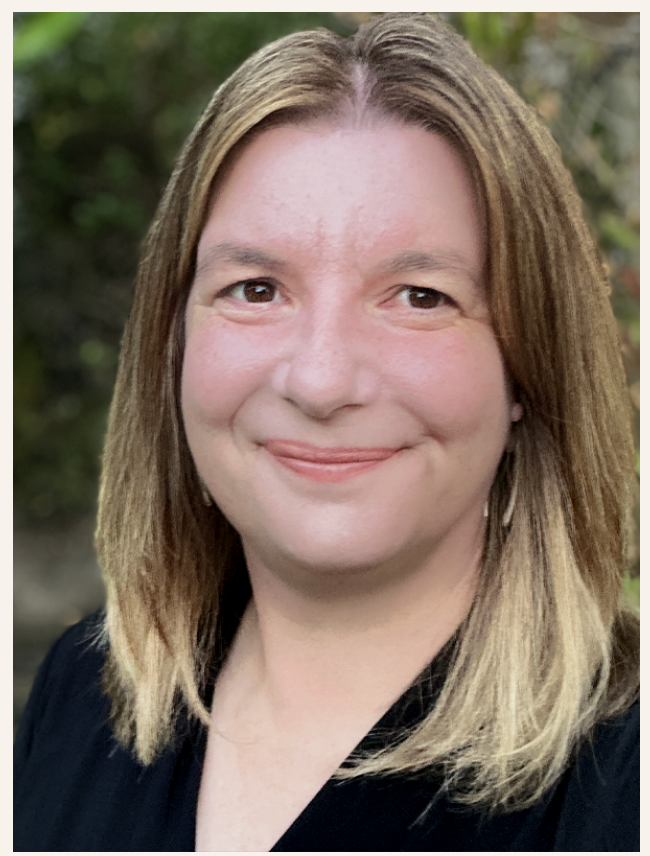
Victoria Trevor is Head of School at Athena Academy. Victoria brings over two decades of administrative expertise to Athena Academy. Her impressive career includes leading the Lower School at the Episcopal Day School in San Mateo. With degrees in geography and education, she has rich experience teaching various age groups across England and the United States.
In her leisure time, Ms. Victoria enjoys cinema, travel, dining out, and swimming, besides being a devoted mother and a Liverpool Football Club enthusiast.
Athena is thrilled to have Victoria's energy and insight on their Palo Alto campus, ensuring our mission of inclusivity and personalized support.